Inflationary Pressures 2026: Economic Indicators & US Market Impact
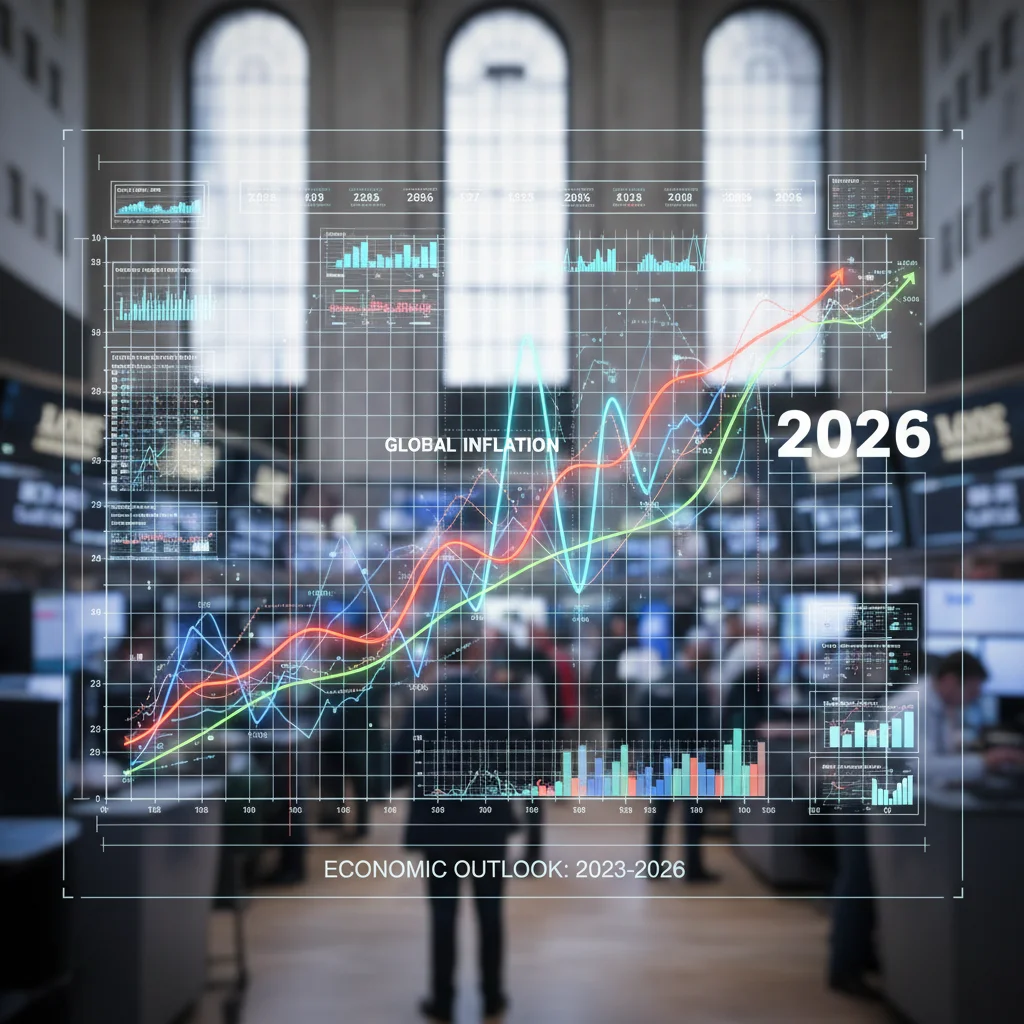
The economic landscape is a perpetually shifting terrain, and understanding its future contours is paramount for investors, policymakers, and consumers alike. As we peer into the crystal ball for 2026, the specter of inflationary pressures 2026 looms large, promising to be a defining characteristic of the global and, more specifically, the US market. This comprehensive analysis will dissect the primary drivers of these potential pressures, focusing on two pivotal economic indicators that will dictate the pace and direction of inflation and its subsequent impact on market behavior. We aim to equip you with a deeper understanding of the forces at play, enabling more informed decision-making in what promises to be a dynamic financial environment.
Understanding the Genesis of Inflationary Pressures 2026
To comprehend the future, one must first grasp the past and present. The seeds of inflationary pressures 2026 are already being sown by a confluence of factors stemming from recent global events and ongoing structural shifts. The unprecedented fiscal and monetary responses to the COVID-19 pandemic injected vast amounts of liquidity into economies worldwide, stimulating demand but also laying the groundwork for potential price surges. Supply chain disruptions, exacerbated by geopolitical tensions and localized lockdowns, have further constrained the availability of goods, pushing prices upward.
Moreover, the energy transition, while critical for environmental sustainability, introduces complexities in energy markets, potentially leading to higher input costs for industries and, consequently, higher consumer prices. Labor market dynamics, characterized by shifts in workforce participation and wage growth, also play a significant role. As economies continue to recover and evolve, the interplay of these forces will determine the severity and persistence of inflationary pressures 2026.
Forecasting inflation is not an exact science, but by meticulously tracking key economic indicators, we can construct a robust framework for anticipating future trends. This article will focus on two such indicators that are particularly insightful for predicting inflationary pressures 2026: the Consumer Price Index (CPI)/Personal Consumption Expenditures (PCE) and the Producer Price Index (PPI).
Key Economic Indicator 1: Consumer Price Index (CPI) and Personal Consumption Expenditures (PCE) – The Consumer’s Burden
The Consumer Price Index (CPI) and Personal Consumption Expenditures (PCE) are two of the most widely followed measures of inflation, directly reflecting the cost of living for households. While both track changes in the prices of goods and services, they differ in their scope and methodology. The CPI measures the average change over time in the prices paid by urban consumers for a market basket of consumer goods and services. The PCE price index, on the other hand, measures the prices of goods and services purchased by consumers, but it also accounts for changes in consumer spending patterns and includes a broader range of expenditures.
The Significance of CPI and PCE for Inflationary Pressures 2026
For inflationary pressures 2026, both CPI and PCE will serve as crucial barometers. A sustained increase in these indices indicates that consumers are paying more for everyday necessities, eroding purchasing power and potentially leading to demands for higher wages, which can, in turn, fuel a wage-price spiral. Policymakers, particularly the Federal Reserve, closely monitor these indicators when formulating monetary policy. The Fed’s preferred measure of inflation is the PCE price index, largely because it provides a more comprehensive view of consumer spending and is less volatile than CPI.
When analyzing these indicators for inflationary pressures 2026, several factors will be critical:
- Core Inflation: This excludes volatile food and energy prices, offering a clearer picture of underlying inflationary trends. A persistent rise in core CPI and PCE would signal more entrenched inflationary pressures.
- Housing Costs: Housing, including rent and owners’ equivalent rent, constitutes a significant portion of both indices. Continued increases in housing costs will be a major contributor to inflationary pressures 2026.
- Services Inflation: As economies shift towards services, price increases in sectors like healthcare, education, and entertainment will increasingly influence overall inflation.
- Consumer Expectations: If consumers anticipate higher inflation, they may demand higher wages and accelerate purchases, further embedding inflationary expectations into the economy.
A careful examination of these components within CPI and PCE will provide invaluable insights into the consumer-side dynamics of inflationary pressures 2026. 
How CPI and PCE Influence US Market Behavior
The impact of rising CPI and PCE on the US market is multifaceted:
- Interest Rate Policy: Sustained high inflation, as measured by CPI and PCE, will pressure the Federal Reserve to maintain or increase interest rates. Higher rates make borrowing more expensive, impacting corporate profits and consumer spending, potentially slowing economic growth. This directly affects bond yields, stock valuations, and the housing market.
- Corporate Earnings: Companies face higher input costs due to inflation, which can squeeze profit margins if they cannot pass these costs onto consumers. This could lead to lower corporate earnings and, consequently, a decline in stock prices.
- Consumer Spending: While initial inflation might be driven by strong demand, persistently high inflation erodes purchasing power. Consumers may cut back on discretionary spending, impacting businesses reliant on consumer demand.
- Investment Decisions: Investors often seek inflation-hedging assets during periods of high inflation. Real estate, commodities, and certain inflation-protected securities might become more attractive, while traditional fixed-income investments could lose value in real terms.
- Wage-Price Spiral: If workers demand higher wages to offset rising living costs, and companies pass these higher labor costs onto consumers through increased prices, it can create a self-perpetuating cycle of inflation. This spiral can be particularly challenging to break and would significantly amplify inflationary pressures 2026.
Key Economic Indicator 2: Producer Price Index (PPI) – The Supply-Side Story
The Producer Price Index (PPI) measures the average change over time in the selling prices received by domestic producers for their output. It essentially tracks inflation from the perspective of producers, covering prices at various stages of production, from raw materials to intermediate goods and finished products. The PPI is an early indicator of potential future consumer price inflation because increases in producer prices often get passed on to consumers.
The Predictive Power of PPI for Inflationary Pressures 2026
For anticipating inflationary pressures 2026, the PPI offers critical insights into the supply-side dynamics of the economy. A significant rise in the PPI, especially in its upstream components (raw materials and intermediate goods), signals that businesses are facing higher costs. These higher costs can stem from:
- Commodity Price Increases: Fluctuations in global commodity markets (oil, metals, agricultural products) directly impact producer costs. Geopolitical events, supply disruptions, and changing demand patterns can all drive commodity prices upward.
- Supply Chain Disruptions: Bottlenecks, transportation issues, and labor shortages in global supply chains can increase the cost of acquiring components and delivering finished goods. The resilience and efficiency of supply chains will be a key determinant of inflationary pressures 2026.
- Labor Costs: Rising wages and benefits for production workers directly contribute to higher producer costs. If labor markets remain tight, wage growth could continue to fuel PPI increases.
- Import Prices: For businesses reliant on imported inputs, currency fluctuations and trade policies can influence their costs. A weaker domestic currency makes imports more expensive, contributing to higher PPI.
Monitoring the PPI for various industries and stages of production will be essential for gauging the breadth and depth of supply-side inflationary pressures 2026. Particularly, the PPI for final demand goods and services provides a good leading indicator for PCE inflation.
How PPI Influences US Market Behavior
The implications of an elevated PPI for the US market are profound:
- Corporate Profitability: When producers face higher costs, they have two main options: absorb the costs, which reduces profit margins, or pass them on to consumers, which fuels CPI inflation. Both scenarios can negatively impact corporate earnings and stock valuations.
- Sectoral Impact: Industries heavily reliant on specific raw materials or complex supply chains will be particularly vulnerable to PPI increases. For example, manufacturing, construction, and certain retail sectors could see significant pressure on their bottom lines.
- Investment in Production: Sustained high PPI might deter businesses from investing in new production capacity if they anticipate continued cost pressures and difficulty in passing these costs to consumers. This could stifle economic growth in the long run.
- Monetary Policy Response: Just like CPI and PCE, a rising PPI will be closely watched by the Federal Reserve. If producer price increases are translating into broader consumer inflation, it reinforces the need for tighter monetary policy, with all its associated market impacts.
- Inflationary Expectations: When businesses consistently face and pass on higher costs, it can embed inflationary expectations throughout the economy, making it harder to bring inflation back down.
Interplay Between CPI/PCE and PPI: A Vicious Cycle?
The relationship between CPI/PCE and PPI is often cyclical. Increases in producer costs (PPI) typically precede and contribute to increases in consumer prices (CPI/PCE). However, strong consumer demand (reflected in CPI/PCE) can also embolden producers to raise prices, creating a feedback loop. Understanding this dynamic will be crucial for predicting the trajectory of inflationary pressures 2026.
For instance, if global energy prices (a key component of PPI) surge due to geopolitical events, producers face higher transportation and manufacturing costs. They then pass these costs to retailers, who, in turn, pass them to consumers. This sequence directly translates PPI increases into CPI increases. Conversely, if strong consumer confidence and robust wage growth lead to heightened demand, businesses might see an opportunity to increase prices, pushing both PPI and CPI higher. The challenge for 2026 will be discerning which force is dominant and how persistent these interactions will be.
Other Contributing Factors to Inflationary Pressures 2026
While CPI/PCE and PPI are central, several other factors will contribute to inflationary pressures 2026:
- Fiscal Policy: Government spending and taxation policies can significantly influence aggregate demand. Large fiscal stimulus packages, if not offset by increased supply, can be inflationary. The ongoing debate around government debt and spending will play a role.
- Monetary Policy: The stance of the Federal Reserve – whether it continues quantitative tightening or shifts towards easing – will be a primary determinant. The Fed’s reaction function to inflation data will heavily impact market expectations and actual price levels.
- Global Supply Chains: The resilience and efficiency of global supply chains remain a critical variable. Continued disruptions due to geopolitical tensions, trade wars, or natural disasters could exacerbate supply-side inflation. Efforts to re-shore or near-shore production could also lead to higher costs in the short to medium term.
- Energy Transition: The shift towards renewable energy sources, while beneficial in the long run, may entail significant upfront investment and potential price volatility in traditional energy markets during the transition phase. This could impact manufacturing and transportation costs.
- Labor Market Dynamics: Persistent labor shortages in key sectors, combined with demands for higher wages, could sustain wage-push inflation. The bargaining power of labor, influenced by unionization efforts and demographic shifts, will be an important factor.
- Geopolitical Risks: Conflicts and instability in critical resource-producing regions can lead to sudden spikes in commodity prices, creating unforeseen inflationary shocks.
Understanding these broader contextual elements is essential for a holistic view of inflationary pressures 2026. 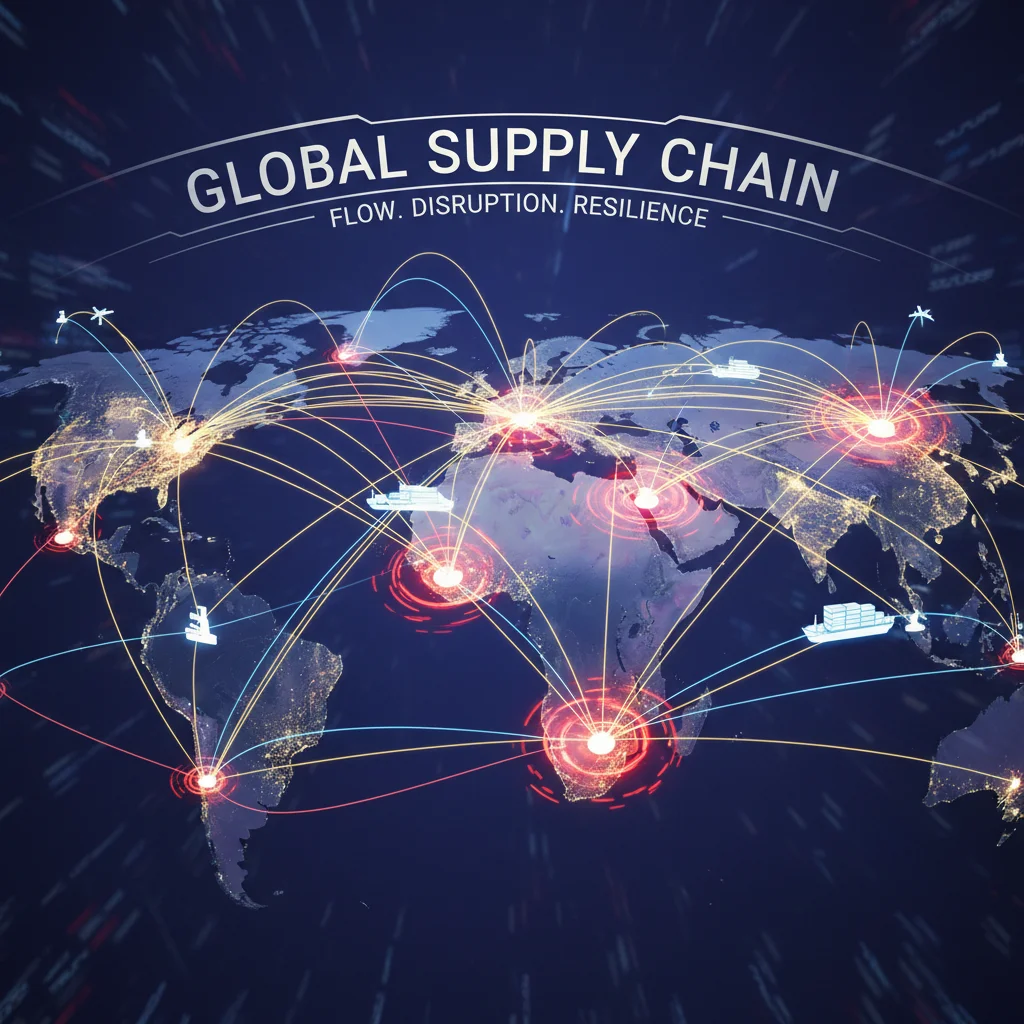
Navigating the US Market in a High-Inflation Environment (2026)
For businesses and investors, preparing for potential inflationary pressures 2026 is paramount. Here are some strategies:
For Businesses:
- Supply Chain Resiliency: Diversify suppliers, explore near-shoring, and invest in technology to enhance supply chain visibility and agility.
- Cost Management: Implement rigorous cost-cutting measures, optimize operational efficiencies, and explore hedging strategies for key raw materials.
- Pricing Power: Focus on product differentiation and value creation to maintain pricing power, allowing for effective passing on of increased costs.
- Labor Strategy: Invest in employee retention and training, and explore automation where feasible to mitigate rising labor costs.
- Cash Flow Management: Maintain healthy cash reserves and manage working capital effectively to weather periods of higher input costs.
For Investors:
- Diversification: A well-diversified portfolio across different asset classes is crucial.
- Inflation-Hedged Assets: Consider Treasury Inflation-Protected Securities (TIPS), real estate, commodities, and certain infrastructure investments.
- Equity Selection: Focus on companies with strong pricing power, low debt, robust balance sheets, and those that benefit from inflation (e.g., certain energy or materials companies). Avoid companies with high fixed costs and limited ability to pass on price increases.
- Short-Duration Bonds: In a rising interest rate environment, shorter-duration bonds are less sensitive to interest rate changes.
- Alternative Investments: Explore private equity, venture capital, and other alternatives that may offer uncorrelated returns.
Conclusion: Preparing for Inflationary Pressures 2026
The anticipated inflationary pressures 2026 represent a significant challenge and opportunity for the US market. By closely monitoring key economic indicators like CPI/PCE and PPI, along with broader macroeconomic factors, stakeholders can better anticipate and respond to these evolving dynamics. The interplay of consumer demand, producer costs, monetary policy, and global supply chain resilience will paint a complex picture.
While the exact magnitude and duration of inflationary pressures remain subject to various uncertainties, a proactive approach rooted in robust economic analysis and strategic planning will be essential. Both businesses and investors must adapt their strategies, focusing on resilience, efficiency, and smart allocation of capital to navigate the financial landscape of 2026 successfully. The ability to understand, anticipate, and respond to these inflationary forces will be the hallmark of successful economic stewardship in the coming years.
Staying informed about economic data releases, expert analyses, and policy changes will be crucial. The journey through inflationary pressures 2026 will demand vigilance, adaptability, and a deep understanding of the intricate mechanisms that drive our modern economy.