
Data Privacy Regulations in 2026: What 2 Major Market Trends Mean for US Tech Companies (INSIDER KNOWLEDGE)
The digital age, while offering unprecedented connectivity and innovation, has simultaneously ushered in an era of heightened scrutiny over how personal data is collected, processed, and stored. For US tech companies, the coming years, particularly leading up to and including 2026, promise to be a crucible of evolving data privacy regulations. This isn’t just about adhering to new rules; it’s about fundamentally rethinking business models, data architectures, and customer relationships. Understanding the key market trends driving these changes is not merely advantageous; it is existential.
The landscape of data privacy is a dynamic one, constantly reshaped by technological advancements, consumer expectations, and geopolitical shifts. As we peer into 2026, two major market trends are poised to exert the most significant influence on US data privacy regulations and, consequently, on the operational strategies of tech companies: the accelerating fragmentation of global privacy laws and the increasing demand for individual data sovereignty. These aren’t isolated phenomena; they are interconnected forces that will necessitate a proactive and adaptive approach from any tech enterprise hoping to thrive in the coming years.
This comprehensive guide will delve deep into these two pivotal trends, offering an insider’s perspective on what they entail for US tech companies. We will explore the nuances of the regulatory environment, identify potential challenges, and outline strategic pathways for compliance and competitive advantage. Our goal is to equip you with the knowledge to not just react to the changes, but to anticipate and shape your future in a privacy-centric world.
The Accelerating Fragmentation of Global Privacy Laws: A Labyrinth for US Tech
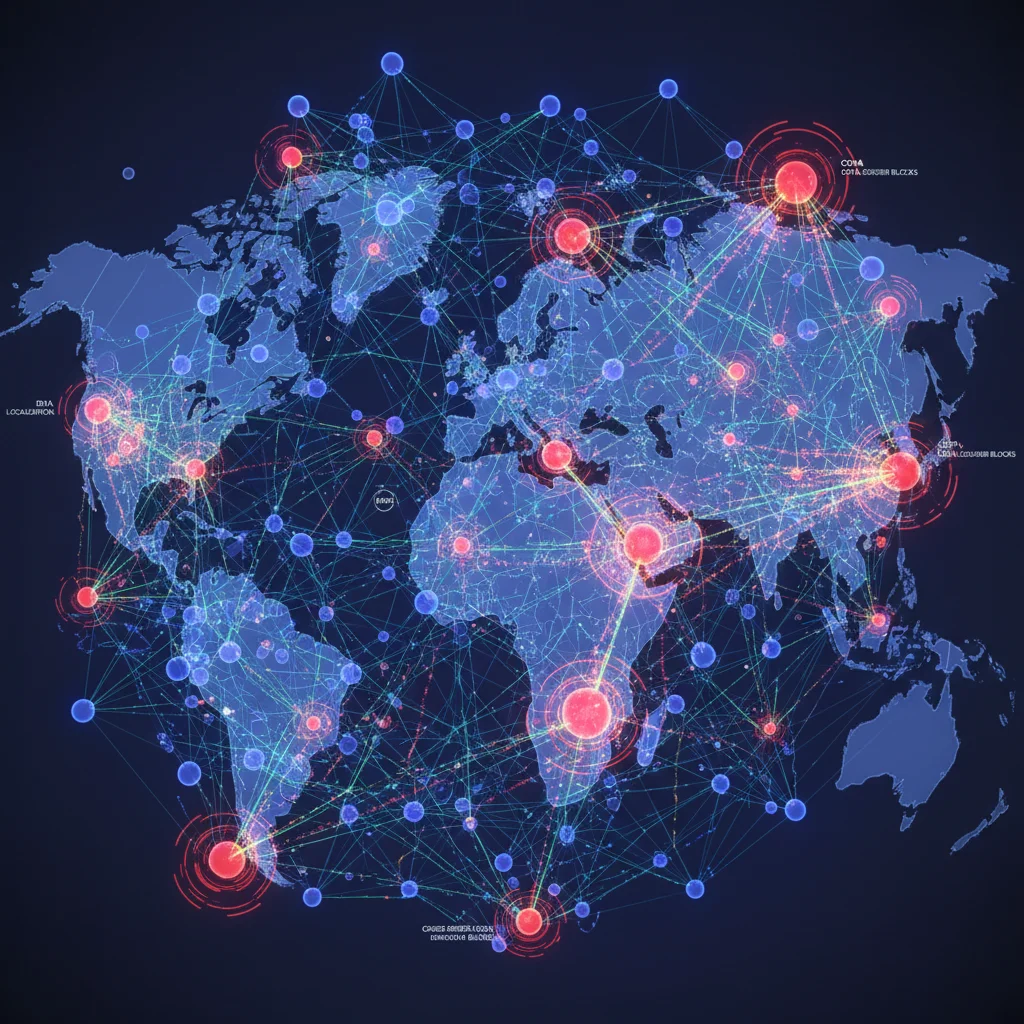
One of the most formidable challenges facing US tech companies as we approach 2026 is the escalating fragmentation of global data privacy laws. Gone are the days when a single, overarching framework could guide international data practices. Instead, we are witnessing a proliferation of distinct, often conflicting, regulatory regimes across different jurisdictions. This trend creates a complex, multi-layered compliance burden that demands significant resources and strategic foresight.
The Rise of State-Level Privacy Laws in the US
Within the United States itself, the absence of a comprehensive federal data privacy law akin to Europe’s GDPR has led to a patchwork of state-level regulations. California’s CCPA/CPRA set a precedent, and since then, states like Virginia (VCDPA), Colorado (CPA), Utah (UCPA), and Connecticut (CTDPA) have followed suit, each with its own specific requirements regarding data collection, processing, consumer rights, and enforcement mechanisms. By 2026, it is highly probable that more states will have enacted their own privacy statutes, further complicating the compliance landscape for companies operating nationwide.
For US tech companies, this means navigating a mosaic of definitions for personal data, varying consent requirements, differing consumer rights (e.g., right to delete, right to correct, right to opt-out of sales/sharing), and diverse enforcement powers. A company might be compliant in one state but non-compliant in another, leading to operational inefficiencies and increased legal risk. The sheer volume of these state-level laws, combined with their granular differences, presents a significant hurdle for maintaining consistent data practices across all user bases.
International Divergence and Cross-Border Data Transfers
Beyond domestic challenges, the international arena is equally, if not more, complex. While GDPR remains a gold standard, other nations and blocs are developing their own robust frameworks. Brazil’s LGPD, India’s DPDP Act (once fully implemented), China’s PIPL, and Canada’s PIPEDA are just a few examples of national laws that, while sharing some common principles with GDPR, introduce unique stipulations regarding data localization, cross-border data transfer mechanisms, and consent requirements.
For US tech companies with global operations or user bases, this fragmentation means that standard contractual clauses (SCCs) and other data transfer mechanisms must be continually re-evaluated and updated to meet the ever-changing adequacy requirements of different jurisdictions. The invalidation of the EU-US Privacy Shield and the subsequent challenges to SCCs underscore the instability and uncertainty in this area. By 2026, expect continued scrutiny of data transfer mechanisms and potentially more stringent localization requirements, especially for sensitive data.
Impact on Business Operations and Innovation
The accelerating fragmentation of global privacy laws has several profound implications for US tech companies:
- Increased Compliance Costs: Companies will need to invest heavily in legal counsel, privacy-enhancing technologies, and dedicated privacy teams to monitor and adapt to diverse regulatory environments.
- Operational Complexity: Managing data across various jurisdictions with different rules necessitates sophisticated data governance frameworks, including data mapping, record of processing activities (ROPA), and granular consent management systems.
- Risk of Fines and Reputational Damage: Non-compliance in any jurisdiction can lead to hefty fines, legal battles, and significant damage to brand reputation, eroding customer trust.
- Hindrance to Innovation: The fear of inadvertently violating a regulation can stifle innovation, particularly in areas like AI and machine learning that rely heavily on data processing. Companies might become risk-averse, slowing down product development and market expansion.
- Market Access Challenges: Some markets may become more difficult or costly to enter if compliance requirements are too onerous or if data localization demands conflict with existing infrastructure.
To navigate this labyrinth, US tech companies must adopt a privacy-by-design and privacy-by-default approach, building compliance into the very fabric of their products and services from the outset. Centralized privacy operations, leveraging AI and automation for compliance monitoring, and continuous legal review will be crucial.
The Increasing Demand for Individual Data Sovereignty: Empowering the User
The second major trend shaping US data privacy regulations by 2026 is the relentless and growing demand for individual data sovereignty. This concept, often articulated as the ‘right to own your own data,’ shifts the power dynamic from data collectors to data subjects. Consumers are becoming increasingly aware of the value of their personal information and are demanding greater control over how it is used, shared, and monetized. This trend is not just a regulatory push; it’s a societal shift driven by a growing privacy consciousness.
Expanded Consumer Rights and Transparency
The core of data sovereignty lies in expanded consumer rights. While GDPR pioneered many of these rights, US state laws are increasingly mirroring and even extending them. By 2026, US tech companies can expect a broader and more consistent application of rights such as:
- Right to Access: Individuals will have an even clearer and more streamlined ability to request and receive copies of all personal data a company holds about them.
- Right to Deletion/Erasure: The ‘right to be forgotten’ will gain further traction, allowing individuals to demand the deletion of their data under specific circumstances.
- Right to Correction/Rectification: Consumers will have the right to correct inaccurate or incomplete personal data.
- Right to Opt-Out: Beyond opting out of the ‘sale’ of data, expect broader rights to opt-out of targeted advertising, profiling, and specific data processing activities.
- Right to Data Portability: The ability for individuals to receive their data in a structured, commonly used, and machine-readable format, and to transmit that data to another controller without hindrance, will become more prevalent.
- Right to Know: Enhanced transparency requirements will compel companies to provide clearer, more understandable information about what data is collected, why it’s collected, and with whom it’s shared.
These rights are not merely theoretical; consumers are increasingly exercising them, and regulators are actively enforcing them. Tech companies must therefore build robust, user-friendly mechanisms for individuals to exercise these rights, moving beyond mere compliance checkboxes to truly empowering their users.
The Rise of Privacy-Enhancing Technologies (PETs) and Decentralized Data Models
The demand for data sovereignty is also fueling innovation in privacy-enhancing technologies (PETs). These technologies, such as differential privacy, homomorphic encryption, and secure multi-party computation, allow for data analysis and utilization while preserving individual privacy. By 2026, we can anticipate a greater adoption of PETs, not just as a compliance tool but as a competitive differentiator.
Furthermore, the concept of decentralized data models, where individuals have more direct control over their data stored in personal data stores or through self-sovereign identity systems, is gaining traction. While still nascent, these models represent a fundamental shift away from centralized data repositories. US tech companies should monitor these developments closely, as they could reshape how data is managed and accessed in the long term, moving towards a more consent-driven, user-controlled ecosystem.
Implications for Trust and Brand Loyalty
For US tech companies, embracing individual data sovereignty is not just about avoiding penalties; it’s about building trust and fostering brand loyalty. In an increasingly privacy-conscious market, companies that demonstrate a genuine commitment to respecting user privacy will gain a significant competitive edge. Conversely, those perceived as lax or exploitative with data will face consumer backlash, reputational damage, and potentially lose market share.
- Enhanced Customer Trust: Transparent data practices and robust privacy controls directly contribute to higher customer trust, which is invaluable in a saturated market.
- Competitive Differentiation: Companies that go above and beyond basic compliance to offer true data sovereignty will stand out, attracting privacy-conscious users.
- Ethical AI Development: As AI becomes more pervasive, respecting data sovereignty is critical for ethical AI development, ensuring fairness, accountability, and transparency in algorithms.
- Reduced Data Risk: By collecting less data, or by enabling users to control more of their data, companies can reduce their own data breach risk and liability.
The shift towards data sovereignty demands a cultural transformation within tech companies, moving from a ‘collect everything’ mentality to a ‘collect only what’s necessary and with explicit consent’ approach. This requires investing in user experience for privacy settings, clear communication, and empowering users with granular controls over their data.
Strategic Imperatives for US Tech Companies by 2026
Given these two powerful trends – the fragmentation of global privacy laws and the demand for individual data sovereignty – US tech companies must adopt a proactive and strategic approach to thrive in 2026 and beyond. Here are key imperatives:
1. Develop a Unified Global Privacy Framework with Local Adaptations
Instead of reacting to each new law piecemeal, companies should strive to develop a robust, overarching global privacy framework that incorporates the strictest requirements of major regulations (like GDPR and CPRA) as a baseline. This ‘gold standard’ approach can then be tailored with specific local adaptations for other jurisdictions. This minimizes complexity and ensures a consistent, high level of privacy protection across all operations.
2. Invest Heavily in Data Governance and Privacy-Enhancing Technologies (PETs)
Effective data governance is paramount. This includes comprehensive data mapping to understand where all personal data resides, how it flows, and who has access to it. Implement automated tools for consent management, data subject access requests (DSARs), and data retention policies. Explore and integrate PETs to enable data utility while minimizing privacy risks, especially for R&D in AI and analytics.
3. Prioritize Transparency and User Control
Beyond legal requirements, make transparency a core value. Simplify privacy policies, use clear and concise language, and provide intuitive dashboards and tools that allow users to easily understand and manage their privacy settings, consent preferences, and data rights. Empowering users fosters trust and reduces the likelihood of complaints or regulatory actions.
4. Build Cross-Functional Privacy Teams and Foster a Privacy-First Culture
Privacy is not solely a legal or IT concern; it’s a business-wide responsibility. Establish cross-functional privacy teams involving legal, product development, engineering, marketing, and security. Conduct regular privacy training for all employees. Foster a culture where privacy-by-design and privacy-by-default are ingrained in every stage of product development and service delivery.
5. Monitor Regulatory Developments Continuously
The regulatory landscape is constantly shifting. US tech companies must dedicate resources to continuously monitor new legislative proposals, regulatory guidance, and enforcement actions both domestically and internationally. This proactive monitoring allows for timely adjustments to policies and practices, preventing last-minute scrambles and potential non-compliance.
6. Rethink Data Monetization Strategies
As consumer demand for data sovereignty grows and regulations restrict certain data practices, tech companies need to re-evaluate their data monetization strategies. This might involve shifting towards more privacy-friendly advertising models (e.g., contextual advertising), exploring subscription-based services, or focusing on aggregated, anonymized data insights rather than individual-level data sales.

Conclusion: The Dawn of a Privacy-Centric Digital Economy
The year 2026 will not mark an endpoint but rather a significant milestone in the ongoing evolution of data privacy. The accelerating fragmentation of global privacy laws and the increasing demand for individual data sovereignty are not merely challenges; they are catalysts for a more responsible, ethical, and ultimately more sustainable digital economy. For US tech companies, this means moving beyond a compliance-only mindset to embrace privacy as a core competitive advantage and a fundamental element of customer trust.
Those who anticipate these trends, invest in robust privacy infrastructure, empower their users, and embed privacy into their organizational DNA will not only mitigate risks but will also unlock new opportunities for innovation, cultivate deeper customer relationships, and ultimately lead the way in the privacy-centric digital economy of the future. The time to prepare for US data privacy 2026 is now; proactive engagement is the only path to enduring success.
Understanding these trends and strategically adapting will be the defining factor for tech companies operating in the US. The future of data privacy is not just about rules, but about reputation, trust, and sustained growth.