Real Estate Market 2026: 5 Trends & US Regional Impact

Real Estate Market Outlook for 2026: 5 Emerging Trends and Their Potential 10% Impact on US Regions
The real estate landscape is in a perpetual state of flux, influenced by a myriad of economic, social, and technological forces. As we gaze towards 2026, the US real estate market is poised for significant shifts. Understanding these emerging trends and their potential regional impacts is crucial for investors, homeowners, and industry professionals alike. This comprehensive analysis delves into five pivotal trends expected to shape the market, examining how they might lead to a potential 10% shift in various US regions, offering a detailed comparison and analysis.
Understanding the Dynamics of the Real Estate Market 2026 Outlook
Forecasting the future of real estate is an intricate exercise, demanding a holistic view of macro and microeconomic indicators, demographic shifts, technological advancements, and policy changes. The real estate 2026 outlook suggests a market that continues to adapt to post-pandemic realities, evolving consumer preferences, and a persistent drive towards sustainability and technological integration. While national trends provide a broad stroke, the true story unfolds at the regional level, where unique economic foundations and demographic compositions amplify or mitigate these overarching forces.
The concept of a ‘10% impact’ is used here as a benchmark to illustrate significant, yet plausible, shifts in market dynamics, whether in terms of price appreciation, inventory levels, rental yields, or investment activity. This is not a uniform prediction but rather an analytical framework to highlight areas of pronounced change. Our goal is to provide actionable insights into where these impacts are most likely to be felt and to what extent, offering a valuable resource for navigating the evolving market.
Trend 1: The Continued Rise of Remote Work and Secondary Cities
The seismic shift towards remote and hybrid work models, accelerated by the pandemic, is far from over. This trend continues to redefine housing demand, pushing populations away from traditionally expensive urban cores towards more affordable secondary cities and suburban areas. For the real estate 2026 outlook, this means sustained growth in regions that offer a high quality of life, lower cost of living, and robust digital infrastructure.
Potential 10% Impact on US Regions:
- Beneficiaries (Potential 10% Increase in Demand/Prices):
- Mountain West (e.g., Boise, Salt Lake City, Denver): These regions have already seen substantial in-migration, driving up housing values. The allure of outdoor recreation, coupled with a lower tax burden in some states, will continue to attract remote workers. Expect a continued 10% increase in demand and potentially property values, especially in areas with developing tech hubs.
- Southeastern Hubs (e.g., Nashville, Raleigh-Durham, Austin*): Cities like Nashville and Raleigh-Durham offer a compelling blend of job opportunities, cultural amenities, and relatively affordable living compared to coastal metros. Austin continues its strong trajectory, albeit with increasing affordability challenges. These areas could see a 10% increase in new construction and sustained price appreciation.
- Midwest Growth Corridors (e.g., Columbus, Indianapolis, Kansas City): These cities are increasingly attractive due to their central locations, growing tech sectors, and significantly lower cost of living. They are ripe for a 10% surge in demand from those seeking more space and affordability without sacrificing career opportunities.
- Regions Facing Challenges (Potential 10% Decrease in Demand/Slower Growth):
- Major Coastal Metros (e.g., San Francisco, New York City, Los Angeles): While these cities will always hold appeal, the premium for urban living may continue to soften as remote work options expand. A 10% deceleration in demand growth or a slight contraction in certain segments of the luxury market is plausible, as residents seek more value elsewhere.
Trend 2: The Green Real Estate Revolution and Sustainable Living
Environmental consciousness is no longer a niche concern; it’s a mainstream demand shaping consumer choices, including housing. The real estate 2026 outlook indicates a significant acceleration in the adoption of green building practices, energy-efficient homes, and master-planned communities focused on sustainability. Buyers are increasingly willing to pay a premium for homes that offer lower utility costs, healthier living environments, and a reduced carbon footprint.
Potential 10% Impact on US Regions:
- Beneficiaries (Potential 10% Increase in Value/Interest):
- Pacific Northwest (e.g., Portland, Seattle): Already a hotbed for environmental activism and sustainable development, these regions are well-positioned to lead the green real estate movement. A 10% premium on eco-friendly homes and communities is likely, attracting environmentally conscious buyers and investors.
- California (e.g., San Diego, parts of Northern California): Strict environmental regulations and a forward-thinking populace will continue to drive demand for green homes. Expect a 10% increase in the market share of sustainable properties and related innovations.
- Northeast Urban Centers (e.g., Boston, Washington D.C.): With a focus on urban revitalization and smart city initiatives, these areas will see an increased emphasis on energy-efficient retrofits and new sustainable developments, potentially boosting property values by 10% in these segments.
- Regions Facing Challenges (Potential 10% Lag in Adoption/Lower Premiums):
- Parts of the Sun Belt (e.g., some areas in Arizona, Nevada): While new construction is booming, the emphasis on sustainability may lag behind other regions if energy costs remain relatively low or local regulations are less stringent. A 10% slower adoption rate for green features could mean lower competitive advantage.
Trend 3: Demographic Shifts: Gen Z and Millennial Homeownership
The sheer size and evolving preferences of Gen Z and millennials will be a dominant factor in the real estate 2026 outlook. As more millennials enter their prime homeownership years and Gen Z begins to enter the market, their collective buying power and distinct demands will reshape housing inventory and design. This includes a preference for affordability, walkability, access to amenities, and technology-integrated homes.
Potential 10% Impact on US Regions:
- Beneficiaries (Potential 10% Increase in First-Time Buyer Activity):
- Midwest and Southern Cities with Strong Job Growth and Affordability (e.g., Atlanta, Dallas, Phoenix): These regions offer a crucial combination of job opportunities and housing affordability, making them magnets for younger generations. A 10% surge in first-time homebuyer activity is highly probable, driving demand for entry-level and mid-range housing.
- Emerging Tech Hubs (e.g., Austin, Nashville, Raleigh): These cities continue to attract young professionals, leading to sustained demand for both rental properties and starter homes. Expect a 10% increase in competitive bidding within these segments.
- Regions Facing Challenges (Potential 10% Slower Growth Due to Affordability):
- High-Cost Coastal Markets (e.g., parts of California, Northeast): While desirable, the prohibitive cost of entry will continue to deter many younger buyers, potentially leading to a 10% slower growth in homeownership rates for these demographics compared to national averages.
Trend 4: The Role of Technology: AI, IoT, and Smart Homes
Technology’s influence on real estate extends beyond just online listings. In the real estate 2026 outlook, we anticipate a deeper integration of artificial intelligence (AI), the Internet of Things (IoT), and smart home technologies, transforming both the buying experience and the functionality of homes. From AI-powered personalized property recommendations to homes that anticipate your needs, technology will be a key differentiator.
Potential 10% Impact on US Regions:
- Beneficiaries (Potential 10% Premium for Tech-Integrated Homes):
- Established Tech Hubs (e.g., Silicon Valley, Seattle, Boston): These regions, with their tech-savvy populations and innovation ecosystems, will be early adopters and drivers of smart home technology. Expect a 10% premium on homes with advanced tech integrations and a higher demand for tech-forward developments.
- Luxury Markets (e.g., Miami, Aspen, Hamptons): High-net-worth individuals often seek cutting-edge technology in their homes. These markets could see a 10% increase in the value of properties offering sophisticated smart home systems and bespoke technological amenities.
- Regions Facing Challenges (Potential 10% Slower Adoption):
- Rural Areas and Regions with Older Housing Stock: The integration of advanced smart home technology may be slower in areas with less developed infrastructure or a prevalence of older homes, potentially leading to a 10% lag in market value compared to tech-enabled properties.
Trend 5: Affordable Housing Crisis and Innovative Solutions
The persistent challenge of affordable housing remains a critical issue, and the real estate 2026 outlook will see increased pressure for innovative solutions. This trend encompasses everything from government initiatives and zoning reforms to the growth of modular construction, co-living spaces, and Accessory Dwelling Units (ADUs). The demand for housing that meets diverse income levels will drive significant changes in development and policy.
Potential 10% Impact on US Regions:
- Beneficiaries (Potential 10% Growth in Affordable Housing Solutions):
- High-Demand, High-Cost Metros (e.g., California, Northeast, Pacific Northwest): These regions are at the forefront of the affordable housing crisis, necessitating and driving innovative solutions. Expect a 10% increase in ADU construction, co-living developments, and policy changes aimed at increasing housing density.
- Cities with Strong Public-Private Partnerships (e.g., Denver, Minneapolis): Regions where local governments and private developers collaborate on affordable housing projects will see significant growth. A 10% increase in the supply of diverse housing options is plausible.
- Regions Facing Challenges (Potential 10% Worsening of Affordability Gap):
- Rapidly Growing Secondary Markets Without Proactive Planning (e.g., some areas in Florida, Texas): While growth is positive, a lack of cohesive planning for affordable housing can exacerbate the affordability gap, potentially leading to a 10% increase in housing cost burden for lower-income residents.

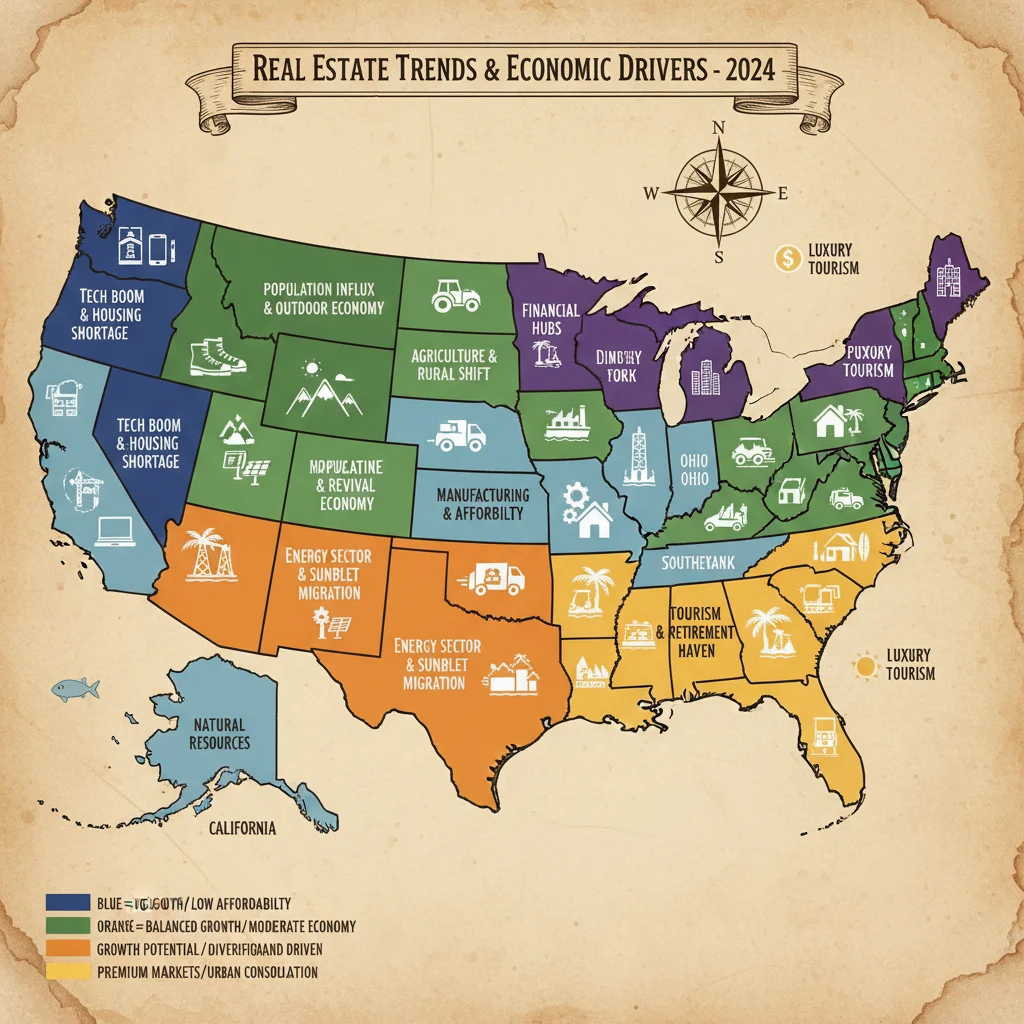
Comparative Analysis: Regional Winners and Losers in the Real Estate 2026 Outlook
Synthesizing these trends reveals a complex tapestry of regional disparities. While some areas are poised for sustained growth and innovation, others may face headwinds or require significant adaptation. The real estate 2026 outlook is not a monolithic forecast; it’s a series of micro-markets reacting to macro forces.
Overall Potential Winners (Likely to see a net positive 10% impact across metrics):
- The Sun Belt’s Inland Cities (e.g., Phoenix, Dallas, Atlanta, Nashville, Raleigh-Durham): These regions are strong contenders due to their blend of affordability, job growth, attractiveness to remote workers, and growing potential for sustainable development. They are likely to experience a 10% increase in overall market activity and value.
- Midwest Growth Corridors (e.g., Columbus, Indianapolis, Kansas City): Offering compelling value and improving economic diversification, these cities are well-positioned to attract younger demographics and remote workers, leading to a potential 10% uplift in demand.
- Mountain West Cities (e.g., Boise, Salt Lake City, Denver): Despite recent rapid appreciation, the lifestyle appeal and economic opportunities will likely sustain strong demand, with a potential 10% continued growth, albeit with some moderation.
Overall Potential Areas for Concern/Adaptation (May see a net negative 10% impact or require significant strategic shifts):
- Expensive Coastal Metros (e.g., San Francisco, New York City, parts of Los Angeles): While resilient, these markets may continue to see outflows of residents seeking affordability and space, potentially leading to a 10% deceleration in growth rates or localized price corrections in certain segments. Adaptation through innovative housing solutions and strong urban amenities will be key.
- Regions Heavily Reliant on Single Industries Without Diversification: Areas that haven’t diversified their economies away from declining sectors may struggle, potentially seeing a 10% dip in housing demand as job opportunities dwindle.
Investment Strategies for the 2026 Real Estate Market
Given the nuanced real estate 2026 outlook, investors must adopt strategic approaches. Diversification across different property types and geographical regions will be paramount. Investing in secondary cities with strong fundamentals (job growth, infrastructure, quality of life) that are attracting remote workers and younger demographics appears to be a sound strategy.
Furthermore, understanding the increasing demand for sustainable and tech-integrated homes will open new avenues for investment. Properties that can be retrofitted for energy efficiency or equipped with smart home features may command higher premiums. Similarly, involvement in affordable housing initiatives, whether through direct development or supporting related ventures, could yield both financial returns and social impact.
For homeowners, the real estate 2026 outlook emphasizes the importance of maintaining and upgrading homes with features that align with future demands: energy efficiency, smart home technology, and flexible spaces that accommodate remote work. For those considering relocation, evaluating the long-term growth prospects and lifestyle offerings of emerging secondary markets will be crucial.
The Impact of Economic Factors on the Real Estate 2026 Outlook
Beyond the five trends, underlying economic factors will continue to play a critical role in shaping the real estate 2026 outlook. Interest rates, inflation, and overall economic growth will act as powerful levers. While current projections suggest a stabilization of interest rates, any unexpected shifts could significantly alter affordability and investment appetite. Inflationary pressures could impact construction costs and, consequently, housing prices. A robust economy generally fuels job growth, which in turn drives housing demand.
Geopolitical stability and global economic performance also cast a shadow over the domestic market. International investment, while sometimes volatile, can provide significant capital infusions into specific US real estate sectors, particularly in major gateway cities. Monitoring these broader economic indicators alongside the emerging trends will provide a more complete picture of the market’s trajectory.
Policy and Regulatory Environment
Government policies and regulations will also be instrumental in shaping the real estate 2026 outlook. Zoning reforms aimed at increasing housing density, incentives for sustainable development, and affordable housing programs can significantly impact local markets. For instance, states and municipalities that proactively address housing shortages through streamlined permitting processes or by encouraging ADUs are likely to see a more balanced and accessible market.
Tax policies, both federal and local, can influence investment decisions and homeownership rates. Changes to property taxes, capital gains taxes, or mortgage interest deductions could have ripple effects across the market. Understanding the evolving regulatory landscape is therefore essential for anticipating regional impacts and formulating effective strategies.
Conclusion: Navigating the Future of US Real Estate
The real estate 2026 outlook presents a dynamic and evolving market, characterized by significant shifts driven by remote work, sustainability, demographic changes, technological integration, and the ongoing demand for affordable housing. While a potential 10% impact across various regional metrics is a compelling analytical framework, the actual outcomes will be a complex interplay of these trends and underlying economic and policy environments.
Successful navigation of this future landscape requires adaptability, foresight, and a granular understanding of regional specificities. Investors and homeowners who stay abreast of these emerging dynamics, understand the unique strengths and challenges of different US regions, and embrace innovative solutions will be best positioned to thrive in the real estate market of 2026 and beyond. The future of real estate is not just about properties; it’s about people, technology, and a commitment to sustainable growth.