Future-Proof Your Career: Essential Learning Resources for U.S. Professionals

Future-Proofing Your Career: 4 Essential Learning Resources U.S. Professionals Must Explore by Mid-2026
In an era defined by relentless technological advancement and shifting economic landscapes, the concept of a ‘job for life’ has become a relic of the past. For U.S. professionals, the imperative to continuously adapt, learn, and evolve has never been more critical. The year 2026 is rapidly approaching, and with it comes a set of new challenges and opportunities in the job market. To thrive, not just survive, in this dynamic environment, strategic engagement with learning resources is paramount. This comprehensive guide delves into four essential learning resources that every U.S. professional should be actively exploring and leveraging to future-proof their career.
The Unstoppable March of Change: Why Future-Proofing Your Career is Non-Negotiable
The pace of change in the U.S. job market is accelerating at an unprecedented rate. Automation, artificial intelligence (AI), machine learning, and global economic shifts are not just buzzwords; they are transformative forces reshaping industries and redefining job roles. What was considered a cutting-edge skill five years ago might be foundational today, and obsolete tomorrow. This rapid evolution means that relying solely on your initial education or past experience is a recipe for professional stagnation. To truly future-proof your career, a proactive and continuous learning mindset is indispensable.
Consider the rise of AI. According to a report by McKinsey, generative AI could add trillions of dollars in value to the global economy, but it will also necessitate significant workforce retraining. Jobs aren’t disappearing entirely, but their nature is changing. Repetitive tasks are being automated, freeing up human workers to focus on higher-level problem-solving, creativity, and strategic thinking. This shift demands a new set of skills – often referred to as ’21st-century skills’ – that transcend traditional disciplinary boundaries.
Furthermore, the gig economy and the increasing prevalence of remote work have transformed how and where work gets done. Professionals are now competing on a global stage, making specialized skills and adaptability even more valuable. The ability to pivot, acquire new competencies quickly, and demonstrate continuous learning is becoming a key differentiator in a crowded market. Therefore, identifying and utilizing the right career future-proofing resources is not just an advantage; it’s a necessity for sustained professional relevance and growth.
Resource 1: Specialized Online Course Platforms & Bootcamps
The digital revolution has democratized education, making high-quality, specialized learning accessible to millions. Online course platforms and intensive bootcamps have emerged as powerful career future-proofing resources, offering targeted education in high-demand fields that traditional universities often struggle to keep pace with. By mid-2026, proficiency in areas like data science, cybersecurity, cloud computing, AI/machine learning, and advanced digital marketing will be critical across virtually all sectors.
Why They Are Essential:
- Hyper-Relevant Content: These platforms are designed to address current industry needs, with curricula often developed in collaboration with leading companies. This ensures that the skills you acquire are immediately applicable and highly valued.
- Flexibility and Accessibility: Most online courses offer flexible schedules, allowing professionals to learn while maintaining their current jobs. Bootcamps, while more intensive, provide accelerated learning paths for rapid skill acquisition.
- Certification and Credentialing: Many platforms offer certifications that are recognized by employers, providing tangible proof of your newly acquired skills. These micro-credentials can be powerful additions to your resume and LinkedIn profile.
- Practical, Project-Based Learning: Unlike theoretical academic programs, many online courses and bootcamps emphasize hands-on projects, giving you practical experience that simulates real-world challenges.
Key Platforms to Explore:
Coursera & edX: These platforms partner with top universities and companies to offer courses, specializations, and even full degree programs in a wide array of subjects. Look for courses in AI, Python programming, data analytics, blockchain, and project management. Their ‘Professional Certificates’ are particularly valuable for career advancement.
Udemy & LinkedIn Learning: Offering a vast library of courses taught by industry experts, these platforms are excellent for skill-specific learning. You can find courses on everything from advanced Excel and SQL to graphic design and leadership skills. Their subscription models often allow for continuous learning across multiple topics.
Coding Bootcamps (e.g., General Assembly, Flatiron School): For those looking to make a significant career pivot into tech, bootcamps offer immersive, fast-paced training in areas like full-stack development, data science, UX/UI design, and cybersecurity. While demanding, they boast high job placement rates due to their industry-aligned curricula and career support services.
Google Career Certificates: Google offers professional certificates in high-growth fields like Data Analytics, Project Management, UX Design, and IT Support. These are designed to be completed in under six months and are highly regarded by employers, often leading directly to entry-level positions or significant career advancement.
HubSpot Academy: For professionals in marketing, sales, and customer service, HubSpot Academy provides free, industry-recognized certifications in inbound marketing, content marketing, SEO, and sales enablement. These are invaluable for understanding modern business strategies.
Engaging with these platforms allows professionals to not only acquire new skills but also to demonstrate a commitment to lifelong learning, a trait highly valued by employers in the modern economy. This proactive approach to skill development is a cornerstone of career future-proofing resources.
Resource 2: Professional Associations & Industry Conferences
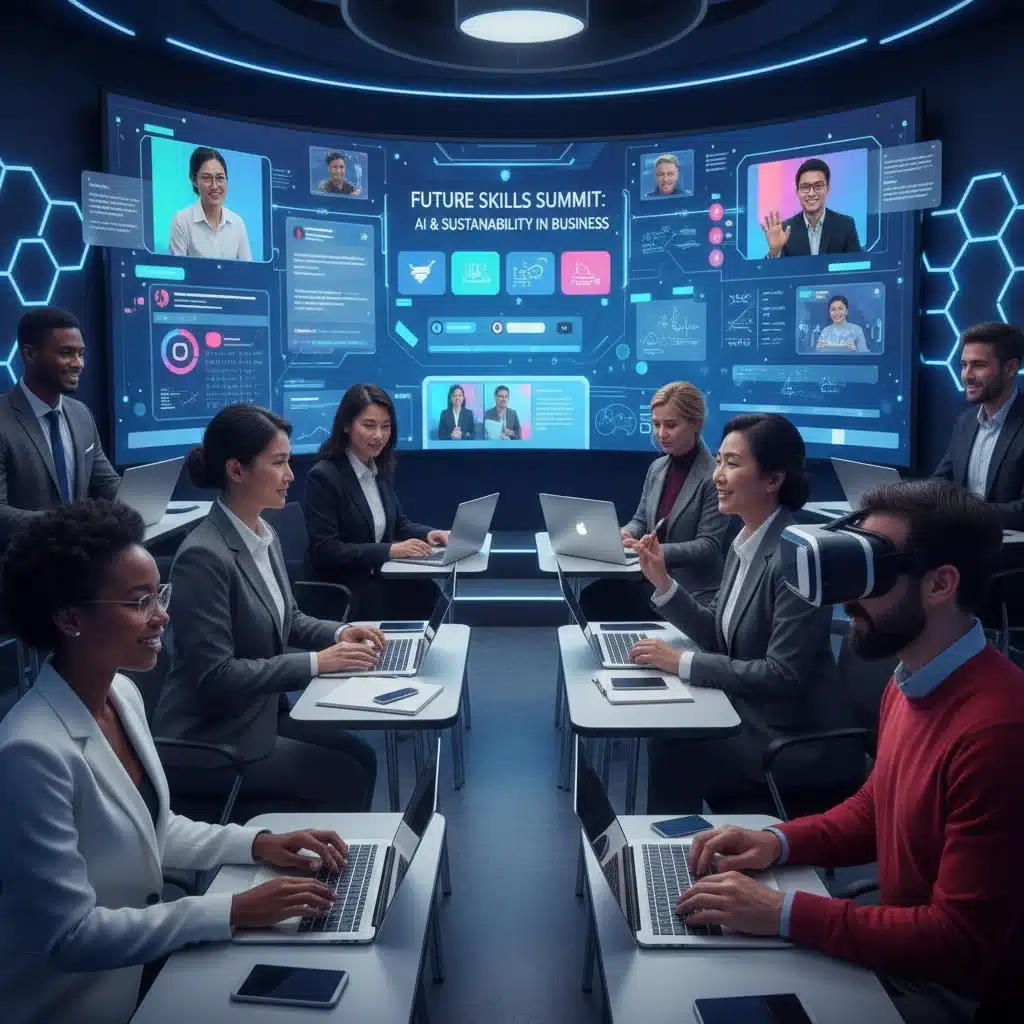
While online learning provides technical skills, professional associations and industry conferences offer invaluable opportunities for networking, staying abreast of industry trends, and gaining insights from thought leaders. These are crucial career future-proofing resources for holistic professional development.
Why They Are Essential:
- Networking Opportunities: Connecting with peers, mentors, and potential employers is vital for career growth. Conferences and association meetings provide unparalleled environments for building a robust professional network.
- Insight into Emerging Trends: Industry events often feature keynotes and panels discussing the latest innovations, challenges, and future directions of a sector. This foresight is critical for anticipating changes and adapting your skill set accordingly.
- Specialized Knowledge & Best Practices: Workshops and presentations at conferences delve into specific topics, offering deep dives into best practices, new methodologies, and case studies that can directly inform your work.
- Leadership & Volunteer Opportunities: Many professional associations offer opportunities to volunteer on committees or take on leadership roles, allowing you to develop soft skills like leadership, communication, and project management while expanding your influence.
Key Strategies for Engagement:
Identify Relevant Associations: Research national and local professional associations within your industry or a target industry. For example, the Project Management Institute (PMI) for project managers, the American Marketing Association (AMA) for marketers, or IEEE for engineers. Many also have special interest groups focused on emerging technologies like AI or cybersecurity.
Attend Key Conferences: Prioritize attending at least one major industry conference annually, either virtually or in-person. Look for events known for their cutting-edge content and strong networking components. Examples include SXSW for tech and media, Dreamforce for CRM, or the RSA Conference for cybersecurity.
Active Participation: Don’t just attend; participate. Ask questions, join discussions, volunteer for roles, or even consider presenting a paper or leading a session if you have expertise to share. This elevates your profile and deepens your engagement.
Leverage Online Forums & Webinars: Many associations offer exclusive online forums, webinars, and resource libraries for members. These are excellent for continuous learning and problem-solving within a community of experts.
By actively participating in professional associations and conferences, U.S. professionals gain a pulse on their industry’s future, develop invaluable connections, and demonstrate a commitment to their field – all critical elements for career future-proofing resources.
Resource 3: Mentorship Programs & Peer Learning Networks
Formal education and technical training are foundational, but the nuanced insights, practical advice, and emotional support offered by mentors and peer networks are equally vital for navigating complex career landscapes. These interpersonal career future-proofing resources provide a personalized layer of development that online courses alone cannot replicate.
Why They Are Essential:
- Personalized Guidance: A mentor can offer tailored advice based on their own experiences, helping you navigate specific career challenges, identify growth opportunities, and avoid common pitfalls.
- Skill Development Beyond Technicalities: Mentors often help refine crucial soft skills such as leadership, strategic thinking, negotiation, and communication – skills that are increasingly important in an automated world.
- Expanded Perspectives: Engaging with peers and mentors from different backgrounds or stages in their careers can broaden your perspective, expose you to new ideas, and challenge your assumptions.
- Accountability & Motivation: A mentor or peer group can provide accountability, encouraging you to set and achieve goals, and offering support during challenging times.
- Access to Unadvertised Opportunities: Networks often lead to ‘hidden’ job opportunities, project collaborations, or valuable introductions that aren’t publicly advertised.
How to Engage:
Seek Out Formal Mentorship Programs: Many companies, professional associations, and educational institutions offer structured mentorship programs. These can be an excellent starting point for finding a compatible mentor.
Cultivate Informal Mentorships: Don’t limit yourself to formal programs. Identify individuals whose careers you admire within your organization or industry and respectfully reach out to them for informational interviews or advice. Be clear about your intentions and respect their time.
Join Peer Learning Groups: Look for or create small groups of professionals with similar career aspirations or challenges. These groups can meet regularly to discuss industry trends, share best practices, problem-solve, and provide mutual support. LinkedIn groups, local meetups, and professional association subgroups are good places to start.
Be a Mentee and a Mentor: As you grow in your career, consider becoming a mentor yourself. Mentoring others reinforces your own knowledge, develops your leadership skills, and contributes positively to your professional community. This reciprocal relationship strengthens the entire ecosystem of career future-proofing resources.
The wisdom shared through mentorship and the collaborative spirit of peer networks are irreplaceable assets in an uncertain future. They help professionals not only learn new skills but also develop the resilience and strategic thinking required to adapt to unforeseen changes.
Resource 4: Internal Company Training & Development Programs
Many U.S. companies are increasingly investing in robust internal training and development programs, recognizing that upskilling their existing workforce is more cost-effective and efficient than constantly hiring new talent. These internal programs are often overlooked yet incredibly powerful career future-proofing resources.
Why They Are Essential:
- Tailored to Company Needs: Internal training is specifically designed to address the skills gaps and strategic objectives of your organization. This means the learning is directly relevant to your current role and future career path within the company.
- Access to Proprietary Knowledge: Companies often have proprietary tools, processes, and knowledge bases that are not available externally. Internal training provides exclusive access to this critical information.
- Career Advancement Opportunities: Demonstrating initiative in internal learning programs often signals to management that you are ambitious and capable of taking on more responsibility, paving the way for promotions and new roles.
- Cost-Effective (Often Free): These programs are typically free or subsidized for employees, representing a significant financial advantage over external learning options.
- Embedded Learning Culture: Participating in internal training fosters a culture of continuous learning within the organization, making it easier to integrate new skills into your daily work.
How to Maximize Internal Resources:
Proactively Seek Out Opportunities: Don’t wait for training to come to you. Regularly check your company’s HR portal, internal communications, and learning management system for available courses, workshops, and development programs. Speak with your manager about your development goals and ask about relevant internal offerings.
Leverage Learning & Development (L&D) Departments: Many large organizations have dedicated L&D teams. Connect with them to understand the full scope of available resources, including personalized learning paths, coaching, and tuition reimbursement programs for external education.
Participate in Cross-Functional Projects: Volunteering for projects outside your immediate department can expose you to new skills, technologies, and business areas. This experiential learning is a powerful form of internal development.
Utilize Internal Mentors/Coaches: Many companies facilitate internal mentorships or provide access to executive coaching. These can be invaluable for developing leadership skills and navigating corporate politics.
Become an Internal Subject Matter Expert: As you acquire new skills, look for opportunities to share your knowledge within the company, perhaps by leading internal workshops or contributing to best practice guides. This solidifies your expertise and enhances your value.
By fully utilizing internal company training and development programs, U.S. professionals can align their personal growth with organizational goals, making them indispensable assets and effectively future-proofing their career within their current employer.
Integrating These Resources for Comprehensive Career Future-Proofing
Successfully future-proofing your career is not about choosing one resource over another; it’s about strategically integrating all four. Imagine a symphony where each instrument plays a crucial role in creating a harmonious and powerful performance. Similarly, combining specialized online courses, professional associations, mentorship, and internal company training creates a comprehensive development strategy.
For example, you might take an online course on AI ethics (Resource 1) to understand emerging challenges in your field. Then, you could attend an industry conference (Resource 2) where you network with thought leaders in AI, gaining deeper insights and making connections. Simultaneously, you might seek out a senior leader within your company as a mentor (Resource 3) who can guide you on how to apply AI principles to your specific role and navigate corporate adoption. Finally, you could leverage your company’s internal training budget (Resource 4) to get certified in a specific AI tool, further solidifying your expertise and making you a go-to person for AI initiatives within your organization.
This multi-faceted approach ensures that you are not only acquiring theoretical knowledge but also developing practical skills, building a robust network, gaining personalized guidance, and aligning your growth with both industry trends and your employer’s needs. This holistic strategy is the true essence of career future-proofing resources.
Developing a Personalized Learning Roadmap:
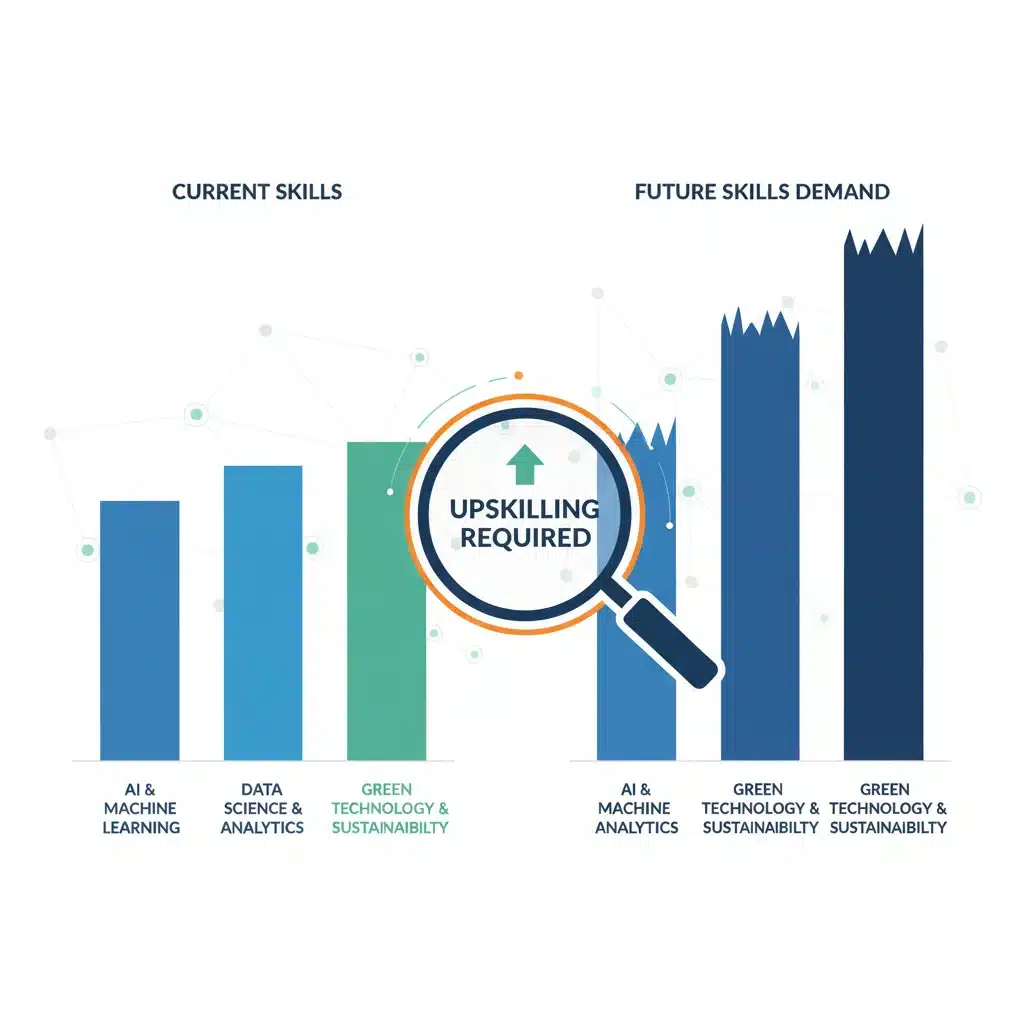
- Assess Your Current Skills & Identify Gaps: Use tools like LinkedIn’s skills assessment or conduct a self-assessment against job descriptions for roles you aspire to.
- Research Future Demand: Read industry reports (e.g., World Economic Forum’s Future of Jobs Report), economic forecasts, and job market analyses to understand which skills will be in high demand by 2026 and beyond.
- Set SMART Goals: Define Specific, Measurable, Achievable, Relevant, and Time-bound learning objectives. For example, ‘Complete the Google Data Analytics Professional Certificate by Q4 2024.’
- Allocate Time & Budget: Treat learning as a non-negotiable part of your work week. Dedicate specific hours and, if necessary, budget for courses, memberships, or conference attendance. Advocate for company support for these investments.
- Regularly Review & Adjust: The learning landscape is fluid. Periodically review your roadmap, assess your progress, and be prepared to pivot your learning focus as new technologies and trends emerge.
By mid-2026, U.S. professionals who have proactively engaged with these career future-proofing resources will be significantly better positioned to adapt to change, seize new opportunities, and maintain a competitive edge in an increasingly complex and dynamic job market. The time to invest in your future is now.