Advanced Digital Networking Strategies for 2026: Expand Your Professional Circle

In an increasingly interconnected world, the landscape of professional interaction is constantly evolving. What worked for networking five years ago might be obsolete today. As we look towards 2026, the emphasis on digital networking strategies becomes not just a recommendation, but a critical imperative for anyone serious about professional growth and career advancement. The goal is no longer just to collect business cards, but to cultivate meaningful, lasting connections that can propel your career forward. This comprehensive guide will equip you with seven actionable digital tactics designed to help you expand your professional circle by a remarkable 50%.
The traditional handshake has been augmented, if not entirely replaced, by virtual introductions, LinkedIn messages, and collaborative online projects. The sheer volume of digital interactions means that simply being present isn’t enough; you need to be strategic, authentic, and value-driven. This article delves into the nuances of modern digital networking, providing insights and practical steps to transform your online presence into a powerful networking tool. We’ll explore how to leverage platforms, create compelling content, and engage with your target audience in ways that foster genuine connections.
The Evolution of Professional Networking: Why Digital Dominates
The shift towards digital platforms for professional networking has been accelerating for years, a trend significantly amplified by recent global events. The convenience, accessibility, and sheer reach of online tools have made them indispensable. In 2026, those who master digital networking strategies will hold a significant advantage. This isn’t just about finding jobs; it’s about building a robust support system, discovering collaboration opportunities, gaining industry insights, and establishing yourself as a thought leader.
Consider the data: a vast majority of professionals now use platforms like LinkedIn extensively for networking, and the rise of niche communities on platforms like Slack, Discord, and even specialized forums indicates a growing desire for focused, high-quality interactions. The challenge, however, lies in cutting through the noise. With so many vying for attention, how do you stand out? The answer lies in a combination of strategic planning, consistent effort, and a genuine desire to connect and offer value.
This article aims to provide a roadmap for navigating this complex digital terrain. We’ll move beyond generic advice and offer specific, actionable steps to enhance your digital footprint and meaningfully expand your professional network. Prepare to transform your approach to professional connections and unlock new opportunities.
Tactic 1: Optimize Your Digital Professional Profiles for Maximum Visibility
Your online professional profiles are your digital business cards, your resumes, and your personal branding statements all rolled into one. For effective digital networking strategies, optimizing these profiles is paramount. This goes beyond merely filling out the fields; it’s about crafting a compelling narrative that showcases your expertise, achievements, and aspirations.
LinkedIn: Your Professional Home Base
LinkedIn remains the undisputed king of professional networking platforms. To optimize your LinkedIn profile:
- Professional Headline: Don’t just list your job title. Use keywords that describe your expertise and the value you bring. For example, instead of “Marketing Manager,” try “Marketing Manager | Driving Digital Growth & Brand Strategy | SaaS Expert.”
- Compelling Summary: This is your elevator pitch. Craft a narrative that highlights your passion, skills, and career goals. Use strong action verbs and quantify your achievements.
- Rich Experience Section: Go beyond job descriptions. Detail your accomplishments, using numbers and specific outcomes. “Increased sales by 20% in Q3” is far more impactful than “Responsible for sales growth.”
- Skills & Endorsements: List relevant skills and actively seek endorsements from colleagues and superiors. The more endorsements you have, especially for key skills, the more credible your profile appears.
- Recommendations: Proactively ask for recommendations from people you’ve worked with. These serve as powerful testimonials to your work ethic and capabilities.
- High-Quality Profile Picture: A professional, friendly headshot is crucial. It’s the first visual impression you make.
- Custom URL: Personalize your LinkedIn URL to make it cleaner and easier to share.
Beyond LinkedIn: Niche Platforms & Personal Websites
While LinkedIn is essential, don’t overlook other platforms relevant to your industry. For example, designers might leverage Behance or Dribbble, developers GitHub, and writers Medium or a personal blog. A personal website can serve as a central hub for all your professional activities, showcasing your portfolio, blog posts, and contact information. Ensuring consistency across all these platforms, both in terms of branding and messaging, is a core component of effective digital networking strategies.
Tactic 2: Proactive Engagement in Online Communities and Forums
Simply having a polished profile isn’t enough; you need to be an active participant in the digital world. Proactive engagement in online communities and forums is a powerful way to expand your network, demonstrate your expertise, and build your reputation. This tactic is about quality over quantity – focus on communities where your target connections are genuinely present and engaged.
Identifying Relevant Communities
Start by identifying where your industry peers, potential mentors, and future collaborators congregate online. This could include:
- LinkedIn Groups: Join active groups related to your industry, specific skills, or professional interests.
- Industry-Specific Forums: Many professions have dedicated online forums or message boards.
- Slack & Discord Channels: Increasingly, professional communities are forming on these platforms, offering real-time interaction.
- Reddit Subreddits: Explore subreddits related to your field. Some are highly professional and offer valuable discussions.
- Facebook Groups: While often more informal, many professional groups thrive on Facebook.
Strategies for Effective Engagement
Once you’ve joined these communities, your engagement must be strategic:
- Listen First: Before jumping in, observe the dynamics, common topics, and tone of the community. Understand the unwritten rules.
- Provide Value: Don’t just promote yourself. Answer questions, offer helpful advice, share relevant resources, and contribute insightful comments. Position yourself as a resource.
- Ask Thought-Provoking Questions: Stimulate discussion and demonstrate your curiosity and critical thinking.
- Be Consistent: Regular, thoughtful contributions are far more effective than sporadic bursts of activity.
- Attribute & Acknowledge: When referencing others’ ideas or work, give credit where it’s due. This shows respect and encourages reciprocal engagement.
- Move Beyond the Screen: When appropriate, suggest taking a conversation offline (e.g., a brief virtual coffee chat) if a connection seems particularly promising.
This consistent, value-driven engagement forms the bedrock of powerful digital networking strategies, allowing you to organically build trust and rapport with a wider audience.
Tactic 3: Strategic Content Creation and Sharing
Content is king, and in the realm of digital networking strategies, it’s your most potent tool for attracting connections and establishing thought leadership. By creating and sharing valuable content, you position yourself as an expert and a valuable resource, making others want to connect with you.
What Kind of Content?
- Thought Leadership Articles: Write articles on industry trends, challenges, or innovative solutions. LinkedIn’s publishing platform is excellent for this, as are personal blogs.
- Curated Content: Share relevant articles, reports, and insights from other reputable sources, adding your own commentary or perspective.
- Video Content: Short videos explaining complex concepts or offering quick tips can be highly engaging on platforms like LinkedIn, YouTube, or even TikTok for certain professional niches.
- Infographics & Visuals: Data-driven visuals are easily digestible and highly shareable, making them excellent for conveying information quickly.
- Case Studies & Success Stories: Showcase your work and its impact. This builds credibility and demonstrates your capabilities.
Where to Share Your Content
- LinkedIn Feed & Articles: Post regularly to your feed and publish longer articles.
- Industry-Specific Platforms: Share on platforms relevant to your niche (e.g., Medium for writers, GitHub for developers).
- Social Media (Twitter, Facebook, Instagram): Adapt your content for different platforms and audiences.
- Email Newsletters: If you have an existing audience, share your content through a newsletter.
- Online Communities: Share your content in relevant groups and forums, but ensure it’s not purely promotional; it must add value to the discussion.
The key is consistency and quality. Don’t just create content for the sake of it; aim to educate, inspire, or provoke thought. This approach to content creation is a cornerstone of effective digital networking strategies, drawing like-minded professionals to your orbit.
Tactic 4: Leveraging Virtual Events and Webinars
Virtual events and webinars have become a staple of professional development and networking. They offer unparalleled access to industry leaders, peers, and potential collaborators, often without the geographical or financial barriers of in-person events. Integrating these into your digital networking strategies is crucial for 2026.

Maximizing Your Virtual Event Experience
- Strategic Selection: Choose events that align directly with your professional goals and target audience. Research speakers and attendees if possible.
- Active Participation: Don’t just passively listen. Use the chat function to ask insightful questions, share relevant resources, and engage with other attendees.
- Follow-Up with Speakers & Attendees: After the event, connect with speakers and interesting attendees on LinkedIn. Reference a specific point from their talk or a comment they made to personalize your connection request.
- Utilize Breakout Rooms: Many virtual events include breakout sessions. These are prime opportunities for more intimate conversations and direct networking. Be prepared to introduce yourself and engage.
- Host Your Own: If you have expertise to share, consider hosting your own webinar or virtual workshop. This positions you as an authority and attracts an engaged audience.
Virtual events are not just about learning; they are dynamic environments for applying your digital networking strategies in real-time, forging new connections that can lead to significant opportunities.
Tactic 5: Mastering the Art of the Digital Introduction and Follow-Up
The digital introduction is your virtual handshake, and the follow-up is how you solidify that first impression. In the absence of physical cues, your written communication must be clear, concise, and compelling. This is a vital skill for effective digital networking strategies.
Crafting Effective Digital Introductions
- Personalize Everything: Generic messages are easily ignored. Always reference something specific – a mutual connection, a piece of content they created, a shared interest, or their work.
- Be Concise: Respect their time. Get straight to the point but do so politely and engagingly.
- State Your Purpose Clearly: Why are you connecting? Are you seeking advice, exploring collaboration, or simply admiring their work?
- Offer Value (If Possible): Can you share a relevant resource, an insight, or a potential opportunity?
- Proofread: Typos undermine credibility. Always double-check your messages.
The Power of the Strategic Follow-Up
Many connections fizzle out after the initial introduction. A strategic follow-up is what transforms a casual connection into a meaningful relationship:
- Timeliness: Follow up within 24-48 hours of an initial interaction (e.g., after an event or a conversation).
- Reference Your Interaction: Remind them of your previous conversation or how you connected.
- Provide Continued Value: Share an article, an idea, or a resource that relates to your previous discussion.
- Suggest a Next Step: This could be a brief virtual coffee, a request for advice, or an invitation to a relevant event. Make it easy for them to say yes.
- Be Patient & Persistent (but not pushy): Networking is a long game. Don’t expect immediate results, but do maintain a gentle, consistent presence.
Mastering these aspects of digital communication is fundamental to successful digital networking strategies, turning fleeting interactions into lasting professional relationships.
Tactic 6: Building a Strong Personal Brand Online
Your personal brand is what people say about you when you’re not in the room – or, in the digital age, when they’re scrolling through their feed. A strong, authentic personal brand is a magnet for opportunities and connections, making it an indispensable part of your digital networking strategies.
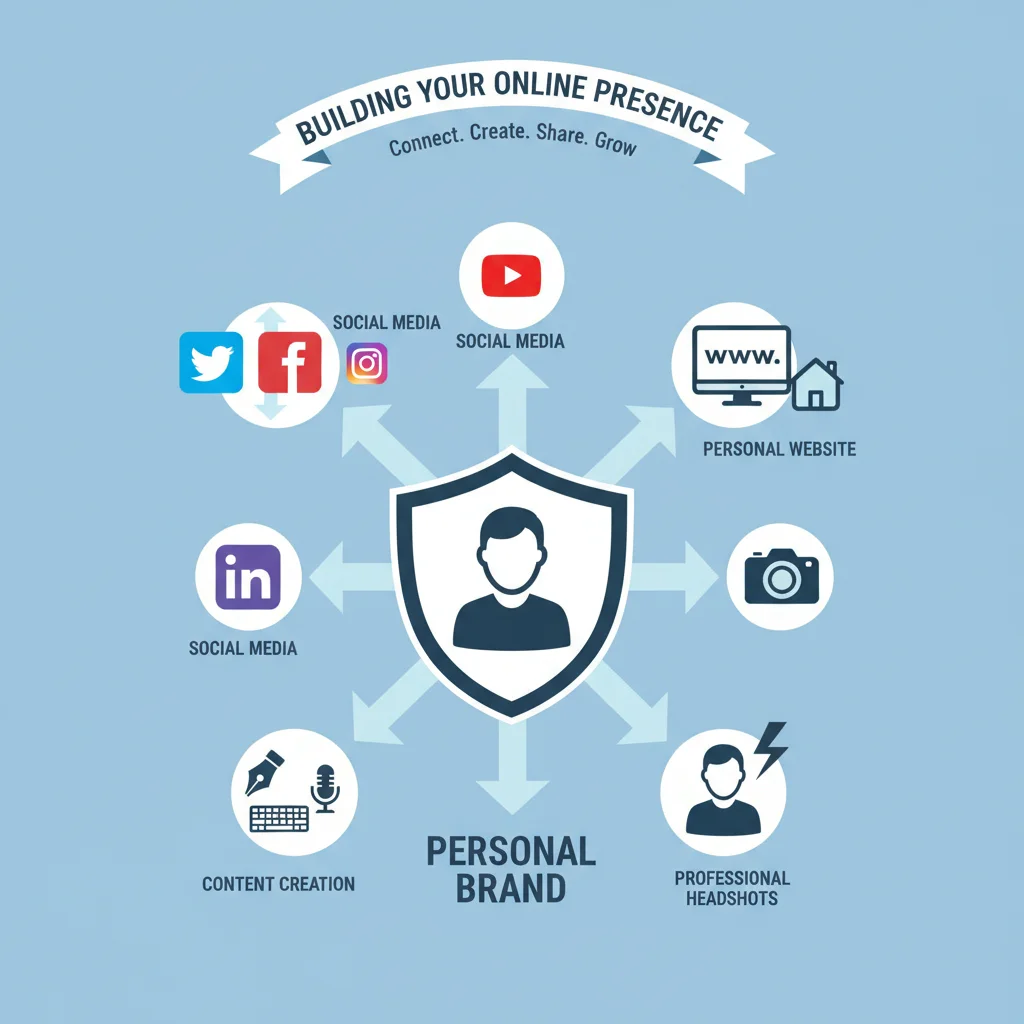
Defining Your Brand
- Identify Your Niche & Expertise: What are you passionate about? What problems do you solve? What unique value do you offer?
- Determine Your Brand Voice & Tone: Are you authoritative, humorous, approachable, innovative? Ensure consistency across all platforms.
- Clarify Your Target Audience: Who do you want to attract with your brand? Tailor your messaging to them.
Executing Your Brand Strategy
- Consistent Messaging: Ensure your profiles, content, and interactions consistently reflect your defined brand.
- Authenticity: Be genuine. People connect with real people, not polished facades. Share your journey, including challenges and learnings.
- Thought Leadership: Regularly share insights, opinions, and analyses on topics within your expertise. This establishes you as a go-to person in your field.
- Engage with Influencers: Comment on their posts, share their content (with attribution), and participate in their discussions. This can elevate your visibility within their network.
- Seek Feedback: Ask trusted colleagues or mentors for their perception of your online brand. Are you projecting the image you intend?
A well-curated personal brand makes you memorable and attractive to potential connections, significantly amplifying the effectiveness of your digital networking strategies.
Tactic 7: Data-Driven Networking and Relationship Management
In 2026, successful digital networking strategies will increasingly rely on data and systematic relationship management. Just as businesses manage their customer relationships, you should manage your professional connections. This isn’t about being robotic; it’s about being organized and intentional.
Tracking Your Network
- CRM for Networking: Consider using a simple CRM tool (like HubSpot’s free CRM, Trello, or even a detailed spreadsheet) to track your connections.
- Key Data Points: For each connection, note down: how you met, key discussion points, their interests, potential areas of collaboration, and follow-up dates.
- Set Reminders: Schedule periodic check-ins or reminders to reach out to key connections.
Analyzing Your Networking Efforts
- Identify Key Connectors: Who in your network has the most influence or connections? Prioritize nurturing these relationships.
- Track Engagement: Which of your posts or interactions generate the most engagement? What topics resonate most with your audience?
- Measure Growth: Regularly assess how your network is growing. Are you reaching your target of expanding your circle by 50%?
- Refine Your Approach: Based on your data, adjust your digital networking strategies. If certain platforms aren’t yielding results, reallocate your time. If a type of content performs well, create more of it.
This data-driven approach ensures your efforts are efficient and effective, turning abstract networking goals into measurable progress. It allows you to be more proactive and less reactive, leading to more meaningful and impactful connections.
Overcoming Digital Networking Challenges
While the benefits of digital networking strategies are clear, there are also challenges. The sheer volume of information, the potential for superficial connections, and the need to maintain authenticity in a digital space can be daunting. Here’s how to navigate these hurdles:
- Information Overload: Be selective about the communities you join and the content you consume. Focus on quality over quantity.
- Maintaining Authenticity: Always be yourself. While it’s important to be professional, don’t shy away from letting your personality shine through. Genuine connections are built on trust.
- Avoiding Superficiality: Move beyond surface-level interactions. Ask open-ended questions, listen actively, and seek to understand others’ perspectives and challenges. Offer help before asking for it.
- Time Management: Dedicate specific blocks of time to networking activities. It’s an investment, not a distraction.
- Dealing with Rejection/Silence: Not every connection request will be accepted, and not every message will receive a reply. Don’t take it personally. Move on and focus your energy where it’s reciprocated.
The ability to overcome these challenges will define your success in implementing effective digital networking strategies and ultimately expanding your professional circle.
The Future of Digital Networking: Beyond 2026
As technology continues to advance, so too will the methods and platforms for professional networking. Artificial intelligence, virtual reality, and augmented reality are already beginning to shape how we interact. Imagine attending a professional conference in a fully immersive VR environment, where you can walk up to people, strike up conversations, and exchange digital business cards that automatically update your CRM.
The core principles, however, will remain constant: building genuine relationships, offering value, and maintaining a consistent, authentic presence. The specific tools may change, but the human desire for connection and collaboration will endure. By mastering the digital networking strategies outlined for 2026, you’ll be well-positioned to adapt to future innovations and continue to thrive in an ever-evolving professional landscape.
Conclusion: Your Roadmap to a 50% Larger Professional Circle
Expanding your professional circle by 50% by 2026 is an ambitious yet entirely achievable goal through the strategic application of digital networking strategies. This article has provided a comprehensive roadmap, covering everything from optimizing your online profiles and engaging in communities to creating compelling content and managing your relationships effectively.
Remember, networking is not a one-time event; it’s an ongoing process of cultivation and contribution. By consistently applying these tactics, being authentic, and genuinely seeking to provide value to others, you will not only expand your network but also enrich your professional life in countless ways. The digital realm offers unprecedented opportunities for connection – seize them, and watch your professional world transform.
Start today. Choose one or two tactics from this guide and commit to implementing them consistently. The future of your professional growth is in your hands, and with these advanced digital networking strategies, 2026 is set to be a year of unparalleled connection and opportunity.