Automation’s Impact: What the Next 12 Months Mean for U.S. Workforce Demands
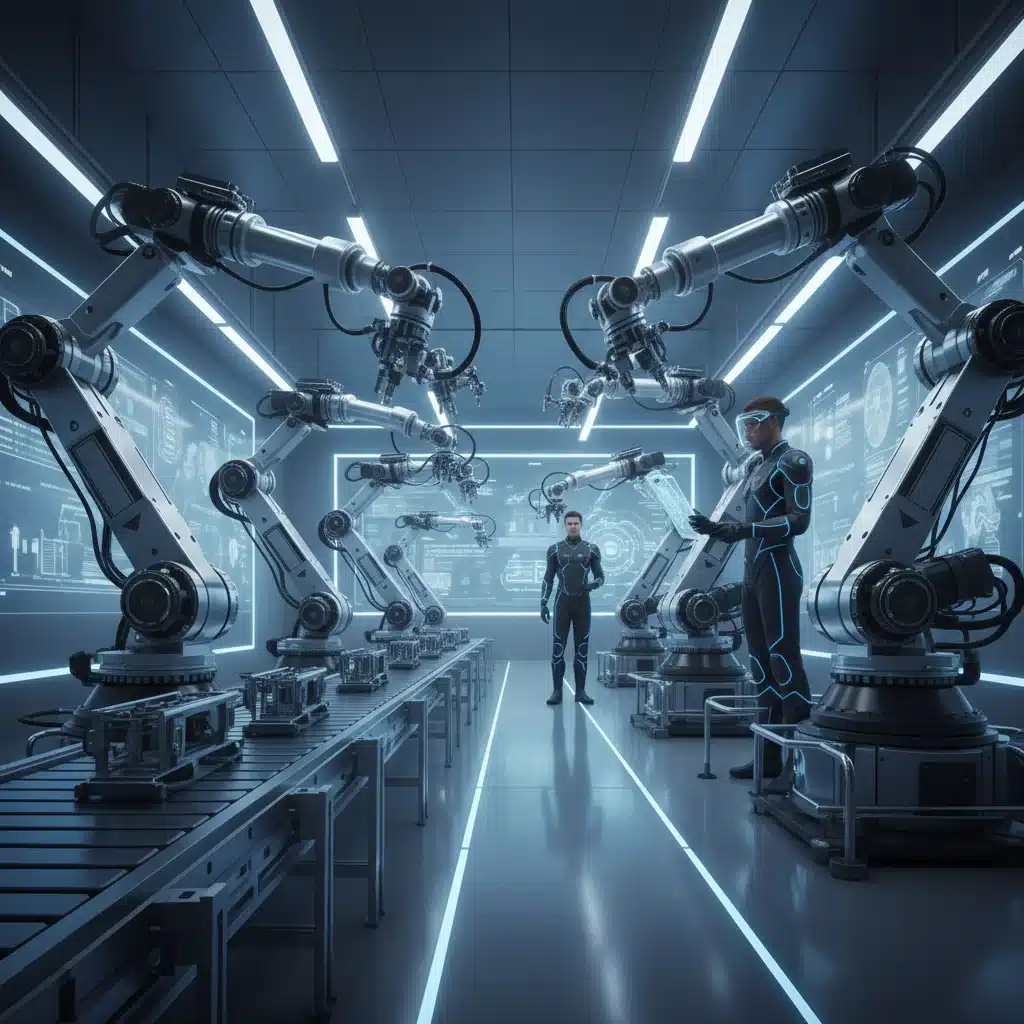
Automation’s Impact: What the Next 12 Months Mean for U.S. Workforce Demands
The landscape of the U.S. workforce is in a perpetual state of flux, driven by an array of technological advancements, economic shifts, and evolving societal expectations. Among these transformative forces, automation stands out as perhaps the most potent catalyst for change. As we look ahead to the next 12 months, understanding the profound automation workforce impact is not merely an academic exercise; it is a strategic imperative for businesses, policymakers, and individual workers alike. The pace of technological adoption, particularly in artificial intelligence (AI), robotics, and process automation, is accelerating at an unprecedented rate, promising both unprecedented opportunities and significant challenges for the American labor market.
For decades, automation has been a steady undercurrent, gradually reshaping industries from manufacturing to finance. However, the current era is characterized by an exponential leap in capabilities, especially with the maturation of machine learning and generative AI. This isn’t just about replacing repetitive tasks; it’s about augmenting human capabilities, creating entirely new job categories, and demanding a fundamental rethinking of skill sets and educational pathways. The next year will be a critical period, acting as a bellwether for the long-term trajectory of the U.S. workforce in an increasingly automated world.
This article will delve into the multifaceted automation workforce impact over the coming 12 months. We will explore the key trends driving this transformation, identify the sectors most likely to experience significant disruption, and discuss the emerging job roles and skill demands. Furthermore, we will examine the challenges and opportunities for businesses in adapting to this new reality, and critically, what individuals can do to thrive in an automated economy. The goal is to provide a comprehensive and forward-looking perspective, equipping readers with the knowledge needed to navigate this dynamic period effectively.
Understanding the Current State of Automation Adoption
Before projecting forward, it’s crucial to acknowledge the current state of automation adoption across the U.S. economy. While headlines often focus on cutting-edge AI, the reality is that many businesses are still in the early to mid-stages of integrating even basic process automation. However, the competitive pressures and the desire for increased efficiency and resilience are pushing more companies towards rapid deployment. Industries such as manufacturing, logistics, customer service, and data processing have been early adopters, leveraging robotics, automated guided vehicles (AGVs), and Robotic Process Automation (RPA) to streamline operations and reduce operational costs.
The COVID-19 pandemic, surprisingly, acted as a significant accelerator for automation. Businesses facing labor shortages, supply chain disruptions, and the need for remote work solutions turned to automation to maintain continuity and productivity. This reactive adoption has now transitioned into a more strategic approach, with many organizations recognizing the long-term benefits of an automated infrastructure. This heightened awareness and investment will undoubtedly intensify the automation workforce impact in the coming year.
Moreover, the accessibility of automation technologies is increasing. Cloud-based AI services, low-code/no-code automation platforms, and more affordable robotics are democratizing access, allowing even small and medium-sized enterprises (SMEs) to explore and implement automation solutions. This widespread adoption means that the effects will not be confined to large corporations but will permeate various strata of the U.S. economy, affecting a broader spectrum of jobs and workers.
Key Trends Shaping the U.S. Workforce in the Next 12 Months
Several pivotal trends will define the automation workforce impact over the next year:
1. Accelerated AI Integration and Generative AI’s Rise
The rapid advancements and commercialization of generative AI models (like large language models and image generators) are perhaps the most significant game-changer. These technologies are moving beyond simple task automation to automating creative, analytical, and communication tasks previously thought to be exclusively human domains. In the next 12 months, we will see wider integration of generative AI in content creation, software development, customer support, data analysis, and even strategic planning. This will necessitate a shift in human roles from execution to oversight, prompt engineering, and critical evaluation of AI outputs.
2. Hybrid Work Models and Automation
The prevalence of hybrid and remote work models will continue to influence automation strategies. Companies are increasingly using automation to bridge geographical gaps, ensure consistent service delivery regardless of location, and optimize workflows for distributed teams. This includes automated scheduling, project management tools with AI assistance, and intelligent virtual assistants to support remote employees, further shaping the nature of office-based and knowledge work.
3. Focus on Augmentation, Not Just Replacement
While job displacement is a legitimate concern, the trend in the coming year will lean heavily towards human-AI collaboration and augmentation. Automation will increasingly be used to offload repetitive, mundane, or data-intensive tasks, freeing up human workers to focus on higher-value activities requiring creativity, critical thinking, emotional intelligence, and complex problem-solving. This shift will redefine productivity and demand a new type of human-machine synergy.
4. The Reskilling and Upskilling Imperative
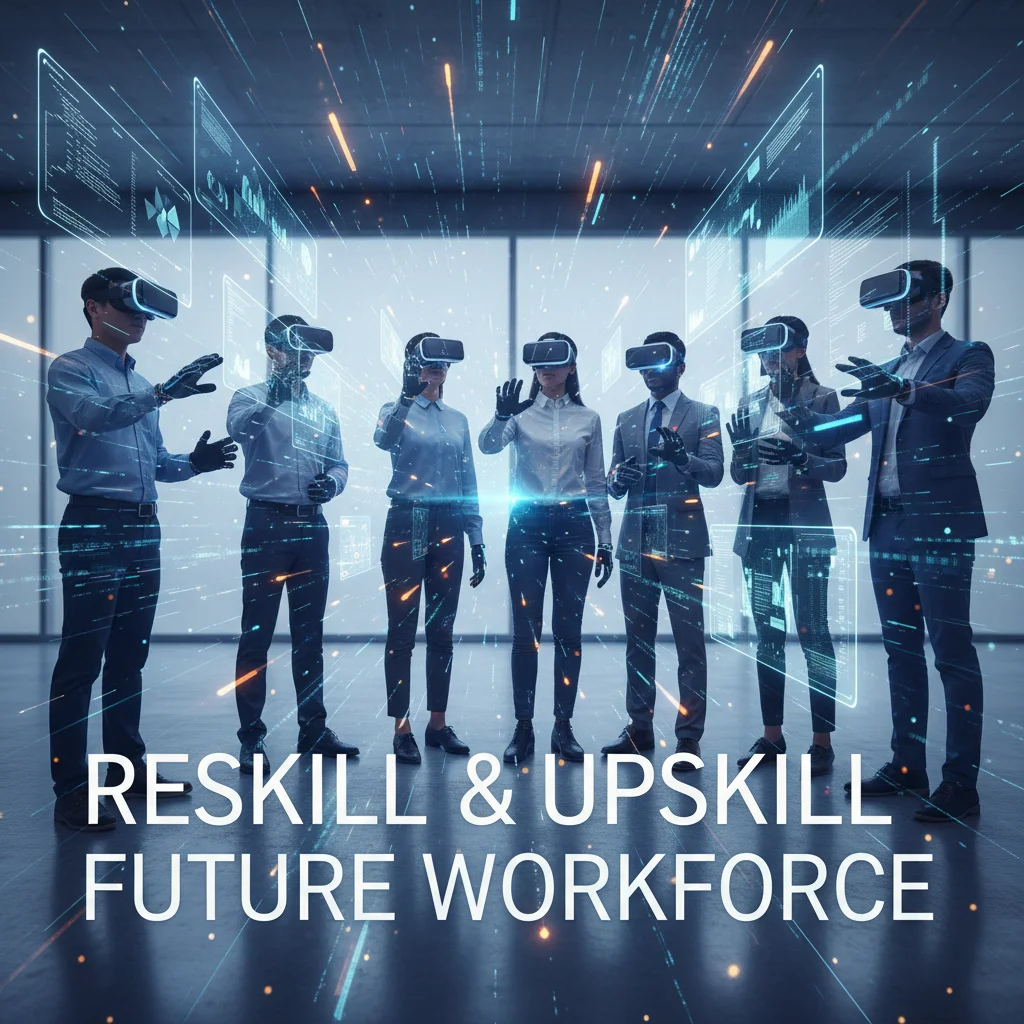
The pace of technological change means that existing skill sets will quickly become obsolete, while new ones will emerge as critical. The next 12 months will see an intensified focus on reskilling and upskilling initiatives by both employers and governments. This isn’t just about learning new software; it’s about developing ‘future-proof’ skills such as digital literacy, data fluency, critical thinking, adaptability, and socio-emotional intelligence. Organizations that invest heavily in their workforce’s continuous learning will be best positioned to capitalize on automation’s benefits.
5. Ethical AI and Responsible Automation
As automation becomes more pervasive, ethical considerations surrounding bias in AI, data privacy, and the societal impact of job displacement will move to the forefront. Businesses will face increasing pressure to implement AI responsibly, ensuring fairness, transparency, and accountability. This will lead to the emergence of new roles focused on AI ethics, governance, and compliance, adding another layer to the automation workforce impact.
Sectors Most Affected by Automation in the Next 12 Months
While automation will touch every sector, some will experience a more pronounced automation workforce impact in the coming year:
- Manufacturing and Logistics: Already highly automated, these sectors will see continued investment in advanced robotics, autonomous vehicles, and AI-driven supply chain optimization. This will further reduce the need for manual labor in repetitive tasks but increase demand for roles in robotics maintenance, data analytics, and automation engineering.
- Customer Service: AI-powered chatbots and virtual assistants will become even more sophisticated, handling a larger volume of routine inquiries and support tasks. Human agents will transition to managing complex issues, providing personalized service, and overseeing AI performance, requiring enhanced problem-solving and interpersonal skills.
- Finance and Accounting: RPA will continue to automate data entry, reconciliation, and compliance tasks. AI will increasingly assist in fraud detection, risk assessment, and personalized financial advice. This frees up financial professionals for strategic analysis, client relationship management, and innovative product development.
- Healthcare: Automation will streamline administrative tasks, patient scheduling, and medical record management. AI will play a growing role in diagnostics, drug discovery, and personalized treatment plans. This will create demand for medical professionals skilled in using AI tools and data interpretation, alongside their clinical expertise.
- Retail: Automated checkout systems, inventory management robots, and AI-driven personalized marketing will become more common. This will shift retail jobs towards customer experience specialists, technology support, and merchandising roles that leverage data insights.
- Creative Industries (Content Creation, Marketing): Generative AI will significantly impact these sectors, automating aspects of copywriting, graphic design, and video editing. However, it will also empower human creatives, allowing them to produce more content faster and experiment with new ideas, emphasizing roles that focus on strategy, originality, and ethical AI use.
Emerging Job Roles and Shifting Skill Demands
The automation workforce impact is not solely about job displacement; it’s equally about job creation and transformation. The next 12 months will solidify the demand for several emerging roles and critical skill sets:
New Job Roles:
- AI Ethicists/Governance Specialists: Professionals who ensure AI systems are developed and used responsibly, fairly, and in compliance with regulations.
- Automation Engineers/Developers: Experts in designing, implementing, and maintaining automation solutions, from robotics to RPA and AI integration.
- Data Scientists/Analysts: With more data generated by automated systems, the need for individuals who can extract insights, build predictive models, and inform strategic decisions will soar.
- Prompt Engineers: Specialists in crafting effective prompts for generative AI models to achieve desired outputs, a skill becoming crucial in creative and knowledge work.
- Human-AI Collaboration Managers: Roles focused on optimizing the interaction between human workers and AI systems to maximize productivity and efficiency.
- Digital Transformation Consultants: Experts guiding businesses through the process of adopting new technologies and reorganizing their operations.
- Robotics Technicians/Maintenance Specialists: As robots become more prevalent, the need for skilled individuals to install, repair, and maintain them will grow.
Critical Skill Demands:
- Digital Literacy and Data Fluency: A foundational understanding of digital tools, data interpretation, and basic AI concepts will be essential for almost all roles.
- Critical Thinking and Problem-Solving: As automation handles routine tasks, humans will be needed for complex, ambiguous challenges that require nuanced judgment.
- Creativity and Innovation: The ability to generate new ideas, think outside the box, and leverage AI as a creative partner will be highly valued.
- Emotional Intelligence and Interpersonal Skills: Skills like empathy, collaboration, negotiation, and communication become even more important in roles focused on human interaction and team dynamics.
- Adaptability and Lifelong Learning: The rapid pace of change necessitates a growth mindset and a commitment to continuous learning and skill acquisition.
- Systems Thinking: The ability to understand how different components of a system (human, machine, process) interact and how changes in one area affect others.
- Tech-Savvy Domain Expertise: Combining deep industry knowledge with an understanding of how technology can be applied to solve specific domain challenges.
Challenges and Opportunities for Businesses
The next 12 months present both significant challenges and unparalleled opportunities for businesses navigating the automation workforce impact.
Challenges:
- Talent Gap: A widening gap between the skills workers possess and the skills businesses need to leverage automation effectively.
- Resistance to Change: Employees may resist automation due to fear of job loss or a lack of understanding, requiring careful change management strategies.
- Initial Investment Costs: Implementing sophisticated automation technologies can require substantial upfront investment, which might be a barrier for some SMEs.
- Ethical and Regulatory Compliance: Navigating the complex ethical landscape of AI and complying with emerging regulations around data privacy and AI use will be crucial.
- Integration Complexity: Integrating new automation systems with existing legacy infrastructure can be complex and time-consuming.
- Job Displacement Concerns: Managing the social and economic implications of job displacement, and ensuring a just transition for affected workers.
Opportunities:
- Increased Productivity and Efficiency: Automation can significantly boost output, reduce errors, and streamline operations, leading to higher profitability.
- Enhanced Innovation: By automating routine tasks, employees can dedicate more time to creative problem-solving, research, and development.
- Improved Customer Experience: Automation can enable faster, more consistent, and personalized customer service, leading to greater satisfaction.
- Cost Reduction: Long-term operational costs can be significantly reduced through automation, leading to competitive advantages.
- Access to New Markets and Services: Automation can enable businesses to offer new products and services that were previously unfeasible.
- Better Employee Experience: Automating mundane tasks can free employees from repetitive work, allowing them to focus on more engaging and meaningful contributions, potentially increasing job satisfaction and retention.

Strategies for Individuals to Thrive in an Automated Future
For individual workers, the automation workforce impact means a proactive approach to career development is more critical than ever. Here are key strategies for the next 12 months and beyond:
- Embrace Lifelong Learning: Continuously seek opportunities to learn new skills, especially those related to digital technologies, data, and AI. Online courses, certifications, and workshops are invaluable resources.
- Focus on ‘Human’ Skills: Cultivate and enhance skills that automation cannot easily replicate, such as creativity, critical thinking, emotional intelligence, complex problem-solving, and interpersonal communication.
- Become Tech-Fluent: Understand how automation and AI work, even if you’re not a developer. Learn to use AI tools as an assistant and integrate them into your workflow to boost your productivity.
- Network and Collaborate: Build strong professional networks. Collaboration and teamwork will become even more crucial in hybrid human-AI work environments.
- Develop Adaptability and Resilience: The ability to adapt to new technologies, roles, and work environments will be a key differentiator. Embrace change as an opportunity for growth.
- Seek Hybrid Roles: Look for opportunities that combine your core expertise with new technological skills, positioning yourself as a bridge between traditional and automated processes.
- Understand Your Value Proposition: Clearly articulate how your unique human skills and technological literacy contribute value that automation alone cannot provide.
The Role of Government and Education
Successfully navigating the automation workforce impact requires a concerted effort from governments and educational institutions. In the next 12 months, we can expect to see increased discussions and potentially concrete actions in these areas:
- Investment in Public Education and Retraining Programs: Governments will need to fund and support initiatives that provide accessible and affordable training for in-demand skills, particularly for displaced workers or those in vulnerable sectors.
- Policy Development for a Just Transition: Policies addressing income inequality, social safety nets, and support for workers transitioning between industries will be crucial to mitigate the negative social impacts of automation.
- Curriculum Reform: Educational institutions, from K-12 to higher education, must rapidly adapt their curricula to emphasize critical thinking, digital literacy, STEM fields, and socio-emotional skills, preparing the next generation for an automated world.
- Public-Private Partnerships: Collaboration between government, industry, and academia will be essential to identify future skill needs and develop effective training solutions.
Conclusion: A Transformative Year Ahead
The next 12 months will undoubtedly be a period of significant transformation for the U.S. workforce, largely defined by the accelerating automation workforce impact. This isn’t a future scenario; it’s our present reality. While some jobs will be displaced, many more will be redefined, and entirely new roles will emerge. The key to thriving in this evolving landscape lies in proactive adaptation, continuous learning, and a strategic embrace of human-AI collaboration.
For businesses, the imperative is to invest in both technology and, critically, in their people. Reskilling and upskilling initiatives are no longer optional but fundamental to maintaining a competitive edge and fostering a resilient workforce. For individuals, a mindset of lifelong learning and a focus on uniquely human skills will be paramount. The coming year will test our adaptability, but it also offers an unprecedented opportunity to redefine work, enhance productivity, and unlock new avenues for innovation and growth. By understanding and strategically responding to the automation workforce impact, the U.S. can pave the way for a more prosperous and adaptable future of work.