2026 Digital Skills Outlook: Boosting US Workforce Resilience

The 2026 Outlook: Critical Digital Skills Growth Resources for US Workforce Resilience.
The landscape of work is continually reshaped by technological advancements, and the pace of this transformation shows no signs of slowing. As we gaze towards 2026, the imperative for a digitally proficient workforce in the United States becomes starker than ever. The ability of the US workforce to adapt, innovate, and thrive hinges on its collective mastery of critical digital skills. This isn’t merely about using computers; it’s about a deep understanding of data, cybersecurity, artificial intelligence, cloud computing, and a myriad of other technologies that are becoming foundational to every industry. Enhancing digital skills resilience is not just a buzzword; it’s a strategic necessity for individual career growth and national economic stability.
The COVID-19 pandemic accelerated digital transformation across sectors, forcing businesses and individuals to embrace new technologies at an unprecedented rate. This shift illuminated existing skill gaps and underscored the urgent need for continuous learning and upskilling. As we move closer to 2026, these gaps are projected to widen further if proactive measures aren’t taken. The demand for professionals with specialized digital competencies far outstrips the current supply, creating a competitive environment where those with advanced digital skills resilience will undoubtedly have an advantage.
This comprehensive guide delves into the critical digital skills that will define the US workforce in 2026, explores the challenges and opportunities associated with this transition, and, most importantly, provides a wealth of resources designed to cultivate and enhance digital skills resilience across all demographics. From foundational literacy to advanced specializations, we will cover the spectrum of what it takes to future-proof careers and bolster the nation’s economic competitiveness.
Understanding the Evolving Digital Landscape by 2026
By 2026, the digital landscape will be characterized by pervasive connectivity, advanced automation, and data-driven decision-making. Technologies that are emerging today will be mainstream, fundamentally altering job roles and creating entirely new ones. The shift isn’t just about adopting new tools; it’s about a paradigm change in how work is conceived, executed, and managed. Businesses will increasingly rely on sophisticated digital ecosystems, demanding a workforce capable of navigating and contributing to these complex environments. This necessitates a proactive approach to developing digital skills resilience, ensuring individuals and organizations can adapt quickly to new technological waves.
Key Technological Drivers Shaping the Future Workforce
- Artificial Intelligence (AI) and Machine Learning (ML): AI and ML are no longer confined to research labs; they are integrating into everyday business operations, from customer service chatbots to predictive analytics. Understanding AI/ML principles, ethical implications, and practical applications will be crucial.
- Cloud Computing: The migration of data and applications to the cloud continues unabated. Proficiency in cloud platforms (AWS, Azure, Google Cloud) and understanding cloud architecture, security, and management will be in high demand.
- Cybersecurity: As more data moves online, the threat of cyberattacks escalates. Cybersecurity expertise, encompassing threat detection, prevention, and incident response, is paramount for protecting sensitive information and maintaining trust.
- Data Science and Analytics: The sheer volume of data generated daily requires professionals who can extract meaningful insights. Skills in data collection, cleaning, analysis, visualization, and interpretation will be invaluable for strategic decision-making.
- Automation and Robotics: Robotic Process Automation (RPA) and other automation technologies are streamlining repetitive tasks, freeing up human workers for more complex, creative, and strategic roles. Understanding how to design, implement, and manage automation solutions will be key.
- Extended Reality (XR – VR/AR/MR): Virtual, Augmented, and Mixed Reality technologies are finding applications beyond entertainment, in areas like training, design, and remote collaboration. Familiarity with XR development and application will be a niche but growing area.
- Blockchain Technology: While often associated with cryptocurrencies, blockchain’s decentralized ledger technology has broader applications in supply chain management, digital identity, and secure transactions. Basic understanding of blockchain principles will become more relevant.
These drivers collectively underscore the urgency for a workforce with robust digital skills resilience. The ability to not only learn these new technologies but also to apply them creatively and ethically will distinguish successful individuals and organizations.
Critical Digital Skills for US Workforce Resilience in 2026
To build a truly resilient workforce, the focus must extend beyond mere technical proficiency. It encompasses a blend of hard and soft skills that enable individuals to navigate the complexities of a digital-first world. Here, we delineate the critical digital skills that will be indispensable by 2026, categorized for clarity.
Foundational Digital Literacy
Even as advanced technologies emerge, a strong foundation in basic digital literacy remains crucial. This includes:
- Digital Communication and Collaboration: Proficiency with email, video conferencing, project management tools, and collaborative platforms (e.g., Slack, Microsoft Teams, Google Workspace).
- Information Literacy: The ability to effectively search for, evaluate, and utilize digital information, discerning credible sources from misinformation.
- Digital Etiquette and Citizenship: Understanding responsible online behavior, privacy settings, and ethical considerations in digital interactions.
- Basic Software Proficiency: Competence in using office productivity suites (e.g., Microsoft Office, Google Docs) and understanding file management.
These foundational skills are the bedrock upon which more specialized competencies are built, fostering overall digital skills resilience.
Advanced Technical Skills
These are the specialized skills directly related to the technological drivers mentioned earlier:
- Data Analysis and Interpretation: Beyond basic spreadsheet functions, this involves using statistical software, programming languages (Python, R), and data visualization tools to extract insights from large datasets.
- Cybersecurity Fundamentals: Understanding common cyber threats, best practices for data protection, secure network usage, and recognizing phishing attempts. For specialized roles, deep expertise in incident response, penetration testing, and security architecture.
- Cloud Platform Management: Administering cloud resources, deploying applications, managing virtual machines, and understanding cloud security models.
- AI/ML Literacy and Application: Basic understanding of AI concepts, how AI models are trained, and ethical considerations. For developers, skills in machine learning frameworks (TensorFlow, PyTorch) and model deployment.
- Programming and Coding: Proficiency in relevant programming languages (Python, JavaScript, Java, C++) depending on the industry and role. This includes understanding algorithms, data structures, and software development methodologies.
- Digital Marketing and E-commerce: For business-focused roles, understanding SEO, SEM, social media marketing, content creation, and e-commerce platform management.
Human-Centric Digital Skills (Soft Skills in a Digital Context)
Technical skills alone are insufficient. The most resilient workers will combine technical prowess with crucial human-centric skills:
- Critical Thinking and Problem-Solving: Analyzing complex digital issues, identifying root causes, and developing innovative solutions.
- Adaptability and Continuous Learning: The willingness and ability to rapidly acquire new skills and adjust to technological changes. This is perhaps the most crucial aspect of digital skills resilience.
- Creativity and Innovation: Leveraging digital tools to generate new ideas, design novel solutions, and improve existing processes.
- Collaboration and Teamwork in Virtual Environments: Effectively working with diverse teams remotely, utilizing digital collaboration tools, and fostering a sense of community across geographical boundaries.
- Digital Ethics and Responsibility: Understanding the societal impact of technology, addressing biases in AI, and ensuring responsible data usage.
The synergy between these hard and soft skills is what truly defines a workforce with strong digital skills resilience, capable of navigating the dynamic demands of 2026 and beyond.

Resources for Digital Skills Growth and Upskilling
The good news is that a plethora of resources exist to help individuals and organizations develop and enhance digital skills resilience. These resources cater to various learning styles, budgets, and skill levels, making continuous learning accessible to all.
Online Learning Platforms and MOOCs
These platforms offer structured courses, specializations, and even degrees from leading universities and industry experts:
- Coursera: Offers courses, specializations, and professional certificates in a wide range of digital skills, often in partnership with universities and companies like Google and IBM.
- edX: Similar to Coursera, edX provides university-level courses and programs across various disciplines, including data science, AI, and cybersecurity.
- Udemy: Features a vast library of courses taught by independent instructors, covering practical skills in programming, web development, digital marketing, and more.
- LinkedIn Learning: Provides video courses taught by industry experts, focusing on business, technology, and creative skills. Many public libraries offer free access.
- Pluralsight: Specializes in technology skills development, offering curated learning paths for software development, IT operations, data professionals, and cybersecurity.
Government and Non-Profit Initiatives
Various government agencies and non-profit organizations are investing in workforce development programs to boost digital skills resilience:
- Department of Labor (DOL): Offers grants and programs focused on workforce training, including initiatives for digital literacy and technical skills.
- National Telecommunications and Information Administration (NTIA): Funds programs aimed at expanding broadband access and digital inclusion, often coupled with digital literacy training.
- Community Colleges: Often provide affordable courses and certification programs in IT, coding, and other digital competencies, tailored to local workforce needs.
- Non-profit Bootcamps (e.g., General Assembly, Per Scholas, Year Up): Offer intensive, short-term training programs designed to quickly equip individuals with in-demand digital skills for specific roles. Many have scholarships or income-share agreements.
- Public Libraries: Increasingly offer free computer classes, internet access, and resources for digital literacy.
Corporate Training and Internal Programs
Many forward-thinking companies are investing in their employees’ digital skills resilience through:
- Internal Training Academies: Large corporations often have dedicated academies to upskill their workforce in new technologies relevant to their business.
- Tuition Reimbursement Programs: Companies often offer to pay for external courses, certifications, or degrees that enhance employees’ digital competencies.
- Mentorship and Apprenticeships: Pairing experienced employees with those looking to develop new digital skills can be a highly effective learning method.
Industry Certifications
Certifications validate specific digital skills and are highly valued by employers:
- CompTIA: Offers foundational to advanced certifications in IT, networking, and cybersecurity.
- Microsoft Certified: Certifications for various Microsoft technologies, including Azure cloud, Microsoft 365, and data platforms.
- AWS Certifications: Validates expertise in Amazon Web Services cloud computing.
- Google Cloud Certifications: Recognizes proficiency in Google Cloud Platform services.
- (ISC)²: Offers globally recognized cybersecurity certifications like CISSP.
- Project Management Institute (PMI): While not strictly digital, certifications like PMP are crucial for managing digital projects effectively.
Pursuing relevant certifications is a tangible way to demonstrate and enhance digital skills resilience, boosting career prospects and employer confidence.
Strategies for Fostering Digital Skills Resilience in the US Workforce
Developing digital skills resilience isn’t just about providing resources; it requires a concerted, multi-faceted strategy involving individuals, educators, businesses, and government.
For Individuals: Embrace a Lifelong Learning Mindset
- Identify Skill Gaps: Regularly assess your current skills against industry demands and identify areas for growth.
- Set Learning Goals: Define specific, measurable, achievable, relevant, and time-bound (SMART) goals for acquiring new digital skills.
- Allocate Time for Learning: Integrate learning into your daily or weekly routine, even if it’s just 30 minutes a day.
- Network and Collaborate: Engage with online communities, attend webinars, and collaborate on projects to reinforce learning and stay updated.
- Seek Feedback: Actively solicit feedback on your digital projects and applications to identify areas for improvement.
For Businesses: Invest in Your Human Capital
- Conduct Regular Skills Audits: Understand the current digital capabilities of your workforce and anticipate future needs.
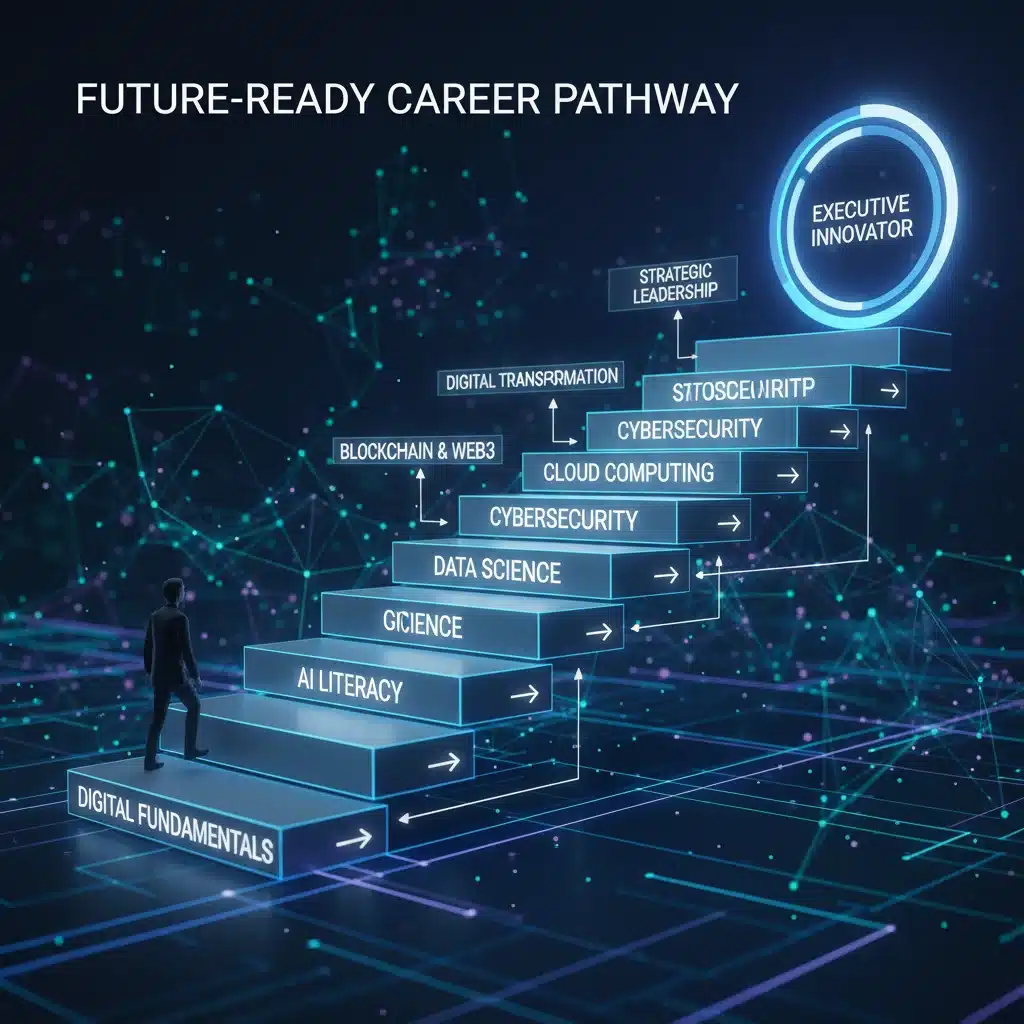
- Create Learning Pathways: Develop structured programs that guide employees through the acquisition of new digital skills, aligning with career progression.
- Foster a Culture of Learning: Encourage experimentation, provide time and resources for training, and recognize employees who enhance their digital skills resilience.
- Leverage Technology: Utilize AI-powered learning platforms and adaptive learning tools to personalize training experiences.
- Collaborate with Educational Institutions: Partner with universities and community colleges to develop custom training programs or recruit digitally skilled talent.
For Educators and Institutions: Modernize Curricula
- Integrate Digital Skills Across Disciplines: Digital literacy and specialized digital skills should not be confined to computer science departments but woven into all curricula.
- Emphasize Project-Based Learning: Provide opportunities for students to apply digital skills to real-world problems, fostering critical thinking and problem-solving.
- Stay Current with Industry Trends: Regularly update course content to reflect the latest technological advancements and employer demands.
- Promote Digital Ethics: Educate students on the responsible and ethical use of technology, including data privacy and AI bias.
- Offer Micro-credentials and Bootcamps: Provide flexible, short-term programs that address specific skill gaps and lead to industry-recognized credentials.
For Government: Create an Enabling Environment
- Invest in Broadband Infrastructure: Ensure equitable access to high-speed internet across all regions, a fundamental requirement for digital learning.
- Fund Workforce Development Programs: Support initiatives that provide training, reskilling, and upskilling opportunities for the workforce.
- Incentivize Business Investment: Offer tax credits or grants to companies that invest in employee digital skills training.
- Standardize Digital Skill Frameworks: Develop clear frameworks that define essential digital competencies, helping individuals and employers benchmark skills.
- Promote Public-Private Partnerships: Facilitate collaboration between government, industry, and education to address skill gaps collectively.
By implementing these strategies, the US can significantly enhance its digital skills resilience, ensuring a competitive and adaptable workforce for 2026 and beyond.
The Economic and Social Impact of Digital Skills Resilience
The cultivation of robust digital skills resilience within the US workforce carries profound economic and social implications. Economically, a digitally proficient workforce drives innovation, increases productivity, and enhances global competitiveness. Businesses with digitally skilled employees are more agile, better equipped to respond to market changes, and more likely to develop disruptive technologies that create new industries and job opportunities. Conversely, a lack of digital skills can lead to economic stagnation, job displacement, and a widening wealth gap.
Socially, digital skills resilience contributes to greater inclusion and equity. As more services and opportunities migrate online, individuals without adequate digital skills risk being marginalized. Bridging the digital divide ensures that all citizens can participate fully in the digital economy and society, accessing education, healthcare, government services, and employment opportunities. It empowers individuals to take control of their careers, adapt to technological shifts, and contribute meaningfully to their communities.
Furthermore, a digitally resilient workforce is better prepared to address national challenges, from cybersecurity threats to public health crises that require rapid digital solutions. It fosters a culture of continuous learning and adaptability, which is essential for navigating an increasingly complex and interconnected world. The investment in digital skills resilience today is an investment in a prosperous, equitable, and secure future for the United States.
Challenges and Overcoming Them
Despite the clear benefits, developing widespread digital skills resilience faces several challenges:
- Rapid Pace of Technological Change: Skills can become obsolete quickly, requiring constant updating of training programs.
- Funding and Accessibility: High-quality training can be expensive, and access to resources varies by geographic location and socioeconomic status.
- Motivation and Engagement: Convincing individuals and businesses of the urgency and value of upskilling can be difficult.
- Digital Divide: Disparities in internet access and device ownership create barriers to digital learning for some populations.
- Lack of Standardized Assessment: It can be challenging to consistently measure and certify digital competencies across different platforms and providers.
Overcoming these challenges requires collaborative efforts. Governments can subsidize training and infrastructure. Businesses can create incentives and dedicated learning time. Educational institutions can offer flexible, modular programs. Individuals must cultivate a growth mindset. By working together, we can ensure that the journey towards enhanced digital skills resilience is inclusive and effective for all.
Conclusion: A Resilient Future Through Digital Proficiency
The 2026 outlook for the US workforce is one of profound digital transformation. The demand for critical digital skills will continue its upward trajectory, making digital skills resilience not just a desirable trait but a fundamental requirement for success. From foundational digital literacy to advanced specializations in AI, cloud computing, and cybersecurity, the breadth of necessary competencies is vast and ever-expanding.
The resources and strategies outlined in this guide provide a roadmap for individuals, businesses, educators, and government agencies to collectively build a workforce capable of navigating this complex future. By embracing a culture of continuous learning, investing in robust training programs, and fostering an environment that values digital proficiency, the United States can ensure its workforce remains competitive, innovative, and resilient in the face of technological change. The time to act is now, to secure a prosperous and adaptable future for all. Enhancing digital skills resilience is not merely about keeping pace; it’s about leading the way into the next era of digital innovation.