Decoding Gen Z’s Influence: 4 Market Trends Driving Innovation in US Retail by 2026
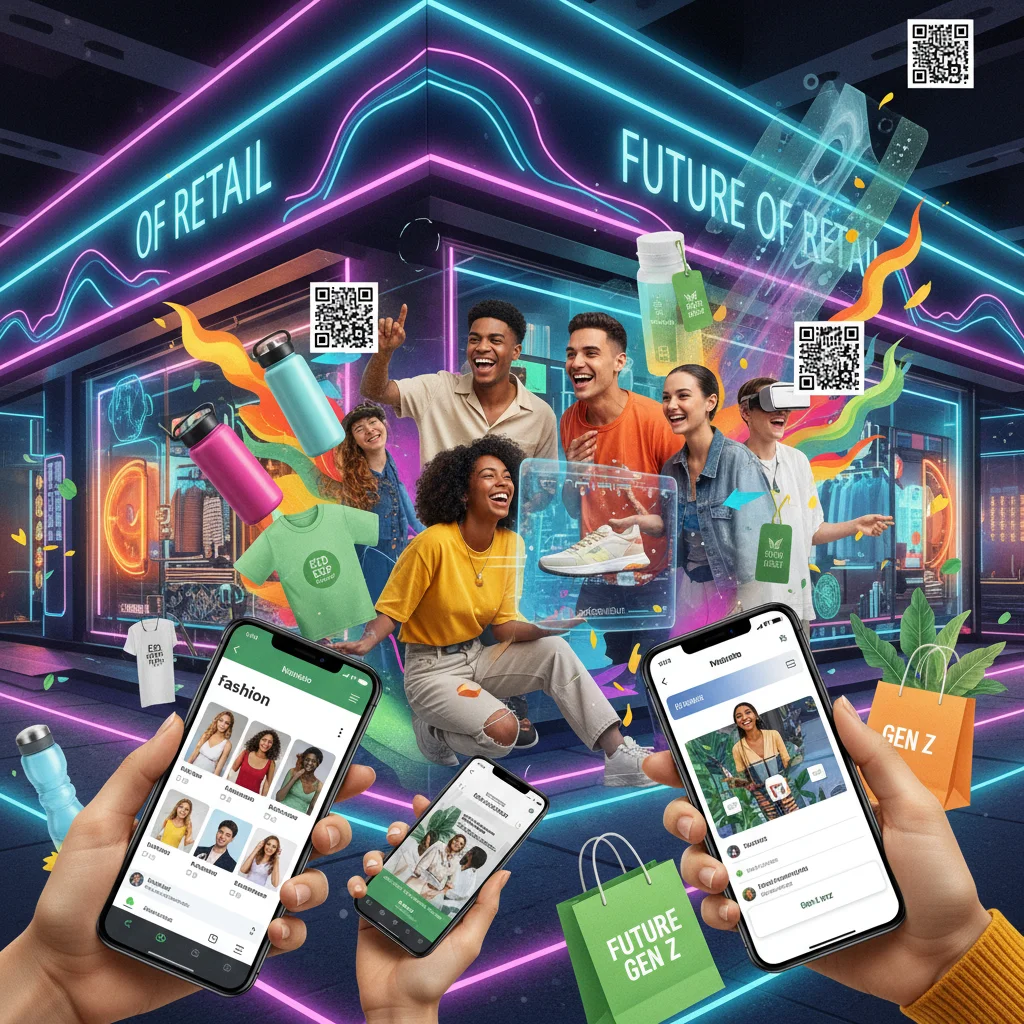
Decoding Gen Z’s Influence: 4 Market Trends Driving Innovation in US Retail by 2026 (INSIDER KNOWLEDGE)
The retail landscape is in a constant state of flux, forever molded by the evolving preferences and purchasing power of each successive generation. As we approach 2026, one demographic stands out as the primary catalyst for change: Generation Z. Born roughly between 1997 and 2012, Gen Z represents a formidable consumer force, already boasting significant spending power and, more importantly, an unparalleled influence on market trends. Their digital native upbringing, inherent social consciousness, and unique expectations are not merely shifting retail; they are fundamentally redefining it. For businesses hoping to not just survive but thrive in the coming years, understanding and adapting to these Gen Z Retail Trends is not optional—it’s imperative.
This article delves deep into four pivotal market trends that are being primarily driven by Gen Z and are set to innovate US retail by 2026. We’ll explore how their values, digital fluency, and demand for authenticity are forcing retailers to rethink everything from product development and marketing strategies to supply chain ethics and in-store experiences. Prepare for an insider’s look into the future of commerce, shaped by the generation that knows no world without the internet.
Trend 1: The Ascendancy of Phygital Experiences – Seamless Integration of Digital and Physical
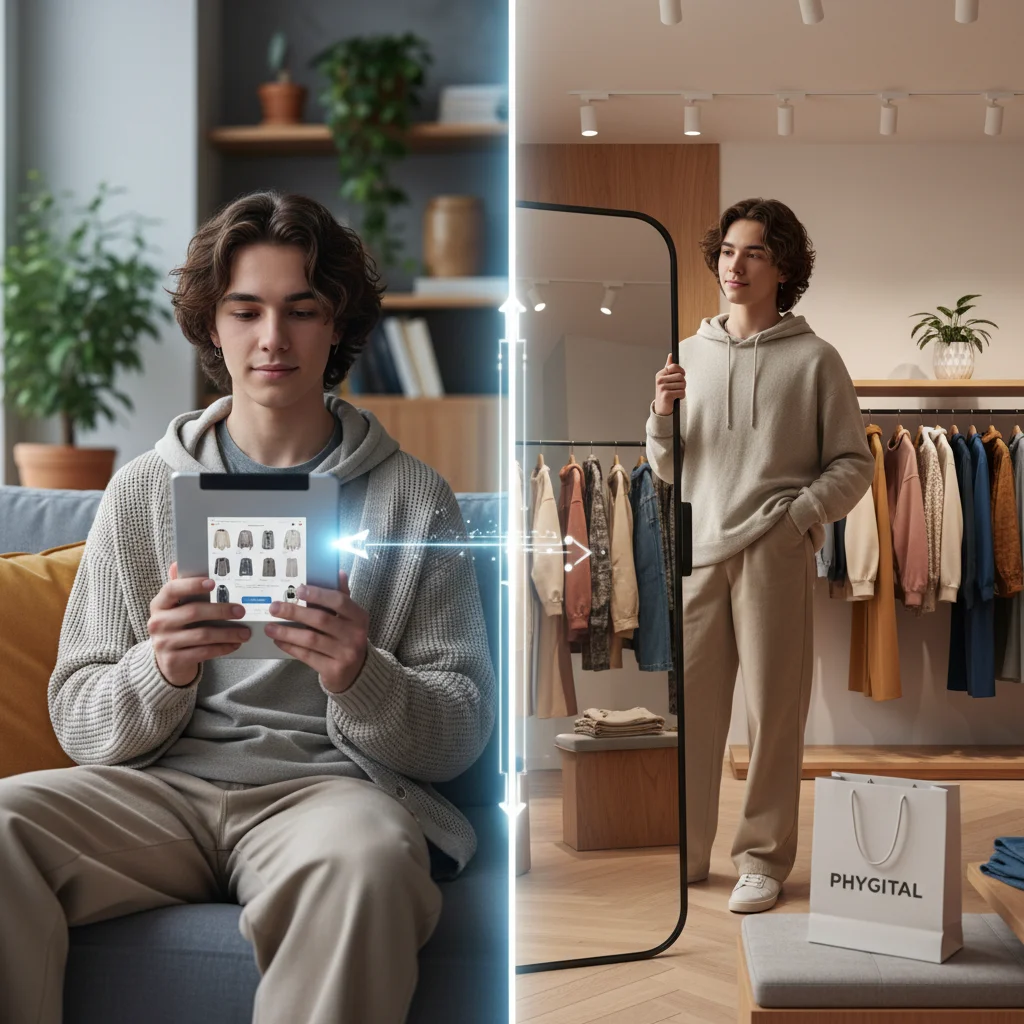
Gen Z doesn’t distinguish between online and offline; for them, it’s all one fluid, interconnected experience. This generation grew up with smartphones in their hands, making the concept of a purely physical or purely digital retail journey feel archaic. They expect what experts call a ‘phygital’ experience—a seamless, intuitive, and integrated interaction that blurs the lines between the digital and physical worlds. This isn’t just about having an e-commerce site; it’s about leveraging technology to enhance every touchpoint, whether in-store or online.
By 2026, retailers who fail to master the phygital experience will be left behind. This means creating immersive in-store environments that utilize augmented reality (AR) for virtual try-ons, interactive digital displays that provide personalized recommendations, and QR codes that link to extensive product information, reviews, and styling tips. Conversely, online platforms must offer features that mimic the physical world, such as live shopping events with real-time Q&A, detailed 3D product views, and personalized virtual assistants that guide shoppers. The goal is to make the transition between browsing on a phone, visiting a physical store, and making a purchase feel effortless and value-added, regardless of the channel.
Consider the rise of ‘click-and-collect’ or ‘buy online, pick up in-store’ (BOPIS) as a foundational example. Gen Z values convenience and speed, and BOPIS caters directly to this. But the phygital experience goes further. It’s about using data collected online to inform in-store staff about a customer’s preferences before they even arrive, or allowing customers to scan items in-store to check online inventory or access exclusive digital content. This holistic approach ensures that the customer journey is personalized, efficient, and engaging at every step, reflecting the sophisticated expectations of Gen Z Retail Trends.
Trend 2: Values-Driven Consumption – Sustainability, Ethics, and Authenticity
More than any preceding generation, Gen Z is deeply committed to their values, and these values profoundly influence their purchasing decisions. They are not just buying products; they are buying into brands that align with their ethical, social, and environmental principles. This trend, which will only intensify by 2026, demands unprecedented transparency and authenticity from retailers. Brands can no longer pay lip service to sustainability or social responsibility; they must demonstrate genuine commitment through their practices, supply chains, and corporate culture.
Sustainability is paramount. Gen Z consumers are acutely aware of climate change and environmental degradation. They actively seek out brands that use eco-friendly materials, employ sustainable manufacturing processes, minimize waste, and offer transparent information about their carbon footprint. This extends to packaging, product longevity, and end-of-life solutions. Retailers must invest in circular economy models, promote repair and reuse, and offer clear, verifiable information about their environmental impact.
Ethical sourcing and fair labor practices are equally critical. Gen Z is quick to call out brands involved in exploitative labor, unethical supply chains, or unfair wages. They demand to know where products come from, who made them, and under what conditions. Brands that can demonstrate a commitment to fair trade, ethical labor, and community empowerment will win their loyalty. Authenticity also plays a crucial role. Gen Z can spot inauthenticity from a mile away. They prefer brands that are genuine, transparent about their flaws, and communicate with honesty rather than slick, overly polished marketing. This means engaging in real conversations, showcasing diverse voices, and supporting causes that genuinely matter to their demographic. Embracing these values-driven approaches is central to understanding and leveraging Gen Z Retail Trends.
Trend 3: The Experience Economy – Beyond Products to Moments
For Gen Z, consumption is increasingly about experiences rather than just possessions. While they still buy products, the rationale behind these purchases is often tied to the experiences they enable or the stories they tell. By 2026, successful retailers will be those who can transform shopping into an engaging, memorable, and shareable experience, both in-store and online.
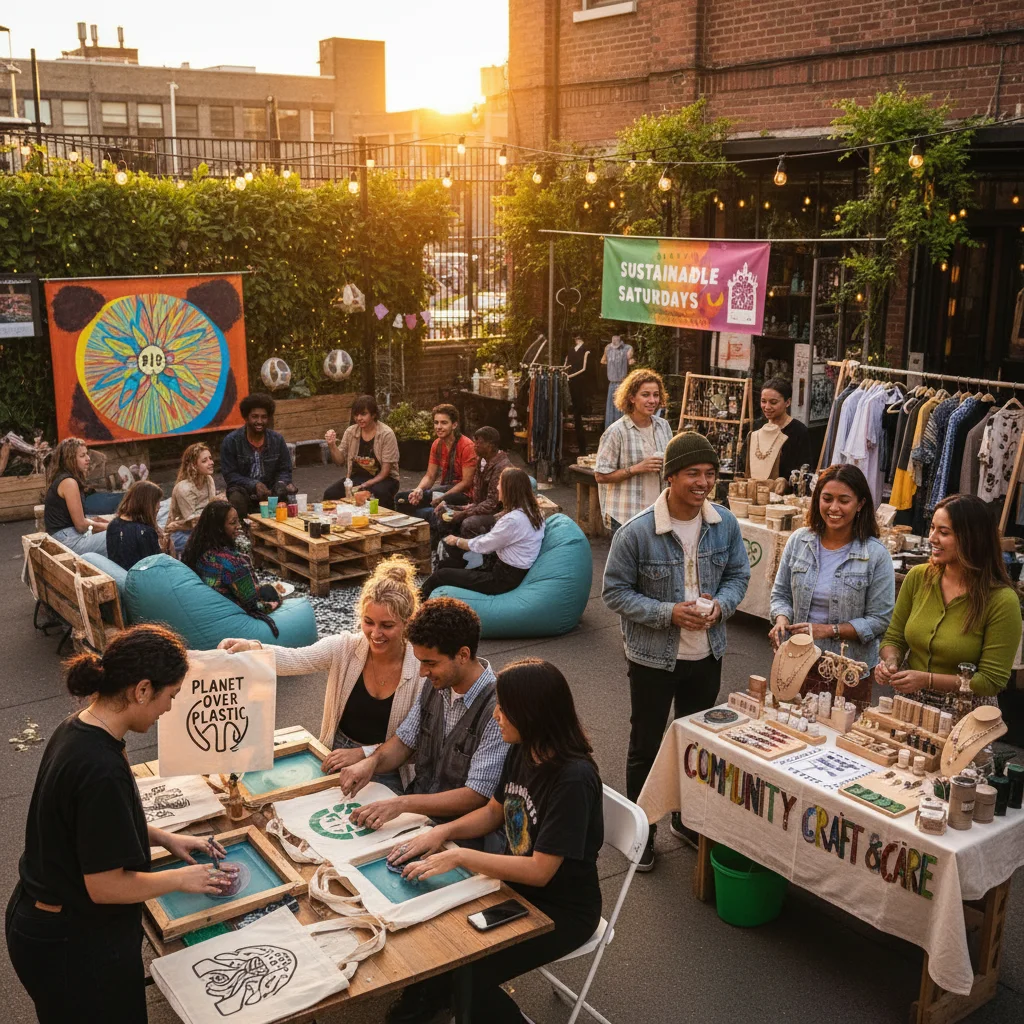
In physical retail spaces, this translates to creating destinations that offer more than just transactions. Think flagship stores with cafes, co-working spaces, art installations, or interactive workshops. Retailers are experimenting with ‘retailtainment’—combining retail with entertainment—to draw customers in and provide reasons to linger. This could involve brand-specific events, pop-up collaborations with artists or local businesses, or personalized styling sessions that feel more like a bespoke service than a sales pitch. The goal is to create a sense of community and belonging, turning a shopping trip into a social outing or a personal development opportunity.
Online, the experience economy manifests through highly engaging content, community platforms, and personalized interactions. Live stream shopping, where influencers showcase products and interact with viewers in real-time, is gaining immense traction. Brands are building online communities where customers can share product reviews, style tips, and connect with like-minded individuals. Personalized recommendations, virtual events, and exclusive digital content also contribute to a richer, more experiential online journey. These efforts acknowledge that for Gen Z, the act of discovery, interaction, and connection is often as important as the product itself. The evolution of the experience economy is a cornerstone of current Gen Z Retail Trends.
Trend 4: Hyper-Personalization and Co-Creation – My Product, My Way
Gen Z has grown up in a world saturated with personalized digital experiences, from curated social media feeds to tailored streaming recommendations. This expectation of personalization extends deeply into their retail interactions. They don’t just want products; they want products that feel uniquely theirs, and they are often willing to participate in the creation process. By 2026, hyper-personalization and co-creation will be non-negotiable for retailers aiming to capture the Gen Z market.
Hyper-personalization goes beyond simply addressing a customer by their first name. It involves leveraging data (with full transparency and consent) to offer highly relevant product recommendations, personalized marketing messages, and customized shopping journeys. This means understanding individual preferences, past purchases, browsing behavior, and even social media activity to anticipate needs and present solutions that genuinely resonate. AI-powered recommendation engines, dynamic website content, and personalized email campaigns will become standard practice.
Even more impactful is the trend towards co-creation. Gen Z wants to have a voice in what they buy. This can range from customizing products (e.g., designing their own sneakers, engraving jewelry, or choosing fabric patterns) to participating in product development through feedback loops, online polls, or community challenges. Brands that invite Gen Z to be part of the creative process foster a deeper sense of ownership and loyalty. This also taps into their desire for individuality and self-expression. Limited edition drops, collaborations with influencers, and opportunities for user-generated content are all facets of this co-creative approach. Empowering consumers to shape their purchases is a significant driver among current Gen Z Retail Trends.
Strategies for Retailers: Thriving in the Gen Z Era
To successfully navigate these Gen Z Retail Trends and innovate by 2026, retailers must adopt a multi-faceted approach:
- Invest in Technology and Data Analytics: Embrace AI, AR, VR, and robust data analytics platforms to create seamless phygital experiences and deliver hyper-personalized interactions. This means not just implementing new tech, but also ensuring it integrates smoothly across all channels and provides actionable insights.
- Prioritize Transparency and Authenticity: Be honest about your brand’s values, supply chain, and social impact. Back up claims with verifiable actions. Engage in open communication and be responsive to feedback, both positive and negative. Authenticity resonates deeply with Gen Z.
- Build Community and Experiences: Shift focus from purely transactional interactions to creating engaging experiences and fostering a sense of community. This can be through in-store events, online forums, social media engagement, and collaborations. Make shopping a memorable event, not just a chore.
- Empower Customization and Co-Creation: Offer opportunities for customers to personalize products and participate in the design or development process. This not only increases product appeal but also builds strong brand loyalty and a sense of ownership among Gen Z consumers.
- Embrace Social Commerce: Meet Gen Z where they are – on social media. Integrate shopping directly into platforms like Instagram, TikTok, and YouTube. Leverage influencer marketing strategically, focusing on creators who genuinely align with your brand’s values and resonate with the target audience.
- Focus on Purpose-Driven Marketing: Move beyond traditional product-centric advertising. Highlight your brand’s mission, values, and positive impact on the world. Gen Z responds to brands with a clear purpose that aligns with their own beliefs.
- Agile and Adaptive Operations: The pace of change is rapid. Retailers must be agile, capable of quickly adapting to new technologies, consumer preferences, and market shifts. This requires flexible supply chains, responsive marketing teams, and a culture of continuous innovation.
The Road Ahead: What to Expect by 2026
As we look towards 2026, the influence of Gen Z will only solidify. The retail landscape will be characterized by extreme personalization, where every customer journey feels bespoke. The physical store will transform into a hub for experience, community, and brand immersion, complemented by an equally sophisticated and interactive digital twin. Sustainability and ethical practices will move from being a competitive advantage to a basic expectation, with brands facing severe backlash for any perceived missteps.
The lines between retail, entertainment, and social interaction will continue to blur, creating a dynamic ecosystem where brands must constantly innovate to capture and retain attention. Those who embrace these fundamental Gen Z Retail Trends with genuine effort and strategic investment will not only attract this powerful demographic but also set themselves up for long-term success in an increasingly complex and competitive market. The future of retail is not just digital; it’s deeply human, purpose-driven, and relentlessly innovative, all thanks to the discerning eye of Generation Z.
Conclusion: Gen Z as the Architects of Future Retail
The transformative power of Gen Z on US retail cannot be overstated. They are not merely consumers; they are active participants, demanding authenticity, championing values, and expecting seamless, personalized experiences across every touchpoint. The four trends discussed—phygital integration, values-driven consumption, the experience economy, and hyper-personalization/co-creation—are not fleeting fads but fundamental shifts driven by a generation that views the world, and commerce within it, through a unique lens.
By 2026, success in US retail will be inextricably linked to a brand’s ability to understand, respect, and cater to these evolving Gen Z expectations. This requires more than just superficial changes; it demands a deep, strategic overhaul of business models, technological infrastructure, marketing approaches, and corporate culture. Retailers who proactively embrace these Gen Z Retail Trends will not only secure a loyal customer base but will also emerge as leaders in an innovative, dynamic, and purpose-driven retail future. The time to adapt is now, as Gen Z continues to write the rules for the next era of commerce.