Supply Chain Resilience: US Businesses Must Address 3 Critical Trends Now

Supply Chain Resilience: 3 Critical Market Trends US Businesses Must Address in the Next 6 Months (Practical Solutions)
The global economic landscape is a dynamic, ever-evolving entity, constantly reshaped by geopolitical shifts, technological advancements, and unforeseen disruptions. For US businesses, the concept of supply chain resilience has transcended a mere buzzword to become an imperative for survival and sustained growth. The past few years have brutally exposed vulnerabilities in global supply networks, prompting a critical re-evaluation of traditional strategies. As we navigate the coming months, three critical market trends stand out as paramount, demanding immediate and strategic attention from US businesses. Failing to address these trends will not only lead to operational inefficiencies but could also jeopardize market share, profitability, and long-term viability. This comprehensive guide will explore these trends in depth and provide actionable, practical solutions to fortify your supply chain resilience.
The imperative for robust supply chain resilience is no longer a theoretical exercise but a daily operational challenge. Businesses operating in the United States, irrespective of their size or industry, are inextricably linked to a global network of suppliers, manufacturers, distributors, and consumers. Any tremor in this network, whether a natural disaster, a geopolitical conflict, or a sudden surge in demand, can send ripple effects throughout the entire system. Therefore, understanding and proactively responding to emerging market trends is not just good practice; it is essential for maintaining competitive advantage and ensuring business continuity.
Trend 1: Geopolitical Volatility and Regionalization of Supply Chains
The first critical trend impacting supply chain resilience is the escalating geopolitical volatility across the globe. Recent events, from trade disputes to regional conflicts, have highlighted the inherent risks of over-reliance on a single geographic region or political bloc for critical inputs and manufacturing. This volatility is driving a significant shift towards the regionalization and diversification of supply chains, often referred to as “friend-shoring” or “near-shoring.”
The Impact of Geopolitical Shifts on US Businesses
For decades, many US businesses optimized their supply chains for cost efficiency, often leading to heavy dependence on manufacturing hubs in distant countries. While this strategy yielded significant cost savings, it also introduced substantial political and logistical risks. Tariffs, sanctions, labor disputes, and even nationalization of industries in certain regions can suddenly disrupt the flow of goods and raw materials, leading to production delays, increased costs, and ultimately, dissatisfied customers. The COVID-19 pandemic further exposed these vulnerabilities, as lockdowns and export restrictions severely hampered global trade.
Practical Solutions for Enhanced Resilience
1. Diversify Sourcing Geographies:
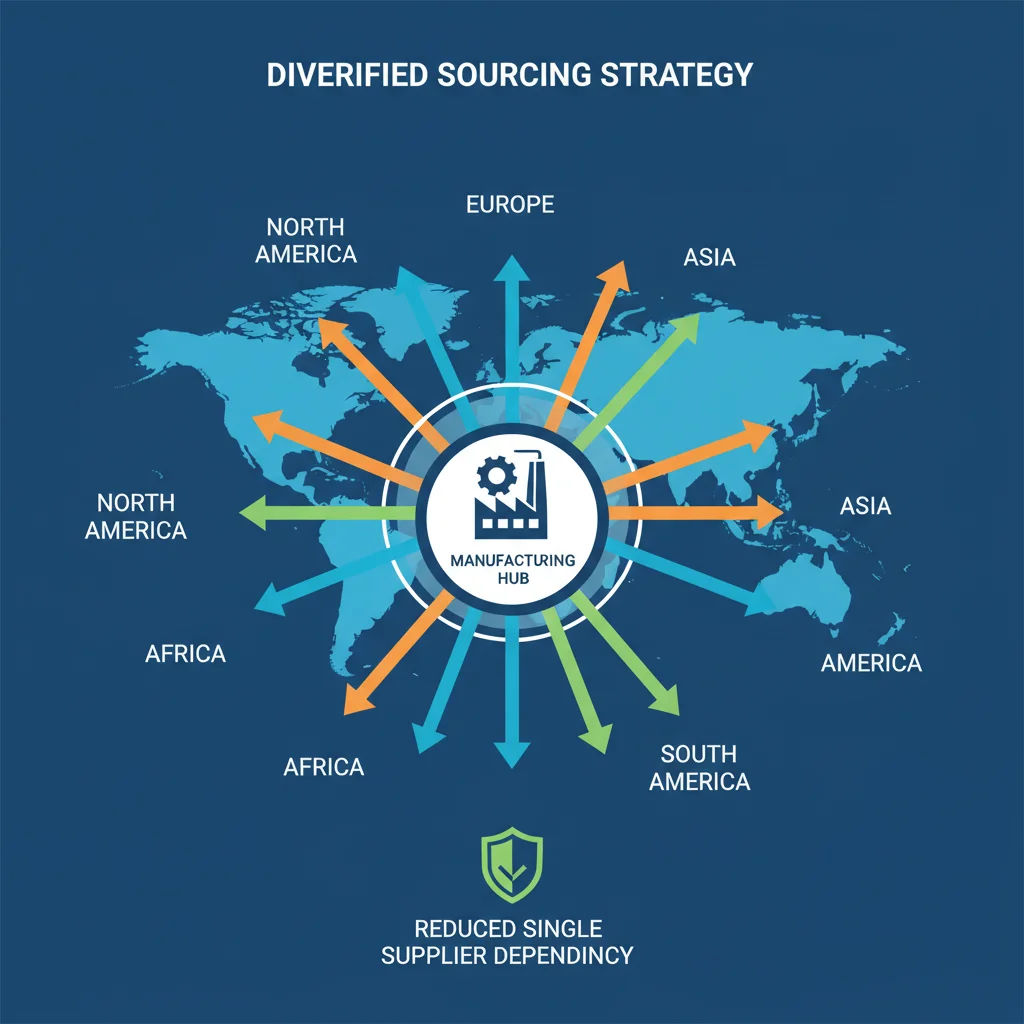
The most immediate and impactful step US businesses can take is to diversify their supplier base geographically. Instead of relying solely on one region, explore options in multiple countries, particularly those with stable political environments and robust trade agreements with the US. This strategy mitigates the risk associated with localized disruptions. For example, if a company sources components from Southeast Asia, it might consider adding suppliers from Mexico or Eastern Europe.
2. Implement “Near-shoring” or “Friend-shoring” Strategies:
Near-shoring involves relocating production or sourcing closer to the home market, such as within North America (e.g., Mexico or Canada). Friend-shoring extends this concept to politically aligned and economically stable countries. Both strategies reduce transit times, shipping costs, and exposure to geopolitical risks. While initial setup costs might be higher, the long-term benefits of reduced lead times, improved control, and enhanced supply chain resilience often outweigh these investments.
3. Develop Regional Manufacturing Hubs:
For larger enterprises, establishing regional manufacturing hubs can be a game-changer. This involves setting up production facilities in different continents or major economic blocs to serve those markets directly. This not only insulates the business from single-point-of-failure risks but also allows for greater customization to regional market demands and reduces complex cross-continental logistics.
4. Conduct Regular Geopolitical Risk Assessments:
Businesses must integrate geopolitical risk assessments into their regular supply chain planning. This involves analyzing political stability, trade policies, labor laws, and environmental regulations in all sourcing and manufacturing locations. Tools leveraging AI and predictive analytics can help monitor these factors and flag potential disruptions before they escalate.
5. Strategic Inventory Management:
While lean inventory strategies have been popular for cost-cutting, geopolitical volatility necessitates a re-evaluation. Holding strategic reserves of critical components or finished goods in secure, diversified locations can provide a buffer against sudden supply interruptions. This doesn’t mean reverting to excessive inventory, but rather employing smart, data-driven inventory optimization that balances cost with risk mitigation.
Trend 2: Accelerating Digital Transformation and Data-Driven Supply Chains
The second critical trend revolutionizing supply chain resilience is the rapid acceleration of digital transformation. The adoption of advanced technologies – from Artificial Intelligence (AI) and Machine Learning (ML) to the Internet of Things (IoT) and blockchain – is no longer optional but fundamental for optimizing operations, enhancing visibility, and predicting disruptions. US businesses that embrace these technologies will gain a significant competitive edge.
The Digital Imperative for Modern Supply Chains
Traditional supply chains often operate in silos, with limited visibility across different stages. This lack of transparency makes it challenging to identify bottlenecks, track goods in real-time, or respond swiftly to unexpected events. Digital transformation addresses these shortcomings by creating interconnected, intelligent supply networks that leverage data for informed decision-making. The ability to collect, analyze, and act upon vast amounts of data is crucial for building robust supply chain resilience.
Practical Solutions for Enhanced Resilience
1. Invest in End-to-End Supply Chain Visibility Platforms:
Implementing platforms that provide real-time, end-to-end visibility of your supply chain is paramount. These platforms integrate data from various sources – suppliers, manufacturers, logistics providers, and customers – to offer a unified view of operations. This enables businesses to track shipments, monitor inventory levels, and identify potential delays or disruptions proactively. Companies like FourKites and project44 offer advanced visibility solutions.
2. Leverage AI and Machine Learning for Predictive Analytics:
AI and ML algorithms can parse historical data and real-time information to predict demand fluctuations, potential supplier failures, and logistical bottlenecks. Predictive analytics can forecast disruptions before they occur, allowing businesses to take pre-emptive measures, such as rerouting shipments, adjusting production schedules, or activating alternative suppliers. This proactive approach is a cornerstone of true supply chain resilience.
3. Adopt IoT for Real-time Tracking and Monitoring:
IoT devices, such as smart sensors and GPS trackers, can provide real-time data on the location, condition, and environment of goods in transit or storage. This is particularly valuable for perishable goods or high-value items, enabling businesses to monitor temperature, humidity, and security, thereby preventing spoilage, theft, or damage. This granular data significantly enhances control and responsiveness.
4. Explore Blockchain for Enhanced Transparency and Trust:
Blockchain technology offers a decentralized, immutable ledger that can record every transaction and movement within a supply chain. This creates an unparalleled level of transparency and traceability, reducing fraud, improving accountability, and streamlining audits. While still in its nascent stages for many applications, blockchain holds immense potential for building trust and integrity in complex supply networks, thereby bolstering supply chain resilience.
5. Invest in Digital Skills and Training:
The successful implementation of digital solutions hinges on a workforce equipped with the necessary skills. US businesses must invest in training programs to upskill their employees in data analytics, AI interpretation, and the use of new supply chain management software. A digitally savvy workforce is crucial for maximizing the benefits of technological investments.
Trend 3: Sustainability and Ethical Sourcing Mandates
The third significant trend influencing supply chain resilience is the growing pressure from consumers, regulators, and investors for greater sustainability and ethical practices. Environmental, Social, and Governance (ESG) factors are no longer peripheral concerns but central to brand reputation, market access, and long-term financial performance. US businesses must integrate sustainability into their core supply chain strategies.
The Rising Importance of ESG in Supply Chains
Consumers are increasingly conscious of the environmental and social impact of the products they buy. Regulators are implementing stricter environmental standards and labor laws. Investors are scrutinizing companies’ ESG performance as a key indicator of long-term value. A supply chain fraught with ethical violations or environmental damage can lead to severe reputational damage, consumer boycotts, fines, and even legal action. Conversely, a demonstrably sustainable and ethical supply chain can be a powerful differentiator and a source of competitive advantage, contributing directly to supply chain resilience by fostering stronger stakeholder relationships and mitigating regulatory risks.
Practical Solutions for Enhanced Resilience
1. Conduct Comprehensive Supplier Audits for ESG Compliance:
Businesses need to go beyond basic quality and cost checks when vetting suppliers. Comprehensive audits should include assessments of environmental impact (carbon footprint, waste management, water usage), labor practices (fair wages, safe working conditions, child labor prevention), and governance (anti-corruption policies, transparency). Tools and third-party services specializing in ESG audits can be invaluable here.
2. Implement Circular Economy Principles:
Moving away from a linear “take-make-dispose” model towards a circular economy approach can significantly enhance sustainability. This involves designing products for durability, reusability, and recyclability, and establishing systems for material recovery and regeneration. This not only reduces waste but also creates new value streams and lessens dependence on virgin resources, thereby strengthening supply chain resilience against resource scarcity.
3. Optimize Logistics for Reduced Environmental Impact:
Transportation is often a major contributor to a supply chain’s carbon footprint. Businesses should explore optimizing their logistics networks to reduce emissions. This includes using more fuel-efficient vehicles, optimizing routes to minimize mileage, consolidating shipments, and exploring alternative transportation modes like rail or sea freight where feasible. Partnering with logistics providers committed to sustainable practices is also crucial.
4. Foster Transparency and Traceability of Materials:
Customers and regulators demand to know the origin of products and the journey they take. Technologies like blockchain can be instrumental in providing immutable records of material sourcing, processing, and transportation, ensuring ethical and sustainable origins. This transparency builds trust and helps in quickly identifying and rectifying any non-compliant practices.
5. Engage in Collaborative Sustainability Initiatives:
No single company can achieve full supply chain sustainability in isolation. Collaborating with industry peers, NGOs, and governmental bodies on shared sustainability goals can lead to collective impact and the development of industry-wide best practices. Participating in initiatives like the UN Global Compact or specific industry sustainability consortiums can provide valuable frameworks and support.
The Interconnectedness of Trends and Holistic Resilience
It is crucial to understand that these three trends – geopolitical volatility, digital transformation, and sustainability mandates – are not isolated. They are deeply interconnected and mutually reinforcing. Geopolitical shifts, for instance, often necessitate more localized production, which in turn can be optimized for sustainability and managed more effectively with digital tools. Similarly, digital transformation provides the visibility and analytical capabilities required to track and improve ESG performance across complex supply chains. Therefore, a holistic approach to supply chain resilience that considers all these factors simultaneously will yield the most robust and sustainable outcomes.
Building a Resilient Culture
Beyond technological investments and strategic shifts, fostering a culture of resilience within the organization is paramount. This involves:
- Agility and Adaptability: Encouraging a mindset where change is anticipated and embraced, allowing for quick pivots in strategy.
- Cross-functional Collaboration: Breaking down internal silos to ensure seamless information flow and coordinated responses to disruptions.
- Continuous Learning and Improvement: Regularly reviewing supply chain performance, learning from past disruptions, and continually seeking ways to optimize processes and systems.
- Talent Management: Attracting, developing, and retaining skilled professionals who can navigate complex supply chain challenges and leverage new technologies.

Implementing a 6-Month Action Plan for US Businesses
To effectively address these critical trends, US businesses should consider the following 6-month action plan:
Months 1-2: Assessment and Strategy Formulation
- Conduct a comprehensive supply chain risk assessment: Identify key vulnerabilities related to geopolitical risks, digital maturity, and ESG compliance. Map out your entire supply network, identifying critical suppliers and potential single points of failure.
- Define clear objectives for supply chain resilience: What does “resilience” mean for your specific business? Set measurable goals related to lead time reduction, risk mitigation, and sustainability targets.
- Formulate a diversified sourcing strategy: Begin identifying alternative suppliers in politically stable and geographically diverse regions. Research potential near-shoring or friend-shoring opportunities.
- Evaluate current digital capabilities: Assess your existing technology stack. Where are the gaps in visibility, data analytics, and automation?
- Establish an ESG baseline: Understand your current environmental footprint and social impact across your supply chain.
Months 3-4: Pilot Implementation and Partnership Development
- Pilot new digital tools: Select a critical segment of your supply chain to pilot an end-to-end visibility platform or an AI-driven predictive analytics solution.
- Engage with potential new suppliers: Begin discussions and due diligence with alternative suppliers identified in Month 1-2. Focus on building relationships and evaluating their capabilities and ESG compliance.
- Initiate sustainability projects: Launch small-scale initiatives to improve energy efficiency, reduce waste, or optimize logistics in specific areas.
- Develop a talent development plan: Identify key skills gaps and outline training programs for your supply chain team.
- Strengthen supplier relationships: Work collaboratively with existing key suppliers to enhance transparency and align on resilience and sustainability goals.
Months 5-6: Scaling and Integration
- Expand successful digital pilots: Based on the results of your pilot programs, begin scaling successful digital solutions across more segments of your supply chain.
- Integrate new suppliers: Onboard and integrate new, diversified suppliers into your network, ensuring smooth transitions and robust contractual agreements.
- Formalize ESG policies and reporting: Develop comprehensive ESG policies and establish mechanisms for regular reporting and monitoring across your supply chain.
- Conduct scenario planning: Simulate various disruption scenarios (e.g., natural disasters, geopolitical conflicts, cyberattacks) to test the robustness of your new resilience strategies and identify areas for further improvement.
- Communicate progress: Share your progress on supply chain resilience and sustainability internally and externally to build stakeholder confidence.
Conclusion: The Future of Supply Chain Resilience is Now
The next six months will be pivotal for US businesses in shaping their long-term supply chain resilience. The confluence of geopolitical instability, rapid digital advancement, and increasing demands for sustainability presents both significant challenges and unparalleled opportunities. By proactively addressing these three critical market trends – through strategic diversification, aggressive digital transformation, and a commitment to ethical and sustainable practices – US businesses can not only mitigate risks but also forge stronger, more agile, and more competitive supply chains. The investment in resilience today is an investment in future stability, growth, and market leadership. The time for action is now.