Unlock Your Potential: A Step-by-Step Guide to Utilizing 3 Key Growth Resources for US Career Transition

Unlock Your Potential: A Step-by-Step Guide to Utilizing 3 Key Growth Resources for US Career Transition
Embarking on a US career transition can be both exhilarating and daunting. The American job market is dynamic, competitive, and rich with opportunities for those who know how to navigate it. Whether you’re looking to switch industries, advance in your current field, or re-enter the workforce, understanding and leveraging the right growth resources is paramount to your success. This comprehensive guide will walk you through three essential categories of growth resources, providing actionable steps and insights to help you unlock your full potential and achieve your career aspirations in the United States.
The journey of a US career transition is not merely about finding a new job; it’s about strategic planning, skill enhancement, networking, and continuous self-improvement. Many individuals feel overwhelmed by the sheer volume of information and options available. Our goal here is to distill this complexity into a clear, actionable framework, focusing on resources that yield tangible results. By the end of this article, you’ll have a robust roadmap to effectively utilize these resources, transforming your career aspirations into reality.
Understanding the Landscape of US Career Transition
Before diving into specific resources, it’s crucial to understand the current landscape of the US job market. The United States is a vast country with diverse regional economies, each with its own dominant industries and job trends. What works in Silicon Valley might not be as effective in the Rust Belt, and vice-versa. Therefore, a successful US career transition often begins with thorough research and self-assessment.
Self-Assessment: Knowing Your Strengths and Goals
The first step in any effective US career transition is a deep dive into self-assessment. What are your core competencies? What skills do you genuinely enjoy using? What kind of work environment do you thrive in? What are your long-term career goals? Tools like SWOT analysis (Strengths, Weaknesses, Opportunities, Threats) can be incredibly useful here. Consider personality assessments (e.g., Myers-Briggs, StrengthsFinder) to gain deeper insights into your working style and preferences. Understanding your intrinsic motivations and values will guide you toward roles and industries that offer not just financial reward, but also personal fulfillment. This clarity will serve as your compass throughout your US career transition journey.
Market Research: Identifying Opportunities and Gaps
Once you have a clear picture of yourself, turn your attention to the market. Research industries that align with your interests and skills. Look for sectors that are growing and have a demand for your particular expertise, or where there’s a clear path to acquire necessary skills. Websites like LinkedIn, Glassdoor, and the Bureau of Labor Statistics (BLS) are invaluable for this. Pay attention to job descriptions for roles that interest you. What common skills are listed? Are there any recurring certifications or educational backgrounds? This research will help you identify skill gaps that you need to address to successfully navigate your US career transition.
Resource 1: Online Learning Platforms and Skill Development
In today’s rapidly evolving job market, continuous learning is not just an advantage; it’s a necessity. Online learning platforms have democratized education, making high-quality courses and certifications accessible to millions. For anyone undergoing a US career transition, these platforms are indispensable for upskilling, reskilling, and validating new competencies.
Leveraging MOOCs and Specialized Courses
Massive Open Online Courses (MOOCs) offered by platforms like Coursera, edX, and Udacity provide access to university-level education from top institutions worldwide. You can find courses ranging from data science and artificial intelligence to digital marketing and project management. Many offer professional certificates or specializations that can be directly added to your resume and LinkedIn profile, signaling to potential employers your commitment to learning and your acquisition of relevant skills for your US career transition.
- Coursera: Offers guided projects, specializations, and professional certificates developed by universities and companies like Google and IBM. Ideal for gaining industry-recognized credentials.
- edX: Features courses from MIT, Harvard, Berkeley, and other leading universities. Great for academic rigor and in-depth subject matter.
- Udemy: A vast marketplace of courses taught by experts. More flexible and often more practical, focusing on specific tools or techniques.
- LinkedIn Learning: Integrates seamlessly with your LinkedIn profile, offering courses on business, technology, and creative skills. Provides personalized recommendations based on your profile and career goals.
Coding Bootcamps and Technical Skills Training
For those looking to transition into tech roles, coding bootcamps have become a popular and effective pathway. These intensive programs teach in-demand programming languages and development methodologies in a matter of weeks or months. While they require a significant time and financial investment, the return on investment can be substantial, as many bootcamps boast high job placement rates. Examples include General Assembly, Flatiron School, and App Academy. These bootcamps are specifically designed to fast-track individuals into tech roles, making them a powerful tool for a tech-focused US career transition.
Soft Skills Development
While technical skills are often highlighted, soft skills are equally, if not more, critical for career success. Communication, teamwork, problem-solving, adaptability, and emotional intelligence are highly valued by US employers across all industries. Many online platforms offer courses specifically designed to enhance these interpersonal abilities. Practicing these skills in real-world scenarios, such as volunteer work or community projects, can further solidify your learning and provide tangible examples for job interviews during your US career transition.
Actionable Steps for Skill Development:
- Identify Skill Gaps: Based on your market research, pinpoint the specific skills you need to acquire or strengthen.
- Choose the Right Platform: Select a platform and course that aligns with your learning style, budget, and career goals.
- Commit to Learning: Set aside dedicated time each week for coursework and practice. Consistency is key.
- Apply Your Knowledge: Work on personal projects, contribute to open-source initiatives, or seek volunteer opportunities to apply what you’ve learned. This builds a portfolio and demonstrates practical experience, which is invaluable for your US career transition.
- Certify and Showcase: Earn certificates and display them prominently on your resume and LinkedIn profile.

Resource 2: Professional Networking and Mentorship
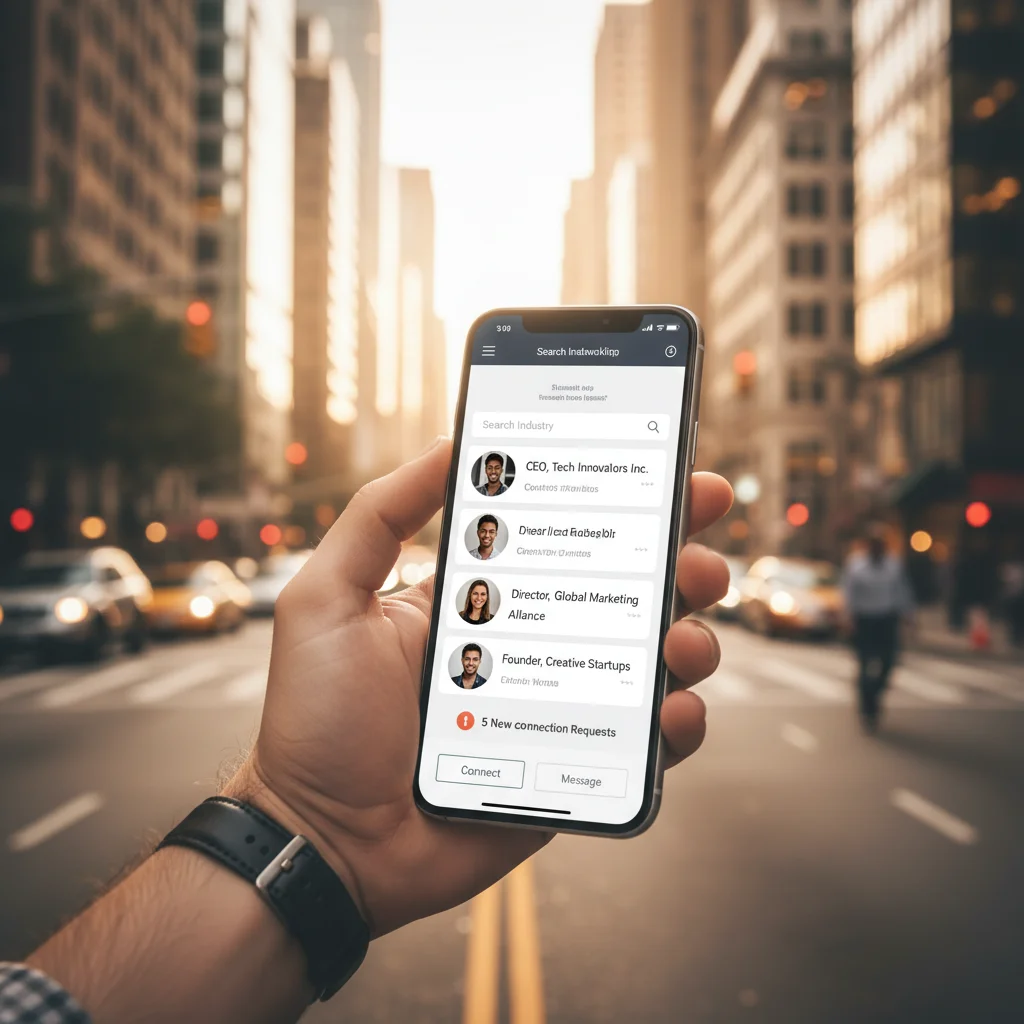
Networking is often cited as the most effective way to find new job opportunities, and for good reason. In the US, a significant percentage of jobs are filled through referrals and connections. Building a robust professional network and finding mentors can provide invaluable insights, guidance, and access to hidden job markets during your US career transition.
Leveraging LinkedIn for Professional Connections
LinkedIn is the preeminent professional networking platform. It’s not just a place to post your resume; it’s a dynamic community where you can connect with industry leaders, recruiters, and peers. Optimize your profile with relevant keywords, a professional headshot, and a compelling summary. Actively engage with content, share your insights, and reach out to individuals in your target industry. Personalize your connection requests and clearly state why you want to connect. Remember, networking is about building genuine relationships, not just collecting contacts.
Attending Industry Events and Conferences
In-person events, whether local meetups or large national conferences, offer unparalleled opportunities to meet people in your field. These events provide platforms for learning about new trends, showcasing your expertise, and making face-to-face connections. Prepare an ‘elevator pitch’ – a concise summary of who you are, what you do, and what you’re looking for – to make a memorable impression. Follow up with new contacts shortly after the event to solidify the connection. Many professional organizations also host virtual events, which are equally valuable for your US career transition.
Joining Professional Organizations and Associations
Most industries have professional organizations that offer resources, networking events, and career development opportunities. Joining such an organization can provide access to exclusive job boards, mentorship programs, and industry-specific training. Examples include the Project Management Institute (PMI), American Marketing Association (AMA), and various tech-specific user groups. Active participation in these groups demonstrates your commitment to your profession and expands your network significantly during your US career transition.
Finding Mentors and Sponsors
A mentor can offer guidance, share experiences, and provide constructive feedback. A sponsor, on the other hand, is someone who actively advocates for your career advancement. Both roles are incredibly valuable. Look for individuals whose career paths you admire, or who work in roles you aspire to. Many professional organizations have formal mentorship programs. Informational interviews are also an excellent way to connect with potential mentors; use these conversations to learn about their career journeys and seek advice, rather than asking for a job directly. A strong mentor can significantly smooth your US career transition.
Actionable Steps for Networking and Mentorship:
- Optimize Your Online Presence: Ensure your LinkedIn profile is complete, professional, and reflects your career goals.
- Strategic Outreach: Identify 5-10 people each week you’d like to connect with on LinkedIn or through professional events.
- Engage Actively: Comment on posts, share relevant articles, and participate in online discussions.
- Attend Events: Prioritize attending at least one industry event (virtual or in-person) per month.
- Seek Guidance: Actively look for opportunities to connect with potential mentors; be clear about what you hope to gain from the relationship.
Resource 3: Career Services and Coaching
Sometimes, navigating a US career transition requires expert guidance. Career services, whether through universities, private coaches, or government programs, can provide personalized support tailored to your unique circumstances.
University Career Centers
If you’re an alumnus of a US university, your alma mater’s career services department can be an invaluable resource. Many universities offer lifelong career support to their graduates, including resume reviews, interview coaching, job fairs, and networking events. These services are often free and can provide a significant advantage, especially if you’re returning to a familiar geographic area or industry. Even if you’re not an alumnus, some community colleges offer career services to the general public, which can be a great starting point for your US career transition.
Professional Career Coaches
For a more personalized and intensive approach, consider hiring a professional career coach. A good coach can help you clarify your career goals, identify your strengths, develop job search strategies, refine your resume and cover letter, and practice interview skills. They can also provide accountability and emotional support during what can be a challenging period. Look for coaches with certifications from reputable organizations and positive client testimonials. While an investment, a skilled coach can significantly accelerate your US career transition.
Government and Non-Profit Employment Services
Many state and local governments in the US offer free employment services. These can include job search assistance, resume workshops, skills training programs, and access to job boards. Organizations like American Job Centers, for example, provide a wide array of resources for job seekers. Additionally, various non-profit organizations focus on specific demographics (e.g., veterans, women re-entering the workforce, recent immigrants) and offer tailored career support. These resources are often overlooked but can be incredibly beneficial for individuals undergoing a US career transition, particularly if budget is a concern.
Resume and Interview Preparation Services
Crafting an effective resume and cover letter that stands out in the US job market is an art. Many online services and individual consultants specialize in optimizing these documents for specific industries and roles. Similarly, interview preparation can make a significant difference. Mock interviews, behavioral interview coaching, and salary negotiation guidance can boost your confidence and performance, ensuring you make the best impression when it counts. These specialized services can fine-tune your application materials and interview technique, crucial for a successful US career transition.
Actionable Steps for Career Services and Coaching:
- Explore Alumni Resources: If applicable, contact your university’s career services department.
- Research Coaches: If considering a coach, research their credentials, specializations, and client reviews. Conduct introductory calls with a few to find the best fit.
- Utilize Public Services: Investigate local government employment centers and non-profit organizations for free or low-cost support.
- Refine Application Materials: Seek professional feedback on your resume, cover letter, and LinkedIn profile.
- Practice Interviewing: Engage in mock interviews to build confidence and refine your responses.
Integrating Resources for a Holistic US Career Transition Strategy
The true power of these growth resources lies not in using them in isolation, but in integrating them into a cohesive strategy. Think of your US career transition as a multi-faceted project, where each resource plays a crucial, interconnected role.
Creating Your Personalized Growth Plan
Start by drafting a detailed growth plan. This plan should outline your short-term and long-term career goals, the skills you need to acquire, the network you need to build, and the support you’ll leverage. For example, your plan might involve:
- Month 1-3: Enroll in an online specialization in data analytics (Skill Development), attend two local tech meetups (Networking), and update your resume with a career coach (Career Services).
- Month 4-6: Complete a capstone project for your specialization (Skill Development), conduct informational interviews with three professionals in your target industry (Networking), and apply for entry-level data analyst roles (Career Services/Job Search).
- Ongoing: Regularly engage on LinkedIn, seek feedback from your mentor, and continuously refine your job search strategy.
Measuring Progress and Adapting
It’s vital to regularly assess your progress. Are you meeting your learning milestones? Are your networking efforts yielding meaningful connections? Is your job search strategy effective? Be prepared to adapt your plan based on feedback, market changes, and your evolving understanding of your career path. The job market is dynamic, and your approach to a US career transition should be too.
Maintaining Resilience and Persistence
A US career transition can be a marathon, not a sprint. There will be setbacks, rejections, and moments of doubt. Cultivate resilience by focusing on your long-term goals, celebrating small victories, and maintaining a positive mindset. Lean on your network for support and remember that every experience, even a challenging one, is a learning opportunity. Persistence is the key differentiator for those who successfully navigate significant career changes.
Conclusion: Your Path to a Successful US Career Transition
Navigating a US career transition requires a strategic approach, a commitment to continuous learning, and effective utilization of available resources. By focusing on online learning and skill development, actively building your professional network and seeking mentorship, and leveraging professional career services and coaching, you can significantly enhance your chances of success. Remember, your career journey is unique. Take the time to understand yourself, research the market, and then proactively engage with these three key growth resources. The path to unlocking your potential and achieving your career aspirations in the United States is within your reach. Start today, stay persistent, and embrace the exciting opportunities that await you.