US Companies Boost Employee Training: $150 Billion Investment by 2026

US Companies Are Investing a Staggering $150 Billion in Employee Training by 2026: An Inside Look
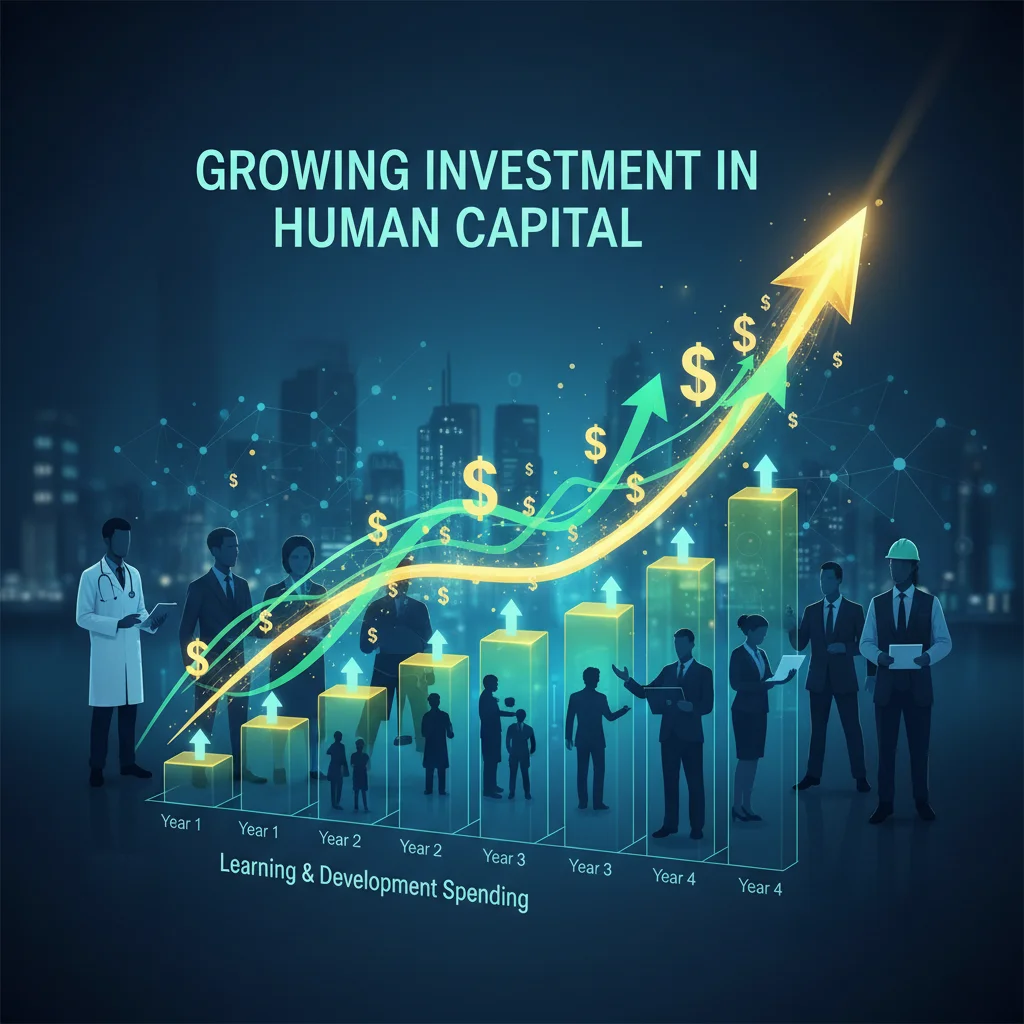
In an era defined by rapid technological advancement, evolving market demands, and a fiercely competitive global landscape, businesses are realizing that their most valuable asset isn’t their capital, their technology, or their intellectual property—it’s their people. The workforce of today and tomorrow demands continuous learning, adaptation, and growth. This profound understanding is driving an unprecedented surge in employee training investment across the United States. Projections indicate that US companies are poised to invest an astounding $150 billion in employee training by 2026. This isn’t merely a trend; it’s a strategic imperative, a fundamental shift in how organizations view talent development and long-term success.
This comprehensive article delves deep into the motivations, strategies, and anticipated outcomes of this monumental employee training investment. We’ll explore the forces propelling this growth, the innovative approaches companies are adopting, and the significant benefits expected to accrue to both employees and organizations. Understanding this paradigm shift is crucial for business leaders, HR professionals, employees, and anyone interested in the future of work.
The Driving Forces Behind the $150 Billion Employee Training Investment
Why are US companies committing such an enormous sum to employee training investment? The reasons are multifaceted and deeply rooted in the current economic and technological climate. Several key factors are converging to make workforce development an absolute priority:
1. The Pace of Technological Change
Artificial intelligence, automation, big data analytics, and cloud computing are not just buzzwords; they are transformative technologies reshaping industries at an unprecedented rate. Skills that were valuable just a few years ago can quickly become obsolete. Companies recognize that to stay competitive, their workforce must be continuously upskilled and reskilled to master these new tools and methodologies. This requires substantial employee training investment in technical skills, digital literacy, and data proficiency.
2. The Evolving Nature of Work
Beyond technology, the very nature of work is changing. Agile methodologies, remote and hybrid work models, and an increased emphasis on soft skills like critical thinking, problem-solving, collaboration, and emotional intelligence are becoming standard. Traditional training models are insufficient to address these dynamic needs. Organizations are investing in innovative programs that foster adaptability and resilience, making employee training investment a cornerstone of future-proofing their operations.
3. Talent Shortages and the War for Talent
Despite economic fluctuations, many sectors face persistent talent shortages, particularly in specialized fields. Rather than solely competing for external talent, which can be costly and time-consuming, companies are increasingly looking inward. Investing in existing employees through robust training programs is a powerful strategy to build capabilities from within, reduce recruitment costs, and improve retention. This internal talent development strategy is a significant driver of the increased employee training investment.
4. Employee Expectations and Engagement
Today’s workforce, especially younger generations, places a high premium on opportunities for growth and development. Employees are no longer content with stagnant roles; they seek careers that offer continuous learning. Companies that provide ample training and development opportunities are more likely to attract, engage, and retain top talent. A strong employee training investment signals a company’s commitment to its people, fostering loyalty and a positive organizational culture.
5. The Link Between Training, Productivity, and Innovation
Numerous studies have consistently demonstrated a direct correlation between effective training and increased productivity, higher quality output, and greater innovation. Well-trained employees are more efficient, make fewer errors, and are more likely to contribute new ideas and solutions. Companies understand that this $150 billion employee training investment is not an expense but a strategic investment that yields tangible returns in performance and competitive advantage.
6. Regulatory Compliance and Risk Mitigation
In many industries, regulatory landscapes are becoming more complex. Compliance training is essential to avoid legal penalties, maintain ethical standards, and protect the company’s reputation. While not always the most exciting aspect of training, it’s a critical area that requires ongoing employee training investment to ensure adherence to standards and mitigate risks.
Key Strategies Powering This Massive Employee Training Investment
The $150 billion employee training investment isn’t just about spending more; it’s about spending smarter. Companies are adopting sophisticated strategies to maximize the impact of their learning and development (L&D) initiatives. Here are some of the dominant approaches:
1. Personalized and Adaptive Learning Paths
Gone are the days of one-size-fits-all training. Modern L&D is highly personalized, leveraging AI and data analytics to create adaptive learning paths tailored to individual employee needs, roles, and career aspirations. This ensures that training is relevant, engaging, and directly contributes to an employee’s professional growth and the company’s strategic goals. This targeted approach makes the employee training investment far more efficient.
2. Blended Learning and Digital Platforms
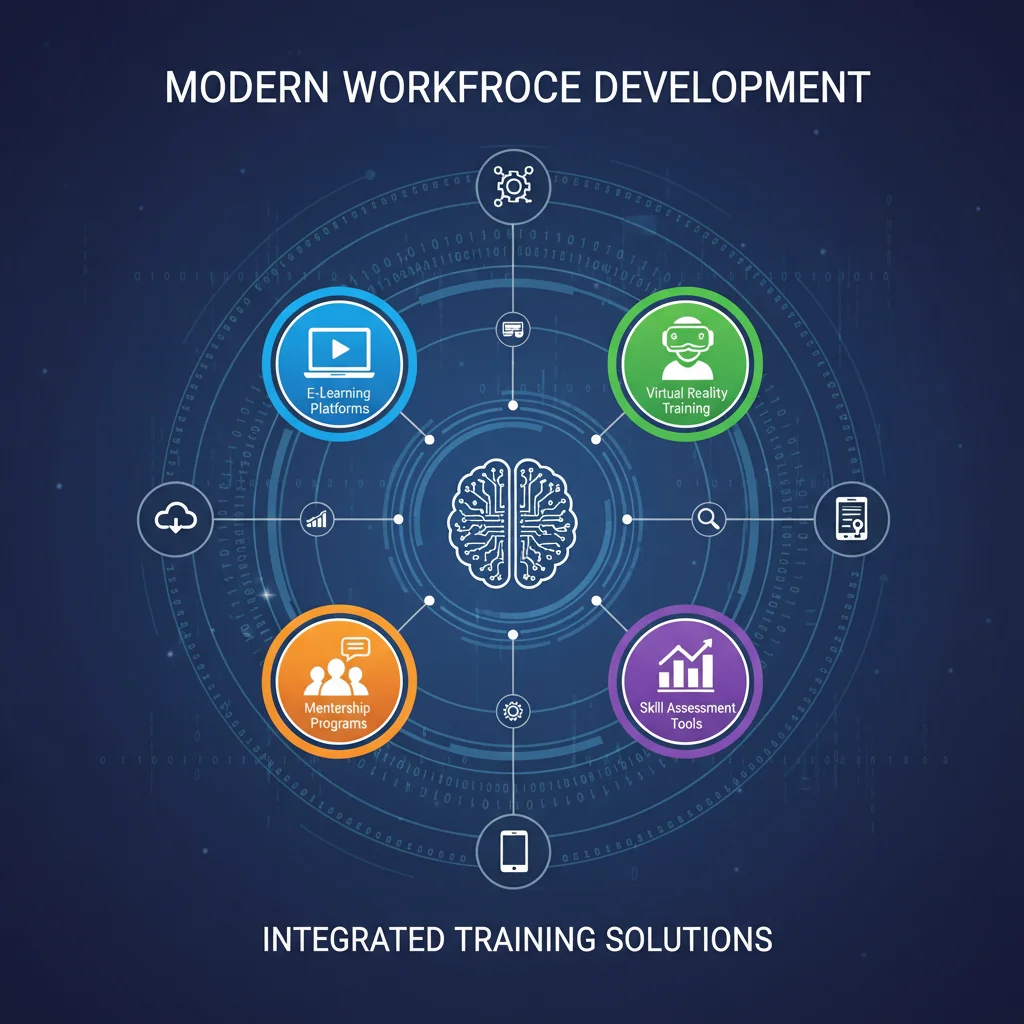
The pandemic accelerated the adoption of digital learning, and this trend is here to stay. Companies are investing heavily in robust Learning Management Systems (LMS), online courses, virtual reality (VR), and augmented reality (AR) training simulations. However, purely digital learning is often complemented by in-person workshops, coaching, and mentorship, creating a powerful blended learning experience. This hybrid model offers flexibility, scalability, and maximizes the reach of employee training investment.
3. Upskilling and Reskilling Initiatives
A significant portion of the employee training investment is directed towards upskilling (enhancing existing skills) and reskilling (teaching new skills for different roles). This is particularly critical for roles at risk of automation or those requiring new technological competencies. Companies are building internal academies and partnering with educational institutions to provide structured pathways for employees to acquire sought-after skills, thereby future-proofing their workforce.
4. Leadership and Soft Skills Development
While technical skills are vital, the importance of leadership and soft skills cannot be overstated. Effective communication, emotional intelligence, strategic thinking, change management, and diversity & inclusion are crucial for fostering a productive and harmonious work environment. A substantial part of the $150 billion employee training investment is dedicated to developing these critical human capabilities, recognizing their direct impact on team performance and organizational culture.
5. Microlearning and Continuous Learning Ecosystems
In today’s fast-paced world, employees often prefer learning in short, digestible bursts—microlearning. Companies are integrating microlearning modules, short videos, and bite-sized content into their L&D strategies. Furthermore, they are fostering a continuous learning culture, where learning is not a one-off event but an ongoing process embedded in daily work. This transforms the workplace into a perpetual learning environment, making employee training investment a constant, integrated effort.
6. Data-Driven L&D and ROI Measurement
With such significant financial commitments, companies are increasingly focused on measuring the return on investment (ROI) of their training programs. They are using data analytics to track learning progress, skill acquisition, performance improvements, and the business impact of training initiatives. This data-driven approach ensures that employee training investment is strategically aligned with business objectives and delivers measurable value.
The Anticipated Benefits: A Win-Win for Companies and Employees
The projected $150 billion employee training investment is expected to yield a wide array of benefits, creating a win-win scenario for both organizations and their workforce.
For Companies:
- Enhanced Competitiveness: A highly skilled and adaptable workforce allows companies to innovate faster, respond to market changes more effectively, and maintain a competitive edge.
- Increased Productivity and Efficiency: Well-trained employees perform better, make fewer mistakes, and operate more efficiently, leading to improved output and reduced operational costs.
- Higher Employee Retention: Companies that invest in their employees’ growth experience lower turnover rates, saving significant costs associated with recruitment and onboarding.
- Improved Employee Engagement and Morale: Opportunities for learning and advancement boost employee satisfaction, motivation, and loyalty, creating a more engaged and positive work environment.
- Stronger Talent Pipeline: Internal development programs help build a robust pipeline of qualified candidates for critical roles, reducing reliance on external hiring and promoting internal mobility.
- Greater Innovation and Adaptability: A learning-oriented culture fosters creativity, problem-solving, and the ability to embrace new technologies and methodologies, driving organizational innovation.
- Better Brand Reputation: Companies known for investing in their employees are perceived as attractive employers, enhancing their brand reputation and ability to attract top talent.
For Employees:
- Career Advancement Opportunities: Acquiring new skills and knowledge directly translates into better career prospects, promotions, and opportunities for growth within the organization.
- Increased Job Security: Employees with up-to-date and in-demand skills are more resilient to economic shifts and technological disruptions, enhancing their job security.
- Higher Earning Potential: Specialized skills and improved performance often lead to higher salaries and better compensation packages.
- Enhanced Job Satisfaction: Learning new things and feeling valued by one’s employer contributes significantly to job satisfaction and a sense of purpose.
- Personal Growth and Development: Beyond professional benefits, training fosters personal growth, critical thinking, and adaptability, which are valuable in all aspects of life.
- Access to Cutting-Edge Tools and Knowledge: Employees gain exposure to the latest technologies, methodologies, and industry best practices, keeping them at the forefront of their fields.
Challenges and Considerations for the Future of Employee Training Investment
While the outlook for employee training investment is overwhelmingly positive, there are inherent challenges that companies must navigate to ensure their investments yield the desired returns:
1. Measuring ROI Effectively
Quantifying the precise return on investment for training, especially for soft skills, can be complex. Companies need sophisticated analytics and clear metrics to demonstrate the tangible impact of their programs on business outcomes.
2. Keeping Pace with Rapid Change
The very speed of technological and market evolution that drives training investment also makes it challenging to keep training content and methodologies current and relevant. L&D teams must be agile and proactive.
3. Engaging and Motivating Employees
Even with the best programs, employee engagement in training can vary. Companies must create compelling, accessible, and enjoyable learning experiences that motivate employees to invest their time and effort.
4. Integrating Learning into the Workflow
Learning should not be isolated from daily work. The challenge is to seamlessly integrate training into the workflow, making it a continuous and natural part of an employee’s professional life rather than a disruptive event.
5. Budget Allocation and Prioritization
While $150 billion is a significant sum, companies must still make strategic decisions about where to allocate these substantial employee training investment funds for maximum impact across diverse departments and skill needs.
The Future Landscape: What to Expect Beyond 2026
The $150 billion employee training investment by 2026 is likely just the beginning. The trends suggest that corporate learning and development will continue to grow in importance and sophistication. We can anticipate:
- Hyper-Personalization: Even more granular and AI-driven personalized learning paths, adapting in real-time to an individual’s performance and career goals.
- Immersive Learning Technologies: Widespread adoption of VR, AR, and metaverse environments for highly realistic and engaging training simulations, particularly in technical and experiential learning.
- Skills-Based Organizations: A shift from job titles to skills inventories, with companies structuring their workforce and talent mobility around dynamic skill sets rather than static roles.
- Emphasis on Human-AI Collaboration: Training will increasingly focus on teaching employees how to effectively collaborate with AI tools, augmenting human capabilities rather than replacing them.
- Ethical AI and Digital Citizenship: As AI becomes more pervasive, training on ethical AI use, data privacy, and responsible digital citizenship will become paramount.
- Strategic Partnerships: More companies will forge deep partnerships with educational institutions, tech providers, and even competitors to create industry-wide training standards and initiatives.
Conclusion: The Era of Continuous Learning is Here
The staggering $150 billion employee training investment by US companies by 2026 is a clear testament to a fundamental truth: in the 21st century, learning is not a phase of life; it is life itself, especially in the professional sphere. This massive financial commitment underscores the critical role of continuous learning and development in fostering innovation, driving productivity, and ensuring long-term organizational resilience.
For employees, this means unprecedented opportunities for skill enhancement, career growth, and increased job security. For businesses, it represents a strategic imperative—a powerful engine for competitive advantage, talent retention, and sustainable success. The future belongs to those who learn, adapt, and invest in their most valuable resource: their people. By embracing this era of continuous learning, US companies are not just spending money; they are building the workforce of tomorrow, equipped to thrive in an ever-evolving world.
The journey towards 2026 and beyond will be marked by innovation in learning methodologies, a deeper integration of technology, and an unwavering focus on the human element. This significant employee training investment is a bold statement about the value of human capital and a promising indicator for the future of work in America.