U.S. Education Technology 2026: 4 Key Insights into Personalized Learning
U.S. Education Technology 2026: 4 Key Insights into Personalized Learning
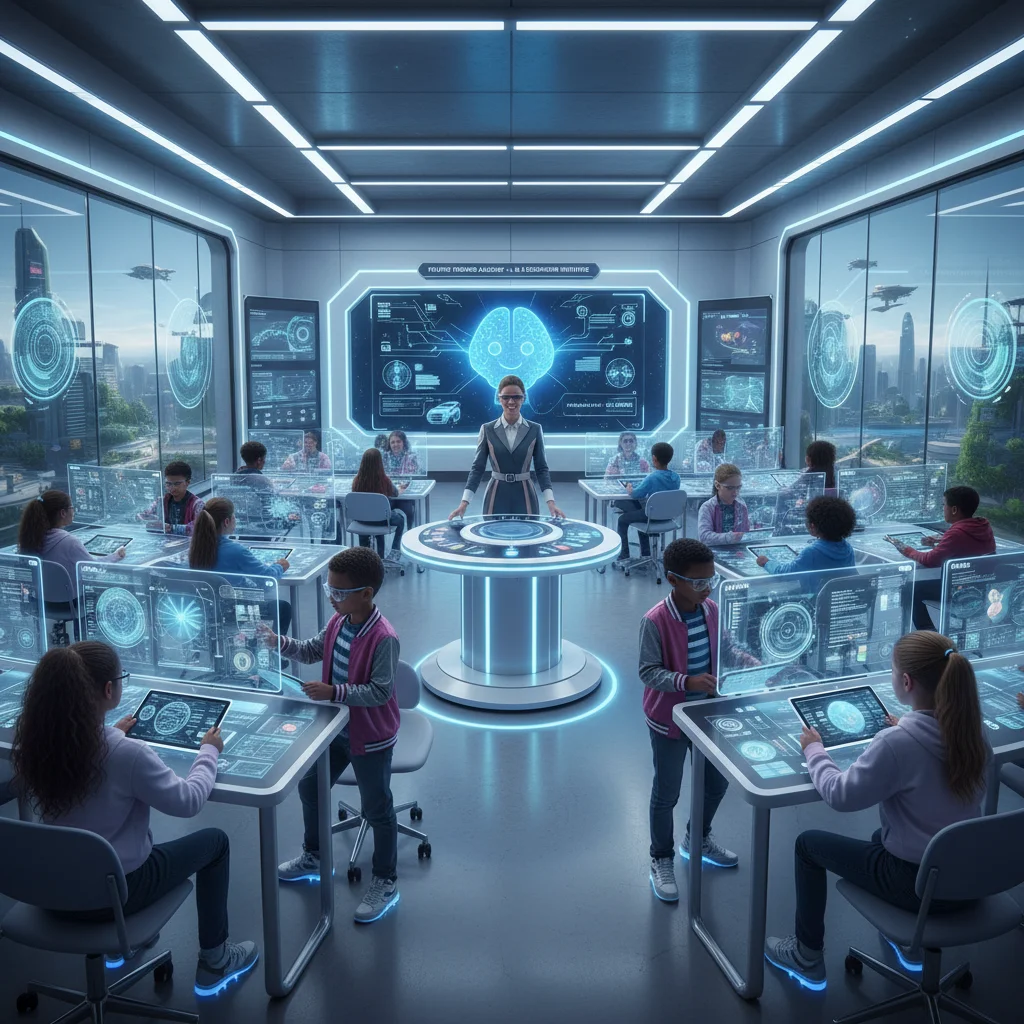
The landscape of education is in constant flux, but few forces have shaped its trajectory as profoundly as technology. As we look towards 2026, the U.S. education technology sector stands at the precipice of a monumental transformation, with personalized learning emerging as the central pillar of innovation. This isn’t merely about digitalizing existing content; it’s about fundamentally reshaping how students learn, how educators teach, and how institutions operate. The promise of AI-driven personalized learning is to create educational experiences tailored to each student’s unique needs, pace, and learning style, moving away from the one-size-fits-all model that has long dominated traditional schooling.
In this comprehensive analysis, we will delve into four critical insights that define the future of U.S. Education Technology in 2026, with a particular emphasis on the burgeoning field of personalized learning. These insights encompass technological advancements, pedagogical shifts, ethical considerations, and the evolving role of stakeholders. Understanding these trends is crucial for educators, policymakers, EdTech developers, and parents alike, as they collectively navigate the complexities and opportunities presented by this exciting era.
The journey towards truly personalized education is not without its challenges, yet the potential rewards – increased student engagement, improved academic outcomes, and greater equity in access to quality education – are immense. By examining these insights, we aim to provide a clear roadmap for understanding where U.S. Education Technology is headed and how personalized learning will be at its core.
Insight 1: The Ubiquity of AI-Driven Adaptive Learning Platforms
By 2026, Artificial Intelligence (AI) will cease to be a novelty in U.S. education and will instead become an indispensable component of adaptive learning platforms. These platforms are the backbone of EdTech Personalized Learning, offering dynamic content delivery and real-time feedback. Unlike traditional learning management systems, AI-driven adaptive platforms continuously analyze student performance, identify learning gaps, and recommend tailored resources, exercises, and pathways. This goes far beyond simple differentiation; it’s about creating a truly responsive learning environment that adjusts to the individual student in real-time.
The Mechanics of AI in Personalized Learning
At its core, AI in Personalized Learning leverages sophisticated algorithms to process vast amounts of data. This data includes student responses to questions, time spent on tasks, engagement levels, and even biometric data in more advanced systems. Machine learning models then use this information to predict future performance, identify areas where a student might struggle, and proactively offer support. For instance, if a student consistently misunderstands a particular mathematical concept, the AI can automatically assign supplementary lessons, provide alternative explanations, or suggest interactive simulations before the student becomes overtly frustrated or falls behind.
The impact of this technology on the student experience is profound. Students are no longer passive recipients of information but active participants in a learning journey designed specifically for them. This fosters a sense of ownership over their education and encourages deeper engagement. For educators, AI platforms reduce the administrative burden of individualized lesson planning and assessment, freeing them to focus on higher-order tasks such as mentorship, facilitating collaborative projects, and addressing socio-emotional needs. It transforms the teacher’s role from content deliverer to learning facilitator and guide.
Challenges and Opportunities
While the benefits are clear, the widespread adoption of AI-driven adaptive learning platforms also presents challenges. Data privacy and security are paramount concerns. Schools and EdTech providers must implement robust measures to protect sensitive student information and ensure ethical AI usage. Furthermore, equitable access to these technologies remains a hurdle. Bridging the digital divide and ensuring that all students, regardless of their socioeconomic background, have access to high-quality devices and internet connectivity is crucial for the success of EdTech Personalized Learning initiatives.
The opportunities, however, outweigh the challenges. AI can identify learning disabilities or giftedness earlier, providing timely interventions. It can also support multilingual learners by offering content in multiple languages or providing real-time translation tools. The potential for AI to democratize access to world-class education and elevate the overall quality of learning experiences across the U.S. is immense. By 2026, we expect to see significant advancements in the sophistication of these AI models, leading to even more nuanced and effective personalized learning pathways.
Insight 2: Data Analytics and Learning Science Driving Pedagogical Innovation
The second major insight for U.S. Education Technology in 2026 is the symbiotic relationship between advanced data analytics, learning science, and pedagogical innovation. The proliferation of digital learning tools generates an unprecedented amount of data about how students learn. When this data is analyzed through the lens of learning science – the interdisciplinary study of how humans learn – it provides powerful insights that can inform and refine teaching practices and curriculum design.
From Data to Actionable Insights
Learning analytics platforms will move beyond simply tracking grades and attendance. By 2026, they will offer granular insights into student cognitive processes, identifying patterns in problem-solving, common misconceptions, and optimal learning sequences. For example, data might reveal that students in a particular cohort struggle with abstract concepts when introduced too early, suggesting a pedagogical shift to more concrete examples initially. This evidence-based approach allows educators and curriculum developers to make informed decisions, moving away from intuition-based methods to data-driven strategies that demonstrably improve learning outcomes.
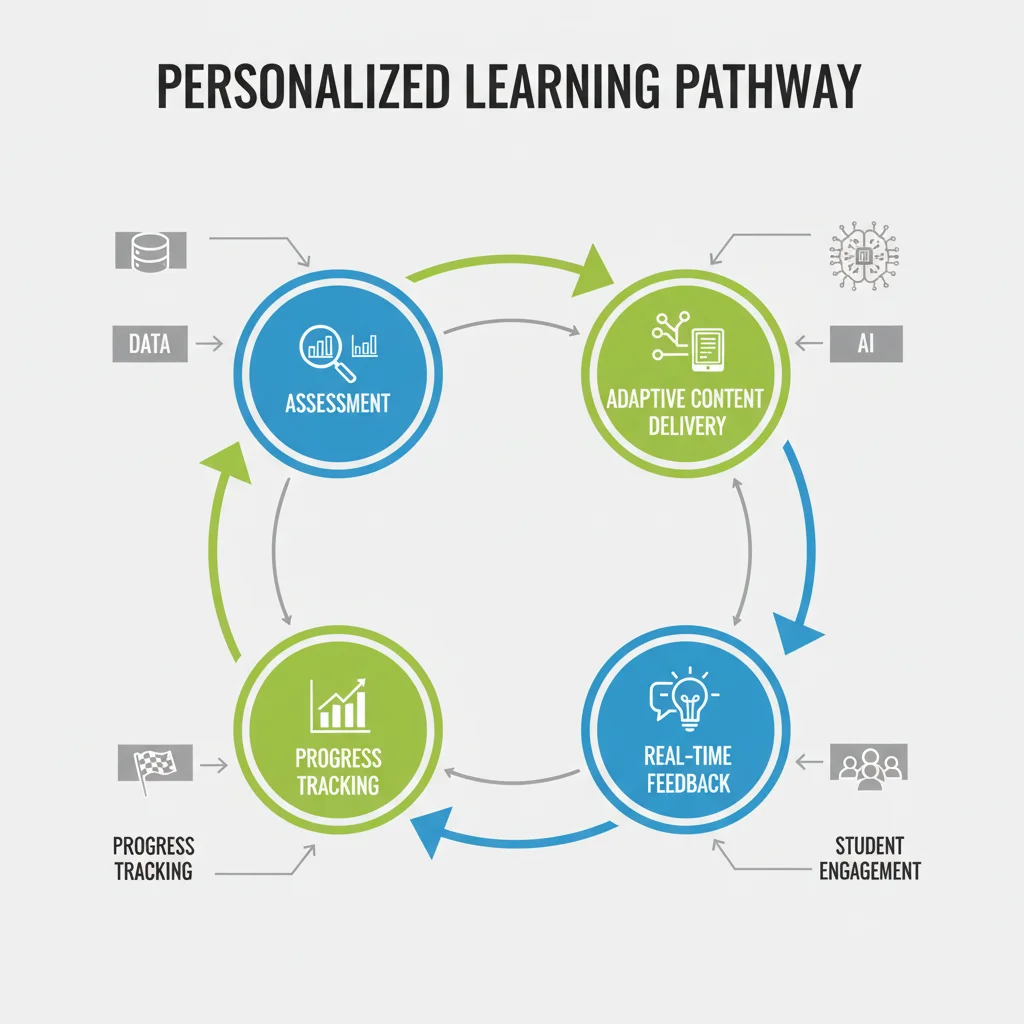
The integration of learning science principles into EdTech design is equally critical. EdTech developers are increasingly collaborating with cognitive psychologists, educational researchers, and neuroscientists to create tools that are not just technologically advanced but also pedagogically sound. This ensures that personalized learning tools are built upon established theories of learning, such as spaced repetition, retrieval practice, and cognitive load theory, maximizing their effectiveness.
Teacher Empowerment and Professional Development
This data-driven approach also empowers educators. Teachers will have access to dashboards that provide a holistic view of each student’s progress and areas for improvement, allowing them to intervene precisely where needed. This doesn’t mean technology replaces the teacher; rather, it augments their capabilities, providing them with the information and tools to be more effective. Professional development programs will increasingly focus on training educators to interpret learning analytics, understand the principles of learning science, and effectively integrate EdTech Personalized Learning strategies into their classrooms.
Moreover, learning analytics can be used at a systemic level to identify effective teaching methodologies, evaluate the efficacy of different curricula, and benchmark performance across schools or districts. This allows for continuous improvement and refinement of the entire educational ecosystem. The ethical implications of using student data for these purposes will continue to be a significant discussion point, requiring clear policies and transparent communication with parents and students about how their data is collected, used, and protected.
Insight 3: The Blurring Lines Between Formal and Informal Learning Environments
By 2026, the traditional boundaries between formal schooling and informal learning will become increasingly blurred, largely facilitated by advances in EdTech Personalized Learning. Learning will no longer be confined to the classroom but will extend seamlessly into homes, communities, and virtual spaces. This shift is driven by the accessibility of digital resources, the rise of micro-credentials, and the growing recognition that learning is a lifelong process that happens both inside and outside institutional walls.
Anytime, Anywhere Learning
The concept of ‘anytime, anywhere learning’ will be fully realized. Students will access personalized learning content through various devices – smartphones, tablets, virtual reality headsets – allowing them to learn at their own pace and convenience. This flexibility is particularly beneficial for students with diverse needs, those in remote areas, or those balancing education with other responsibilities. Personalized learning flexibility will become a hallmark of the U.S. education system.
This also means a greater emphasis on project-based learning, experiential learning, and community engagement. EdTech tools will facilitate these types of learning by providing platforms for collaboration, virtual field trips, and access to experts from around the world. For example, a student interested in marine biology might use a VR simulation to explore an underwater ecosystem, then collaborate with peers on a project, and finally present their findings to a local conservation group – all supported by integrated EdTech solutions.
Micro-credentials and Lifelong Learning
The rise of micro-credentials and alternative pathways to skill validation will further blur these lines. Instead of solely relying on traditional degrees, individuals will earn badges, certificates, and micro-credentials for specific skills acquired through online courses, bootcamps, or project work. Personalized learning credentials will gain significant traction, offering more granular and flexible recognition of learning achievements.
This shift caters to the demands of a rapidly changing job market, where continuous upskilling and reskilling are essential. EdTech platforms will offer personalized learning pathways for adults seeking to acquire new skills or advance their careers, making lifelong learning more accessible and tailored to individual professional goals. Educational institutions will adapt by offering modular courses, hybrid learning models, and partnerships with industry to ensure their offerings remain relevant and responsive to societal needs.
Insight 4: The Evolving Role of the Educator and the Emphasis on Human-Centric Learning
Despite the technological advancements and the increasing role of AI, the fourth critical insight for U.S. Education Technology in 2026 is the evolving, yet undeniably central, role of the educator. Far from being replaced by AI, teachers will transition into even more crucial roles as facilitators, mentors, and designers of human-centric learning experiences. The focus will shift from content delivery to fostering critical thinking, creativity, collaboration, and socio-emotional development – skills that technology can augment but not replicate.
Teachers as Learning Architects
With AI handling much of the individualized content delivery and assessment, educators will have more time to act as ‘learning architects.’ They will design rich, engaging, and challenging learning environments that leverage technology while prioritizing human interaction and collaborative problem-solving. This includes curating personalized learning resources, guiding students through complex projects, and facilitating discussions that encourage deeper understanding and critical analysis. The educator’s role in personalized learning becomes one of strategic oversight and empathetic guidance.

The emphasis will be on developing students’ meta-cognitive skills – teaching them how to learn, how to evaluate information, and how to adapt to new challenges. This requires a human touch, the ability to inspire, and the capacity to build meaningful relationships with students. Technology assists in identifying needs, but a skilled educator provides the emotional support and motivational impetus that are vital for sustained learning.
Fostering Socio-Emotional Learning (SEL)
As technology takes on more of the instructional burden, schools will increasingly focus on Socio-Emotional Learning (SEL). SEL in Personalized Learning recognizes that academic success is intertwined with students’ emotional well-being, self-awareness, and social skills. Educators will play a pivotal role in creating classroom cultures that promote empathy, resilience, and effective communication, skills that are essential for success in both personal and professional life.
EdTech tools can support SEL by providing platforms for mindfulness exercises, collaborative project management, and virtual peer support networks. However, the direct guidance, modeling, and empathetic interactions provided by teachers remain irreplaceable. The future of EdTech Personalized Learning is not a technology-only solution but a powerful synergy between advanced tools and highly skilled, compassionate educators.
The Road Ahead for U.S. Education Technology and Personalized Learning
The journey towards 2026 for U.S. Education Technology is characterized by rapid innovation, strategic integration of AI, and a profound rethinking of pedagogical approaches, all centered around the core principle of personalized learning. The four insights discussed – the ubiquity of AI-driven adaptive platforms, the power of data analytics and learning science, the blurring lines of learning environments, and the evolving, human-centric role of the educator – paint a picture of a dynamic and promising future.
For students, this future promises more engaging, effective, and equitable learning experiences tailored to their individual needs and aspirations. For educators, it offers powerful tools to enhance their teaching and focus on the most impactful aspects of their profession. For policymakers and EdTech developers, it presents a clear mandate to prioritize ethical considerations, ensure equitable access, and foster continuous innovation.
The transformation of education in the U.S. is not merely a technological upgrade; it is a cultural and pedagogical evolution. As we move closer to 2026, the collaborative efforts of all stakeholders will be essential to harness the full potential of EdTech Personalized Learning, ensuring that it genuinely serves to empower every learner and prepare them for a future that is as dynamic and innovative as the technologies shaping their education.
The challenges of implementation, professional development, and ensuring digital equity are significant, but the vision of a truly personalized, engaging, and effective educational system is within reach. By embracing these insights and working together, the U.S. can solidify its position as a leader in educational innovation, setting a global standard for how technology can transform learning for the better.
Frequently Asked Questions about EdTech Personalized Learning (FAQ)
What is EdTech Personalized Learning?
EdTech Personalized Learning refers to the use of education technology (EdTech) to tailor learning experiences to individual students’ needs, preferences, and learning styles. This often involves AI-driven platforms, adaptive content, and data analytics to create unique learning pathways for each student, moving beyond the traditional one-size-fits-all approach.
How does AI contribute to Personalized Learning in 2026?
By 2026, AI will be integral to personalized learning by powering adaptive platforms that analyze student performance in real-time, identify learning gaps, and recommend customized resources and exercises. AI helps predict student needs, offers proactive support, and frees up educators to focus on higher-order teaching tasks.
What are the main benefits of Personalized Learning for students?
The main benefits for students include increased engagement, improved academic outcomes, a deeper understanding of concepts, and the development of self-directed learning skills. Personalized learning caters to individual paces and styles, making education more relevant and effective for diverse learners.
What role will teachers play in a Personalized Learning environment by 2026?
By 2026, teachers will evolve from content deliverers to facilitators, mentors, and learning architects. They will design engaging learning experiences, guide students through complex projects, foster socio-emotional development, and interpret data insights provided by EdTech to offer targeted support, leveraging technology to amplify their impact.
What are the challenges facing the widespread adoption of EdTech Personalized Learning?
Key challenges include ensuring data privacy and security, addressing the digital divide to guarantee equitable access to technology and internet connectivity for all students, and providing adequate professional development for educators to effectively utilize these new tools and pedagogical approaches.
How will learning environments change with EdTech Personalized Learning?
Learning will become less confined to traditional classrooms, extending seamlessly into homes, communities, and virtual spaces. This will foster ‘anytime, anywhere learning’ through various devices and platforms, blurring the lines between formal and informal education and emphasizing lifelong learning and micro-credentials.
What is the importance of learning science in EdTech Personalized Learning?
Learning science provides the theoretical framework for effective EdTech design. By integrating principles from cognitive psychology and educational research, EdTech tools can be built to align with how humans learn best, ensuring that personalized learning strategies are not just technologically advanced but also pedagogically sound and evidence-based.
How will EdTech Personalized Learning address equity in education?
While challenges exist, EdTech Personalized Learning has the potential to enhance equity by providing tailored support to students with diverse needs, offering content in multiple languages, and adapting to different learning paces. Overcoming the digital divide is crucial to ensure all students can benefit from these advancements, democratizing access to high-quality education.
What are micro-credentials and how do they relate to Personalized Learning?
Micro-credentials are verified certifications for specific skills or competencies, often acquired through shorter, focused learning experiences rather than traditional degrees. In personalized learning, they offer flexible pathways for individuals to validate skills, making lifelong learning more accessible and responsive to the evolving demands of the job market.
Will EdTech Personalized Learning replace human interaction in education?
No, EdTech Personalized Learning is designed to augment, not replace, human interaction. While technology can handle individualized content and assessment, the human element of teaching – mentorship, socio-emotional support, critical thinking facilitation, and fostering creativity – remains irreplaceable and becomes even more central in a personalized learning environment.