Green Energy Sector Boom 2026: US Career & Investment Guide
Unpacking the 2026 Green Energy Sector Boom in the U.S.: Opportunities for Career Growth and Investment
The global shift towards sustainable practices has never been more urgent, and at the forefront of this transformation is the burgeoning US Green Energy 2026 sector. As we approach the mid-point of the decade, the United States is poised to experience an unprecedented boom in renewable energy, clean technology, and sustainable infrastructure. This isn’t just an environmental imperative; it’s an economic powerhouse in the making, creating a fertile ground for both innovative career pathways and lucrative investment opportunities. The landscape of energy production and consumption is undergoing a radical overhaul, driven by a confluence of technological advancements, supportive governmental policies, and increasing public demand for cleaner alternatives. Understanding the dynamics of this growth is crucial for anyone looking to capitalize on the future of energy.
For years, the promise of green energy has been a subject of debate and cautious optimism. However, as we look towards 2026, that optimism is rapidly solidifying into concrete projections of growth and expansion. The US Green Energy 2026 outlook is characterized by significant investments in solar, wind, hydropower, geothermal, and emerging technologies like green hydrogen and advanced battery storage. This article will delve deep into the factors propelling this boom, offering a comprehensive guide for individuals seeking to align their careers with this transformative industry and for investors aiming to diversify their portfolios into sustainable ventures. We will explore the policy frameworks, technological innovations, and market trends that are shaping this exciting future, providing actionable insights into how you can be a part of it.
The Driving Forces Behind the US Green Energy 2026 Boom
Several powerful forces are converging to accelerate the growth of the US Green Energy 2026 sector. Understanding these catalysts is key to appreciating the scale of the transformation underway. Firstly, governmental policies play an indispensable role. The Biden administration has made climate change and clean energy a central pillar of its agenda, enacting legislation such as the Inflation Reduction Act (IRA), which provides substantial tax credits, rebates, and incentives for renewable energy projects, electric vehicles, and energy efficiency improvements. These policies create a stable and attractive environment for investment and development, de-risking projects and encouraging innovation across the entire supply chain. The long-term certainty provided by these legislative frameworks is a critical factor in driving sustained growth.
Secondly, technological innovation continues to drive down costs and improve efficiency. Solar panel technology has seen remarkable advancements, making photovoltaic energy more affordable and accessible than ever before. Similarly, wind turbine technology has evolved to capture more energy at lower wind speeds, expanding the geographic viability of wind farms. Breakthroughs in battery storage are addressing the intermittency challenges inherent in renewable sources, ensuring a more reliable and stable grid. Furthermore, advancements in smart grid technologies, artificial intelligence for energy management, and new forms of energy generation like small modular nuclear reactors and geothermal power are all contributing to a more diverse and robust green energy ecosystem. These innovations are not just incremental improvements; they represent paradigm shifts that are making green energy competitive, and often superior, to traditional fossil fuels.
Thirdly, increasing corporate and consumer demand for sustainable solutions is a significant market driver. Corporations are setting ambitious decarbonization targets, often driven by ESG (Environmental, Social, and Governance) investment pressures and a desire to enhance their brand image. Consumers are increasingly aware of their environmental footprint and are actively seeking products and services powered by renewable energy. This demand creates a strong market signal, encouraging businesses to invest in green energy infrastructure and sustainable practices. The confluence of these factors – supportive policies, relentless innovation, and surging demand – paints a clear picture of robust and sustained growth for the US Green Energy 2026 sector.
Career Opportunities in the Expanding Green Energy Landscape
The expansion of the US Green Energy 2026 sector is not just about megawatts and investments; it’s fundamentally about people and jobs. This boom is creating a vast array of new career opportunities across various disciplines, from engineering and manufacturing to sales, marketing, and policy analysis. For individuals looking to enter or transition into a future-proof industry, the green energy sector offers diverse and rewarding pathways. The demand for skilled labor is high, and the industry is actively seeking talent with a passion for sustainability and innovation.
Engineering and Technical Roles
At the heart of any energy sector are the engineers and technicians who design, build, and maintain the infrastructure. In green energy, this includes:
- Renewable Energy Engineers: Specializing in solar, wind, geothermal, or hydro, these professionals design and optimize energy generation systems.
- Electrical Engineers: Crucial for grid integration, power transmission, and smart grid development.
- Mechanical Engineers: Involved in turbine design, manufacturing processes, and energy storage systems.
- Environmental Engineers: Focusing on impact assessments, regulatory compliance, and sustainable resource management.
- Installation and Maintenance Technicians: A rapidly growing field, these hands-on roles involve installing solar panels, servicing wind turbines, and maintaining battery storage systems.
- Data Scientists and AI Specialists: Optimizing energy production, predicting demand, and managing smart grids through advanced analytics.
These roles require a blend of traditional engineering skills and specialized knowledge in renewable technologies. Educational institutions and vocational training programs are rapidly adapting to meet this demand, offering specialized courses and certifications.
Manufacturing and Supply Chain
The push for domestic manufacturing in the US Green Energy 2026 sector means a significant increase in jobs related to producing components for solar panels, wind turbines, batteries, and electric vehicles. This includes manufacturing engineers, production line workers, quality control specialists, and logistics experts managing complex global supply chains. The emphasis on local production is not only an economic strategy but also a matter of energy security.
Business Development and Project Management
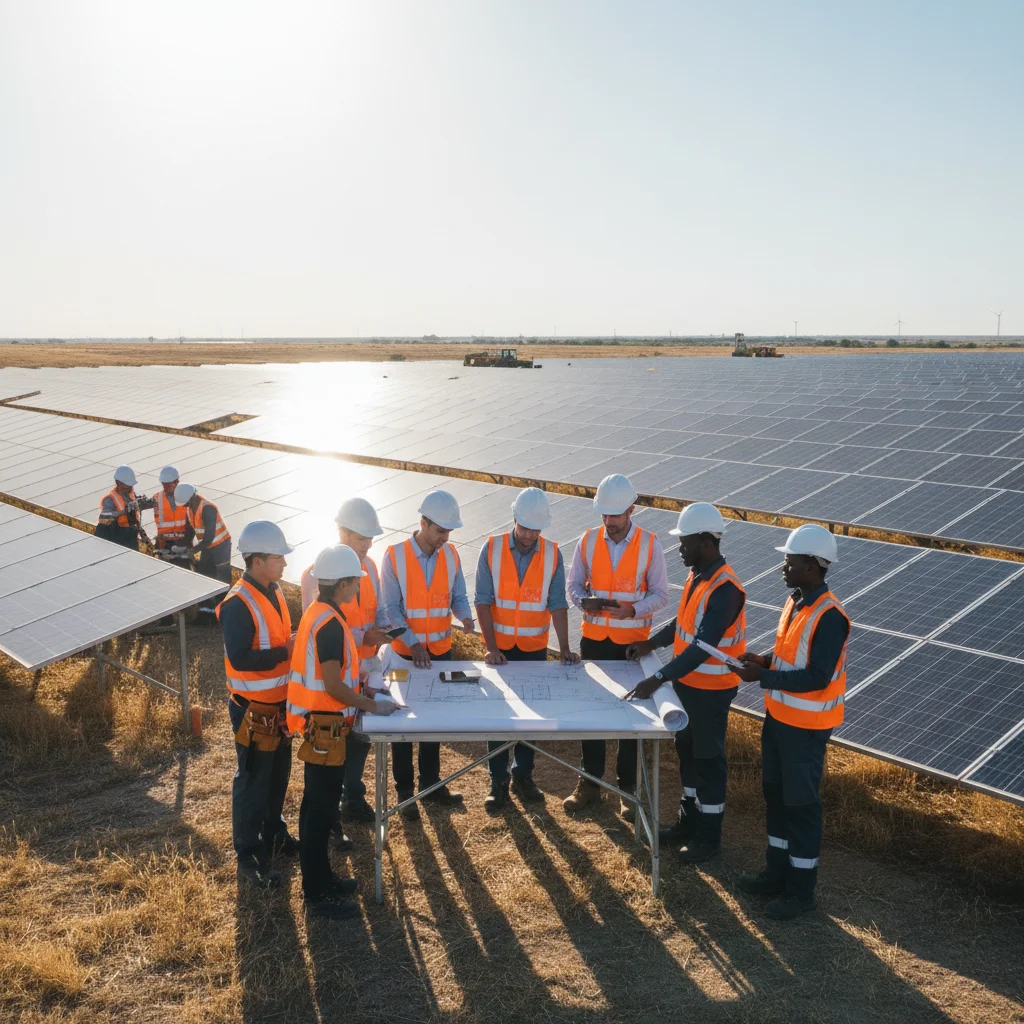
Beyond the technical aspects, the green energy sector requires strong business acumen. Project managers are essential for overseeing complex installations, ensuring projects are completed on time and within budget. Business development professionals identify new opportunities, secure financing, and forge partnerships. Sales and marketing roles are also vital for promoting green energy solutions to residential, commercial, and industrial clients. These roles often require a keen understanding of market dynamics, regulatory frameworks, and financial modeling.
Policy, Research, and Advocacy
The regulatory and policy landscape is constantly evolving, creating demand for policy analysts, lobbyists, and legal experts specializing in environmental law and energy regulations. Researchers are continuously working on next-generation technologies, materials science, and efficiency improvements. Advocacy groups also play a crucial role in shaping public opinion and pushing for further policy support. These roles are critical for ensuring the continued growth and responsible development of the US Green Energy 2026 sector.
Investment Opportunities in the US Green Energy 2026 Market
For investors, the US Green Energy 2026 boom presents a compelling opportunity for both growth and diversification. The sector is characterized by strong fundamentals, backed by government incentives, technological advancements, and increasing market demand. While all investments carry risk, the long-term trends favor sustainable energy, making it an attractive prospect for various investor profiles.
Direct Investments in Renewable Energy Projects
One of the most direct ways to invest is in actual renewable energy projects. This can involve:
- Solar Farms and Rooftop Solar: Investing in utility-scale solar projects or companies that develop and install residential and commercial solar systems.
- Wind Farms: Opportunities in onshore and offshore wind power generation, often involving significant upfront capital but offering long-term returns.
- Geothermal and Hydropower: While less prevalent than solar and wind, these established technologies offer stable, baseload power and can be attractive for specific investment strategies.
- Green Bonds: These are fixed-income instruments specifically designed to fund projects that have positive environmental and/or climate benefits.
These direct investments often come with tax incentives and can provide stable, predictable cash flows over many years.
Investing in Green Technology Companies
Beyond the projects themselves, there are numerous opportunities in companies that develop and manufacture green technologies. This includes:
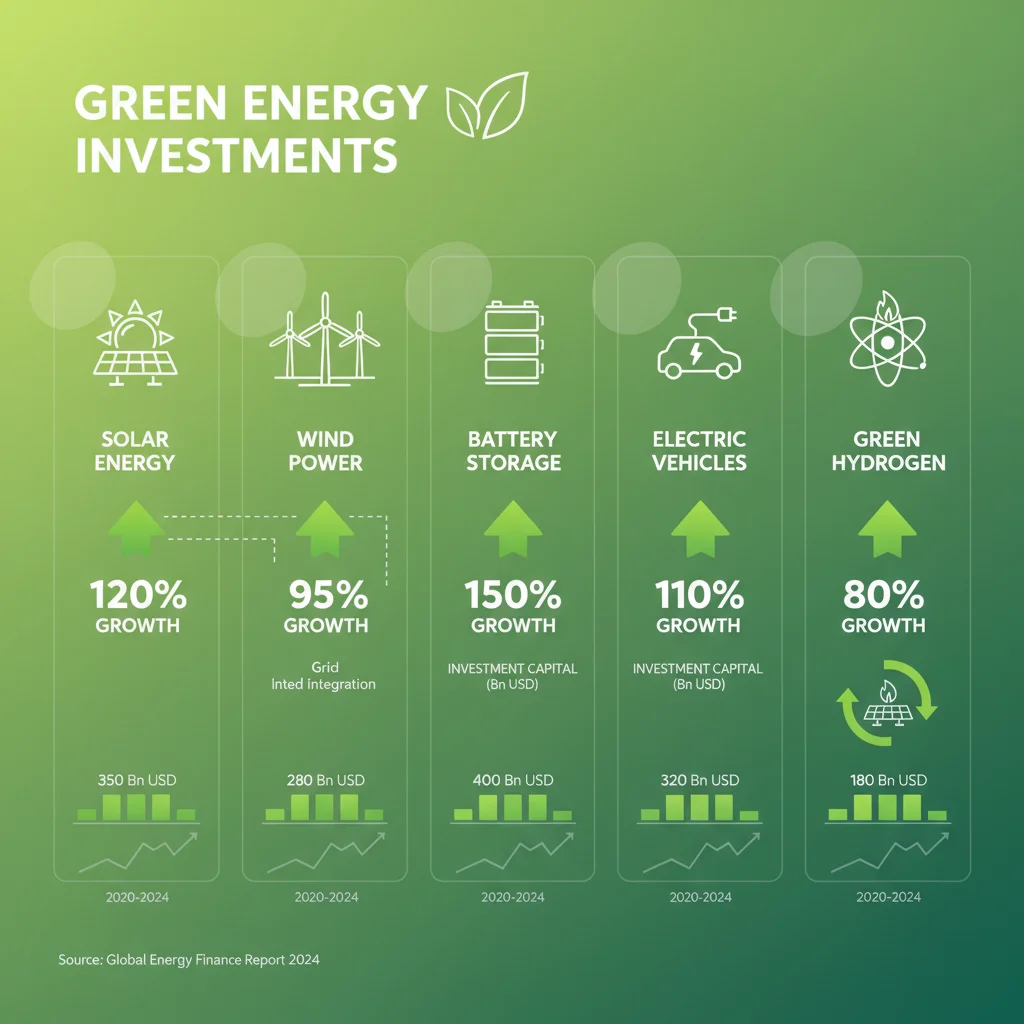
- Battery Storage Solutions: Companies innovating in lithium-ion, solid-state, and other advanced battery technologies crucial for grid stability and electric vehicles.
- Electric Vehicle (EV) Manufacturers and Infrastructure: Investing in EV producers, charging station networks, and component suppliers.
- Smart Grid Technology: Companies developing software and hardware for optimizing energy distribution, demand response, and grid resilience.
- Green Hydrogen Producers: A nascent but rapidly growing sector, green hydrogen holds immense promise for decarbonizing heavy industry and long-haul transport.
- Energy Efficiency Solutions: Companies offering products and services that reduce energy consumption in buildings and industrial processes.
These investments often carry higher growth potential but can also be more volatile, depending on technological breakthroughs and market adoption.
Exchange-Traded Funds (ETFs) and Mutual Funds
For investors looking for diversified exposure to the US Green Energy 2026 sector without picking individual stocks, ETFs and mutual funds focused on clean energy or ESG themes are an excellent option. These funds typically hold a basket of companies involved in various aspects of the green energy industry, spreading risk and offering professional management. They can provide exposure to a broad range of sub-sectors, from renewable energy generation to clean transportation and sustainable infrastructure.
Venture Capital and Private Equity
For accredited investors, venture capital and private equity funds specializing in clean tech startups offer exposure to early-stage innovations with high growth potential. These investments are typically higher risk but can yield significant returns if successful. They often focus on disruptive technologies that could reshape the energy landscape in the long term.
Challenges and Considerations for US Green Energy 2026
While the outlook for the US Green Energy 2026 sector is overwhelmingly positive, it’s important to acknowledge potential challenges and considerations. The transition to a fully green economy is complex and multifaceted. One significant challenge is grid modernization. The existing electrical grid, designed for centralized fossil fuel power plants, needs substantial upgrades to accommodate decentralized renewable energy sources and manage intermittent power flows effectively. This requires massive investment in transmission lines, smart grid technologies, and energy storage solutions.
Another consideration is the supply chain for critical minerals. The production of batteries, solar panels, and wind turbines relies on minerals like lithium, cobalt, and rare earth elements, many of which are sourced internationally, sometimes from regions with ethical or geopolitical concerns. Developing domestic sourcing and recycling capabilities for these materials is crucial for long-term sustainability and energy independence. Furthermore, the rapid scaling of green energy projects requires a skilled workforce, and ensuring that there are enough trained professionals to meet demand is an ongoing challenge that educational institutions and vocational programs are working to address.
Regulatory hurdles and permitting processes can also slow down project development. While policies are generally supportive, navigating local, state, and federal regulations can be time-consuming and complex. Streamlining these processes while maintaining environmental safeguards is essential for accelerating the deployment of green energy infrastructure. Lastly, public acceptance and community engagement are vital. Large-scale renewable projects, such as wind farms or transmission lines, can face local opposition. Effective communication, community benefits, and thoughtful siting are necessary to ensure broad support for the green energy transition.
The Role of Innovation and Research in Future Growth
The continued success of the US Green Energy 2026 sector hinges significantly on ongoing innovation and robust research and development (R&D). While current technologies are powerful drivers, the next wave of advancements promises even greater efficiency, lower costs, and novel solutions to energy challenges. Areas of intense focus include:
- Advanced Materials: Developing new materials for more efficient solar cells, lighter and stronger wind turbine blades, and higher-density, safer batteries.
- Green Hydrogen Production: Research into more cost-effective and scalable methods for producing hydrogen from renewable electricity, crucial for decarbonizing industries like steel, cement, and long-haul transportation.
- Carbon Capture, Utilization, and Storage (CCUS): While primarily associated with fossil fuels, CCUS technologies are also being explored for direct air capture and industrial processes to achieve net-zero emissions.
- Geothermal Energy: Innovations in enhanced geothermal systems (EGS) that can unlock geothermal resources in more regions, providing reliable, baseload power.
- Fusion Energy: Although still in the experimental stages, breakthroughs in fusion could offer an almost limitless, clean energy source in the distant future, and ongoing research is vital.
- Energy Storage Beyond Batteries: Exploring alternatives like pumped hydro, compressed air energy storage (CAES), and thermal energy storage to complement battery solutions for grid stability.
Government funding, private sector investment in R&D, and academic research partnerships are all critical for fostering this innovation ecosystem. The ability to continuously improve existing technologies and develop entirely new ones will ensure that the US Green Energy 2026 sector not only meets its current goals but continues to evolve and lead the global energy transition.
Conclusion: A Sustainable Future Powered by US Green Energy 2026
The US Green Energy 2026 sector is on the cusp of a transformative boom, offering unparalleled opportunities for both career growth and strategic investment. Driven by supportive government policies, relentless technological innovation, and surging market demand, the shift towards a sustainable energy future is no longer a distant dream but a rapidly unfolding reality. From the engineers designing the next generation of wind turbines to the investors funding innovative battery storage solutions, countless individuals and entities stand to benefit from this monumental transition.
For professionals, the green energy industry provides a chance to build a meaningful career in a sector that is not only economically robust but also fundamentally contributing to a healthier planet. The diversity of roles, from hands-on technical jobs to high-level strategic positions, ensures that there’s a place for a wide range of skills and passions. For investors, the long-term growth potential, coupled with increasing ESG mandates and stable policy support, makes green energy an increasingly attractive component of a diversified portfolio. While challenges remain, the commitment to overcoming them is strong, fueled by a collective vision for a cleaner, more sustainable future.
Embracing the opportunities within the US Green Energy 2026 boom means investing in innovation, fostering skill development, and committing to sustainable practices. As the United States continues to lead the charge in the global energy transition, those who position themselves strategically within this dynamic sector will be at the forefront of shaping a brighter, greener tomorrow. The time to act is now, to contribute to and benefit from this pivotal moment in energy history.