US Corporate Learning Trends 2026: Essential Skills for the Future Workforce
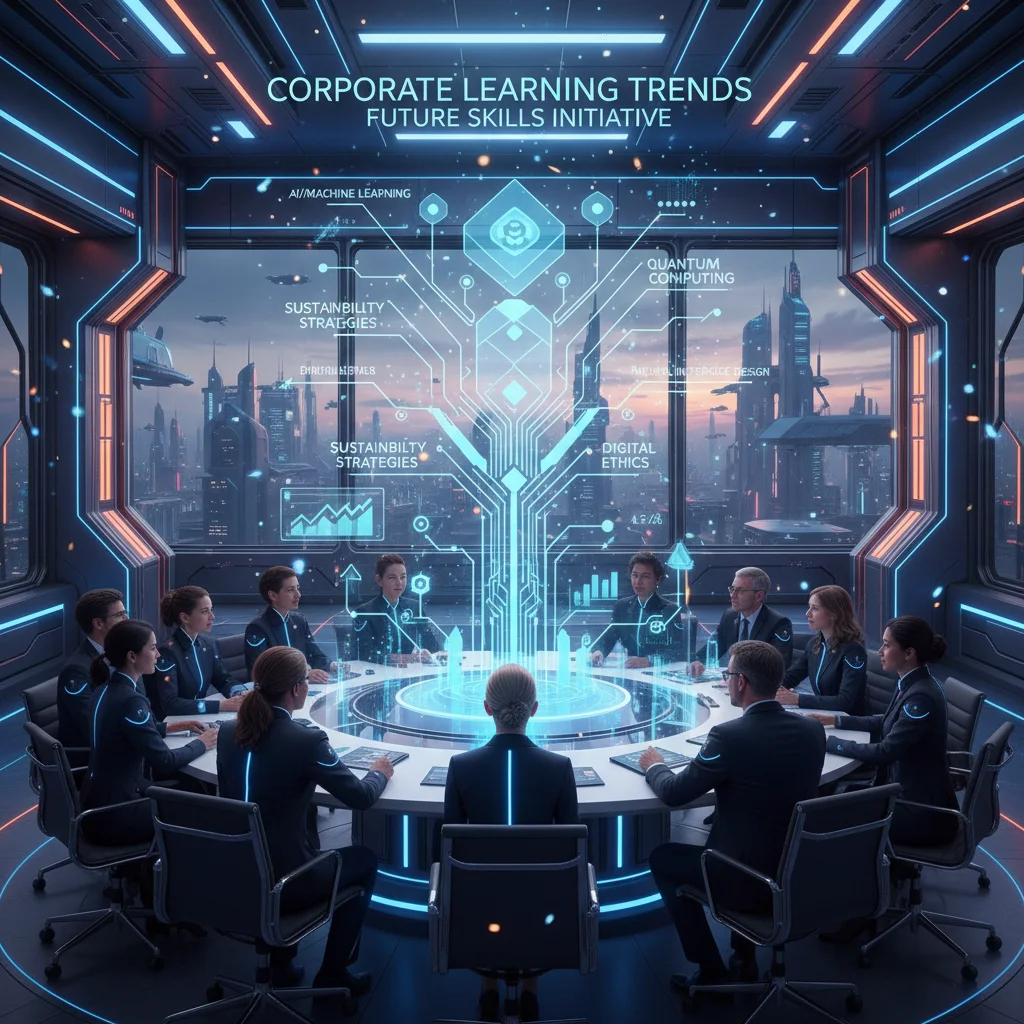
US Corporate Learning Trends 2026: Essential Skills for the Future Workforce
The landscape of work is continually evolving, driven by rapid technological advancements, shifting economic paradigms, and changing workforce demographics. For organizations to not only survive but thrive in this dynamic environment, investing in robust and forward-thinking learning and development (L&D) strategies is no longer a luxury but a critical imperative. As we look towards 2026, the United States corporate learning sector is undergoing a profound transformation, with companies prioritizing specific skills and innovative methodologies to cultivate a future-ready workforce. Understanding these corporate learning trends is paramount for L&D professionals, HR leaders, and indeed, every employee aiming to stay relevant and competitive.
This comprehensive guide delves deep into the anticipated corporate learning trends in the US by 2026, shedding light on the most valued skills, the technologies shaping learning delivery, and the strategic approaches organizations are adopting to foster continuous growth and innovation. We will explore how businesses are moving beyond traditional training models to embrace more agile, personalized, and impactful learning experiences.
The Shifting Paradigm: Why Corporate Learning is More Critical Than Ever
The pace of change in the modern business world is unprecedented. Automation, artificial intelligence (AI), machine learning (ML), and data analytics are not just buzzwords; they are fundamentally reshaping job roles and demanding new competencies. The shelf life of skills is shrinking, making continuous learning an absolute necessity. Organizations are realizing that their competitive edge increasingly depends on the adaptability and skill sets of their employees. This realization is the bedrock of the evolving corporate learning trends we observe.
Furthermore, the ‘Great Resignation’ and the ongoing talent shortage have underscored the importance of employee retention and development. Companies are finding that investing in their people’s growth is a powerful tool for attracting top talent and building loyalty. Employees, particularly younger generations, are actively seeking employers who offer clear pathways for career advancement and skill enhancement. This demand from the workforce itself is a significant driver behind the strategic shifts in corporate learning.
By 2026, L&D will be firmly positioned as a strategic business function, directly influencing innovation, productivity, and employee engagement. The focus will shift from merely delivering training to creating holistic learning ecosystems that support ongoing development and career mobility within the organization.
Top Skills Valued in US Corporations by 2026
While technical skills will always be important, the future workforce demands a blend of specialized knowledge and robust human-centric capabilities. Here are the paramount skills that US corporations will be prioritizing and investing in through their corporate learning trends by 2026:
1. Digital Fluency and AI Literacy
In an increasingly digital world, a fundamental understanding of digital tools, platforms, and emerging technologies like AI is non-negotiable. This isn’t just about using software; it’s about understanding how these technologies impact business processes, decision-making, and customer interactions. Employees will need to be comfortable working alongside AI, leveraging its capabilities, and understanding its ethical implications. Training programs will focus on practical applications of AI in various roles, from data analysis to customer service, and even creative endeavors.
2. Critical Thinking and Complex Problem-Solving
As routine tasks become automated, the demand for employees who can analyze complex situations, identify root causes, and devise innovative solutions will skyrocket. This skill involves not just logical reasoning but also the ability to synthesize information from various sources, evaluate different perspectives, and make sound judgments under uncertainty. Corporate learning trends will emphasize scenario-based training, case studies, and collaborative problem-solving exercises to hone these abilities.
3. Adaptability and Agility
The only constant is change. Employees who can quickly adapt to new technologies, processes, and market demands will be invaluable. This includes a growth mindset, a willingness to learn new things, and the resilience to navigate ambiguity and setbacks. Organizations will foster cultures that encourage experimentation, continuous learning, and rapid iteration, making adaptability a core competency developed through ongoing L&D initiatives.
4. Emotional Intelligence (EQ) and Empathy
As technology handles more transactional tasks, human interaction becomes even more critical. Emotional intelligence – the ability to understand and manage one’s own emotions, and to perceive and influence the emotions of others – will be crucial for effective leadership, teamwork, and customer relations. Empathy, in particular, will be vital for fostering inclusive workplaces and delivering exceptional customer experiences. Training will incorporate modules on communication styles, conflict resolution, and building psychological safety.
5. Creativity and Innovation
While AI can generate ideas, human creativity remains essential for breakthrough innovations and strategic thinking. Companies will seek employees who can think outside the box, challenge assumptions, and contribute fresh perspectives. L&D programs will encourage divergent thinking, design thinking methodologies, and cross-functional collaboration to stimulate creative problem-solving and foster an innovative culture.
6. Collaboration and Teamwork
Complex challenges rarely have simple solutions, often requiring diverse teams to work together effectively. The ability to collaborate across different departments, functions, and even geographical locations will be paramount. This includes strong communication skills, active listening, conflict resolution, and the ability to leverage team strengths. Modern corporate learning trends will heavily feature project-based learning and collaborative platforms.
7. Data Literacy and Analytical Skills
Data is the new oil, and employees at all levels will need to understand how to interpret, analyze, and draw actionable insights from data. This doesn’t mean everyone needs to be a data scientist, but a foundational understanding of data visualization, basic statistical concepts, and data-driven decision-making will be critical. L&D will offer modules ranging from introductory data interpretation to advanced analytics tools, tailored to different roles.

Emerging Methodologies and Technologies in Corporate Learning
Beyond identifying the skills, how organizations deliver learning experiences is also undergoing a radical transformation. Here are the key methodological and technological corporate learning trends to watch for by 2026:
1. Personalized and Adaptive Learning Paths
One-size-fits-all training is becoming a relic of the past. AI-powered learning platforms will deliver highly personalized learning experiences, adapting content, pace, and format to individual employee needs, learning styles, and career goals. This ensures relevance and maximizes engagement, making learning more efficient and effective. Employees will have greater agency over their learning journeys, guided by intelligent systems.
2. Microlearning and Bite-Sized Content
In a world of information overload and limited attention spans, microlearning – short, focused bursts of learning content – is gaining traction. These bite-sized modules, often 3-5 minutes long, are ideal for busy professionals who need to acquire specific skills quickly or refresh their knowledge. They can be consumed on demand, fitting seamlessly into the flow of work. This trend aligns perfectly with the need for immediate application of learned skills.
3. Immersive Learning: VR, AR, and Simulations
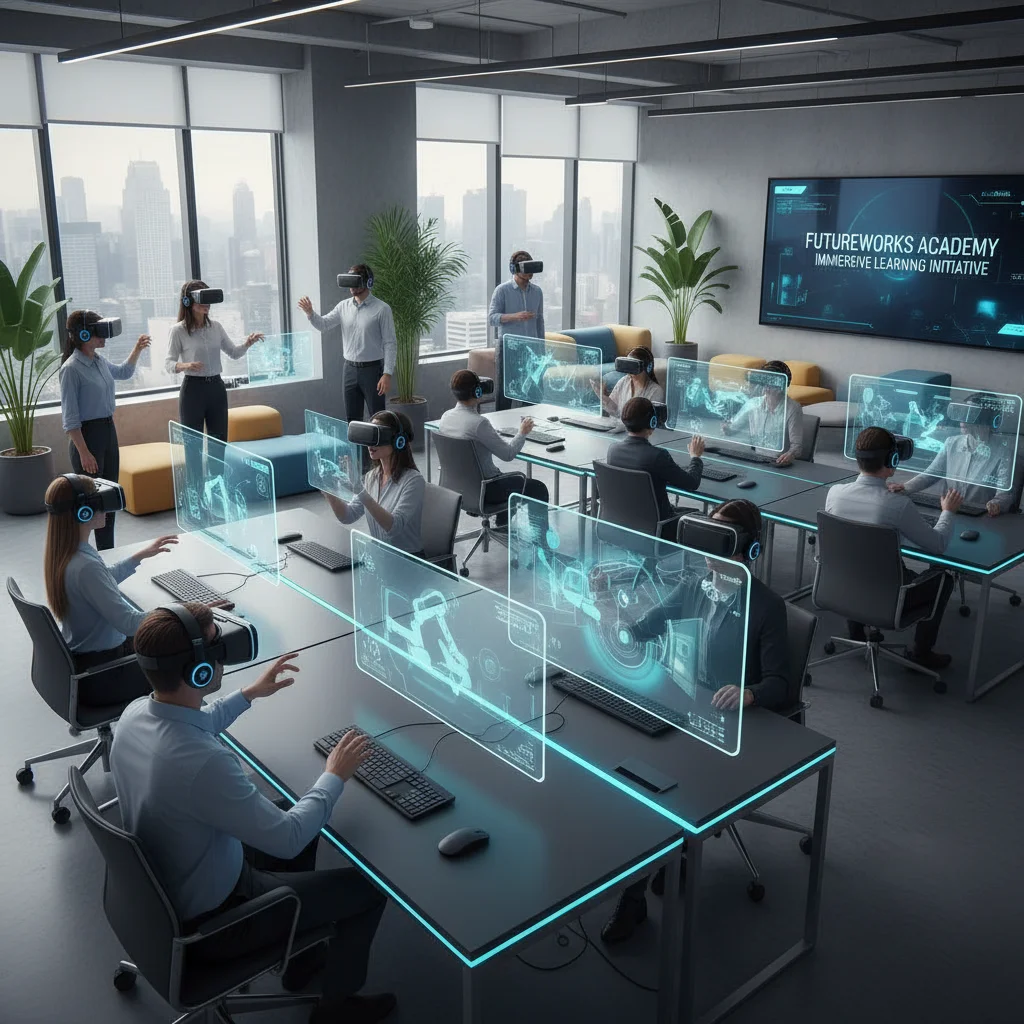
Virtual Reality (VR), Augmented Reality (AR), and sophisticated simulations are moving beyond niche applications to become mainstream tools for corporate training. These immersive technologies offer safe, realistic environments for practicing complex skills, from surgical procedures to customer service scenarios, and even leadership development. They provide unparalleled opportunities for experiential learning, significantly boosting retention and skill transfer. The cost of these technologies is decreasing, making them more accessible for broader adoption.
4. Gamification and Experiential Learning
Making learning engaging and fun is crucial for motivation. Gamification elements – points, badges, leaderboards, and challenges – are being integrated into learning platforms to boost participation and completion rates. Experiential learning, through projects, job rotations, and real-world challenges, provides hands-on opportunities to apply new skills and receive immediate feedback. These approaches foster deeper understanding and skill mastery.
5. AI-Powered Coaching and Mentoring
AI isn’t just for content delivery; it’s also transforming coaching and mentoring. AI-powered tools can provide personalized feedback, suggest next steps, and even facilitate connections between mentors and mentees. While human coaches and mentors remain invaluable, AI can augment their capabilities, providing consistent support and scalable guidance, particularly for large organizations. This allows human experts to focus on more complex developmental challenges.
6. Collaborative Learning and Social Learning Platforms
Learning is often most effective when it’s a social activity. Platforms that facilitate peer-to-peer learning, knowledge sharing, and collaborative problem-solving are becoming central to corporate learning trends. Discussion forums, communities of practice, and expert-led webinars foster a culture of continuous learning and allow employees to learn from each other’s experiences and insights. This also helps to break down departmental silos and build a more connected workforce.
7. Data Analytics for L&D Effectiveness
L&D departments are increasingly leveraging data analytics to measure the effectiveness of their programs, identify skill gaps, and predict future learning needs. By analyzing learner engagement, completion rates, performance improvements, and business outcomes, organizations can continuously optimize their learning strategies and demonstrate a clear return on investment (ROI). This data-driven approach ensures that learning initiatives are aligned with strategic business objectives.
Strategic Approaches to Workforce Development by 2026
Beyond individual skills and technologies, organizations are adopting broader strategic frameworks to integrate learning into the very fabric of their operations. These strategic corporate learning trends are crucial for long-term success:
1. Building a Culture of Continuous Learning
The most successful organizations will be those that embed learning into their DNA. This means fostering an environment where curiosity is encouraged, mistakes are seen as learning opportunities, and employees are empowered to take ownership of their development. Leadership plays a crucial role in modeling this behavior and allocating time and resources for learning. It’s about shifting from event-based training to an ongoing journey of skill acquisition.
2. Upskilling and Reskilling as a Core Business Strategy
Rather than constantly recruiting for new skills, companies are realizing the immense value of upskilling (enhancing existing skills) and reskilling (training employees for completely new roles) their current workforce. This not only addresses talent shortages but also boosts employee morale and retention. Strategic L&D programs will be designed to identify future skill needs and proactively develop internal talent pipelines, making internal mobility a key component of talent management.
3. Integration of Learning into the Flow of Work
Learning shouldn’t be a separate activity; it should be seamlessly integrated into daily workflows. This means providing on-demand access to learning resources, embedding learning prompts within software applications, and facilitating knowledge sharing during team meetings and projects. The goal is to make learning accessible and relevant precisely when and where it’s needed, minimizing disruption to productivity.
4. Focus on Human-Centric Design for Learning Experiences
Just as products and services are designed with the user in mind, so too should learning experiences. Human-centric design principles will guide the creation of engaging, intuitive, and effective learning content. This involves understanding learner motivations, preferences, and challenges, and then designing solutions that truly resonate and drive behavior change. Feedback loops and iterative design will be integral to this process.
5. Partnerships with Educational Institutions and External Providers
Organizations are increasingly recognizing that they don’t have to build all learning solutions in-house. Partnerships with universities, online learning platforms (like Coursera, edX), and specialized training providers will become more common. These collaborations allow companies to access cutting-edge content, expert instructors, and certification programs that can augment their internal L&D offerings, helping them keep pace with rapidly changing industry standards.
6. Emphasizing Psychological Safety and Inclusive Learning Environments
For learning to truly flourish, employees need to feel safe to ask questions, experiment, and make mistakes without fear of judgment. Creating psychologically safe and inclusive learning environments is a critical strategic trend. This involves promoting diversity, equity, and inclusion (DEI) in learning content and delivery, ensuring accessibility for all learners, and fostering an atmosphere of respect and open dialogue. An inclusive approach ensures that all employees have equal opportunities to develop and contribute.
7. Measuring Business Impact, Not Just Completion Rates
The days of simply tracking training completion rates are over. By 2026, L&D will be expected to demonstrate a clear and measurable impact on business outcomes – improved productivity, reduced turnover, increased innovation, and enhanced customer satisfaction. This requires robust analytics, clear key performance indicators (KPIs), and a close collaboration between L&D and other business units to link learning initiatives directly to strategic goals.
Challenges and Opportunities in the Future of Corporate Learning
While the future of corporate learning is promising, it’s not without its challenges. Organizations will need to navigate issues such as budget constraints, resistance to change, the rapid obsolescence of content, and the complexity of integrating diverse learning technologies. However, these challenges also present significant opportunities for L&D leaders to innovate, demonstrate strategic value, and cement their role as crucial drivers of organizational success.
The opportunity lies in leveraging technology to scale personalized learning, creating highly engaging and effective learning experiences, and proving the tangible business impact of L&D investments. By embracing these corporate learning trends, companies can not only equip their workforce with the skills needed for tomorrow but also cultivate a dynamic, resilient, and innovative organizational culture.
Conclusion: Preparing for the Future Workforce with Strategic Learning
The US corporate learning landscape by 2026 will be characterized by a relentless focus on agility, personalization, and measurable impact. The most valued skills will be a powerful blend of digital literacy, critical thinking, adaptability, and emotional intelligence. Organizations that proactively embrace these corporate learning trends – from adopting immersive technologies and microlearning to fostering a culture of continuous development and strategic upskilling – will be best positioned to attract, retain, and develop the talent essential for navigating an increasingly complex and competitive global marketplace.
Investing in people through strategic and forward-thinking L&D is not just about training; it’s about building a sustainable, innovative, and human-centric future for every business. The journey to 2026 is an exciting one for corporate learning, promising transformative changes that will redefine the very essence of work and professional growth.