The Future of Remote Work in the U.S. 2026: 3 Industry Insights on Hybrid Models
The seismic shift in how and where we work, catalyzed by recent global events, has permanently reshaped the professional landscape. As we look towards 2026, the notion of a traditional 9-to-5, in-office workweek seems increasingly antiquated. Instead, the United States is poised to fully embrace a more flexible, dynamic, and technology-driven approach: the hybrid work model. This comprehensive exploration delves into the nuanced future remote work in the U.S. by 2026, offering three pivotal industry insights that will define this new era of employment.
The transition has been swift and, for many, surprisingly effective. Businesses initially forced into remote operations discovered unforeseen benefits in terms of productivity, employee satisfaction, and access to a broader talent pool. However, the initial euphoria also revealed challenges, particularly concerning team cohesion, mentorship, and maintaining a distinct company culture. These challenges are precisely what the evolving hybrid model seeks to address, striking a delicate balance between the autonomy of remote work and the collaborative synergy of in-person interaction.
By 2026, the hybrid model will not just be an option but a prevalent standard across various sectors. Companies that fail to adapt risk falling behind in the race for top talent and employee retention. Understanding the intricate dynamics of this shift – from technological infrastructure to leadership strategies and cultural recalibration – is paramount for businesses, employees, and policymakers alike. This article will dissect these critical areas, providing a roadmap for navigating the complexities and capitalizing on the opportunities presented by the future remote work environment.
Insight 1: The Ubiquity of Hybrid Models and Flexible Work Arrangements
One of the most significant insights into the future remote work landscape in the U.S. by 2026 is the undeniable ubiquity of hybrid models. The pendulum will not swing back entirely to pre-pandemic office norms, nor will it settle on a fully remote paradigm for the majority of organizations. Instead, a nuanced blend will prevail, offering employees the flexibility to divide their time between working from home and collaborating in a physical office space. This flexibility is no longer a perk; it’s a fundamental expectation.
Surveys consistently show a strong preference among employees for hybrid arrangements. They value the reduced commute times, improved work-life balance, and increased autonomy offered by remote work, while also recognizing the benefits of in-person collaboration for brainstorming, team building, and social connection. Employers, in turn, are realizing that a thoughtfully implemented hybrid strategy can lead to higher employee satisfaction, lower attrition rates, and even reduced operational costs through optimized office space utilization.
Defining Hybrid: More Than Just a Blend
The term ‘hybrid’ itself is evolving. It’s not a one-size-fits-all solution. By 2026, we will see a spectrum of hybrid models tailored to specific industries, company cultures, and even individual team needs. Some organizations might adopt a ‘remote-first’ approach with occasional in-office meetings, while others might mandate a few fixed office days per week. The key will be intentionality and clear communication regarding expectations and structures.
- Fixed Hybrid: Employees are required to be in the office on specific days, offering predictability for team collaboration.
- Flexible Hybrid: Employees have more autonomy to choose their in-office days, often based on project needs or personal preference, within a set framework.
- Remote-First with Hubs: The default is remote work, but companies maintain smaller office hubs for optional collaboration, client meetings, or specific equipment needs.
The success of these models hinges on strong leadership and a culture of trust. Managers will need to be trained in leading distributed teams, focusing on outcomes rather than presenteeism. Performance management systems will shift to emphasize results and impact, rather than hours spent at a desk. This transition requires significant investment in leadership development and a re-evaluation of traditional management philosophies.
Impact on Real Estate and Urban Planning
The widespread adoption of hybrid models will have profound implications for commercial real estate. Demand for large, traditional office spaces may continue to decline, while the need for flexible co-working spaces, smaller satellite offices, and collaboration hubs will likely increase. Companies might opt for ‘hub-and-spoke’ models, with a central headquarters and several smaller, strategically located offices closer to employee residences.
Urban planning will also need to adapt. Cities that once thrived as central business districts may see a decentralization of activity, with more vibrant local communities emerging as people spend more time working and living in their neighborhoods. This could lead to a resurgence of local businesses and a re-evaluation of public transportation infrastructure.
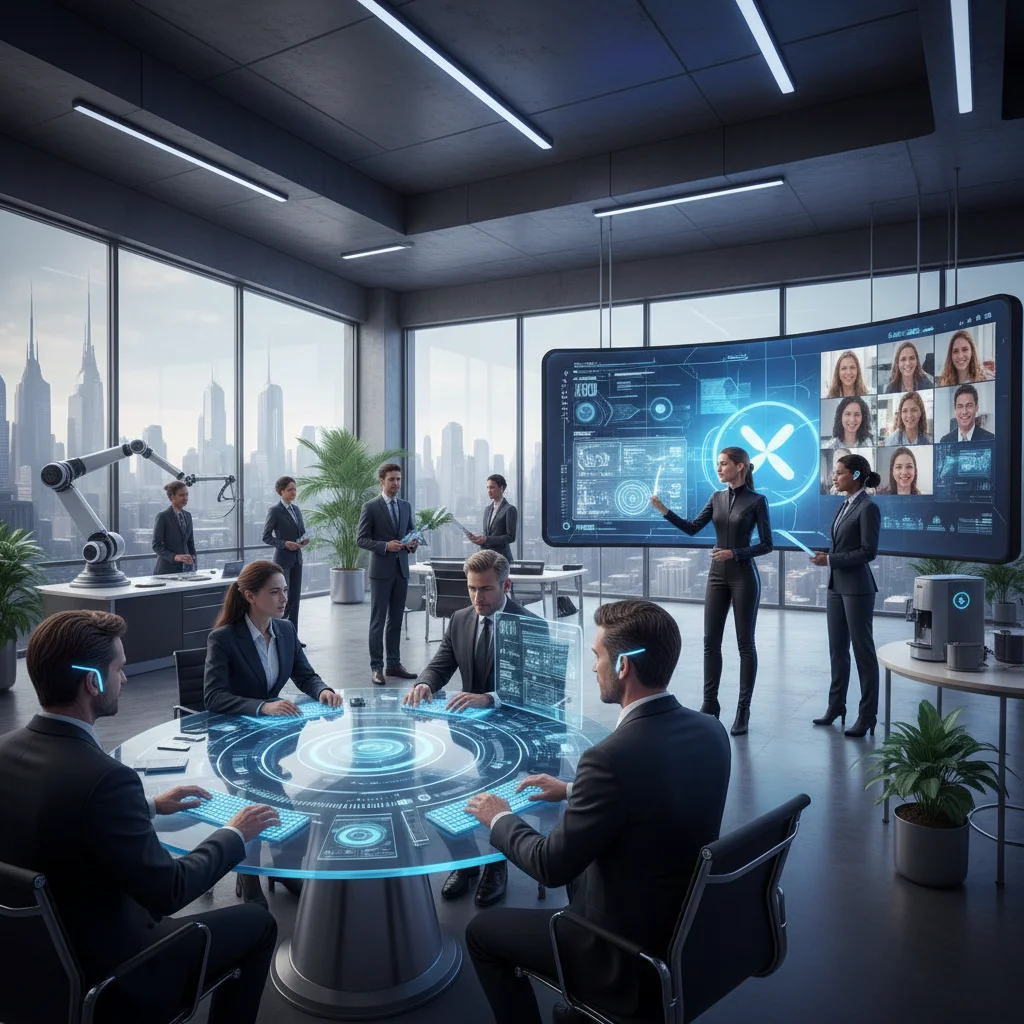
The future remote work landscape is intrinsically linked to this spatial re-imagining. Companies will strategically design their physical spaces not for individual desk work, but for collaboration, innovation, and social connection. This means more diverse meeting rooms, comfortable communal areas, and advanced technology integration to seamlessly connect in-person and remote participants.
Insight 2: Technological Advancements as the Backbone of Seamless Hybrid Work
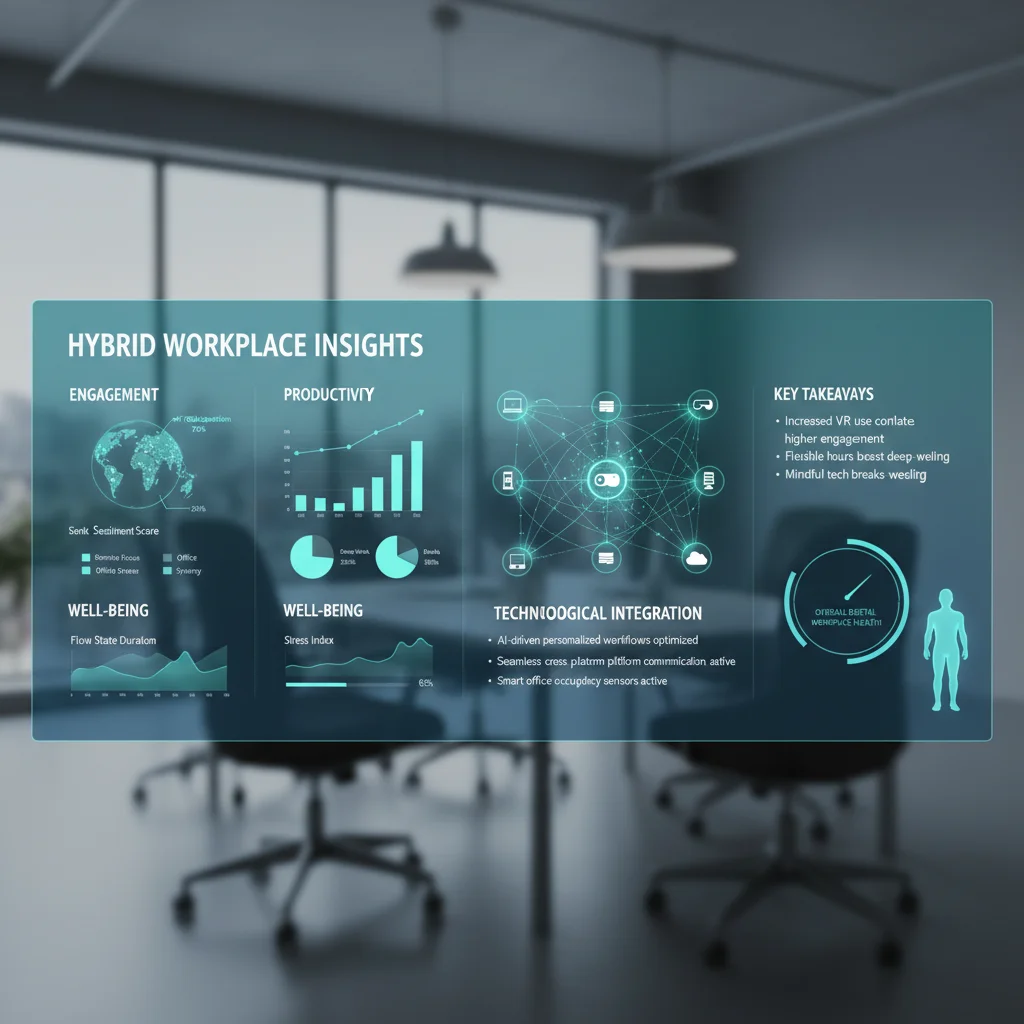
The second crucial insight is the indispensable role of technological advancements in enabling and optimizing the future remote work experience. By 2026, the technology supporting hybrid work will be far more sophisticated, intuitive, and integrated than the emergency solutions deployed during the initial pandemic lockdowns. This will encompass everything from enhanced communication tools to advanced cybersecurity and immersive virtual environments.
Evolution of Collaboration Platforms
Video conferencing and messaging apps, already central to remote work, will continue to evolve, offering richer features and more seamless integration. Expect advancements in:
- AI-Powered Assistants: Tools that can summarize meetings, transcribe conversations, assign action items, and even provide real-time language translation.
- Immersive Experiences: While not yet mainstream, virtual and augmented reality (VR/AR) will begin to play a more significant role in meetings and collaborative sessions, creating a sense of shared presence that traditional video calls lack. Imagine virtual whiteboards where remote participants can interact as if they were in the same room.
- Smart Meeting Rooms: Office spaces will be equipped with intelligent technology that automatically adjusts lighting, monitors room occupancy, and ensures equitable participation for both in-person and remote attendees through advanced audio-visual setups.
The goal is to eliminate the ‘two-tier’ meeting experience, where remote participants often feel like second-class citizens. Technology will bridge this gap, ensuring everyone has an equal voice and equal access to information, regardless of their physical location. This technological parity is vital for fostering inclusivity and preventing a divide between in-office and remote employees.
Cybersecurity and Data Protection
As workforces become more distributed, cybersecurity will remain a top priority. By 2026, companies will heavily invest in robust security infrastructures to protect sensitive data accessible from various locations and devices. This includes:
- Zero-Trust Architectures: Every user and device, regardless of location, must be verified before accessing organizational resources.
- Endpoint Security: Advanced solutions to secure laptops, smartphones, and other devices used by remote workers.
- Employee Training: Continuous education programs on best cybersecurity practices for remote environments.
The rise of AI will also introduce new challenges and solutions in cybersecurity. AI-powered threat detection systems will become more sophisticated, but bad actors will also leverage AI for more advanced phishing and cyberattacks. Staying ahead of these threats will be an ongoing battle, requiring constant vigilance and adaptation.
Tools for Productivity and Employee Well-being
Beyond communication and security, technology will also play a crucial role in managing productivity and supporting employee well-being in a distributed environment. This includes:
- Project Management Software: More intuitive and collaborative platforms that allow teams to track progress, assign tasks, and share documents seamlessly.
- AI-Powered Personalization: Tools that can help employees manage their time, minimize distractions, and even suggest optimal work schedules based on individual preferences and tasks.
- Wellness Apps and Platforms: Companies will increasingly integrate mental health and wellness resources into their technology ecosystems, offering access to mindfulness exercises, virtual therapy, and ergonomic guidance for home offices.
The future remote work depends on technology not just as a facilitator, but as an enabler of a healthier, more productive, and more connected workforce. The focus will shift from simply enabling remote work to actively optimizing the entire employee experience, regardless of location.
Insight 3: The Evolution of Workplace Culture and Leadership for Distributed Teams
The third and perhaps most critical insight for the future remote work in the U.S. by 2026 concerns the profound evolution of workplace culture and leadership. Technology can provide the tools, and hybrid models can offer the structure, but without a deliberate and empathetic cultural shift, these initiatives will falter. The focus will be on fostering psychological safety, inclusivity, and intentional connection in a distributed environment.
Rethinking Leadership and Management
Traditional management styles, often rooted in proximity and direct observation, are ill-suited for hybrid teams. Leaders in 2026 will need to:
- Lead with Empathy and Trust: Building trust becomes paramount when direct oversight is reduced. Leaders must trust their teams to deliver results and provide the autonomy necessary for success.
- Focus on Outcomes, Not Hours: Performance evaluations will increasingly emphasize deliverables and impact rather than time spent online or in the office.
- Master Communication: Clear, consistent, and transparent communication is essential. Leaders must be adept at using various channels – from asynchronous messages to scheduled video calls – to keep teams informed and engaged.
- Champion Inclusivity: Ensuring that remote employees feel just as valued, heard, and connected as their in-office counterparts is crucial to prevent a ‘two-tier’ workforce.
This requires a significant investment in leadership training and development. Companies will need to equip their managers with the skills to motivate, mentor, and manage diverse teams across geographical boundaries. The ability to foster a sense of belonging and psychological safety will be a hallmark of successful leaders in the hybrid era.
Building and Maintaining Company Culture
Company culture, once implicitly built through shared physical spaces and spontaneous interactions, must now be intentionally designed and actively nurtured. By 2026, organizations will employ creative strategies to maintain a strong cultural fabric:
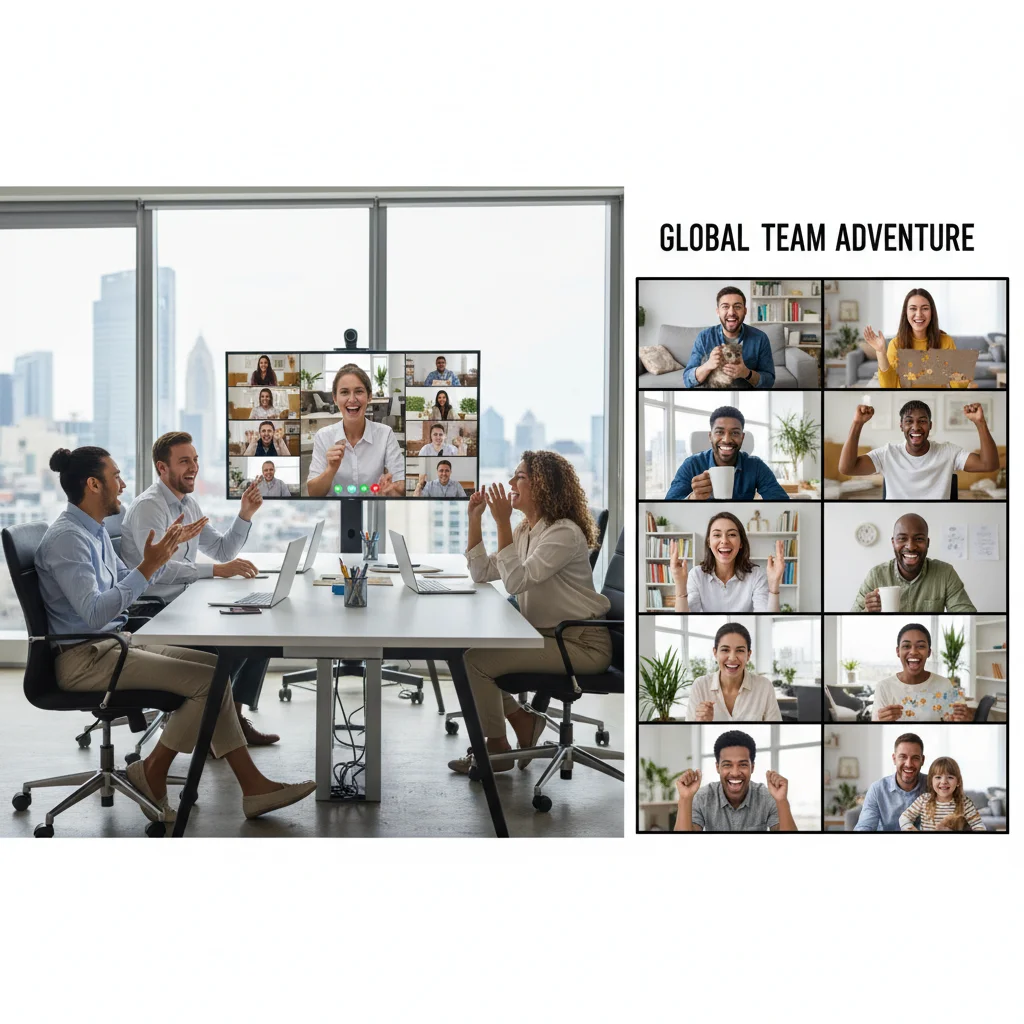
- Intentional Social Connections: Organizing virtual happy hours, online game nights, and hybrid team-building events that cater to both in-person and remote participants.
- Shared Values and Purpose: Regularly reinforcing company mission, vision, and values through all communication channels to create a sense of shared purpose.
- Hybrid Onboarding Programs: Developing comprehensive onboarding experiences that seamlessly integrate new hires into the company culture, whether they start remotely or in the office.
- Recognition and Appreciation: Implementing robust recognition programs that celebrate achievements and contributions, ensuring all employees feel seen and appreciated.
The future remote work environment demands a culture that values flexibility, autonomy, and work-life integration. Companies that foster such cultures will be more attractive to top talent and more resilient in the face of change. This cultural shift isn’t just about making remote work viable; it’s about creating a more humane and effective way of working for everyone.
Focus on Employee Well-being and Mental Health
The shift to hybrid work has brought increased awareness to employee well-being and mental health. By 2026, companies will integrate these considerations directly into their cultural framework. This includes:
- Flexible Schedules and Boundaries: Encouraging employees to set clear boundaries between work and personal life to prevent burnout.
- Mental Health Resources: Providing easy access to counseling, therapy, and mindfulness resources.
- Promoting Digital Detox: Encouraging breaks from screens and advocating for work-free periods.
- Training for Managers: Equipping leaders to recognize signs of stress and burnout in their teams and to offer appropriate support.
A thriving future remote work environment is one where employees feel supported, respected, and empowered to manage their well-being. Companies that prioritize this will not only see healthier employees but also higher productivity and retention rates.
The Economic and Societal Ramifications of Future Remote Work
Beyond the immediate workplace, the widespread adoption of hybrid models and the future remote work paradigm will have significant economic and societal ramifications across the U.S. These changes will touch everything from local economies to infrastructure development and workforce demographics.
Decentralization and Regional Growth
As the necessity of living in expensive urban centers diminishes for many, we can expect a continued trend of decentralization. People will have more freedom to choose where they live, potentially leading to a revitalization of smaller towns and suburban areas. This shift could distribute economic growth more evenly across regions, alleviating some of the pressure on overcrowded metropolitan areas and fostering new local economies.
However, this also presents challenges. Rural and suburban areas will need to invest in robust digital infrastructure, including high-speed internet access, to support a growing remote workforce. Local governments will also need to adapt their services and amenities to cater to a changing population base.
Impact on Diversity and Inclusion
The future remote work environment holds immense potential for enhancing diversity and inclusion. By removing geographical barriers, companies can access a much broader and more diverse talent pool. This allows organizations to hire individuals from different socioeconomic backgrounds, regions, and with varying abilities, who might have been excluded by traditional office-centric models.
For individuals with disabilities, caregivers, or those in remote locations, hybrid work offers unprecedented opportunities for employment and career advancement. However, companies must also be vigilant to ensure that remote workers are not overlooked for promotions or development opportunities, actively working to create equitable career paths for all employees, regardless of their work location.
Environmental Benefits
A reduction in daily commutes, particularly single-occupancy vehicle trips, has significant environmental benefits. Less traffic congestion means lower carbon emissions, cleaner air, and reduced demand for fossil fuels. While business travel may still occur, the overall ecological footprint of the workforce is likely to decrease with sustained hybrid models.
Companies can further amplify these benefits by adopting sustainable practices in their smaller, more efficient office spaces and encouraging eco-friendly commuting options for in-office days. The future remote work contributes to a broader movement towards a more sustainable society.
Challenges and Considerations for 2026 and Beyond
While the outlook for the future remote work is largely positive, it’s crucial to acknowledge the challenges that will need continuous attention and innovative solutions:
- Digital Divide: Ensuring equitable access to reliable internet and appropriate technology for all employees, regardless of their socioeconomic status or geographical location.
- Maintaining Innovation: While hybrid models facilitate collaboration, some argue that spontaneous, in-person interactions are crucial for breakthrough innovation. Companies will need to design intentional strategies to foster creativity in distributed teams.
- Regulatory Landscape: Governments and labor organizations will need to adapt regulations concerning remote work, including issues of taxation, labor laws, and occupational health and safety across different jurisdictions.
- Burnout and Work-Life Blurring: The flexibility of remote work can sometimes lead to an ‘always-on’ culture. Companies must actively promote work-life boundaries and provide resources to prevent burnout.
Addressing these challenges will require ongoing dialogue, experimentation, and a commitment from both organizations and individuals to adapt and evolve. The future remote work is not a static destination but a dynamic process of continuous improvement.
Conclusion: Embracing the Evolving Future Remote Work
By 2026, the future remote work in the U.S. will be characterized by a sophisticated and widely adopted hybrid model. This shift is not merely a temporary adjustment but a fundamental redefinition of the workplace, driven by employee preferences, technological innovation, and a growing understanding of what constitutes an effective and humane work environment. The three insights – the ubiquity of hybrid models, the foundational role of advanced technology, and the evolution of leadership and culture – will be critical pillars supporting this transformation.
Organizations that proactively embrace these changes, investing in flexible policies, robust technological infrastructure, and empathetic leadership, will be best positioned to thrive. They will attract and retain top talent, foster innovation, and build resilient, adaptable workforces capable of navigating future uncertainties. The journey towards this new work paradigm is ongoing, demanding continuous learning and adaptation from all stakeholders.
The future of work is undeniably flexible, distributed, and deeply human-centric. As we move towards 2026, the successful integration of remote and in-person work will not just be a competitive advantage but a prerequisite for sustained success in the modern economy. Businesses, employees, and society at large stand to benefit from a thoughtfully designed and implemented future remote work ecosystem.