Consumer Behavior Shifts: Reshaping U.S. Retail in 2026
Consumer Behavior Shifts: How New Spending Patterns are Reshaping U.S. Retail in 2026
The retail landscape is in a constant state of flux, a dynamic ecosystem where businesses must continually adapt to survive and thrive. As we look towards 2026, the United States retail sector is poised for significant transformation, driven primarily by profound consumer behavior shifts. These shifts are not merely fleeting trends but fundamental changes in how individuals interact with brands, make purchasing decisions, and define value. Understanding these evolving patterns is critical for retailers aiming to remain relevant and competitive in an increasingly complex market.
The past few years have accelerated many underlying trends, pushing digital adoption to unprecedented levels and fostering new expectations around convenience, personalization, and social responsibility. From the surge in e-commerce to the growing demand for sustainable products and experiences, the modern consumer is more informed, empowered, and discerning than ever before. This article will delve into the core consumer behavior shifts that are reshaping U.S. retail by 2026, offering insights into what businesses need to consider to navigate this evolving environment successfully.
The Digital Imperative: Seamless Omni-channel Experiences
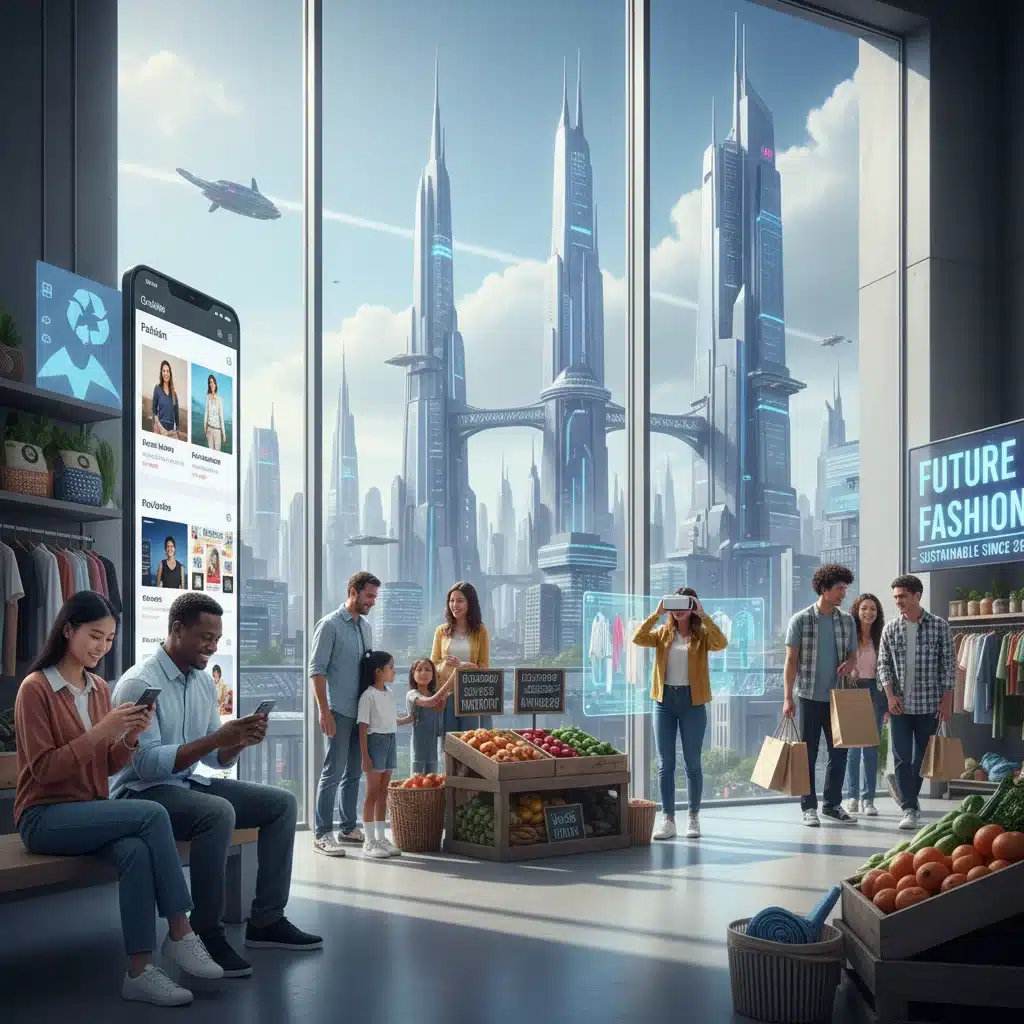
One of the most undeniable consumer behavior shifts is the pervasive integration of digital technologies into every facet of the shopping journey. By 2026, a truly seamless omni-channel experience will no longer be a competitive advantage but a fundamental expectation. Consumers expect to move effortlessly between online browsing, in-app shopping, social media discovery, and physical store visits, with consistent branding, pricing, and inventory information across all touchpoints.
The COVID-19 pandemic significantly accelerated digital adoption, pushing even reluctant shoppers online. While physical stores have seen a resurgence, the digital habits formed during that period have largely stuck. Consumers now leverage their smartphones not just for online purchases but also for in-store price comparisons, product reviews, and contactless payments. Retailers must invest heavily in robust e-commerce platforms, mobile-optimized websites, and intuitive apps that mirror the in-store experience and vice-versa.
This includes features like buy online, pick up in-store (BOPIS) or curbside pickup, which blend the convenience of online shopping with the immediacy of physical retail. Augmented reality (AR) and virtual reality (VR) are also gaining traction, allowing consumers to virtually try on clothes, visualize furniture in their homes, or explore products in immersive digital environments before making a purchase. These technologies enhance the online shopping experience, reducing returns and increasing customer satisfaction. The businesses that master this digital-physical synergy will be best positioned to capture the hearts and wallets of consumers by 2026.
Personalization at Scale: Beyond Basic Recommendations
Another critical aspect of the evolving consumer behavior shifts is the demand for hyper-personalization. Generic marketing messages and one-size-fits-all product offerings are increasingly ineffective. Modern consumers expect brands to understand their individual preferences, purchase history, and even their current context to deliver tailored recommendations and experiences.
By 2026, personalization will extend far beyond simple product suggestions based on past purchases. It will involve leveraging artificial intelligence (AI) and machine learning (ML) to analyze vast amounts of data, predicting future needs and proactively offering relevant solutions. This could mean personalized product bundles, customized promotions delivered at opportune moments, or even dynamic pricing based on individual customer loyalty and engagement.
The challenge for retailers lies in collecting and utilizing this data responsibly and ethically. Transparency around data collection practices and clear communication about how data is used to enhance the customer experience will be crucial for building trust. Brands that can deliver truly personalized experiences while respecting consumer privacy will forge stronger, more lasting relationships. This level of personalization is not just about increasing sales; it’s about making the customer feel seen, understood, and valued, fostering loyalty in a crowded market.
The Rise of the Conscious Consumer: Values-Driven Purchases
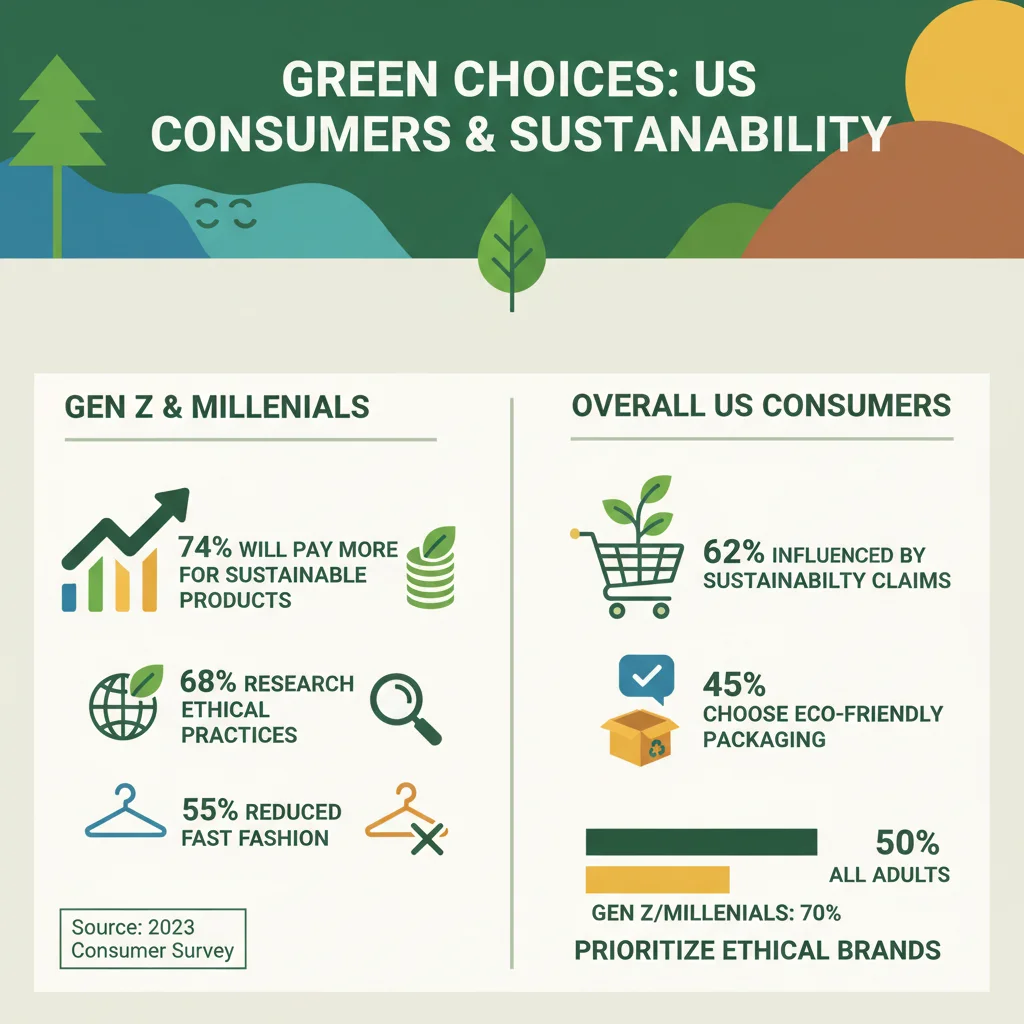
Perhaps one of the most profound and impactful consumer behavior shifts is the rise of the conscious consumer. Today’s shoppers, particularly younger generations like Gen Z and Millennials, are increasingly making purchasing decisions based on their values. Ethical considerations, environmental impact, and social responsibility are no longer niche concerns but mainstream drivers of consumption.
By 2026, brands that demonstrate a genuine commitment to sustainability, fair labor practices, and community engagement will gain a significant competitive edge. Consumers are scrutinizing supply chains, demanding transparency, and actively seeking out products and companies that align with their personal ethics. This means retailers must not only adopt sustainable practices but also communicate them effectively and authentically.
This trend manifests in several ways: a preference for eco-friendly packaging, a demand for sustainably sourced materials, an interest in brands that give back to society, and a willingness to pay a premium for products that meet these criteria. The fast-fashion model, for instance, is increasingly under pressure as consumers opt for durable, high-quality items or explore second-hand and rental options. Retailers who ignore these value-driven consumer behavior shifts do so at their peril, risking reputational damage and alienation of a growing segment of the market.
Sustainability and Circular Economy Models
The conscious consumer’s focus on sustainability is driving interest in circular economy models. This involves designing products for longevity, enabling easy repair, promoting reuse, and facilitating recycling. Retailers are exploring initiatives like take-back programs for old electronics or clothing, offering repair services, and even launching rental services for items like formal wear or tools. These models not only appeal to environmentally conscious consumers but can also create new revenue streams and foster deeper customer engagement.
Transparency is key here. Brands that can clearly articulate their sustainability efforts, backed by verifiable data and certifications, will build trust. Greenwashing – making unsubstantiated claims about environmental friendliness – will be met with skepticism and can severely damage a brand’s reputation. Authenticity and measurable impact are paramount in this new era of values-driven consumption.
The Experience Economy: Beyond Products to Engagement
In a world saturated with products, another significant consumer behavior shift is the growing emphasis on experiences over mere possessions. Consumers are increasingly seeking out unique, memorable, and shareable experiences, and retailers are responding by transforming their physical spaces into destinations for engagement rather than just transaction points.
By 2026, successful brick-and-mortar stores will be more than just places to buy goods; they will be hubs for community, education, and entertainment. This could involve hosting workshops, offering interactive product demonstrations, creating Instagrammable moments, or providing personalized styling consultations. The goal is to create an environment where customers feel connected to the brand and enjoy spending time, fostering loyalty that extends beyond a single purchase.
This trend is also evident in the rise of subscription boxes that curate experiences, online communities built around shared interests, and brands that offer exclusive events or content to their loyal customers. The value proposition shifts from ‘what I buy’ to ‘how I feel’ and ‘what I experience.’ Retailers must think creatively about how they can infuse experiential elements into both their physical and digital touchpoints to capture the attention and loyalty of modern consumers.
Community and Connection
Beyond individual experiences, consumers are also seeking a sense of community and connection. Social commerce, where purchasing decisions are influenced by peer recommendations and social media trends, is flourishing. Retailers can tap into this by building strong online communities, collaborating with influencers who genuinely resonate with their target audience, and creating platforms where customers can interact with each other and with the brand.
This goes hand-in-hand with the demand for authenticity. Consumers are more likely to trust recommendations from friends, family, or trusted influencers than traditional advertising. Brands that can foster genuine connections and build communities around their values and products will see increased engagement and ultimately, stronger sales.
Convenience Redefined: Speed, Simplicity, and Accessibility
The modern consumer lives in an on-demand world, and convenience is paramount. The definition of convenience, however, has expanded beyond mere speed to encompass simplicity, accessibility, and effortlessness across the entire shopping journey. These consumer behavior shifts place immense pressure on retailers to streamline operations and optimize every touchpoint.
By 2026, consumers will expect ultra-fast delivery options, easy returns, and intuitive user interfaces that minimize friction. This means investing in robust logistics networks, efficient inventory management systems, and user-friendly digital platforms. The rise of quick commerce – delivering groceries and other essentials in minutes – is a testament to this insatiable demand for immediacy.
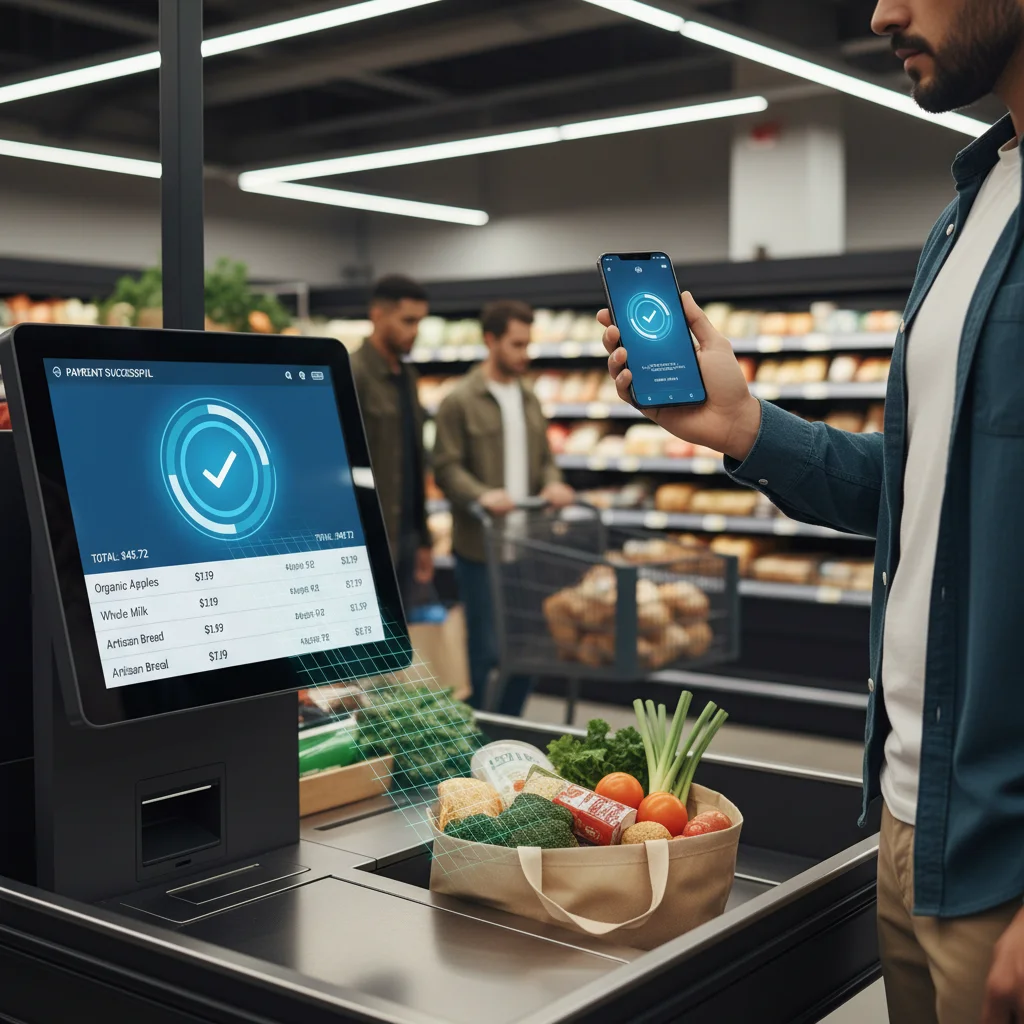
Accessibility also extends to payment options, with consumers expecting a variety of choices from traditional credit cards to digital wallets and ‘buy now, pay later’ (BNPL) services. The checkout process, whether online or in-store, must be swift and seamless. Any friction points can lead to abandoned carts and lost sales. Retailers who can master the art of effortless shopping will win significant market share.
The Role of AI in Enhancing Convenience
Artificial intelligence (AI) is playing an increasingly vital role in redefining convenience. AI-powered chatbots provide instant customer support, resolving queries quickly and efficiently. AI-driven recommendation engines personalize shopping experiences, reducing the time consumers spend searching for products. Automated inventory management ensures products are always in stock, preventing disappointment. Even in-store, AI can optimize store layouts and staffing to improve the shopping flow.
The integration of AI is not just about automation; it’s about intelligently anticipating consumer needs and providing solutions before they even articulate them. This proactive approach to convenience will be a key differentiator for retailers by 2026.
The Evolving Role of Physical Stores: Showrooms and Fulfillment Hubs
Despite the digital acceleration, physical stores are far from obsolete. However, their role is undergoing a significant transformation due to the ongoing consumer behavior shifts. By 2026, many brick-and-mortar locations will function less as traditional sales floors and more as experiential showrooms, fulfillment hubs, and community centers.
As showrooms, physical stores offer consumers the opportunity to touch, feel, and experience products in person before making a purchase, which they might then complete online. This is particularly important for high-value items or products where tactile experience is crucial. Stores can also serve as powerful branding tools, immersing customers in the brand’s aesthetic and values.
Concurrently, many physical stores are being repurposed as micro-fulfillment centers, supporting BOPIS, curbside pickup, and even last-mile delivery services. This hybrid model leverages the store’s proximity to customers, offering speed and convenience that pure e-commerce players often struggle to match. This transformation requires retailers to rethink store design, inventory management, and staff training to support these dual functions effectively.
The Human Touch in a Digital World
While technology drives much of the change, the human element remains vital. In an increasingly digital world, the ability of store associates to provide exceptional, personalized service becomes a key differentiator. Knowledgeable staff who can offer expert advice, solve problems, and build rapport create memorable experiences that technology alone cannot replicate.
By 2026, the best retailers will empower their store associates with digital tools – such as tablets with customer data and inventory information – enabling them to provide a truly integrated and personalized service that bridges the online and offline worlds. The physical store, when reimagined strategically, can become a powerful asset in a retailer’s omni-channel strategy.
Data Privacy and Trust: A Non-Negotiable Foundation
As retailers increasingly rely on data to understand and serve their customers, the issue of data privacy and trust has become a paramount concern. These consumer behavior shifts mean that consumers are more aware of their digital footprint and are demanding greater control over their personal information.
By 2026, demonstrating a strong commitment to data privacy will be non-negotiable for retailers. This involves not only complying with regulations like CCPA and potential federal privacy laws but also going above and beyond to earn and maintain customer trust. Transparent data collection policies, clear consent mechanisms, and robust security measures will be essential.
Breaches of trust can be devastating, leading to significant reputational damage and loss of customer loyalty. Retailers must communicate clearly about how customer data is protected and used to enhance their shopping experience, ensuring that personalization never feels intrusive or exploitative. Building a foundation of trust around data practices will be critical for long-term success.
Ethical AI and Algorithmic Transparency
As AI becomes more integrated into retail operations, ethical considerations around its use will also come to the forefront. Consumers will expect transparency regarding how algorithms make recommendations, personalize prices, or even influence product availability. Avoiding bias in AI systems and ensuring fairness in automated decision-making will be crucial for maintaining consumer trust.
Retailers who adopt principles of ethical AI, prioritizing fairness, accountability, and transparency, will not only meet regulatory requirements but also build a stronger, more trusted relationship with their customer base. This responsible approach to technology will be a hallmark of leading retailers in 2026.
Adapting to the Future: Strategies for Retailers
Navigating these complex consumer behavior shifts requires a proactive and adaptable approach from retailers. Here are key strategies for success:
- Invest in Technology: Embrace AI, machine learning, AR/VR, and robust e-commerce platforms to create seamless, personalized, and convenient experiences.
- Prioritize Omni-channel Integration: Break down silos between online and offline channels to offer a consistent and fluid customer journey.
- Embrace Sustainability and Ethics: Integrate sustainable practices throughout the supply chain and communicate these efforts authentically to appeal to conscious consumers.
- Focus on Experiences: Transform physical stores into experiential hubs and create engaging brand interactions across all touchpoints.
- Redefine Convenience: Optimize for speed, simplicity, and accessibility, from ultra-fast delivery to effortless payment options.
- Build Trust Through Transparency: Be open and honest about data collection, privacy policies, and ethical practices.
- Empower Store Associates: Equip staff with tools and training to provide exceptional service that complements digital offerings.
- Foster Community: Create platforms for customer interaction and leverage social commerce to build loyalty.
The retail landscape of 2026 will be characterized by rapid innovation, personalized experiences, and a strong emphasis on values. Retailers who understand and strategically respond to these fundamental consumer behavior shifts will not only survive but thrive, building resilient businesses that resonate deeply with the modern consumer.
Conclusion: The Future is Consumer-Centric
The U.S. retail sector is on the cusp of an exciting yet challenging era, shaped by profound consumer behavior shifts. The traditional model of retail, centered solely on transactions, is giving way to a more holistic, consumer-centric approach. By 2026, success will be defined by a retailer’s ability to offer seamless omni-channel experiences, hyper-personalization, value-driven products, and engaging interactions, all underpinned by a foundation of trust and transparency.
Retailers must view these shifts not as obstacles but as opportunities to innovate, differentiate, and build deeper, more meaningful relationships with their customers. Those who embrace digital transformation, prioritize sustainability, and focus on delivering exceptional, personalized experiences will be the ones that lead the way in the evolving U.S. retail landscape. The future of retail is not just about what consumers buy, but how, why, and from whom they choose to buy, making adaptability and foresight the most valuable currencies for businesses today.