The Great Reshuffle 2026: Adapting U.S. Talent Strategies

The Great Reshuffle Continues: How U.S. Companies are Adapting Talent Strategies in 2026
The year is 2026, and the reverberations of what has been dubbed ‘The Great Reshuffle’ continue to shape the U.S. labor market. What began as a seismic shift in employee expectations and priorities during the early 2020s has evolved into a persistent force, fundamentally altering how U.S. companies are approaching their U.S. talent strategies. This isn’t just about hiring; it’s a holistic re-evaluation of attraction, retention, development, and engagement in an era where employee empowerment is at an all-time high. Companies that once dictated terms are now actively listening, adapting, and innovating to secure and nurture their most valuable asset: their people.
Understanding the nuances of this ongoing transformation is critical for any organization aiming for sustainable growth and competitive advantage. The traditional paradigms of work have been shattered, replaced by a dynamic landscape where flexibility, purpose, and well-being are not just perks but fundamental expectations. This article delves deep into the multifaceted ways U.S. companies are responding to these shifts, exploring the challenges they face and the innovative solutions they are implementing to thrive in the new talent economy.
Understanding the Evolving Landscape of U.S. Talent Strategies
The Great Reshuffle, far from being a transient phenomenon, has solidified its place as a defining characteristic of the 2026 U.S. labor market. Its origins lie in a confluence of factors: the pandemic-induced introspection about work-life balance, the rise of remote work capabilities, increased access to information about compensation and benefits, and a generational shift in values. Employees are no longer content with merely a job; they seek meaningful work, supportive cultures, and opportunities for growth that align with their personal values. This has put immense pressure on organizations to rethink every aspect of their U.S. talent strategies.
One of the most significant impacts has been the sustained shift in power dynamics. Where employers once held the upper hand, today’s skilled professionals often dictate terms, demanding greater autonomy, competitive compensation, and robust development pathways. This has led to a highly competitive talent market, particularly in specialized fields, making effective talent acquisition and retention more challenging than ever. Companies are realizing that a ‘one-size-fits-all’ approach to talent is no longer viable. Customization, personalization, and empathy are becoming the cornerstones of successful U.S. talent strategies.
Moreover, the rise of the ‘gig economy‘ and the increasing popularity of contract and freelance work have added another layer of complexity. Organizations must now consider how to integrate contingent workers into their overall workforce strategy, ensuring seamless collaboration and maintaining a strong company culture, even with a fluid talent pool. The boundaries between permanent employees and external contractors are blurring, necessitating agile and adaptable U.S. talent strategies that can accommodate diverse working arrangements.
The economic climate also plays a crucial role. While some sectors experience rapid growth and high demand for talent, others face unique challenges, such as automation and evolving industry standards. This necessitates a strategic foresight in workforce planning, ensuring that the organization’s talent pipeline is resilient and capable of adapting to future disruptions. Investing in predictive analytics and scenario planning for human capital is no longer a luxury but a necessity for robust U.S. talent strategies.
Key Challenges Facing U.S. Companies in 2026
As U.S. companies navigate the ongoing Great Reshuffle, several critical challenges stand out, demanding innovative and strategic responses in their U.S. talent strategies:
- Talent Shortages and Skill Gaps: Despite economic fluctuations, specific industries and roles continue to face acute talent shortages. The rapid pace of technological advancement means that skills acquired just a few years ago can quickly become obsolete. Companies struggle to find candidates with the right blend of technical expertise and crucial soft skills like adaptability, critical thinking, and emotional intelligence. This gap is a significant hurdle for growth and innovation.
- Employee Retention and Turnover: The ‘quit rate’ remains elevated compared to pre-pandemic levels. Employees are more willing to leave jobs that don’t meet their evolving expectations regarding compensation, work-life balance, career growth, or company culture. High turnover incurs substantial costs in recruitment, onboarding, and lost productivity, making retention a top priority for U.S. talent strategies.
- Managing Hybrid and Remote Work Effectively: While flexible work models have become the norm, managing them effectively presents ongoing challenges. Ensuring equitable opportunities for career progression, fostering a cohesive culture across distributed teams, maintaining productivity, and preventing burnout among remote workers require intentional strategies and robust technological infrastructure.
- Employee Well-being and Mental Health: The increased awareness of mental health in the workplace has put pressure on companies to provide comprehensive support. Burnout, stress, and anxiety are prevalent, and organizations are expected to offer more than just EAPs. A holistic approach to employee well-being is now a critical component of attractive U.S. talent strategies.
- Diversity, Equity, and Inclusion (DEI) Integration: While DEI initiatives have gained traction, truly embedding them into the organizational fabric remains a challenge. Moving beyond performative gestures to create genuinely inclusive environments where all employees feel valued, heard, and have equitable opportunities for advancement requires continuous effort and systemic changes in U.S. talent strategies.
- Adapting to AI and Automation: The accelerating integration of Artificial Intelligence and automation into various business functions raises questions about the future of work. Companies must strategize how to leverage these technologies while reskilling their workforce to work alongside AI, preventing job displacement, and creating new roles that add value.
Innovative U.S. Talent Strategies for 2026 and Beyond
To overcome these challenges, U.S. companies are deploying a range of innovative U.S. talent strategies, reshaping their approach to human capital:
1. Prioritizing Internal Mobility and Upskilling
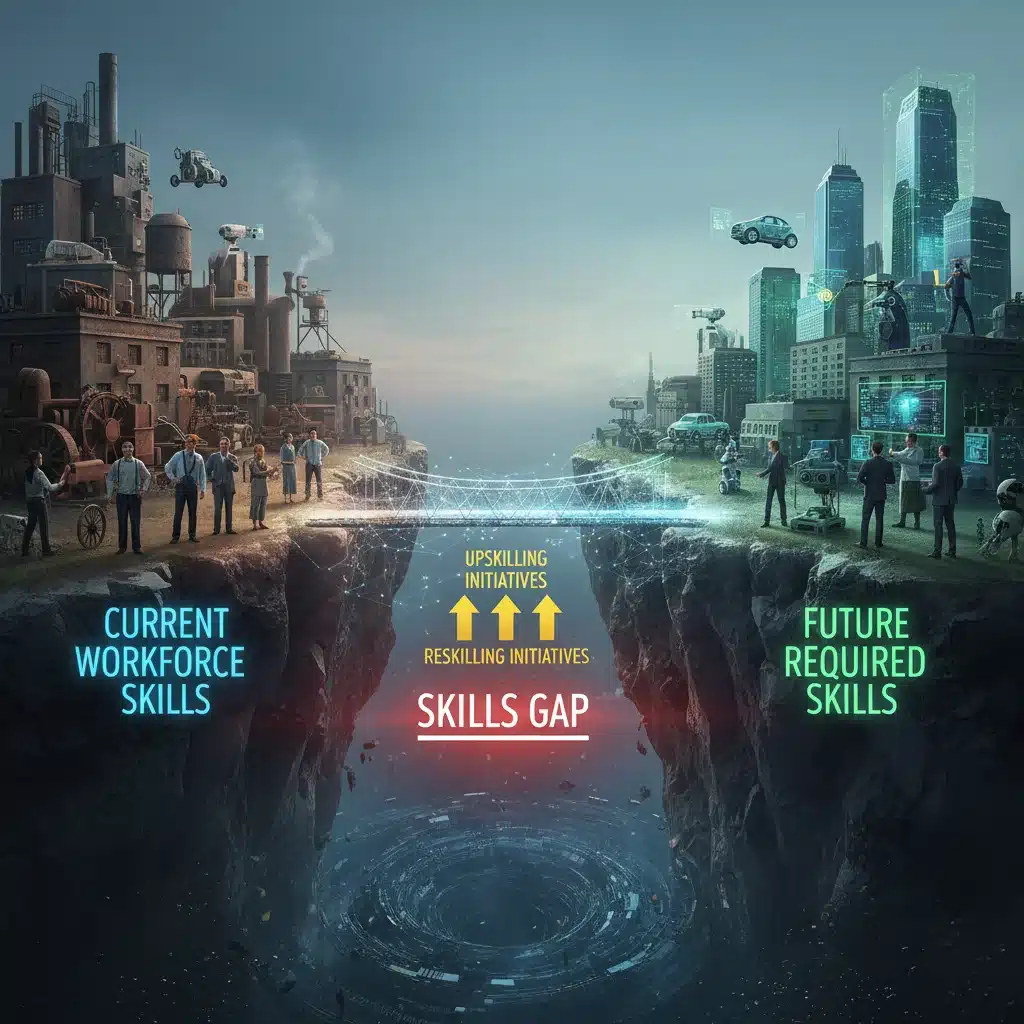
Recognizing the cost and difficulty of external hiring, many organizations are heavily investing in internal talent development. This involves creating clear pathways for career progression, offering extensive training and development programs, and promoting a culture of continuous learning. Upskilling and reskilling initiatives are paramount to address skill gaps proactively. Companies are utilizing internal talent marketplaces and AI-powered platforms to match employees with new roles, projects, and learning opportunities, fostering a dynamic internal ecosystem. This not only retains valuable institutional knowledge but also significantly boosts employee engagement and loyalty.
For example, a major tech firm might implement a ‘Skill-Swap’ program, allowing employees to temporarily transition to different departments to learn new competencies, thus diversifying their skill set and preparing them for future roles within the company. This proactive approach to talent development is a cornerstone of modern U.S. talent strategies.
2. Embracing Hyper-Flexibility and Personalized Work Models
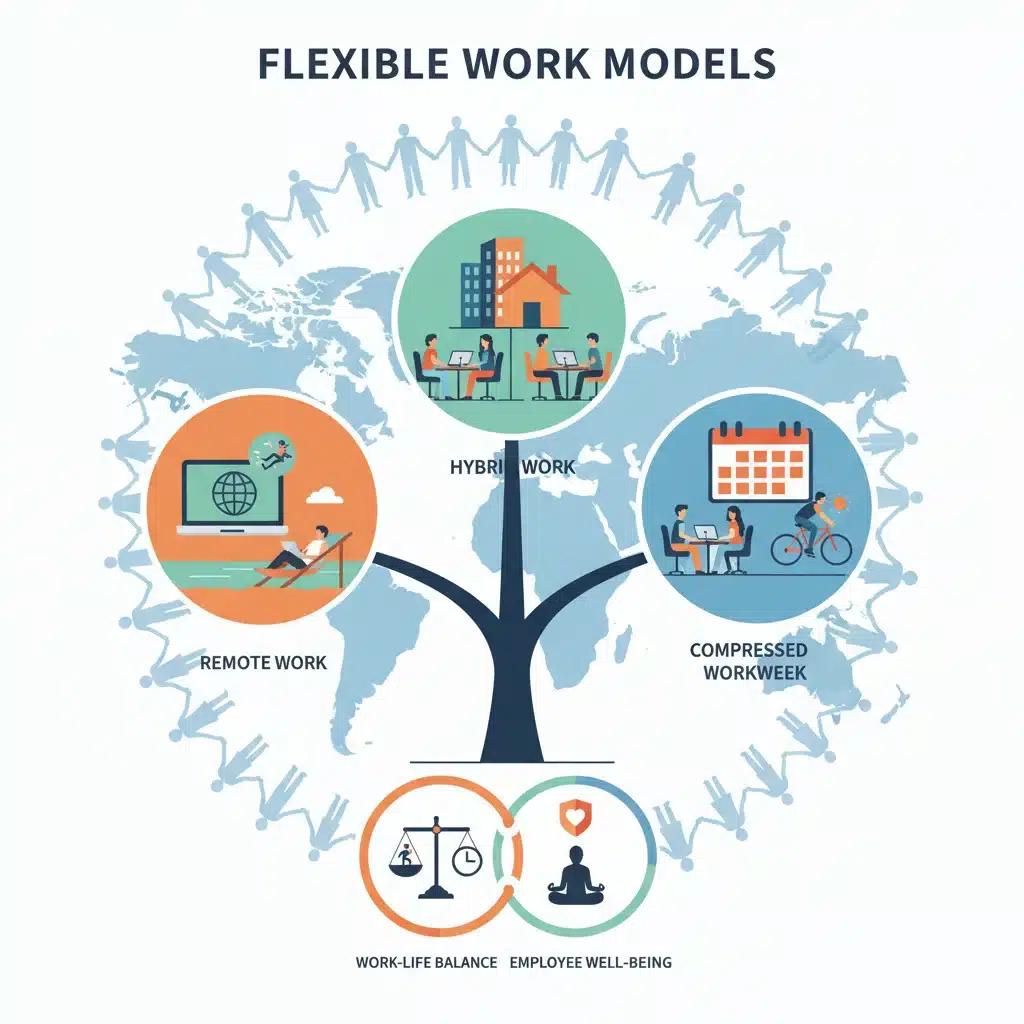
Beyond simply offering remote work, companies are moving towards ‘hyper-flexibility,’ allowing employees greater control over where, when, and even how they work. This includes hybrid models with flexible office days, compressed workweeks, seasonal work, and even bespoke arrangements tailored to individual needs. The focus is on output and results, rather than hours clocked or physical presence. This personalization acknowledges that employees have diverse lives outside of work and that accommodating these needs leads to higher satisfaction and productivity.
For instance, some organizations are implementing ‘four-day workweeks’ or ‘choice-based office attendance,’ where employees decide their in-office days based on project needs and personal preferences. Such initiatives are proving highly attractive in the competitive landscape of U.S. talent strategies.
3. Investing in Holistic Employee Well-being
Well-being programs are evolving beyond basic health insurance to encompass mental, physical, financial, and social health. Companies are offering robust mental health support, including access to therapy and mindfulness resources, financial literacy programs, and initiatives that foster social connection and community. Creating a culture where well-being is openly discussed and supported is crucial for preventing burnout and enhancing overall employee resilience. This demonstrates a genuine care for employees, which is a powerful retention tool.
Many companies are now offering ‘well-being days’ or stipends for personal development and mental health resources, integrating these benefits directly into their compensation and benefits packages as a core part of their U.S. talent strategies.
4. Data-Driven Talent Acquisition and Management
Leveraging advanced analytics and AI, companies are making more informed decisions across the entire talent lifecycle. This includes predictive analytics for identifying potential turnover risks, AI-powered tools for unbiased resume screening, and data-driven insights into employee sentiment and engagement. By understanding workforce trends and individual needs, organizations can tailor their U.S. talent strategies more effectively, from optimizing recruitment channels to personalizing development plans.
For example, HR departments are using machine learning to analyze successful employee profiles and identify key traits for future hires, reducing bias and improving hiring efficiency. This analytical rigor is transforming U.S. talent strategies.
5. Redefining Leadership and Management for the New Era
The shift to hybrid and remote work, coupled with increased employee expectations, demands a new style of leadership. Managers are no longer just taskmasters; they are coaches, mentors, and facilitators of well-being. Training leaders in empathetic communication, psychological safety, and managing distributed teams is essential. Empowering managers to foster trust, provide autonomy, and support employee growth is critical for successful implementation of modern U.S. talent strategies.
Leadership development programs now heavily emphasize emotional intelligence, conflict resolution in virtual settings, and fostering a sense of belonging among diverse teams. This ensures that leadership capabilities evolve in lockstep with the changing workforce.
6. Cultivating a Strong, Purpose-Driven Culture
In an environment where employees seek meaning, a strong, purpose-driven company culture is a powerful differentiator. Companies are articulating their mission, vision, and values more clearly and ensuring that these are genuinely lived throughout the organization. This includes transparent communication, ethical practices, and active engagement in social responsibility initiatives. A culture that aligns with employee values fosters a deeper connection and enhances loyalty.
Organizations are increasingly highlighting their ESG (Environmental, Social, and Governance) commitments as part of their employer brand, attracting talent that seeks to contribute to a greater good. This cultural alignment is a crucial component of compelling U.S. talent strategies.
The Role of Technology in Modern U.S. Talent Strategies
Technology is not merely an enabler but a transformative force in modern U.S. talent strategies. The proliferation of HR tech platforms, AI, and automation has provided companies with unprecedented tools to manage their workforce effectively and efficiently. From sophisticated Applicant Tracking Systems (ATS) that leverage AI for candidate matching and unbiased screening to Learning Management Systems (LMS) that offer personalized upskilling pathways, technology is streamlining processes and enhancing the employee experience.
Collaboration tools have become indispensable for hybrid and remote teams, ensuring seamless communication and project management regardless of physical location. Furthermore, advanced analytics dashboards provide real-time insights into employee engagement, sentiment, and performance, allowing HR leaders and managers to make data-driven decisions that directly impact their U.S. talent strategies. Predictive analytics, in particular, is gaining traction, helping organizations anticipate future talent needs, identify potential flight risks, and proactively address emerging skill gaps. The strategic adoption and integration of these technologies are vital for any organization looking to stay competitive in the current talent landscape.
Future Outlook for U.S. Talent Strategies
Looking ahead, the evolution of U.S. talent strategies will likely continue on its current trajectory, with an even greater emphasis on personalization, agility, and human-centric approaches. The line between work and personal life will continue to blur, necessitating employers to adopt a more holistic view of their employees’ lives. We can expect further innovations in:
- AI-Powered Personalization: More sophisticated AI will tailor career paths, learning opportunities, and even benefits packages to individual employee needs and aspirations.
- Skills-Based Hiring and Development: A move away from traditional degree requirements towards a focus on demonstrable skills, fostering a more equitable and efficient talent market.
- Augmented Workforce Integration: Seamless integration of human and AI workers, requiring new forms of collaboration and management.
- Ethical AI in HR: Increased scrutiny and development of ethical guidelines for AI usage in HR to ensure fairness and prevent bias.
- Global Talent Mobility: Companies will increasingly look beyond national borders to source talent, facilitated by remote work and evolving immigration policies.
The Great Reshuffle has taught U.S. companies that adaptability is not just a buzzword but a survival imperative. Those that embrace change, prioritize their people, and continuously innovate their U.S. talent strategies will be the ones that not only survive but thrive in the dynamic economic landscape of 2026 and beyond.
Conclusion: The Enduring Impact of the Great Reshuffle on U.S. Talent Strategies
The Great Reshuffle is not an event that concluded but an ongoing transformation that has permanently reshaped the foundational principles of work in the United States. In 2026, U.S. companies are no longer merely reacting to changes; they are proactively designing U.S. talent strategies that are resilient, adaptable, and deeply human-centric. The focus has shifted from merely filling vacancies to cultivating environments where employees can flourish, grow, and contribute meaningfully.
The successful organizations of tomorrow will be those that view their workforce not as a cost center but as a strategic asset, continuously invested in and nurtured. This involves a sustained commitment to internal mobility, hyper-flexible work arrangements, comprehensive well-being support, data-driven decision-making, and a leadership style that inspires trust and fosters psychological safety. By embracing these innovative approaches, U.S. companies can navigate the complexities of the modern labor market, attract top talent, enhance retention, and ultimately build a workforce that is prepared for whatever the future holds. The future of U.S. talent strategies is bright for those willing to adapt and evolve.