Cybersecurity Threats 2026: 4 Key Insights for U.S. Businesses to Protect Data
Cybersecurity Threats 2026: 4 Key Insights for U.S. Businesses to Protect Data
As the digital landscape continues its rapid evolution, the year 2026 looms as a critical juncture for cybersecurity. For U.S. businesses, understanding and proactively addressing the emerging cybersecurity threats 2026 will present is not just a matter of compliance, but of survival and competitive advantage. The sophistication of cyber adversaries is growing exponentially, driven by advancements in artificial intelligence, increasing geopolitical tensions, and the pervasive interconnectedness of our digital ecosystems. Organizations that fail to anticipate these shifts risk devastating financial losses, irreparable reputational damage, and severe operational disruptions.
The stakes have never been higher. Data, the new oil of the digital age, is under constant siege. From personal identifiable information (PII) to intellectual property and critical infrastructure controls, every piece of digital information represents a potential target for malicious actors. This article delves into four fundamental industry insights that U.S. businesses must internalize and act upon to fortify their defenses against the projected cybersecurity threats 2026 will bring. We will explore the critical role of AI in both offense and defense, the expanding attack surface due to supply chain complexities, the ever-present human element, and the crucial intersection of cyber resilience with regulatory frameworks. By understanding these insights, businesses can transition from a reactive stance to a proactive, predictive security posture, safeguarding their assets and ensuring business continuity in an increasingly hostile cyber environment.
1. The Dual-Edged Sword of AI: Amplified Threats and Advanced Defenses
Artificial Intelligence (AI) has emerged as a transformative technology, revolutionizing industries and reshaping the way we interact with data. However, its capabilities are a dual-edged sword in the realm of cybersecurity. By 2026, AI will be a primary driver of both advanced cyberattacks and sophisticated defense mechanisms. U.S. businesses must prepare for a future where AI-powered threats are commonplace, demanding equally intelligent countermeasures.
AI-Powered Offensive Capabilities
Malicious actors are rapidly integrating AI into their attack toolkits. We anticipate a significant rise in:
- Autonomous Malware: AI will enable malware to self-learn, adapt, and evolve in real-time, making traditional signature-based detection systems obsolete. These intelligent agents will be capable of autonomously identifying vulnerabilities, executing exploits, and propagating across networks without human intervention.
- Sophisticated Phishing and Social Engineering: AI-driven tools can generate highly convincing deepfakes (audio and video) and personalized spear-phishing emails at scale. These attacks will bypass human scrutiny more effectively, making it challenging for employees to identify fraudulent communications. The ability of AI to analyze publicly available information to craft hyper-targeted messages will make these campaigns incredibly potent.
- Automated Vulnerability Exploitation: AI algorithms can scan vast networks for weaknesses, predict potential exploit paths, and even develop novel exploits faster than human security researchers. This significantly shortens the window of opportunity for defenders to patch vulnerabilities before they are exploited.
- Evasion Techniques: AI can be trained to develop polymorphic malware that constantly changes its code to evade detection by security software. It can also analyze defense mechanisms to find blind spots and adapt attack patterns accordingly, leading to more persistent and stealthy breaches.
AI-Powered Defensive Strategies
While AI amplifies threats, it also provides powerful tools for defense. U.S. businesses must leverage AI to:
- Predictive Threat Intelligence: AI algorithms can analyze vast datasets of global threat intelligence, identifying emerging patterns and predicting future attack vectors. This allows organizations to proactively strengthen defenses before specific attacks materialize, moving beyond reactive incident response.
- Real-time Anomaly Detection: AI and machine learning (ML) excel at identifying unusual behavior in networks, user accounts, and applications that may indicate a compromise. By establishing baselines of normal activity, AI can flag deviations that human analysts might miss, often in milliseconds.
- Automated Incident Response: AI can automate parts of the incident response process, such as isolating infected systems, blocking malicious IP addresses, and patching known vulnerabilities. This drastically reduces response times and minimizes the impact of attacks.
- Enhanced Endpoint Protection: AI-driven endpoint detection and response (EDR) solutions can monitor endpoint activity, detect fileless malware, and prevent unauthorized access or data exfiltration, offering a more robust defense than traditional antivirus.
- Security Orchestration, Automation, and Response (SOAR): AI integrates seamlessly with SOAR platforms, automating repetitive tasks, correlating alerts from disparate security tools, and enabling security teams to focus on complex threats.

The imperative for U.S. businesses is to invest heavily in AI-powered security solutions and develop the expertise to manage them. This means upskilling security teams, fostering a culture of continuous learning, and integrating AI across the entire security stack to effectively counter the cybersecurity threats 2026 will introduce. Ignoring the AI arms race in cybersecurity is no longer an option; it’s a strategic necessity.
2. The Expanding Attack Surface: Supply Chain and Third-Party Risks
The interconnected nature of modern business means that an organization’s security is only as strong as its weakest link. By 2026, the attack surface for U.S. businesses will be significantly expanded by vulnerabilities within their supply chains and third-party vendor ecosystems. High-profile incidents like the SolarWinds attack have already demonstrated the devastating potential of these vectors, and this trend is only set to intensify.
Understanding the Supply Chain Threat
A supply chain attack targets an organization by compromising a less secure element in its software or hardware supply chain. This could involve:
- Software Supply Chain Compromise: Injecting malicious code into legitimate software updates, libraries, or open-source components that are widely used by businesses.
- Hardware Tampering: Introducing backdoors or vulnerabilities into hardware components during manufacturing or transit.
- Cloud Service Provider Vulnerabilities: Exploiting weaknesses in the security posture of cloud service providers that host critical business applications and data.
- Managed Service Provider (MSP) Attacks: Targeting MSPs to gain access to multiple client networks simultaneously, leading to widespread breaches.
Managing Third-Party Risks
Beyond the core supply chain, businesses rely on a vast network of third-party vendors, contractors, and partners. Each of these entities represents a potential entry point for attackers. By 2026, robust third-party risk management will be non-negotiable, encompassing:
- Due Diligence and Vetting: Comprehensive security assessments of all third-party vendors before engagement, including their security certifications, incident response plans, and data handling practices.
- Continuous Monitoring: Implementing solutions to continuously monitor the security posture of third parties, rather than relying solely on annual assessments. This includes monitoring for data breaches affecting vendors and assessing their compliance with security standards.
- Contractual Obligations: Ensuring that vendor contracts include stringent cybersecurity clauses, requiring adherence to specific security standards, prompt notification of breaches, and regular security audits.
- Data Minimization: Limiting the amount of sensitive data shared with third parties to only what is absolutely necessary for their services, thereby reducing the potential impact of a breach.
- Segmentation and Access Control: Implementing network segmentation and strict access controls to limit the lateral movement of attackers if a third-party connection is compromised.
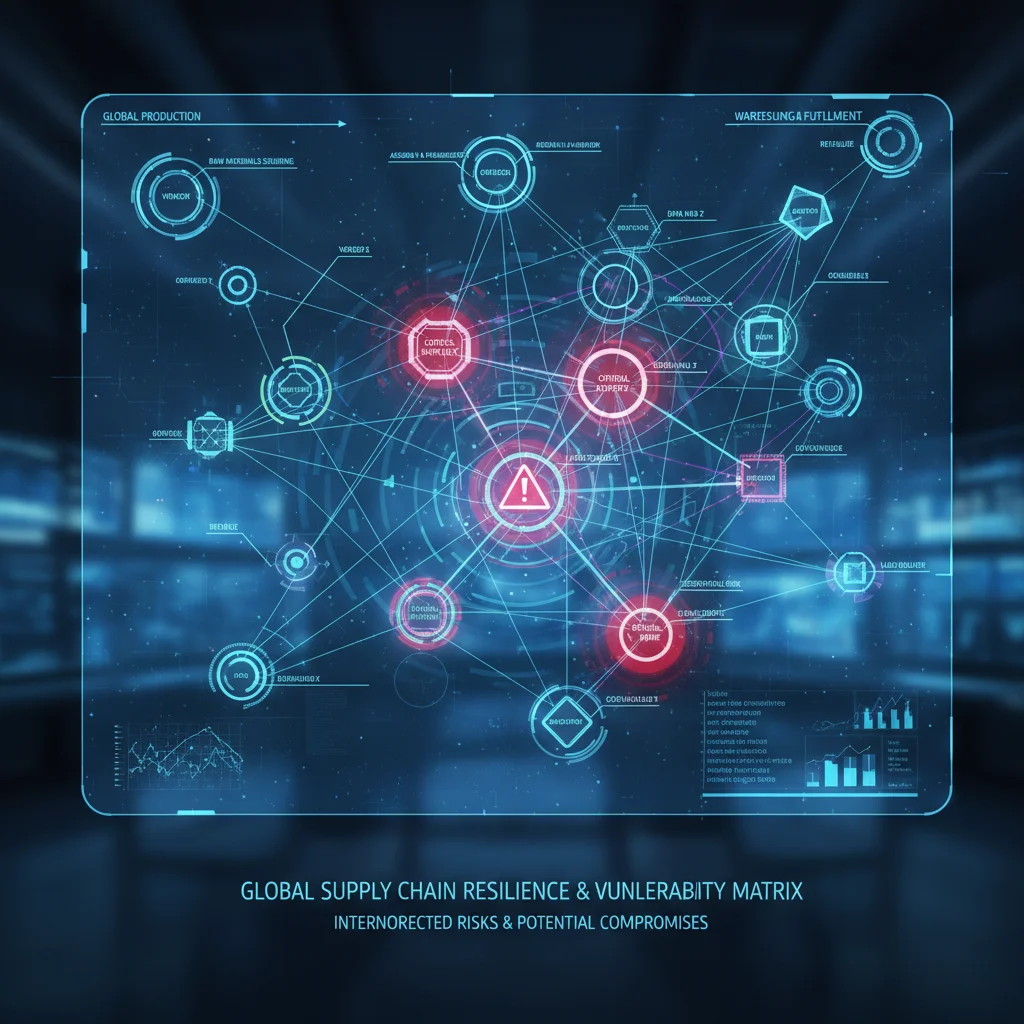
To mitigate these cybersecurity threats 2026 will amplify, U.S. businesses must adopt a holistic approach to supply chain and third-party risk. This involves creating a comprehensive inventory of all third-party relationships, understanding the data flows between them, and implementing a robust framework for assessing, monitoring, and managing associated risks. Collaboration with trusted partners and industry-wide information sharing will also be vital in collectively strengthening the entire ecosystem against sophisticated supply chain attacks.
3. The Unyielding Human Element: Training, Culture, and Insider Threats
Despite advancements in technology, the human element remains the most significant vulnerability in any organization’s cybersecurity posture. By 2026, attackers will continue to exploit human psychology through sophisticated social engineering, and the risk of insider threats will grow. U.S. businesses must recognize that technology alone cannot solve this problem; a strong security culture, continuous training, and robust insider threat programs are paramount to counter these cybersecurity threats 2026 will highlight.
Combating Social Engineering
Social engineering attacks, such as phishing, pretexting, and business email compromise (BEC), are highly effective because they exploit human trust and cognitive biases. By 2026, these attacks will become even more sophisticated due to AI, as discussed earlier. To combat this, businesses need to:
- Continuous Security Awareness Training: Move beyond annual training sessions to provide ongoing, engaging, and relevant security awareness education. This should include simulated phishing exercises, regular micro-learnings on emerging threats, and interactive modules that reinforce best practices.
- Phishing Simulations: Regularly conduct realistic phishing simulations to train employees to identify and report suspicious emails. Provide immediate feedback and additional training for those who fall victim.
- Multi-Factor Authentication (MFA): Implement MFA across all critical systems and applications to add an essential layer of security, even if credentials are compromised through social engineering.
- Reporting Mechanisms: Establish clear and easy-to-use channels for employees to report suspicious activities or communications without fear of reprisal.
- Culture of Skepticism: Foster a workplace culture where employees are encouraged to question unusual requests, verify identities, and critically evaluate digital communications.
Addressing Insider Threats
Insider threats, whether malicious or negligent, can be particularly damaging due to the insider’s legitimate access to systems and data. As remote work becomes more prevalent and economic pressures fluctuate, the risk of insider threats is projected to increase. Businesses need to implement:
- User Behavior Analytics (UBA): Deploy UBA tools to monitor employee activity for unusual patterns that could indicate malicious intent or account compromise, such as accessing sensitive data outside of normal hours or attempting to access unauthorized systems.
- Least Privilege Access: Ensure that employees only have the minimum necessary access to systems and data required to perform their job functions. Regularly review and revoke unnecessary access.
- Data Loss Prevention (DLP): Implement DLP solutions to prevent sensitive information from being exfiltrated from the organization, whether intentionally or accidentally.
- Robust Offboarding Procedures: Ensure that all access is immediately revoked for departing employees and that company devices are secured.
- Employee Support Programs: Address potential stressors that might lead to malicious insider activity, such as financial difficulties or dissatisfaction, through employee support and HR intervention.
Ultimately, fortifying against the human element requires a comprehensive strategy that combines technological controls with continuous education, cultural reinforcement, and empathetic management. Recognizing that employees are both the first line of defense and a potential vulnerability is key to building a truly resilient organization against the cybersecurity threats 2026 will make more personal and pervasive.
4. Regulatory Scrutiny and Cyber Resilience: A New Era of Accountability
The regulatory landscape for cybersecurity is rapidly evolving, with governments worldwide, and particularly in the U.S., demanding greater accountability from businesses regarding data protection and incident response. By 2026, U.S. businesses will face heightened regulatory scrutiny, more stringent reporting requirements, and increased penalties for non-compliance. This necessitates a shift from mere compliance to building true cyber resilience.
Evolving Regulatory Environment
Expect to see:
- Expanded Data Privacy Laws: Beyond CCPA and CPRA, more states are likely to enact comprehensive data privacy laws, creating a complex patchwork of regulations. Federal data privacy legislation also remains a possibility, which could unify or further complicate compliance efforts.
- Sector-Specific Regulations: Industries like finance, healthcare, and critical infrastructure will likely see more prescriptive cybersecurity mandates, including requirements for specific security controls, penetration testing, and third-party risk management.
- Mandatory Breach Reporting: Shorter notification timelines and broader definitions of what constitutes a reportable incident will become standard. The SEC’s recent rules on cybersecurity incident reporting for public companies are a harbinger of things to come, requiring disclosure of material incidents within four business days.
- AI Governance and Ethics: As AI becomes integral to business operations, regulations governing its ethical use, data bias, and security implications will emerge, impacting how businesses develop and deploy AI systems.
Building Cyber Resilience
Cyber resilience goes beyond simply preventing attacks; it focuses on an organization’s ability to withstand, respond to, and recover from cyber incidents with minimal disruption. For U.S. businesses, this means:
- Integrated Risk Management: Treating cybersecurity as an enterprise-wide risk, integrating it into overall business strategy and risk management frameworks, rather than isolating it solely within IT.
- Robust Incident Response Plans: Developing, regularly testing, and refining comprehensive incident response plans that cover detection, containment, eradication, recovery, and post-incident analysis. These plans must involve legal, communications, and executive leadership.
- Business Continuity and Disaster Recovery (BCDR): Ensuring that BCDR plans are aligned with cybersecurity strategies, allowing critical business functions to continue operating even during a severe cyberattack or data breach.
- Data Backup and Recovery: Implementing immutable and geographically dispersed data backups to ensure data can be restored even if primary systems are compromised by ransomware or other destructive attacks.
- Proactive Threat Hunting: Moving beyond automated detection to actively hunt for threats within networks, assuming that a breach is inevitable.
- Continuous Improvement: Establishing a framework for continuous improvement of security posture based on lessons learned from incidents, threat intelligence, and evolving regulatory requirements.
The confluence of stricter regulations and evolving cybersecurity threats 2026 will bring means that U.S. businesses can no longer afford a reactive approach. Investing in cyber resilience is an investment in business continuity, reputation, and trust. Proactive engagement with legal counsel, security experts, and regulatory bodies will be essential to navigate this complex landscape successfully.
Conclusion: Preparing for the Future of Cybersecurity
The year 2026 will present a formidable challenge for U.S. businesses striving to protect their digital assets. The insights discussed – the dual nature of AI, the expanding attack surface of supply chains, the persistent human element, and the increasing regulatory demands – paint a clear picture of an environment where traditional security approaches will no longer suffice. The landscape of cybersecurity threats 2026 will be defined by speed, sophistication, and interconnectedness.
To thrive in this environment, businesses must adopt a forward-thinking, holistic, and adaptive cybersecurity strategy. This involves:
- Strategic Investment: Allocating significant resources to advanced AI-driven security tools, talent development, and robust third-party risk management frameworks.
- Culture of Security: Fostering a security-first culture across the entire organization, from the boardroom to the front lines, ensuring every employee understands their role in protecting data.
- Proactive Resilience: Moving beyond simple compliance to build true cyber resilience, with comprehensive incident response, business continuity, and disaster recovery plans that are regularly tested and refined.
- Collaboration and Intelligence Sharing: Engaging with industry peers, government agencies, and cybersecurity communities to share threat intelligence and best practices, collectively raising the bar for defense.
- Continuous Adaptation: Recognizing that cybersecurity is not a static state but an ongoing process of adaptation, learning, and improvement in response to an ever-changing threat landscape.
U.S. businesses have a critical opportunity now to prepare for the cybersecurity threats 2026 will unleash. By embracing these insights and implementing comprehensive strategies, organizations can not only protect their invaluable data but also build trust, ensure operational continuity, and secure their place in the increasingly digital economy. The future of business success is inextricably linked to the strength of its cyber defenses.