PMP vs Agile Certification 2026: Salary & Career Impact

PMP vs Agile Certification 2026: Which Offers a 15% Higher Salary in the US?
In the dynamic world of project management, certifications serve as powerful accelerators for career growth and salary potential. As we look towards 2026, the perennial debate between the Project Management Professional (PMP) and various Agile certifications continues to be a central point of discussion for aspiring and experienced project managers alike. Both credentials signify a commitment to excellence and a mastery of distinct project management methodologies, but their impact on salary, career trajectory, and industry demand can vary significantly. This comprehensive guide will delve deep into the nuances of PMP vs Agile Certification, examining their core philosophies, market relevance, and, most importantly, their potential to boost your earning power in the United States.
The project management landscape is constantly evolving, driven by technological advancements, global economic shifts, and changing business priorities. In this environment, staying relevant often means adapting your skill set and validating it with recognized certifications. The PMP, offered by the Project Management Institute (PMI), has long been considered the gold standard for traditional, predictive project management. On the other hand, Agile certifications, encompassing a range of options like Certified ScrumMaster (CSM), SAFe Agilist, and PMI Agile Certified Practitioner (PMI-ACP), cater to the iterative and flexible demands of modern software development and innovation-driven projects.
Our primary goal here is not just to compare methodologies but to provide a data-driven perspective on which certification might offer a tangible advantage, specifically focusing on the potential for a 15% or higher salary increase in the US market by 2026. We will explore current salary trends, future projections, and the types of roles and industries where each certification holds the most weight. By the end of this article, you will have a clearer understanding of whether pursuing a PMP vs Agile Certification aligns best with your career aspirations and financial goals.
Understanding the PMP Certification: The Gold Standard in Traditional Project Management
The Project Management Professional (PMP) certification is globally recognized and highly respected, signifying a deep understanding of project management principles, processes, and best practices as outlined in PMI’s Project Management Body of Knowledge (PMBOK® Guide). Attaining PMP certification requires significant project management experience, formal education, and passing a rigorous exam. This certification primarily focuses on predictive or ‘waterfall’ methodologies, which are characterized by sequential phases, detailed planning upfront, and a fixed scope.
Key Characteristics and Benefits of PMP Certification:
- Structured Approach: Emphasizes meticulous planning, execution, monitoring, and closing of projects.
- Broad Applicability: Valued across various industries, including construction, engineering, manufacturing, healthcare, and government, where projects often have well-defined requirements and long lifecycles.
- Global Recognition: The PMP is one of the most widely recognized project management certifications worldwide, enhancing career mobility.
- Leadership Focus: Equips professionals with skills in stakeholder management, risk management, and resource allocation, crucial for leading complex projects.
PMP Salary Expectations in 2026:
Historically, PMP certification has been associated with a significant salary premium. PMI’s own reports consistently show that PMP-certified project managers earn substantially more than their non-certified counterparts. As we head into 2026, this trend is expected to continue. The demand for structured, well-managed projects remains high, particularly in large organizations and regulated industries. Companies seek PMP-certified individuals to ensure projects are delivered on time, within budget, and to specifications, minimizing risks and maximizing returns.
In the US, the average salary for a PMP-certified project manager can range significantly based on experience, industry, location, and specific role. However, studies often indicate a 15-20% higher salary for PMP holders compared to non-certified project managers. For 2026, with an increasing complexity of projects and a continued need for strong foundational project management skills, the PMP is projected to maintain its strong salary advantage. This is especially true for roles requiring management of large-scale, multi-year projects with substantial budgets.
Exploring Agile Certifications: The Modern Approach to Project Delivery
Agile methodologies represent a paradigm shift from traditional project management, emphasizing flexibility, iterative development, collaboration, and rapid adaptation to change. Agile certifications are numerous and diverse, reflecting the various frameworks and roles within the Agile ecosystem. Some of the most popular include:
- Certified ScrumMaster (CSM): Focuses on the Scrum framework, enabling individuals to facilitate Scrum teams and ensure adherence to Agile principles.
- PMI Agile Certified Practitioner (PMI-ACP): Offered by PMI, this certification validates knowledge of various Agile approaches, including Scrum, Kanban, Lean, XP, and TDD.
- SAFe Agilist (SA): Geared towards scaling Agile across large enterprises using the Scaled Agile Framework (SAFe).
- Certified Product Owner (CSPO): Focuses on maximizing the value of the product resulting from the work of the Development Team.
Key Characteristics and Benefits of Agile Certifications:
- Flexibility and Adaptability: Ideal for projects with evolving requirements, high uncertainty, and a need for quick feedback loops, common in software development, IT, and innovation.
- Customer-Centric: Emphasizes continuous collaboration with stakeholders to deliver value incrementally.
- Team Empowerment: Promotes self-organizing teams and servant leadership.
- Faster Time-to-Market: Enables quicker delivery of functional products or features.
Agile Salary Expectations in 2026:
The demand for Agile expertise has exploded over the past decade, and this growth is expected to continue through 2026. Companies across various sectors are adopting Agile to enhance responsiveness, accelerate product development, and improve customer satisfaction. Consequently, professionals with Agile certifications are highly sought after, particularly in technology, finance, media, and e-commerce.
Salaries for Agile-certified professionals are very competitive. While a direct comparison to PMP can be complex due to the variety of Agile roles (Scrum Master, Product Owner, Agile Coach), many Agile roles command high salaries, often comparable to or exceeding those of traditional project managers, especially at senior levels or in highly specialized fields. For example, experienced Scrum Masters or Agile Coaches can earn upwards of $120,000 to $150,000+ annually in the US, with some roles reaching even higher. The salary premium for holding an Agile certification is also significant, often reported to be in the 10-20% range, depending on the specific certification and years of experience.
PMP vs Agile Certification: A Head-to-Head Comparison for 2026
When evaluating PMP vs Agile Certification, it’s crucial to consider several factors beyond just salary: industry demand, career path, and the nature of projects you aspire to manage.
Industry Relevance and Demand:
- PMP: Remains dominant in industries like construction, engineering, government, defense, and large-scale manufacturing. These sectors often involve projects with long planning cycles, strict regulatory compliance, and a need for predictable outcomes. The PMP is a strong signal of a candidate’s ability to manage complex, multi-faceted projects with established methodologies. Its relevance is enduring for roles that require a strong command of project integration, scope, schedule, cost, and risk management in a highly structured environment.
- Agile: Flourishes in technology, software development, IT services, digital marketing, finance (especially fintech), and sectors focused on rapid innovation and product development. Companies in these areas prioritize speed, flexibility, and continuous delivery. Agile certifications are essential for roles like Scrum Master, Product Owner, Agile Coach, and Release Train Engineer, which are integral to modern product delivery teams. The increasing adoption of Agile beyond IT into business functions means its demand is still expanding.
Career Path and Role Specialization:
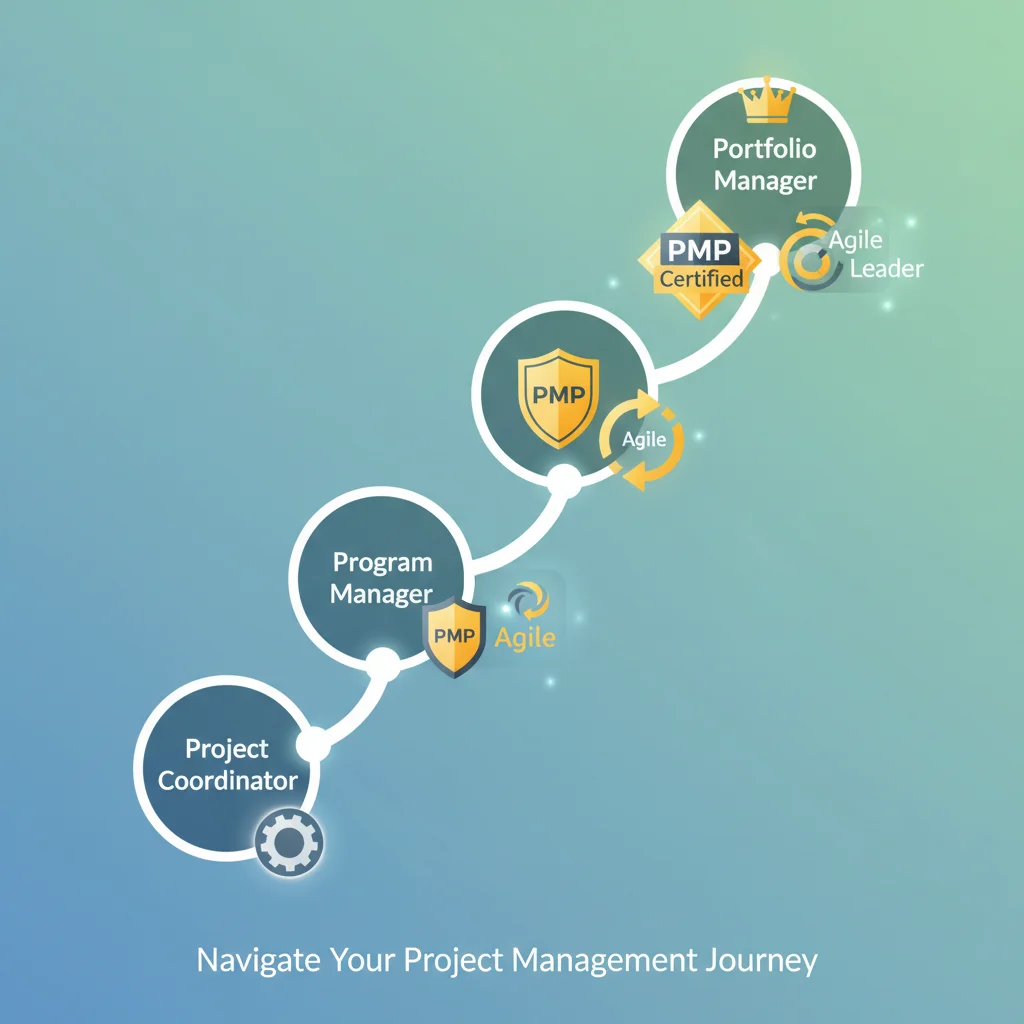
- PMP: Typically leads to roles such as Project Manager, Program Manager, Portfolio Manager, and PMO Director. These roles often involve overseeing multiple projects, managing large teams, and having strategic oversight of an organization’s project portfolio. A PMP often signifies readiness for senior leadership positions in traditional project environments.
- Agile: Opens doors to roles like Scrum Master, Product Owner, Agile Coach, Release Train Engineer, and Agile Project Manager. These roles are often more hands-on with team facilitation, product vision, and driving continuous improvement. An Agile certification can be a pathway to becoming an organizational change agent, helping companies transition to and optimize Agile practices.
Which Offers a 15% Higher Salary in the US by 2026?
This is the million-dollar question, and the answer isn’t a simple one-liner. Both PMP and various Agile certifications have the potential to deliver a 15% or higher salary increase, but the context matters significantly. Recent data and projections for 2026 suggest a nuanced picture:
PMP’s Enduring Value: The PMP continues to command a strong salary premium. According to PMI’s Earning Power: Project Management Salary Survey, 11th Edition, PMP-certified professionals generally report higher median salaries than those without the certification across various countries, including the US. The difference can often exceed 20% in certain regions and experience levels. For 2026, the PMP’s value is expected to hold firm, especially for those managing large, complex, and high-budget projects in established industries. The foundational knowledge it provides is invaluable for ensuring project success and mitigating risks, which directly translates to higher compensation.
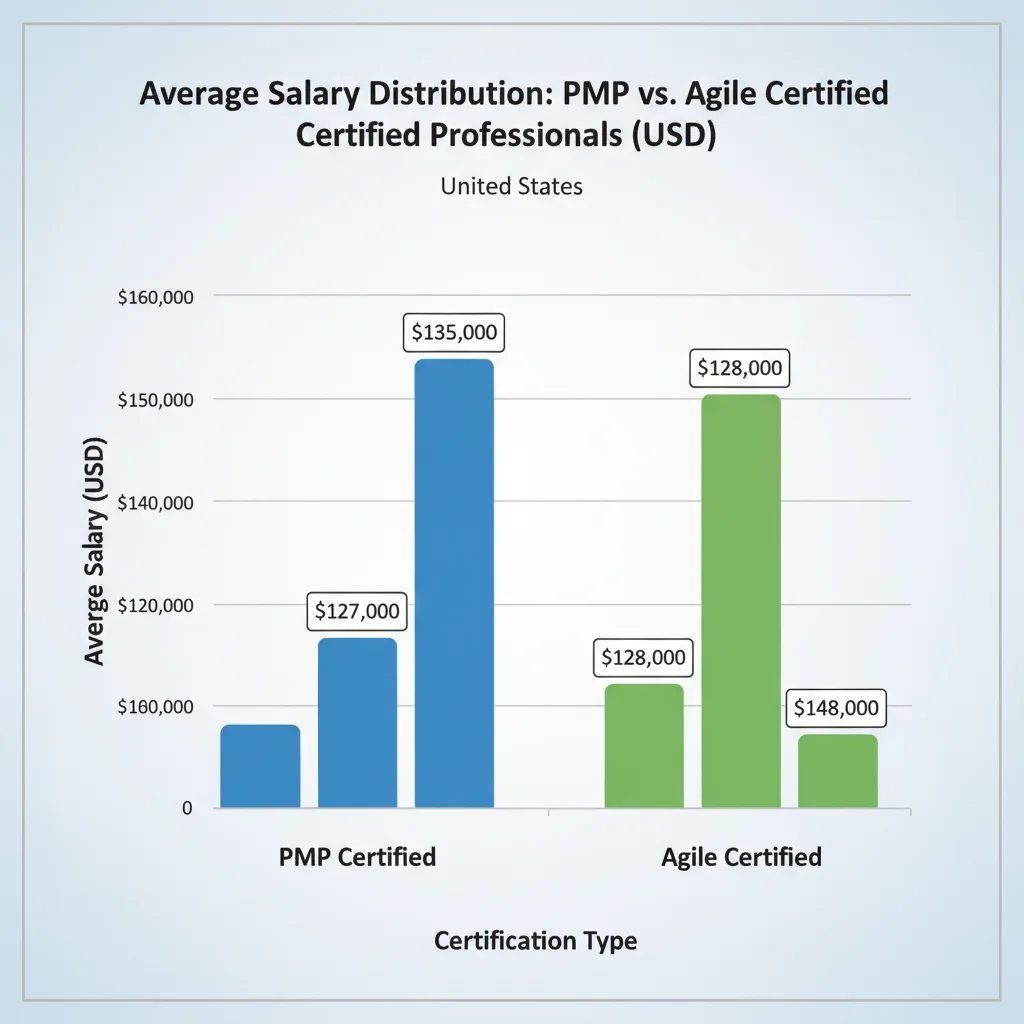
Agile’s Ascending Influence: Agile certifications, particularly those for in-demand roles like Scrum Master and Agile Coach, are also associated with substantial salary increases. The rapid adoption of Agile across industries means that skilled Agile practitioners are in high demand. An experienced Scrum Master with a CSM or SAFe certification can easily command salaries exceeding the average for a traditional project manager, especially in tech hubs. The key here is often the combination of the certification with practical experience and the ability to drive organizational change. While the ‘average’ Agile certified professional might not always out-earn the ‘average’ PMP, highly skilled and experienced Agile leaders often do, particularly in organizations fully committed to Agile transformations.
The Hybrid Advantage: Perhaps the most significant trend for 2026 is the increasing value of a hybrid skill set. Many organizations are adopting ‘hybrid’ project management approaches that blend elements of both predictive and Agile methodologies. A project manager who possesses both PMP and an Agile certification (like PMI-ACP) is exceptionally valuable. Such a professional can adapt to different project contexts, leading both traditional and Agile teams, or even integrating them. This dual certification often results in the highest salary potential, as it demonstrates versatility and a comprehensive understanding of diverse project management paradigms. This versatility could easily put a professional in the 15% higher salary bracket, and often much more, as they become indispensable assets.
Factors Influencing Salary Beyond Certification
While PMP vs Agile Certification plays a significant role, several other factors contribute to salary levels in project management:
- Experience Level: Entry-level project managers will earn less than those with 5-10 years of experience, regardless of certification. Seniority and a proven track record of successful project delivery are paramount.
- Industry: Certain industries, such as technology, finance, and consulting, generally offer higher project management salaries than others.
- Geographic Location: Salaries vary considerably by city and state within the US. Major metropolitan areas and tech hubs (e.g., San Francisco, New York, Seattle) typically offer higher compensation.
- Company Size and Type: Large corporations and Fortune 500 companies often pay more than smaller businesses or non-profits.
- Specific Role and Responsibilities: A Project Manager overseeing a multi-million dollar program will earn more than one managing smaller, less complex projects.
- Soft Skills: Leadership, communication, negotiation, and problem-solving skills are critical and highly valued, impacting earning potential.
- Continuous Learning: Staying updated with the latest tools, techniques, and methodologies (e.g., AI in project management, data analytics) further enhances marketability and salary.
Choosing Your Path: PMP vs Agile Certification for 2026
The decision between PMP vs Agile Certification should align with your career goals, the industries you wish to work in, and the type of projects that genuinely excite you. Consider the following:
When PMP is the Right Choice:
- You aspire to manage large, complex, and long-term projects with well-defined requirements.
- Your target industries are construction, engineering, government, defense, or manufacturing.
- You prefer a structured, predictive approach to project planning and execution.
- You aim for senior leadership roles like Program Manager or PMO Director in traditional environments.
- You have substantial project management experience (typically 3-5 years) required for eligibility.
When Agile Certification is the Right Choice:
- You are passionate about iterative development, continuous delivery, and adapting to change.
- Your target industries are technology, software development, IT, digital marketing, or innovative product development.
- You are interested in roles like Scrum Master, Product Owner, or Agile Coach, facilitating self-organizing teams.
- You want to work in fast-paced environments where customer feedback drives product evolution.
- You want to specialize in a specific Agile framework like Scrum or SAFe.
The Hybrid Approach: Best of Both Worlds?
For many professionals looking towards 2026, the most advantageous path might be to pursue both. Earning your PMP first provides a strong foundation in universal project management principles and processes. Subsequently, adding an Agile certification like PMI-ACP or CSM demonstrates your ability to adapt these principles to different contexts and lead projects using modern, flexible approaches. This dual certification strategy makes you incredibly versatile and appealing to a wider range of employers, potentially unlocking the highest salary brackets and most diverse career opportunities.
The job market increasingly values professionals who can navigate both traditional and Agile project environments. Being able to speak both ‘languages’ of project management positions you as a strategic asset, capable of leading transformations and optimizing project delivery across an entire organization. This comprehensive skill set is precisely what companies are willing to pay a premium for, often leading to salary increases well above the 15% mark.
Preparing for Your Certification in 2026
Regardless of whether you choose PMP vs Agile Certification, thorough preparation is key to success. Here are some general tips:
- Understand Eligibility Requirements: Ensure you meet the experience and education prerequisites for your chosen certification.
- Structured Study Plan: Dedicate consistent time to study, utilizing official guides, reputable training courses, and practice exams.
- Gain Practical Experience: Nothing beats real-world application. Seek opportunities to lead or contribute to projects using your target methodology.
- Join Professional Communities: Engage with PMI chapters, Agile user groups, and online forums to network and learn from others.
- Continuous Learning: Project management is a field of continuous improvement. Stay updated with industry trends, new tools, and evolving best practices.
Conclusion: Strategic Certification for a High-Earning Future
As we project into 2026, both PMP and Agile certifications will continue to be highly valuable assets for project management professionals in the US. The question of which offers a 15% higher salary is complex and depends heavily on your specific career path, industry focus, and the depth of your experience. While PMP traditionally provides a robust salary premium, particularly in established sectors, specialized Agile roles are increasingly competitive and can also command very high compensation.
Ultimately, the most strategic approach for maximizing your earning potential and career growth by 2026 is often a combination of both. Possessing a PMP demonstrates foundational excellence and leadership capabilities in traditional project management, while an Agile certification showcases your adaptability and proficiency in modern, flexible delivery models. This hybrid skill set makes you a versatile and indispensable asset, capable of tackling diverse project challenges and leading organizations through complex transformations.
Investigate the demands of your desired roles and industries. If you are in a traditional field, the PMP is likely your primary driver for a significant salary boost. If you are in tech or an innovation-driven sector, Agile certifications will be your key. However, for those aiming for the pinnacle of project leadership and the highest salary potential, cultivating expertise in both predictive and adaptive approaches through a PMP vs Agile Certification strategy will undoubtedly position you for unparalleled success in 2026 and beyond. Make an informed decision, invest in your professional development, and watch your project management career flourish.