Achieve a 10% Salary Increase: Practical Growth Strategies for US Employees by Q3 2026

Achieve a 10% Salary Increase: Practical Growth Resource Strategies for US Employees by Q3 2026
Are you a US employee looking to significantly boost your earning potential? The goal of achieving a salary increase strategies of 10% by Q3 2026 might seem ambitious, but with the right approach, it is entirely attainable. In today’s dynamic job market, proactive steps toward professional development, strategic networking, and masterful negotiation are not just advisable; they are essential. This comprehensive guide will equip you with practical, actionable strategies designed to help you secure that coveted pay raise, focusing on resources, skill development, and effective communication to maximize your value in the workplace.
Understanding the Landscape: Why a 10% Salary Increase is Achievable
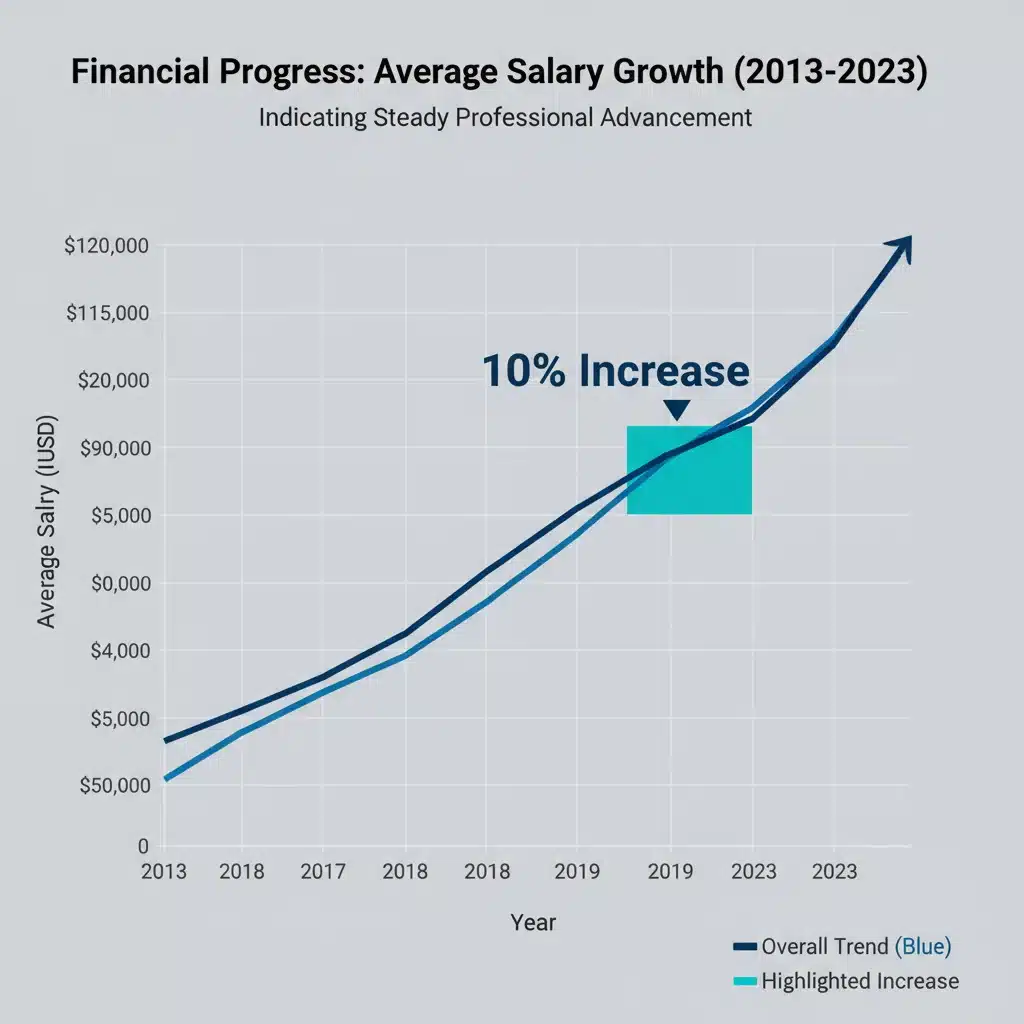
Before diving into specific strategies, it’s crucial to understand the economic context and the factors that make a 10% salary increase a realistic target. The US labor market, while experiencing fluctuations, generally rewards specialized skills, proven performance, and a strong commitment to professional growth. Companies are increasingly recognizing the value of retaining top talent, and they are often willing to invest in employees who demonstrate clear potential and contribute significantly to their bottom line. A 10% bump isn’t merely a wish; it’s a reflection of increased value. This guide will help you articulate that value.
Key Factors Influencing Salary Growth:
- Market Demand for Skills: Certain industries and roles are experiencing rapid growth, leading to higher demand for specialized skills and, consequently, higher compensation.
- Performance and Impact: Consistently exceeding expectations and demonstrating a measurable impact on company goals are powerful leverage points.
- Negotiation Skills: The ability to articulate your worth and negotiate effectively is paramount.
- Company Performance: A healthy and growing company is more likely to have the budget to offer significant raises.
- Economic Conditions: Overall economic stability and inflation rates can also play a role in salary adjustments.
By understanding these factors, you can strategically position yourself for success. Our focus on salary increase strategies will intertwine with these elements, ensuring a holistic approach to your financial advancement.
Strategy 1: Skill Development and Continuous Learning
The most fundamental way to justify a significant salary increase is to increase your value. This means continuously developing new skills, mastering existing ones, and staying abreast of industry trends. By Q3 2026, the technological and methodological landscape will undoubtedly have shifted. Are you prepared to shift with it?
Identifying In-Demand Skills:
Start by researching the skills most sought after in your industry and role. Look at job postings for positions a step or two above yours. What qualifications do they require? Are there emerging technologies or methodologies that are becoming critical? Use platforms like LinkedIn, industry reports, and professional associations to gather this intelligence. For example, in tech, proficiency in AI/ML, cloud computing, or specific programming languages might be highly valued. In marketing, data analytics, SEO, or advanced digital campaign management could be key. These are vital salary increase strategies.
Leveraging Online Learning Platforms:
The internet offers a wealth of resources for skill development. Platforms like Coursera, edX, Udemy, LinkedIn Learning, and Udacity provide courses, specializations, and certifications from top universities and industry experts. Many of these are affordable, and some even offer financial aid. Dedicate a few hours each week to structured learning. Consider pursuing certifications that are recognized and valued in your field.
Actionable Steps:
- Conduct a Skill Gap Analysis: Compare your current skills against the desired skills for your target role or industry.
- Prioritize Learning: Focus on skills that offer the highest return on investment in terms of career advancement and salary potential.
- Set Learning Goals: Establish specific, measurable, achievable, relevant, and time-bound (SMART) goals for your skill development. For instance, “Complete the ‘Advanced Data Analytics’ specialization on Coursera by Q1 2025.”
- Document Your Learning: Keep a record of courses completed, certifications earned, and new skills acquired. This will be invaluable during performance reviews and salary negotiations.
Mentorship and Coaching:
Seek out mentors who are where you want to be in your career. Their guidance can provide invaluable insights into necessary skills, career paths, and industry nuances. A good mentor can help you navigate challenges and identify opportunities for growth. Professional coaches can also provide structured support and accountability for your development goals.

Strategy 2: Demonstrating Value and Impact
Simply acquiring new skills isn’t enough; you must also demonstrate how those skills translate into tangible value for your organization. A 10% salary increase is often a reward for a 10%+ increase in your contribution.
Tracking Your Achievements:
Start keeping a “win list” or “accomplishment journal.” Document your successes, big and small. For each achievement, quantify its impact whenever possible. Did you save the company money? By how much? Did you increase efficiency? By what percentage? Did you contribute to revenue growth? How much? Use metrics, statistics, and specific examples. This evidence will be your strongest ally when discussing your salary increase strategies.
Examples of Quantifiable Achievements:
- “Implemented a new project management tool that reduced project completion time by 15% and saved an estimated $5,000 per quarter.”
- “Led a cross-functional team to successfully launch Product X, which generated $1.2 million in new revenue in its first six months.”
- “Developed a new training module that improved team onboarding efficiency by 20% and reduced errors by 10%.”
Taking on Additional Responsibilities:
Proactively seek out opportunities to take on new projects, lead initiatives, or mentor junior colleagues. This demonstrates initiative, leadership potential, and a willingness to contribute beyond your defined role. When taking on new responsibilities, ensure they align with your career goals and offer opportunities to showcase your enhanced skill set.
Building Your Personal Brand:
Within your organization and industry, cultivate a reputation as a reliable, skilled, and innovative professional. This can involve sharing insights in team meetings, contributing to internal knowledge bases, or even presenting at industry conferences. A strong personal brand makes your contributions more visible and your value more apparent to decision-makers. This is a subtle yet powerful component of salary increase strategies.
Strategy 3: Strategic Networking and Visibility
Who you know and who knows what you do can significantly impact your career trajectory and earning potential. Networking isn’t just about finding a new job; it’s about building relationships that can open doors to new opportunities, mentorship, and increased visibility within your current role.
Internal Networking:
Get to know colleagues in different departments, especially those whose work intersects with yours or those in leadership positions. Understand their challenges and how your work contributes to their success. This can help you identify opportunities to expand your influence and demonstrate your value across the organization. A strong internal network can also serve as advocates for your contributions when salary decisions are being made.
External Networking:
Attend industry events, conferences, and workshops. Join professional organizations related to your field. Engage on professional platforms like LinkedIn. These activities allow you to stay informed about industry trends, learn best practices, and build relationships with peers and potential future employers. Knowing market rates for your skills through external networking can provide crucial data for your salary negotiations.
Seeking Feedback and Sponsorship:
Actively solicit feedback on your performance from your manager, peers, and even direct reports. Use this feedback for continuous improvement. Additionally, identify potential sponsors within your organization – senior leaders who believe in your potential and are willing to advocate for you in discussions about promotions and compensation. A sponsor’s endorsement can be invaluable for securing a significant salary increase strategies.
Strategy 4: Mastering the Salary Negotiation
Even with all the preparation, the actual negotiation is where many employees falter. Approaching this conversation strategically and confidently is crucial for securing that 10% increase.
Researching Market Value:
Before any negotiation, thoroughly research the market rate for your role, experience level, and geographic location. Use resources like Glassdoor, Salary.com, LinkedIn Salary, and the Bureau of Labor Statistics (BLS). This data provides objective evidence of your worth and helps you set a realistic, yet ambitious, target for your 10% increase. Ensure your target is backed by solid market data to strengthen your position.
Timing is Everything:
The best time to ask for a raise is typically during your annual performance review, after completing a major project, or when you’ve taken on significant new responsibilities. Avoid asking during times of company instability or budget cuts. Strategic timing is a key element of effective salary increase strategies.
Preparing Your Pitch:
Structure your conversation around your achievements, new skills, and the value you bring to the company. Rehearse your pitch. Focus on how your contributions benefit the organization, rather than solely on your personal financial needs. Be prepared to articulate specific examples from your “win list.”
Key Elements of a Strong Pitch:
- Reiterate Your Value: Start by highlighting your recent accomplishments and how they align with company goals.
- Present Your Research: Confidently state your desired salary increase, backed by market research and your quantifiable achievements.
- Listen and Respond: Be prepared for counter-arguments or questions. Listen actively and respond thoughtfully, reiterating your value.
- Be Confident and Professional: Maintain a positive and professional demeanor throughout the discussion.
- Consider the “No”: If the immediate answer isn’t a “yes,” be prepared to ask what you need to do to earn that raise in the future. Set a timeline for a follow-up discussion.
Beyond Base Salary: Considering Total Compensation:
If a 10% increase in base salary isn’t immediately feasible, consider negotiating other forms of compensation that contribute to your overall financial well-being. This could include:
- Bonuses: Performance-based or sign-on bonuses.
- Equity/Stock Options: Especially relevant in tech or startup environments.
- Professional Development Budget: Funding for courses, certifications, or conferences.
- Increased PTO: Additional paid time off.
- Flexible Work Arrangements: Remote work options or flexible hours.
- Enhanced Benefits: Better health insurance, retirement contributions, etc.
These elements, while not direct salary, contribute to your overall compensation package and can be part of a comprehensive salary increase strategies.
Strategy 5: Long-Term Career Planning and Strategic Moves
Achieving a 10% salary increase by Q3 2026 isn’t just about immediate actions; it’s also about strategic long-term career planning. Sometimes, the fastest way to a significant raise is a strategic career move, either within your current company or to a new organization.
Internal Promotions and Role Changes:
Look for opportunities to move into higher-level roles within your current company. Often, an internal promotion comes with a more substantial salary bump than an annual merit increase. Understand the career paths available to you and actively work towards meeting the qualifications for those roles. This involves a blend of skill development, demonstrating leadership, and networking with hiring managers in other departments.
Exploring External Opportunities:
Don’t be afraid to explore the external job market, even if you’re content in your current role. Receiving an offer from another company can provide significant leverage in negotiating a raise with your current employer. It also gives you a clearer understanding of your market value and potential growth opportunities outside your present organization. This competitive intelligence is a powerful tool in your salary increase strategies toolkit.
Geographic Considerations:
Salaries can vary significantly based on geographic location. While not always feasible, consider if relocating to a higher cost-of-living area with higher average salaries for your role is an option for your long-term career growth. Even if not relocating, understanding regional salary differences can inform your overall market value assessment.
Industry Shifts:
Is your current industry growing or stagnating? Sometimes, a strategic move to a high-growth industry can unlock significantly higher earning potential. This might require acquiring entirely new skill sets but could offer a substantial return on investment in the long run. Research industries that are booming and consider how your existing skills could be transferable.
Leveraging Resources for Your Salary Increase Strategies
To successfully implement these strategies, you’ll need to utilize various resources. Here’s a breakdown of essential tools and support systems:
Professional Development & Learning Resources:
- Online Course Platforms: Coursera, edX, Udemy, LinkedIn Learning, Udacity.
- Industry Certifications: PMP for project managers, AWS/Azure certifications for IT, Google Analytics for marketers, etc.
- Books and Articles: Stay updated with industry publications, thought leadership articles, and books on career development, negotiation, and your specific field.
- Workshops and Webinars: Many professional organizations offer free or low-cost learning opportunities.
Market Research Tools:
- Salary Comparison Websites: Glassdoor, Salary.com, PayScale, LinkedIn Salary.
- Industry Reports: Reports from consulting firms (e.g., Gartner, Forrester), industry associations, and government agencies (e.g., BLS).
- Recruiters: Headhunters and recruiters often have an excellent pulse on market rates and can provide valuable insights.
Networking & Mentorship Platforms:
- LinkedIn: For professional networking, job searching, and industry insights.
- Professional Associations: Join local or national chapters relevant to your profession.
- Company Mentorship Programs: If your company offers one, participate actively.
- Informational Interviews: Reach out to professionals in roles or companies you admire for quick chats and advice.
Career Coaching & Counseling:
- Professional Career Coaches: Can help set goals, develop strategies, and practice negotiation.
- HR Business Partners: Your company’s HR team can sometimes offer guidance on career paths and internal opportunities, though they represent the company’s interests.
By systematically leveraging these resources, you can build a robust foundation for your salary increase strategies, ensuring you are well-informed and prepared for every step of your journey toward a 10% raise.
Overcoming Potential Obstacles
The path to a 10% salary increase might not always be smooth. Be prepared to address common challenges:
Company Budget Constraints:
If your company genuinely faces budget limitations, focus on non-monetary benefits or ask for a timeline for when budget might allow for a review. Propose performance-based bonuses tied to specific, measurable outcomes that benefit the company.
Lack of Management Support:
If your manager is not supportive, seek to understand their concerns. Is it a performance issue? A perception issue? Work to address these directly. If the issue persists, consider leveraging your internal network or exploring opportunities with other departments or companies.
Imposter Syndrome:
It’s common to doubt your worth, especially when asking for more money. Combat this by consistently tracking your achievements, reviewing your skill development, and reminding yourself of the tangible value you bring. Confidence in your value is a critical part of successful salary increase strategies.
Unrealistic Expectations:
While a 10% increase is achievable, ensure your expectations are grounded in market reality and your individual performance. If your current salary is significantly below market, a 10% increase might just bring you to parity, rather than truly exceeding it. Adjust your expectations based on your research.
The Timeline: Achieving 10% by Q3 2026
To hit your target of a 10% salary increase by Q3 2026, a structured timeline is essential:
Q4 2024 – Q2 2025: Foundation Building
- Skill Gap Analysis & Learning Plan: Identify key skills and start intensive learning.
- Performance Tracking: Begin meticulously documenting achievements and impacts.
- Internal Networking: Build relationships across departments.
Q3 2025 – Q1 2026: Value Demonstration & Visibility
- Apply New Skills: Actively seek projects where you can utilize newly acquired skills.
- Take on Leadership: Volunteer for leadership roles or mentor junior colleagues.
- External Networking: Expand your professional network outside the company.
- Initial Market Research: Start understanding your market value.
Q2 2026 – Q3 2026: Negotiation & Execution
- Refine Market Research: Get up-to-date salary data.
- Prepare Your Pitch: Consolidate your achievements, skills, and market value into a compelling argument.
- Schedule the Conversation: Aim for a time that aligns with performance reviews or significant project completions.
- Negotiate: Confidently present your case and be prepared to discuss.
- Evaluate Offers: Be ready to assess internal counter-offers or external job offers if applicable.
This timeline provides a roadmap for your salary increase strategies, ensuring you are consistently working towards your goal.
Conclusion: Your Path to a Higher Salary
Achieving a 10% salary increase by Q3 2026 as a US employee is a challenging but entirely achievable goal. It requires a combination of self-awareness, diligent effort, strategic planning, and effective communication. By focusing on continuous skill development, actively demonstrating your value, building a strong professional network, and mastering the art of negotiation, you can significantly enhance your earning potential. Remember, your career is an investment, and like any good investment, it requires strategic planning and consistent attention to yield substantial returns. Start today, leverage the resources available, and confidently pursue the financial growth you deserve. Your proactive engagement with these salary increase strategies will pave the way for a more rewarding and prosperous career.