Mastering Remote Learning: 7 Proven Strategies for US Students in 2026

The educational landscape has undergone a monumental shift, and by 2026, remote learning has firmly established itself as a cornerstone of the American academic experience. While it offers unparalleled flexibility and access, achieving genuine remote learning success requires more than just a stable internet connection. It demands a proactive approach, strategic planning, and the development of specific skills. For US students navigating this evolving environment, understanding and implementing effective strategies is paramount. This comprehensive guide will delve into seven practical, actionable strategies designed to empower you to excel in your virtual studies, ensuring you not only keep up but truly thrive.
The transition to remote learning, accelerated by global events, has pushed educational institutions and students alike to adapt at an unprecedented pace. What began as a necessity has matured into a sophisticated mode of instruction, offering diverse learning opportunities. However, the unique challenges of remote learning—from maintaining focus in a home environment to fostering a sense of community—are real. This article aims to equip you with the tools and mindset necessary to overcome these hurdles and achieve remarkable remote learning success in 2026 and beyond.
1. Establish a Dedicated and Optimized Study Space
One of the foundational pillars of remote learning success is creating an environment conducive to concentration and productivity. Your home, while comfortable, can also be a minefield of distractions. A dedicated study space signals to your brain that it’s time to work, helping you mentally transition into ‘student mode.’ This isn’t just about having a desk; it’s about optimizing that space for your specific learning needs.
Ergonomics and Comfort:
- Chair and Desk: Invest in an ergonomic chair and a desk at the appropriate height. Good posture prevents fatigue and discomfort, allowing for longer, more focused study sessions.
- Lighting: Natural light is ideal. If not available, ensure your space is well-lit with ambient and task lighting to reduce eye strain. Avoid harsh overhead lights that can cause glare.
- Temperature: Maintain a comfortable room temperature. Too hot or too cold can be distracting and reduce cognitive function.
Minimizing Distractions:
- Quiet Zone: If possible, choose a quiet area away from high-traffic zones in your home. Communicate with family members about your study hours to minimize interruptions.
- Declutter: A clean and organized space promotes a clear mind. Clutter can be visually distracting and lead to mental overload.
- Digital Detox Area: Consider having a designated spot for your phone or other non-academic devices, out of arm’s reach during study times.
Personalization and Inspiration:
While minimizing distractions is key, a sterile environment can also be demotivating. Add personal touches that inspire you—a plant, a motivational quote, or a piece of art. The goal is to create a space where you feel comfortable, focused, and motivated to achieve remote learning success.
2. Master Time Management and Self-Discipline
Without the traditional structure of a physical classroom, self-discipline and effective time management become critical for remote learning success. It’s easy to fall into the trap of procrastination or overworking. Developing a robust schedule and sticking to it is essential.
Creating an Effective Schedule:
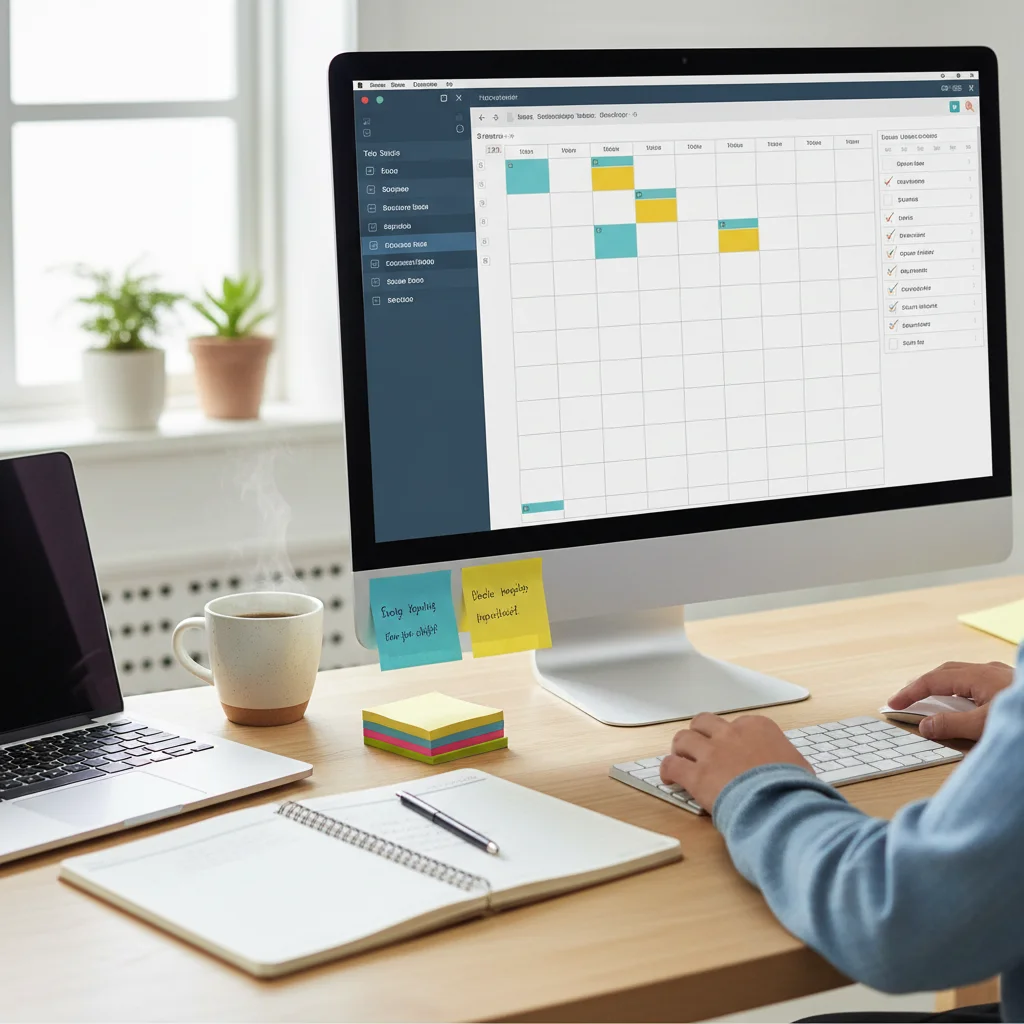
- Daily Planner/Calendar: Use a digital or physical planner to map out your week. Include not just classes and study blocks, but also breaks, meals, exercise, and social activities. This provides a holistic view of your time.
- Prioritization: Use techniques like the Eisenhower Matrix (urgent/important) or the ABC method to prioritize tasks. Tackle the most challenging subjects when your energy levels are highest.
- Pomodoro Technique: Work in focused bursts (e.g., 25 minutes) followed by short breaks (5 minutes). This helps maintain concentration and prevents burnout.
Building Self-Discipline:
- Set Realistic Goals: Don’t try to cram too much into one day. Realistic goals are achievable and build momentum.
- Accountability Partners: Connect with classmates or friends who are also remote learning. Regularly check in with each other on progress and challenges.
- Reward System: Acknowledge your achievements. After completing a major assignment or a particularly tough study session, reward yourself with a small, non-academic treat.
- Avoid Multitasking: While it might seem efficient, multitasking often reduces the quality of your work and increases stress. Focus on one task at a time to maximize your learning and ensure remote learning success.
3. Actively Engage in Virtual Classes and Discussions
Passive participation is the enemy of remote learning success. It’s much easier to disengage when you’re behind a screen. Proactive engagement not only helps you understand the material better but also makes the learning experience more enjoyable and interactive.
Strategies for Active Participation:
- Prepare in Advance: Read assigned materials, review previous notes, and formulate questions before class. This allows you to contribute meaningfully to discussions.
- Participate in Discussions: Don’t be afraid to ask questions or share your insights. Use the chat function, raise your hand virtually, or unmute yourself when appropriate. Your voice adds value.
- Use Your Camera: When appropriate and comfortable, turn on your camera. Seeing faces fosters a sense of community and helps instructors gauge engagement.
- Take Digital Notes: Utilize digital note-taking tools that allow you to integrate text, images, and links. This can make your notes more comprehensive and searchable.
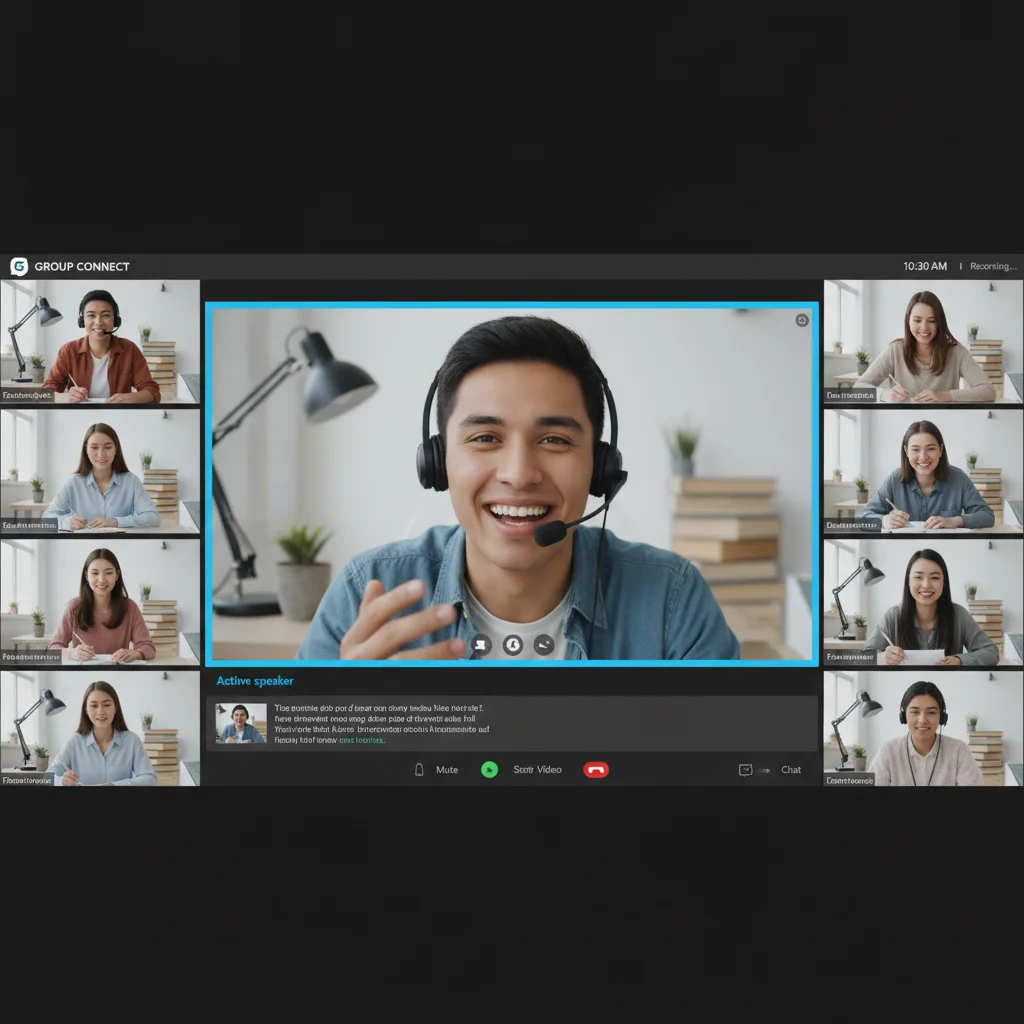
- Form Study Groups: Virtual study groups can be incredibly effective. Use video conferencing tools to discuss concepts, work through problems, and prepare for exams together. This collaborative approach significantly boosts remote learning success.
Communicating with Instructors:
Don’t hesitate to reach out to your instructors if you’re struggling or have questions. Most educators are highly accessible in the remote environment and appreciate proactive communication from students. Utilize virtual office hours, email, or dedicated communication platforms.
4. Leverage Technology and Digital Tools Wisely
The digital age has blessed remote learners with an abundance of tools designed to enhance productivity, collaboration, and understanding. Smart utilization of these resources is a hallmark of remote learning success in 2026.
Essential Digital Tools:
- Learning Management Systems (LMS): Become proficient with your institution’s LMS (e.g., Canvas, Blackboard, Moodle). This is your central hub for assignments, announcements, grades, and course materials.
- Video Conferencing Platforms: Master Zoom, Microsoft Teams, Google Meet, or whatever platform your classes use. Understand features like screen sharing, breakout rooms, and virtual whiteboards.
- Note-Taking Apps: Explore apps like OneNote, Evernote, Notion, or GoodNotes (for tablet users). These offer advanced organizational features, search capabilities, and cross-device syncing.
- Cloud Storage: Use services like Google Drive, Dropbox, or OneDrive to store and share documents. This ensures your work is backed up and accessible from anywhere.
- Productivity Tools: Task managers (e.g., Todoist, Trello), focus apps (e.g., Forest, Freedom), and citation managers (e.g., Zotero, Mendeley) can significantly streamline your workflow.
Digital Literacy and Cyber Security:
Beyond simply using tools, developing strong digital literacy is crucial. Understand how to critically evaluate online information, protect your personal data, and practice good cybersecurity habits. This not only safeguards your academic work but also contributes to your overall well-being in the digital sphere, vital for sustained remote learning success.
5. Prioritize Digital Wellness and Mental Health
The constant screen time and blurred lines between home and school in remote learning can take a toll on mental and physical health. Prioritizing digital wellness and mental health is not just beneficial; it’s absolutely essential for sustainable remote learning success.
Strategies for Digital Wellness:
- Regular Breaks: Step away from your screen every hour. Stretch, walk around, or look out a window. The 20-20-20 rule (every 20 minutes, look at something 20 feet away for 20 seconds) helps reduce eye strain.
- Screen Time Management: Monitor your screen time and set limits for non-academic use. Utilize features on your devices to track and manage app usage.
- Blue Light Filters: Use blue light filtering glasses or software on your devices, especially in the evenings, to improve sleep quality.
- Digital Detox: Schedule regular digital detox periods, even if it’s just for an hour or two before bed, or a full day on weekends. Engage in offline activities.
Nurturing Mental Health:
- Physical Activity: Regular exercise is a powerful stress reliever and mood booster. Incorporate walks, runs, yoga, or home workouts into your routine.
- Healthy Eating: Fuel your brain with nutritious foods. Avoid excessive sugar and processed foods that can lead to energy crashes.
- Adequate Sleep: Aim for 7-9 hours of quality sleep per night. A consistent sleep schedule is vital for cognitive function and emotional regulation.
- Connect with Others: Combat feelings of isolation by actively connecting with friends, family, and classmates. Schedule virtual hangouts or safe in-person meetups when possible.
- Mindfulness and Meditation: Even short periods of mindfulness or meditation can reduce stress and improve focus. Many apps and online resources can guide you.
- Seek Support: If you’re struggling with anxiety, depression, or overwhelming stress, don’t hesitate to reach out to a counselor, therapist, or your university’s student support services. This is a sign of strength, not weakness, and crucial for long-term remote learning success.
6. Cultivate Strong Communication and Collaboration Skills
In a remote setting, effective communication and collaboration become even more critical than in traditional classrooms. Misunderstandings can arise easily without non-verbal cues, and teamwork requires deliberate effort. Honing these skills is key to achieving remote learning success.
Communicating Effectively:
- Clarity and Conciseness: When writing emails or messages, be clear, concise, and direct. Get to the point quickly.
- Professionalism: Maintain a professional tone in all academic communications. Proofread your messages before sending.
- Active Listening: In virtual meetings, practice active listening. Pay attention to what others are saying, ask clarifying questions, and avoid interrupting.
- Utilize Communication Channels: Understand which channels are best for different types of communication (e.g., email for formal inquiries, chat for quick questions, video calls for discussions).
Fostering Collaboration:
- Define Roles Clearly: When working on group projects, clearly define each member’s role and responsibilities from the outset.
- Set Expectations: Establish clear expectations for deadlines, communication frequency, and quality of work.
- Regular Check-ins: Schedule regular virtual check-ins with your group to track progress, address challenges, and ensure everyone is on the same page.
- Use Collaborative Tools: Leverage tools like Google Docs, Microsoft 365, or specialized project management software (e.g., Asana, Trello) for shared document creation and task tracking.
- Provide Constructive Feedback: Be open to giving and receiving constructive feedback to improve group dynamics and project outcomes.
By mastering these communication and collaboration techniques, you’ll not only succeed in group projects but also develop invaluable skills for your future academic and professional career, further solidifying your remote learning success.
7. Embrace a Growth Mindset and Adaptability
The remote learning environment is constantly evolving, with new technologies, teaching methods, and challenges emerging regularly. The final, and perhaps most crucial, strategy for sustainable remote learning success is to cultivate a growth mindset and embrace adaptability.
Key Elements of a Growth Mindset:
- View Challenges as Opportunities: Instead of being discouraged by difficulties (e.g., technical glitches, complex concepts), see them as chances to learn and grow.
- Persistence: Don’t give up easily. If a strategy isn’t working, try another. Research new approaches, ask for help, and keep pushing forward.
- Learn from Mistakes: Every setback is a learning experience. Analyze what went wrong, adjust your approach, and move on.
- Believe in Your Ability to Improve: Understand that intelligence and skills are not fixed; they can be developed through effort and dedication.
Cultivating Adaptability:
- Stay Informed: Keep up-to-date with new tools, platforms, and best practices in remote learning.
- Be Flexible: The remote environment can be unpredictable. Be prepared to adjust your schedule, learning methods, or study space as needed.
- Experiment with Learning Styles: Remote learning offers diverse resources. Experiment with different ways of consuming information (videos, podcasts, interactive simulations, readings) to find what works best for you.
- Seek Feedback: Regularly ask for feedback from instructors and peers to understand areas for improvement and adapt your learning strategies accordingly.
Embracing a growth mindset and being adaptable will enable you to navigate the uncertainties of remote learning with confidence, turning potential obstacles into stepping stones toward profound remote learning success.
Conclusion: Your Path to Remote Learning Success in 2026
Remote learning, while presenting its own unique set of challenges, is also an incredible opportunity for students to develop self-reliance, digital literacy, and time management skills that are invaluable in today’s world. By consciously implementing these seven strategies—establishing an optimized study space, mastering time management, actively engaging, leveraging technology, prioritizing digital wellness, cultivating communication and collaboration, and embracing a growth mindset—US students in 2026 can not only survive but truly thrive.
The future of education is dynamic, and your ability to adapt and excel in virtual environments will set you apart. Remember, remote learning success isn’t about perfection; it’s about continuous improvement, strategic effort, and a commitment to your own growth. Take these strategies, personalize them to your needs, and embark on a fulfilling and successful remote learning journey.
What strategies have you found most effective in your remote learning experience? Share your insights and tips in the comments below!