Optimizing Your Learning Budget: 3 Proven Methods to Access High-Quality Educational Resources in the U.S. for Under $500 Annually
In today’s rapidly evolving world, continuous learning is not just an advantage; it’s a necessity. Whether you’re looking to upskill for a career change, deepen your knowledge in a specific field, or simply satisfy your intellectual curiosity, the desire for education is universal. However, the perception that high-quality education in the United States is prohibitively expensive often deters many. This couldn’t be further from the truth. With strategic planning and an understanding of available resources, it is entirely possible to access world-class educational content for an incredibly modest budget – even under $500 annually. This article will delve into three proven methods to achieve exactly that, focusing on making affordable US education a reality for everyone.
The landscape of education has transformed dramatically over the past decade. The rise of digital platforms, open educational resources (OER), and community-driven initiatives has democratized access to knowledge like never before. No longer are traditional universities the sole gatekeepers of learning. This paradigm shift empowers individuals to curate their own educational journey, often at a fraction of the cost of traditional institutions. Our goal here is to guide you through this new landscape, showing you how to navigate it effectively to find high-quality, affordable US education options.
Method 1: Leveraging Free and Freemium Online Learning Platforms
The internet has become the largest library and university combined, offering an unparalleled wealth of educational content, much of it completely free or available through freemium models. This is arguably the most impactful way to access affordable US education. Many of the world’s leading universities and expert instructors contribute to these platforms, making their knowledge accessible to a global audience.
Massive Open Online Courses (MOOCs)
Platforms like Coursera, edX, and FutureLearn offer thousands of courses from top universities (e.g., Harvard, MIT, Stanford) and industry leaders. While many of these courses offer paid certificates, the audit track for most courses is entirely free. This means you can access all lectures, readings, and sometimes even assignments without paying a dime. If you only need the knowledge and not the formal credential, MOOCs are an invaluable resource for affordable US education.
- Coursera: Offers a vast catalog from universities worldwide. You can audit most courses for free, gaining access to video lectures and course materials. Paid options unlock graded assignments and certificates.
- edX: Similar to Coursera, edX hosts courses from institutions like MIT, Harvard, and Berkeley. Many courses can be audited for free.
- FutureLearn: A UK-based platform with a strong presence in the US, offering courses from leading universities and cultural institutions. Free access for a limited period, with paid upgrades for unlimited access and certificates.
YouTube and Educational Content Creators
Beyond structured courses, YouTube is a treasure trove of educational content. Channels like Khan Academy, CrashCourse, Veritasium, and countless university-affiliated channels provide high-quality lessons on almost any subject imaginable. From advanced physics to historical analyses, coding tutorials to language lessons, the depth and breadth of free educational content on YouTube are astounding. This is a truly democratic way to achieve affordable US education.
- Khan Academy: Offers free practice exercises, instructional videos, and a personalized learning dashboard that empower learners to study at their own pace in and outside of the classroom. Subjects include math, science, computer programming, history, art history, economics, and more.
- CrashCourse: Known for its engaging and fast-paced videos on a wide range of subjects, including history, science, literature, and philosophy.
- University Channels: Many universities upload full lecture series, seminars, and educational talks to their official YouTube channels. Search for ‘MIT OpenCourseWare’ or ‘Stanford Online’ for examples.
Open Educational Resources (OER)
OER are freely accessible, openly licensed instructional materials that can be used, adapted, and shared by anyone. This includes textbooks, syllabi, lecture notes, assignments, tests, projects, audio, and video. Project Gutenberg for classic literature, OER Commons for a wide range of subjects, and various university open courseware initiatives are excellent starting points. These resources are fundamental to truly affordable US education.
- OER Commons: A public digital library of open educational resources. Explore, create, and collaborate with educators around the world.
- MIT OpenCourseWare: Provides free access to the educational materials from virtually all of MIT’s undergraduate and graduate courses.
- OpenStax: Offers free, peer-reviewed, openly licensed college textbooks.
The beauty of these platforms is their flexibility. You can learn at your own pace, focusing on subjects that genuinely interest you. While a certificate might cost extra, the core learning experience for affordable US education often remains free. If you have a specific budget of under $500, consider using a small portion of it for a single verified certificate from a MOOC platform if it aligns with a career goal, or for a premium subscription to a platform like LinkedIn Learning (often available through public libraries, as we’ll discuss next).
Method 2: Harnessing the Power of Public Libraries and Community Resources
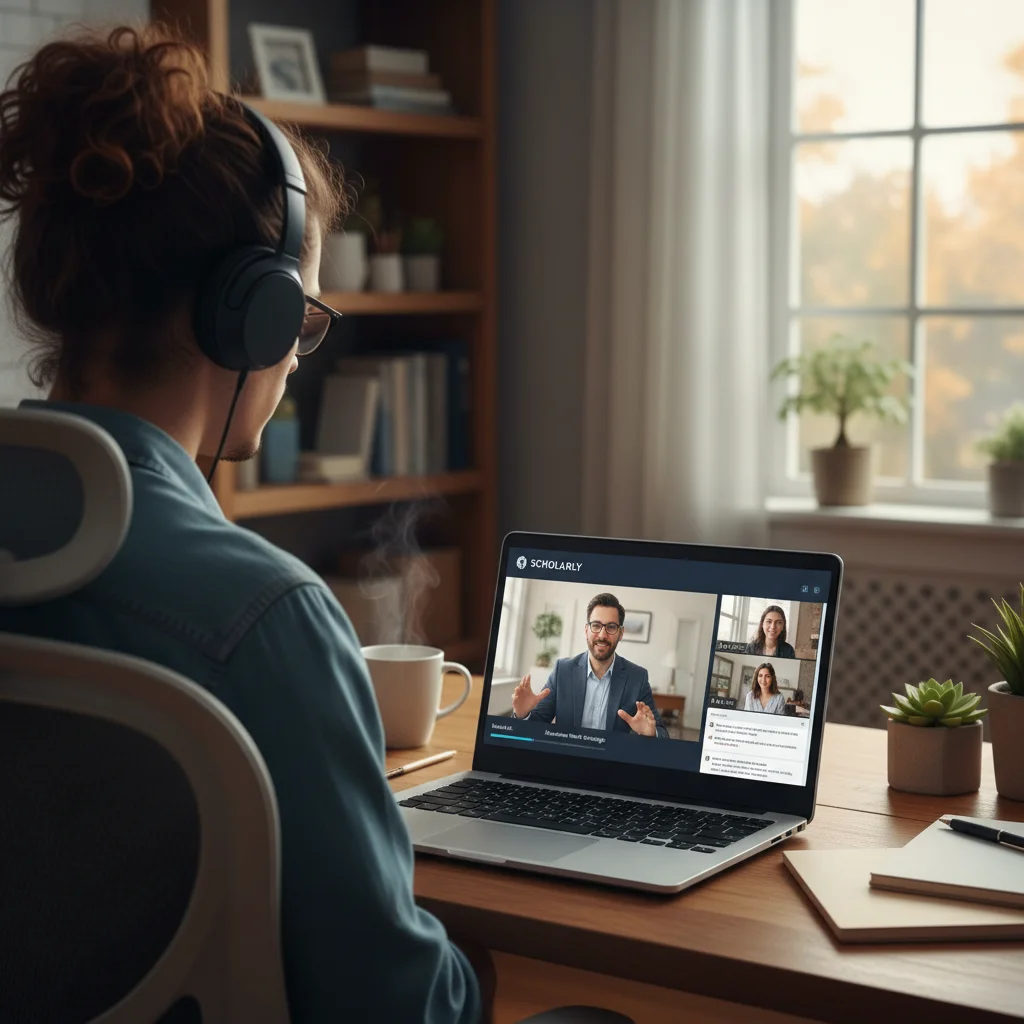
Public libraries are often overlooked as bastions of affordable US education, yet they offer an incredible array of resources far beyond just books. Many libraries have evolved into vibrant community learning centers, providing free access to digital resources, workshops, and even specialized software.
Digital Subscriptions and Databases
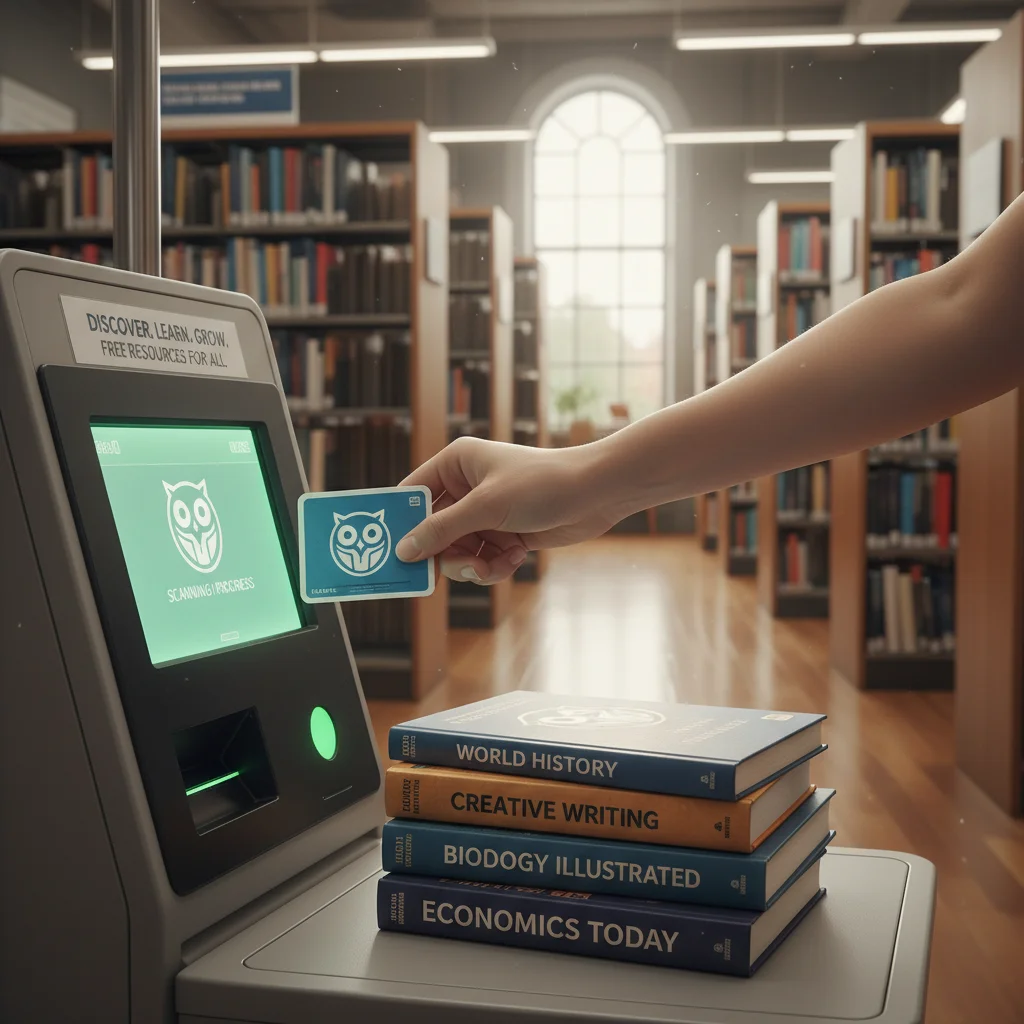
Your local public library card is a golden ticket to a wealth of paid online resources that would otherwise cost hundreds, if not thousands, of dollars annually. Many libraries subscribe to services like:
- LinkedIn Learning (formerly Lynda.com): Offers thousands of video courses taught by industry experts in software, creative, and business skills. Many public libraries provide free access to their patrons. This is a game-changer for skill-based affordable US education.
- Consumer Reports: Access to product reviews and ratings.
- Ancestry.com: For genealogy research.
- Tutor.com: Free online tutoring for students of all ages.
- Language Learning Apps (e.g., Transparent Language Online, Rosetta Stone): Many libraries offer free access to premium language learning software.
- Academic Databases: Access to scholarly journals, articles, and research papers through databases like JSTOR, EBSCOhost, and ProQuest, which are invaluable for in-depth study and research.
Simply visit your local library’s website or inquire at the information desk to see what digital resources are available with your library card. The value these subscriptions offer for affordable US education is immense and often completely free to cardholders.
Workshops, Classes, and Community Programs
Public libraries frequently host free workshops and classes on a variety of topics, from computer literacy and coding basics to resume writing and financial planning. These are often taught by local experts and provide hands-on learning opportunities. Check your library’s event calendar for upcoming programs.
Beyond libraries, community centers, non-profit organizations, and adult education programs often offer low-cost or free classes. These can range from vocational training to arts and crafts, and even academic subjects. Search online for ‘adult education [your city/county]’ or ‘community classes [your city/county]’ to find local opportunities for affordable US education.
Interlibrary Loan Services
If your local library doesn’t have a specific book or resource you need, their interlibrary loan service can often procure it from another library system, usually free of charge. This expands your access to a vast network of physical and digital materials, ensuring you can find almost any resource required for your studies without purchasing it. This service is a cornerstone of affordable US education for traditional learners.
Method 3: Strategic Investment in Low-Cost Certifications and Specialized Platforms
While the first two methods focus heavily on free resources, sometimes a small, strategic investment can unlock significant value, especially when aiming for specific career outcomes. Staying under $500 annually requires careful selection, but it’s entirely achievable for affordable US education.
Google Career Certificates and Similar Programs
Google offers several professional certificates in high-demand fields like IT Support, Data Analytics, Project Management, UX Design, and Digital Marketing. These programs are designed to be completed in 3-6 months and are highly regarded by employers. They are available on platforms like Coursera and typically cost around $39-$49 per month for a subscription. By completing a certificate within a few months, you can easily stay under the $500 annual budget, gaining a valuable credential for affordable US education.
- Google IT Support Professional Certificate: Teaches foundational IT skills.
- Google Data Analytics Professional Certificate: Covers data analysis tools and methods.
- Google Project Management Professional Certificate: Focuses on agile project management.
Similar programs are offered by other tech giants and specialized learning platforms, often with similar pricing structures. Look for programs that directly align with your career goals and offer industry-recognized credentials.
Udemy and Skillshare: Strategic Course Purchases
Platforms like Udemy and Skillshare offer individual courses, often at heavily discounted prices during sales. While their regular prices can be higher, Udemy frequently runs sales where courses are available for $10-$20. Skillshare offers a subscription model, but often has free trial periods or discounted annual plans that could fit within the $500 budget if chosen carefully. The key here is strategic purchasing for affordable US education.
- Udemy: Look for courses with high ratings and a substantial number of reviews. Wait for sales to make purchases.
- Skillshare: Focuses on creative skills and business. Consider a trial or a discounted annual plan if you plan to take multiple courses.
These platforms are excellent for acquiring specific skills, from learning a new programming language to mastering graphic design software. By targeting specific skills, you ensure your investment is highly focused and provides maximum return for your affordable US education budget.
Professional Organizations and Associations
Many professional organizations offer educational resources, webinars, and sometimes even certifications to their members. Annual membership fees can vary but often fall within the $50-$200 range. Beyond direct education, membership provides networking opportunities, industry insights, and access to exclusive content that can significantly boost your career. This is an indirect but powerful method for affordable US education and career advancement.
For example, if you’re in marketing, an American Marketing Association (AMA) membership might offer access to valuable resources. For project management, the Project Management Institute (PMI) offers a wealth of knowledge to members. Research the professional organizations relevant to your field and explore their member benefits.
Maximizing Your Under $500 Learning Budget: A Holistic Approach
Successfully accessing high-quality affordable US education for under $500 annually requires a blend of these three methods and a proactive mindset. Here’s a framework to help you plan:
1. Define Your Learning Goals Clearly
Before you start, identify what you want to learn and why. Are you aiming for a new job skill, personal enrichment, or a career pivot? Specific goals will help you narrow down resources and avoid wasting time or money. For example, if you want to become a data analyst, you might prioritize a Google Career Certificate and supplement with free MOOCs on statistics.
2. Prioritize Free Resources First
Always start with free options. Explore MOOC audit tracks, YouTube channels, OER, and your public library’s digital offerings. You’ll be surprised by how much you can learn without spending a single dollar. This establishes a strong foundation for affordable US education.
3. Leverage Your Public Library Card Aggressively
Your library card is your most powerful tool for affordable US education. Investigate every digital resource, database, and workshop your library offers. Many people pay for services like LinkedIn Learning or language apps that they could get for free through their library.
4. Make Strategic, Targeted Investments
Once you’ve exhausted free options, allocate your budget to high-impact resources. This might be a Google Career Certificate, a deeply discounted Udemy course for a niche skill, or a professional organization membership. Think about the return on investment (ROI) for each dollar spent. Will this investment directly help you achieve your learning or career goal? This is key to maintaining affordable US education.
5. Create a Learning Schedule and Stick to It
Consistency is crucial. Treat your self-directed learning with the same seriousness as a formal class. Set aside dedicated time each week for studying, watching lectures, and practicing new skills. This self-discipline ensures you make the most of the affordable US education resources you access.
6. Join Online Communities and Forums
Many online courses and educational platforms have associated forums or communities where you can interact with fellow learners and instructors. Engaging with these communities can enhance your learning, provide support, and offer opportunities for collaboration. This also extends the value of your affordable US education experience.
7. Document Your Learning Journey
Keep a record of the courses you complete, the skills you acquire, and the projects you undertake. This not only helps you track your progress but also provides tangible evidence of your learning when applying for jobs or showcasing your abilities. Consider building an online portfolio for practical skills.
Real-World Examples of Affordable US Education Pathways
Let’s consider a few scenarios to illustrate how someone might achieve high-quality education for under $500 annually:
Scenario 1: Aspiring Data Analyst
- Month 1-3: Google Data Analytics Professional Certificate via Coursera. Cost: $49/month x 3 months = $147. This provides a strong foundational credential.
- Ongoing: Free MOOCs on statistics and advanced Excel. Audit courses on edX or Coursera from top universities. Cost: $0.
- Ongoing: Public Library Access. Use LinkedIn Learning for supplementary courses on Python or R, and access academic databases for research. Cost: $0.
- Total Annual Cost: ~$147. Well under $500, with a professional certificate and extensive supplementary learning.
Scenario 2: Career Changer to Digital Marketing
- Month 1-4: Google Digital Marketing & E-commerce Professional Certificate via Coursera. Cost: $49/month x 4 months = $196.
- Ongoing: Free YouTube tutorials. Learn specific tools like Google Analytics, Facebook Ads Manager, and SEO techniques from expert channels. Cost: $0.
- Ongoing: Public Library Access. Utilize business and marketing e-books, industry reports through library databases. Cost: $0.
- Strategic Purchase: One highly-rated Udemy course on advanced SEO during a sale. Cost: ~$15-$20.
- Total Annual Cost: ~$216. Provides a strong entry point into digital marketing with practical skills.
Scenario 3: Personal Enrichment in History and Philosophy
- Ongoing: Free MOOCs. Audit multiple courses on ancient history, modern philosophy, or specific historical events from Harvard, Yale, or Oxford via edX/Coursera. Cost: $0.
- Ongoing: YouTube. Follow channels like CrashCourse History, The School of Life, or university lecture series for deeper dives. Cost: $0.
- Ongoing: Public Library. Access thousands of historical and philosophical texts, audiobooks, and scholarly articles through interlibrary loan and digital databases. Cost: $0.
- Small Investment: Membership to a local historical society or museum. Often includes lectures, special access, and community engagement. Cost: ~$50-$100 annually.
- Total Annual Cost: ~$50-$100. Pure enrichment with vast resources.
Conclusion: Your Path to Affordable US Education is Within Reach
The idea that high-quality education in the U.S. is exclusively for the wealthy is an outdated notion. By strategically combining free online learning platforms, the extensive resources of public libraries, and targeted low-cost certifications, anyone can access world-class educational content and achieve significant personal and professional growth for under $500 annually. This commitment to affordable US education is not just about saving money; it’s about empowering individuals to take control of their learning journey and thrive in an ever-changing world.
The key is to be proactive, curious, and resourceful. Define your goals, explore the vast free resources available, leverage your local library, and make wise, targeted investments when necessary. With these proven methods, your aspiration for continuous learning and skill development can become an affordable US education reality, opening doors to new opportunities and a brighter future.