Remote Work Trends 2026: 8 Platforms Connecting You to High-Paying US Opportunities

The landscape of work is undergoing a profound transformation, with remote work emerging not just as a temporary solution but as a fundamental shift in how we approach careers. As we look towards 2026, the evolution of remote work is accelerating, presenting unprecedented opportunities for skilled professionals to access high-paying roles, particularly within the robust US market. This comprehensive guide will delve into the top 8 remote work platforms that are poised to dominate in 2026, connecting talent with lucrative opportunities across the United States. We’ll explore the overarching trends shaping this future, the essential skills needed to thrive, and actionable strategies to secure your dream remote position.
The Unstoppable Rise of Remote Work: A Glimpse into 2026
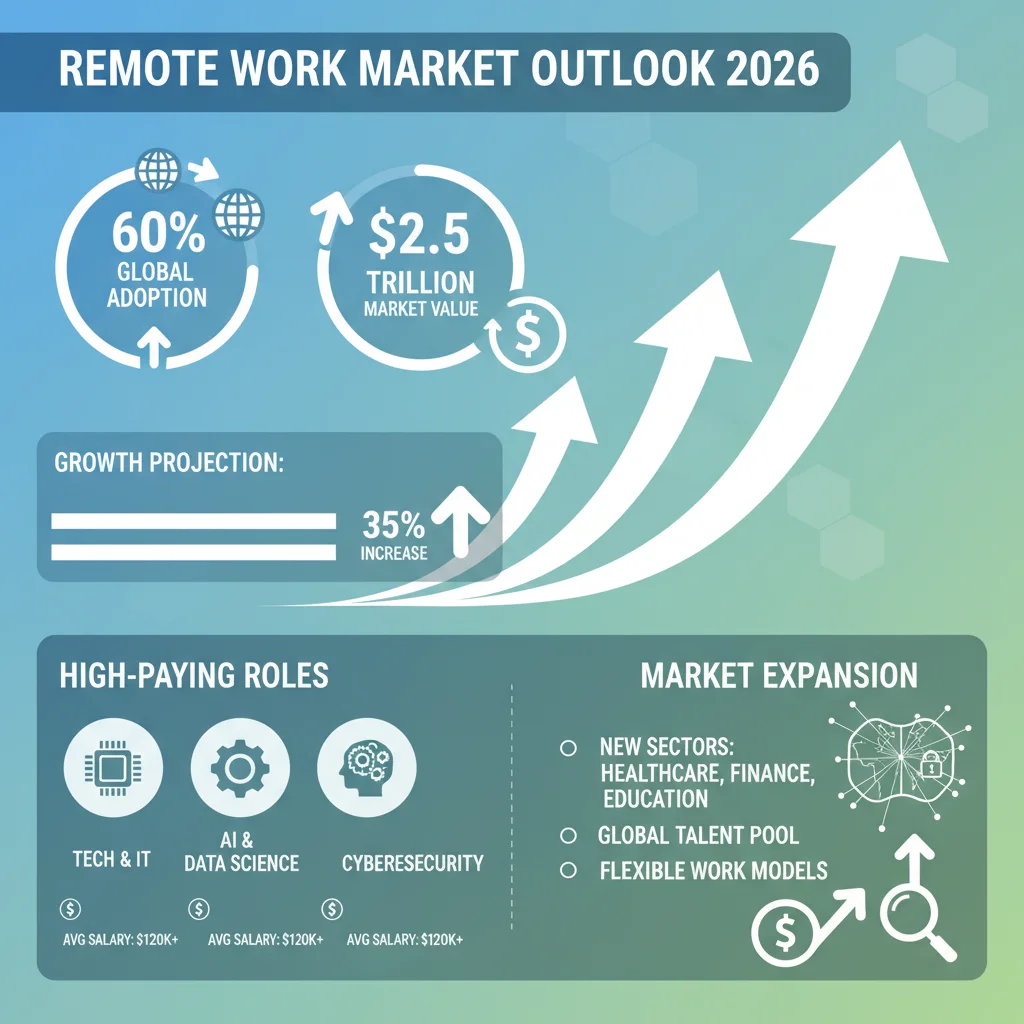
The past few years have irrevocably altered our perception of the traditional office. What began as a necessity has blossomed into a preferred mode of operation for countless individuals and organizations. By 2026, remote work is expected to be more integrated and sophisticated than ever before. Companies, having refined their remote infrastructure and management strategies, are increasingly embracing a distributed workforce as a pathway to increased productivity, reduced overheads, and access to a wider talent pool.
For job seekers, this means a significant expansion of horizons. Geographic limitations are diminishing, allowing individuals to pursue roles with top-tier US companies regardless of their physical location within the country, or even internationally. The demand for specialized skills, particularly in technology, digital marketing, project management, and creative fields, is skyrocketing, and companies are willing to pay a premium for the right talent, wherever they may reside.
The shift isn’t just about where work happens, but also how. There’s a growing emphasis on asynchronous communication, outcome-based performance, and robust digital collaboration tools. Understanding these nuances will be crucial for anyone aiming to capitalize on the remote work platforms of 2026.
Key Trends Shaping the Remote Work Landscape in 2026
Before we dive into specific platforms, it’s essential to understand the underlying trends that will influence their effectiveness and your success:
- Hybrid Models as the New Standard: While fully remote roles will remain prevalent, many companies will adopt hybrid models, offering flexibility with occasional in-office collaboration. The best remote work platforms will cater to both.
- Increased Demand for Specialized Skills: Generalist roles will be harder to find. Companies will seek highly specialized individuals in areas like AI/ML, cybersecurity, data science, advanced digital marketing, and niche software development.
- Focus on Employee Well-being and Engagement: Companies are realizing that remote work success hinges on employee satisfaction. Platforms offering tools for mental health support, virtual team building, and work-life balance will gain prominence.
- Gig Economy Integration: The line between traditional employment and the gig economy will blur further. Many high-paying remote roles will be project-based or contract-to-hire, offering greater flexibility and autonomy.
- AI-Powered Matching and Vetting: Artificial intelligence will play an even larger role in connecting candidates with suitable roles, analyzing skills, experience, and even cultural fit. Optimizing your profiles for AI algorithms will be key.
- Global Talent Acquisition: While our focus is on US opportunities, US companies are increasingly looking globally for top talent. This means more competition but also more diverse opportunities for those outside major US tech hubs.
8 Leading Remote Work Platforms for High-Paying US Opportunities in 2026
Navigating the vast sea of online job boards can be daunting. To help you focus your efforts, here are 8 platforms that are expected to be frontrunners in connecting talented professionals with high-paying remote US opportunities in 2026:
1. LinkedIn Jobs: The Professional Powerhouse
LinkedIn continues to be the undisputed leader for professional networking and job searching. In 2026, its AI-driven recommendations will be even more sophisticated, matching candidates with remote roles based on skills, past experience, and connections. For high-paying US opportunities, LinkedIn’s premium features, such as InMail and applicant insights, offer a significant advantage. Companies frequently post executive-level and specialized tech roles directly on LinkedIn, often with explicit ‘remote’ filters. Building a robust profile, actively engaging with relevant industry content, and leveraging your network are paramount here.
2. Upwork & Fiverr Business: Evolving for Enterprise
While traditionally known for freelance gigs, both Upwork and Fiverr have been steadily moving towards enterprise-level solutions and higher-paying contract roles. By 2026, their ‘Business’ or ‘Enterprise’ tiers will be a go-to for US companies seeking specialized remote talent for long-term projects, particularly in areas like software development, advanced data analysis, strategic marketing, and consulting. Expect more curated talent pools, stricter vetting processes, and project scopes that command significant compensation. Professionals with proven track records and niche skills will find these platforms incredibly lucrative.
3. FlexJobs: Curated Remote Opportunities
FlexJobs stands out for its commitment to listing only legitimate, hand-screened remote, hybrid, and flexible jobs. This dedication to quality filters out scams and low-paying opportunities, making it an excellent resource for those seeking high-paying US roles. In 2026, FlexJobs will continue to be a trusted source, particularly for experienced professionals in fields like IT, finance, healthcare, and education. Their premium subscription offers access to exclusive listings and career resources, proving invaluable for serious remote job seekers.
4. Remote.co: A Niche for Fully Remote Companies
Remote.co focuses exclusively on remote job listings from companies that are fully distributed or have a strong remote-first culture. This means the roles are inherently designed for remote work, often with established best practices and support systems. For 2026, expect Remote.co to continue attracting high-growth US tech companies and startups looking for top talent across various functions, from engineering and product management to sales and customer success. The emphasis here is on companies that truly understand and embrace remote work, often leading to better work-life balance and higher satisfaction.
5. We Work Remotely: The Largest Remote Community
We Work Remotely boasts one of the largest communities of remote workers and companies. Its job board is renowned for high-quality, fully remote positions across numerous categories, with a strong emphasis on tech roles. In 2026, this platform will likely continue to be a primary destination for software engineers, designers, marketers, and product managers seeking high-paying US roles. The sheer volume and quality of listings make it a must-visit, and its clean, user-friendly interface simplifies the search process.
6. AngelList Talent (now Wellfound): Startup-Focused High Growth
For those interested in high-impact roles within innovative US startups, AngelList Talent (now Wellfound) is a critical platform. Startups, by their nature, are often remote-friendly and willing to offer competitive salaries and equity to attract top talent. In 2026, Wellfound will be a key hub for roles in emerging technologies like Web3, AI, biotech, and fintech. If you thrive in dynamic environments and are looking for roles with significant growth potential and high compensation, this platform is invaluable.
7. Toptal: Elite Freelance Talent Network
Toptal isn’t for everyone. It’s an exclusive network for the top 3% of freelance talent, primarily in software development, design, finance, and project management. If you meet their stringent vetting process, Toptal connects you with high-paying, long-term remote contracts with leading US and international companies. By 2026, Toptal’s reputation for quality will only grow, making it the premier platform for elite professionals seeking premium rates and challenging projects without the hassle of traditional job searching or client acquisition. This is where top-tier US companies go when they need the absolute best.

8. Built In (Specific City Sites): Localized Remote Opportunities
While many platforms focus on global reach, Built In’s network of city-specific sites (e.g., Built In Chicago, Built In NYC, Built In Austin) offers a unique advantage for finding high-paying remote roles with US companies that might prefer candidates within a certain region for occasional meetups or tax purposes. By 2026, these sites will be crucial for discovering remote-friendly roles within specific US tech ecosystems, often offering excellent salaries and benefits. They provide a localized lens on a broader remote market, which can be beneficial for networking and understanding regional compensation benchmarks.
Essential Skills for Securing High-Paying Remote Roles in 2026
Simply having technical skills won’t be enough. To excel on these remote work platforms and secure top-tier US opportunities, you’ll need a blend of technical prowess and critical soft skills:
- Advanced Digital Literacy: Beyond basic computer skills, mastery of collaboration tools (Slack, Teams, Asana), video conferencing platforms, and cloud-based software is non-negotiable.
- Self-Discipline & Time Management: The freedom of remote work demands strong self-management. The ability to set goals, prioritize tasks, and meet deadlines independently is crucial.
- Proactive Communication: Remote environments require clear, concise, and proactive communication. This includes written communication, active listening in virtual meetings, and providing regular updates without being prompted.
- Adaptability & Resilience: The remote landscape is constantly evolving. The ability to quickly adapt to new tools, processes, and challenges is vital.
- Problem-Solving & Critical Thinking: Remote roles often require individuals to be more autonomous in identifying and solving problems, as immediate in-person support might not be available.
- Emotional Intelligence: Understanding and managing your own emotions, and empathizing with remote colleagues, is key to effective virtual teamwork.
- Continuous Learning Mindset: The pace of technological change demands a commitment to lifelong learning. Staying updated with industry trends and acquiring new skills is essential for maintaining competitiveness.
Strategies for Success on Remote Work Platforms
Finding a high-paying remote job isn’t just about applying; it’s about strategic positioning. Here’s how to maximize your chances:
Optimize Your Online Presence
Your LinkedIn profile, resume, and portfolio are your digital storefront. Ensure they are meticulously crafted, keyword-optimized for remote roles, and highlight your achievements with quantifiable results. Many remote work platforms use AI to screen applications, so precise language and relevant keywords are vital.
Tailor Applications Rigorously
Avoid generic applications. Customize your resume and cover letter for each role, demonstrating a clear understanding of the company’s needs and how your skills align specifically with a remote context. Emphasize your experience with remote collaboration and independent work.
Network Actively
Even in a remote world, networking remains crucial. Join online communities, attend virtual conferences, and connect with industry leaders on platforms like LinkedIn. Referrals often lead to the best opportunities, especially for high-paying roles.
Showcase Remote-Specific Skills
During interviews, highlight your proficiency with remote tools, your ability to manage your time effectively without supervision, and your communication strategies in a distributed team. Provide examples of past remote successes.
Build a Strong Portfolio or Case Studies
For creative, tech, and marketing roles, a robust online portfolio or detailed case studies showcasing your best work is indispensable. This provides tangible proof of your capabilities to potential employers on these remote work platforms.
Master the Virtual Interview
Virtual interviews require preparation. Ensure a professional background, good lighting, clear audio, and stable internet. Practice answering common questions and be ready to discuss your remote work philosophy and experience.
The Future is Flexible: Embracing the Remote Revolution
The transition to widespread remote work is not a fleeting trend but a fundamental recalibration of professional life. By 2026, the opportunities available through specialized remote work platforms will be more diverse and lucrative than ever before. Companies are increasingly recognizing the value of a global talent pool, and skilled professionals are demanding the flexibility and autonomy that remote work provides.
Successfully navigating this evolving landscape requires foresight, adaptability, and a proactive approach to skill development. By focusing on the platforms listed above, cultivating essential remote-specific skills, and employing strategic job search techniques, you can position yourself to secure high-paying US opportunities and build a thriving, flexible career that aligns with the demands of the modern world.
The future of work is remote, and the time to prepare is now. Embrace the tools, hone your skills, and leverage these powerful platforms to unlock a world of possibilities.
Deep Dive into Platform Specifics and Niche Opportunities
While the initial overview provides a strong foundation, let’s explore some nuanced aspects of each platform and how to extract maximum value, especially for high-paying roles.
LinkedIn Jobs: Beyond the Basic Search
For high-paying US opportunities on LinkedIn, don’t just rely on keyword searches. Leverage the ‘alerts’ feature for specific company roles or job titles. Engage directly with recruiters by sending personalized InMails, referencing specific projects or skills that align with their current openings. Participate in relevant LinkedIn Groups where companies often scout for passive talent. Optimize your ‘Skills & Endorsements’ section with industry-specific keywords, as this significantly impacts AI matching. Consider a premium subscription for advanced analytics on job postings and competitor insights, which can be crucial for positioning yourself against other high-caliber applicants.
Upwork & Fiverr Business: Building a Premium Brand
To secure high-paying US contracts on these platforms, you need to differentiate yourself. For Upwork, focus on building a strong ‘Job Success Score’ and accumulating positive reviews. Create a specialized profile that highlights your niche expertise (e.g., ‘AWS Cloud Architect specializing in FinTech’). For Fiverr Business, curate premium ‘Gigs’ that clearly define high-value services and command top prices. Both platforms benefit from clear communication, timely delivery, and proactive client management. Consider offering a ‘discovery call’ to potential high-value clients to discuss their needs in depth before proposing a project, which can lead to larger, more lucrative contracts.
FlexJobs: Maximizing Your Investment
Since FlexJobs is a paid subscription service, ensure you’re utilizing all its features. Take advantage of their skill tests to validate your expertise, which can make your profile stand out. Explore their career resources, including resume reviews and interview tips tailored for remote roles. Set up highly specific job alerts. Don’t just browse; actively apply to roles that perfectly match your skills, as the quality of applicants on FlexJobs tends to be higher due to the subscription model, meaning you’re competing with serious remote job seekers.
Remote.co & We Work Remotely: Understanding Remote-First Culture
When applying through Remote.co and We Work Remotely, demonstrate an understanding of remote-first company culture. In your cover letter, mention your experience with asynchronous communication, virtual team collaboration, and self-management. These companies value individuals who can thrive independently and contribute effectively without constant oversight. Research the company’s remote policies and values, and tailor your application to reflect how you embody those principles. High-paying roles here often seek individuals who are proactive problem-solvers and excellent written communicators.
Wellfound (AngelList Talent): The Startup Mindset
For Wellfound, emphasize your adaptability, willingness to take on new challenges, and comfort with fast-paced, sometimes ambiguous, environments. Startups look for individuals who are not just skilled but also passionate about the company’s mission and can grow with the organization. Highlight any entrepreneurial experience or projects where you’ve demonstrated initiative. Many high-paying roles here include equity, so express your interest in long-term commitment and contributing to the company’s success. Your profile should clearly articulate your desired salary range and equity expectations.
Toptal: Navigating the Elite Vetting Process
Toptal’s rigorous screening process means that once you’re in, the opportunities are exceptional. If you aspire to join Toptal, dedicate time to preparing for their technical and communication assessments. Practice coding challenges, refine your portfolio, and be ready to articulate your problem-solving process. For finance and project management roles, demonstrate your strategic thinking and leadership capabilities. The investment in passing their tests pays off significantly in terms of compensation and project quality. This platform is ideal for those who are truly experts in their field and seek to work with top-tier clients on challenging, high-impact projects.
Built In (Specific City Sites): Local Edge, Remote Reach
Utilizing Built In’s city-specific sites for remote roles means understanding the nuances of that local market. While the role is remote, companies might prefer candidates who are open to occasional travel to a specific hub, or who share a similar time zone for easier collaboration. Highlight any connections to that city or region, even if you don’t reside there currently. These platforms often list roles from established tech companies and larger enterprises that offer excellent benefits and competitive salaries, often reflecting the cost of living and talent demand in that specific US city.
Preparing for the Remote Work Future: Beyond Platforms
While these remote work platforms are crucial, your success in 2026 will also depend on broader preparation:
- Invest in Your Home Office: A dedicated, ergonomic workspace with reliable internet and quality equipment (webcam, microphone) is a non-negotiable for professionalism and productivity.
- Master Asynchronous Communication: Learn to convey information clearly and completely in written form, anticipating questions and providing context. This reduces the need for constant real-time meetings.
- Develop Cross-Cultural Competence: Working remotely often means collaborating with people from diverse backgrounds and time zones. Understanding cultural nuances and adapting your communication style is vital.
- Prioritize Digital Security: Remote work increases exposure to cyber threats. Familiarize yourself with best practices for data security, VPN usage, and protecting sensitive information.
- Seek Certifications and Specializations: As the market demands more specialized skills, obtaining relevant industry certifications (e.g., cloud certifications, project management professional, advanced data analytics) can significantly boost your earning potential and desirability on these platforms.
Conclusion: Your Gateway to High-Paying Remote US Jobs
The evolution of remote work is creating an exciting future for professionals seeking high-paying opportunities in the US. By leveraging the power of platforms like LinkedIn, Upwork, FlexJobs, Remote.co, We Work Remotely, Wellfound, Toptal, and Built In, and by strategically cultivating the right skills and mindset, you can position yourself at the forefront of this revolution.
The year 2026 promises a dynamic and competitive remote job market, but with the right approach, it also offers unparalleled freedom, challenging work, and significant financial rewards. Start preparing today, refine your digital presence, and embrace the flexibility that the future of work has to offer. Your next high-paying remote role in the US is waiting.