Retail Transformation U.S. 2026: Key Insights for Brick-and-Mortar
Retail Transformation U.S. 2026: Key Insights for Brick-and-Mortar
The retail sector in the United States is in a perpetual state of evolution, and as we look towards 2026, the pace of change is only accelerating. Brick-and-mortar stores, once thought to be on the decline, are experiencing a profound retail transformation 2026, reinventing themselves to remain relevant and competitive in an increasingly digital world. This isn’t just about survival; it’s about thriving through innovation, understanding consumer behavior, and leveraging technology to create unparalleled shopping experiences. The future of retail is dynamic, omnichannel, and deeply personal.
For retailers, understanding these shifts is not merely beneficial; it’s essential. The landscape is being reshaped by technological advancements, changing consumer expectations, and a renewed focus on sustainability and ethical practices. Ignoring these trends is akin to navigating a stormy sea without a compass. This comprehensive guide will delve into four critical industry insights that will define the retail transformation 2026 for brick-and-mortar stores, offering actionable strategies and a glimpse into what success will look like.
The Dawn of Hyper-Personalization Through AI and Data Analytics
One of the most significant drivers of the retail transformation 2026 is the exponential growth in the application of Artificial Intelligence (AI) and advanced data analytics. Gone are the days of one-size-fits-all marketing and generic product recommendations. Consumers today expect, and indeed demand, experiences tailored specifically to their individual preferences, purchase history, and even real-time behavior. AI and data analytics are the keys to unlocking this level of hyper-personalization.
Understanding the Consumer Like Never Before
AI algorithms can process vast amounts of data – from online browsing habits and social media interactions to in-store movement patterns and purchase histories – to create incredibly detailed customer profiles. This goes beyond simple demographics, delving into psychographics, lifestyle choices, and even emotional triggers. For brick-and-mortar stores, this means understanding which products a customer is likely to be interested in before they even step foot in the store, or predicting their next purchase based on past behavior.
AI-Powered In-Store Experiences
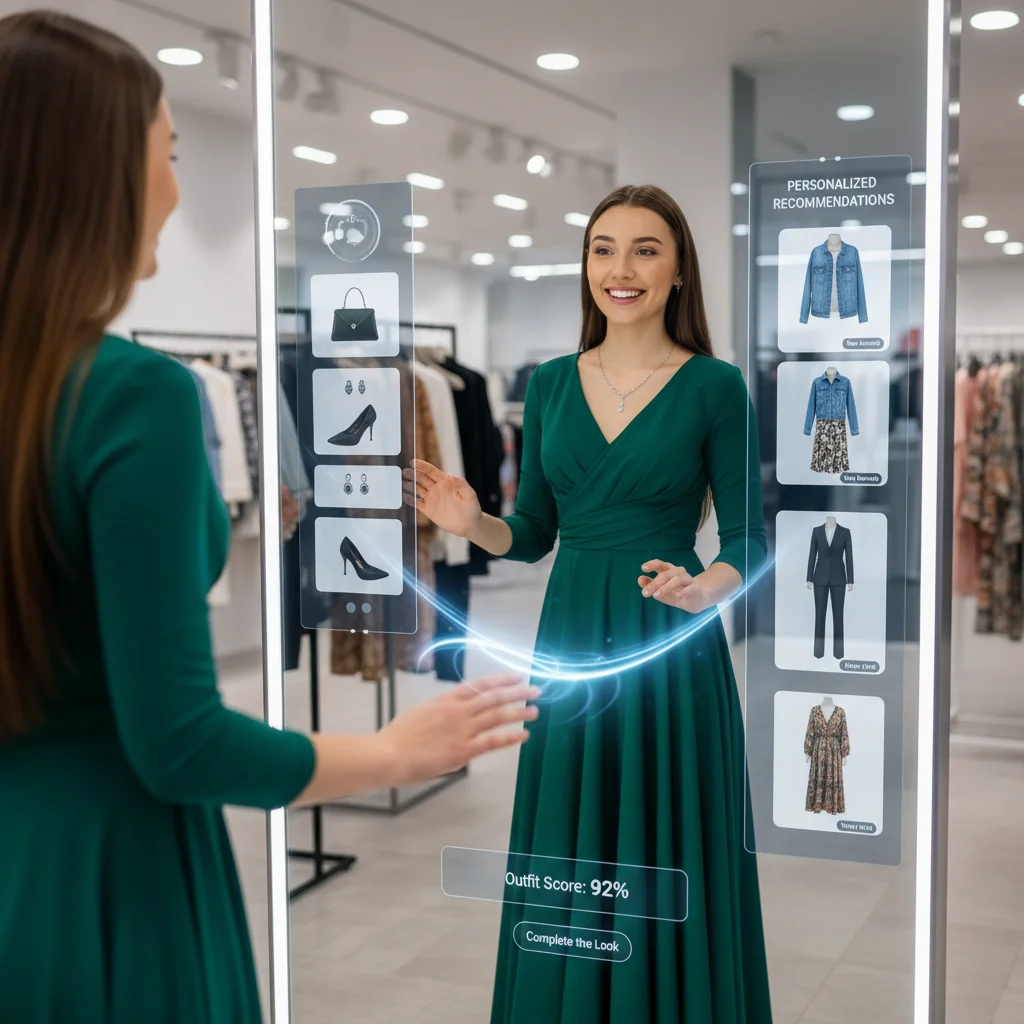
Imagine walking into a store where digital signage displays personalized promotions based on your loyalty program data, or where a smart mirror suggests outfits tailored to your style and body type. These aren’t futuristic fantasies; they are becoming the norm as part of the retail transformation 2026. AI can power personalized recommendations in real-time, guide customers to relevant products, and even optimize store layouts based on foot traffic patterns and sales data. Chatbots and virtual assistants, already prevalent online, are finding their way into physical stores, offering instant customer support and product information.
Predictive Analytics for Inventory and Staffing
Beyond customer-facing applications, AI and data analytics are revolutionizing back-end operations. Predictive analytics can forecast demand with unprecedented accuracy, allowing retailers to optimize inventory levels, reduce waste, and ensure popular products are always in stock. This not only improves customer satisfaction but also significantly boosts profitability. Similarly, AI can help optimize staffing schedules, ensuring adequate personnel are available during peak hours, leading to better service and reduced labor costs. The efficiency gains from this aspect of the retail transformation 2026 are immense.
Challenges and Ethical Considerations
While the benefits are clear, retailers must also navigate the challenges associated with hyper-personalization. Data privacy and security are paramount. Consumers are increasingly wary of how their data is collected and used, making transparent data practices and robust security measures non-negotiable. Ethical considerations around algorithmic bias and the potential for intrusive marketing also need careful management. Building trust with consumers will be crucial for the successful implementation of AI in retail.
The Blurring Lines: Seamless Omnichannel Integration
The distinction between online and offline shopping is rapidly fading, giving way to a truly integrated omnichannel experience. Consumers no longer think in terms of separate channels; they expect a fluid, consistent, and convenient journey regardless of where or how they interact with a brand. This seamless integration is a cornerstone of the retail transformation 2026.
Click-and-Collect and Beyond
Click-and-collect (or Buy Online, Pick Up In-Store – BOPIS) has become a standard offering, but omnichannel goes far deeper. It encompasses everything from checking in-store inventory online before a visit, to returning online purchases in a physical store, and even making purchases in-store that are shipped directly to the customer’s home. The goal is to eliminate friction points and provide maximum convenience.
In-Store Technology Enhancing Online Access
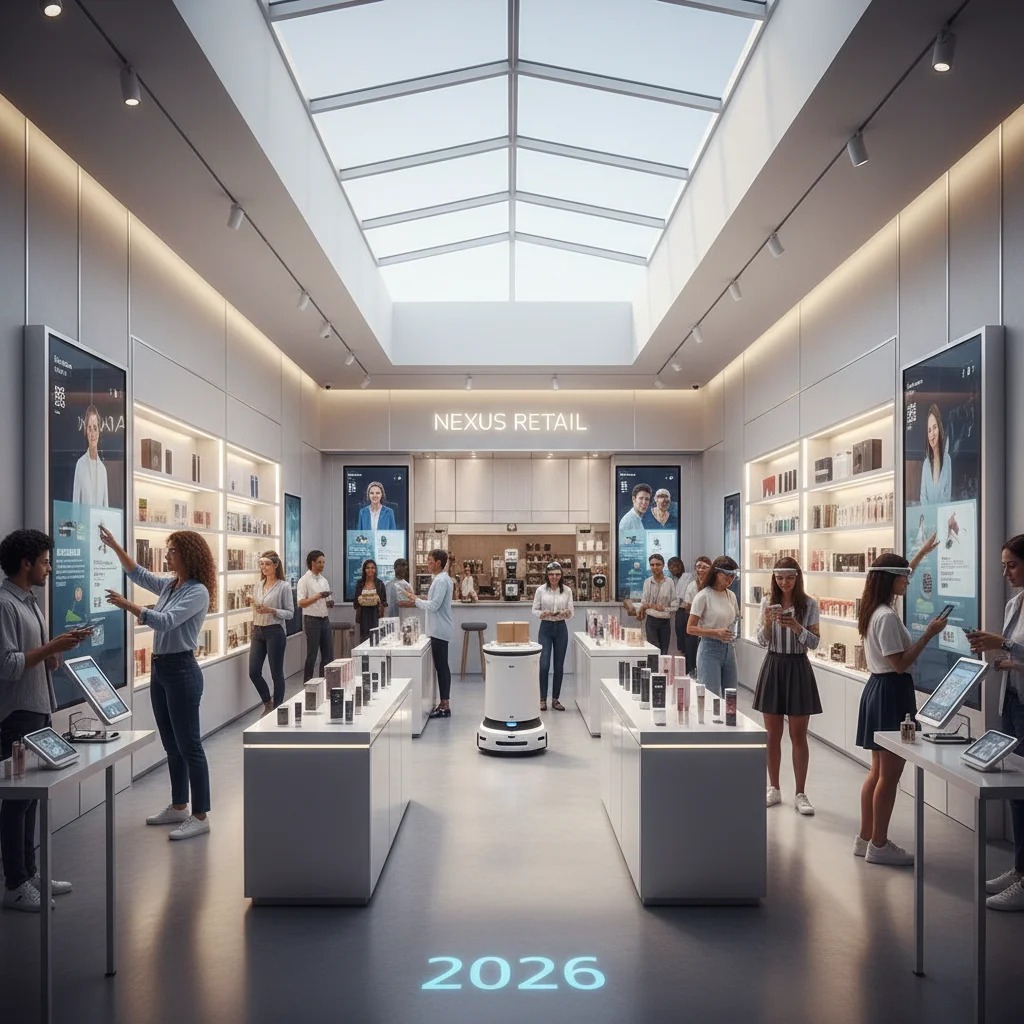
Brick-and-mortar stores are becoming extensions of a brand’s digital presence. Interactive kiosks allow customers to browse extended product catalogs, read reviews, and place orders for items not physically in stock. RFID tags and smart shelves provide real-time inventory information, allowing sales associates to quickly locate products or suggest alternatives. Mobile apps are central to this integration, offering in-store navigation, personalized offers, and a way to seamlessly transition between online and offline shopping carts. This holistic approach is vital for the retail transformation 2026.
Unified Customer Data Across Channels
A truly seamless omnichannel experience relies on a unified view of the customer. Every interaction, whether online or in-store, contributes to a single customer profile. This allows sales associates to access a customer’s online wish list, past purchases, and preferences, enabling a highly personalized in-store experience. It also ensures that marketing messages are consistent and relevant across all touchpoints, reinforcing brand loyalty and improving the overall customer journey.
The Role of Experiential Retail
While convenience is key, omnichannel also enables brick-and-mortar stores to double down on their unique advantage: providing an experience. When basic transactions can be handled online, the physical store becomes a destination for discovery, engagement, and community. This might involve workshops, product demonstrations, pop-up events, or even just beautifully designed spaces that encourage lingering and interaction. The physical store is no longer just a point of sale; it’s a brand touchpoint, a showroom, and an experience center, all crucial elements of the ongoing retail transformation 2026.
Elevating the Human Element: The Empowered Associate
In an era dominated by technology, the human touch remains irreplaceable, particularly in brick-and-mortar retail. The retail transformation 2026 emphasizes empowering store associates with the tools, training, and autonomy to deliver exceptional, personalized service that technology alone cannot replicate.
From Salesperson to Brand Ambassador and Advisor
The role of the retail associate is evolving from merely processing transactions to becoming a brand ambassador, product expert, and trusted advisor. With customers often researching products online before entering a store, associates need to be even more knowledgeable and capable of adding value beyond what a website can offer. This means deep product expertise, an understanding of current trends, and the ability to offer genuine, personalized recommendations.
Technology as an Enabler, Not a Replacement
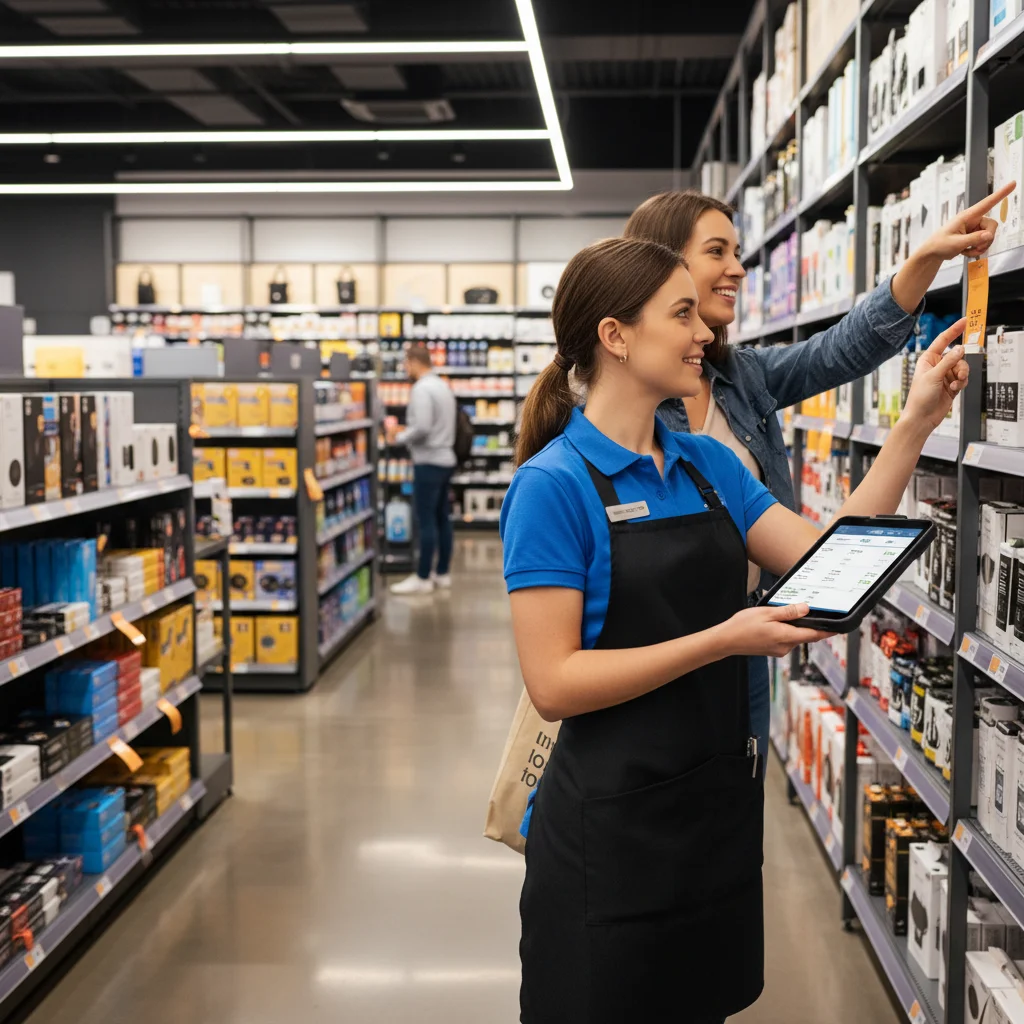
Far from being replaced by AI, store associates are being empowered by it. Mobile POS (Point of Sale) systems allow them to complete transactions anywhere on the floor, avoiding queues. Handheld devices provide instant access to real-time inventory, customer profiles, and product information, enabling associates to answer questions accurately and efficiently. Augmented reality (AR) tools can help associates demonstrate product features or visualize how an item might look in a customer’s home. This technological support frees up associates to focus on what they do best: building relationships and providing human connection, a critical aspect of the retail transformation 2026.
Training and Development for New Skill Sets
To meet these new demands, retailers must invest heavily in training and development for their staff. This goes beyond product knowledge to include soft skills like empathy, active listening, and problem-solving, as well as proficiency in using new technologies. Associates need to be comfortable with digital tools and understand how to leverage data to enhance the customer experience. Creating a culture of continuous learning is vital for maintaining a highly skilled and motivated workforce.
Creating a Culture of Empowerment and Ownership
Empowered associates feel a greater sense of ownership and are more invested in the success of the store. This means giving them the autonomy to make decisions that benefit the customer, such as offering a discount for a minor inconvenience or going the extra mile to resolve an issue. When associates feel trusted and valued, they become powerful advocates for the brand, contributing significantly to a positive customer experience and driving the success of the retail transformation 2026.
Sustainability and Ethical Practices: A Core Brand Differentiator
In 2026, sustainability and ethical practices are no longer niche concerns; they are fundamental expectations for a growing segment of consumers. Retailers that genuinely integrate these values into their business model will not only attract environmentally and socially conscious customers but also build stronger brand loyalty and resilience. This commitment is a non-negotiable part of the retail transformation 2026.
Eco-Friendly Operations and Supply Chains
Consumers are increasingly scrutinizing the environmental footprint of the products they buy and the companies they support. This translates into a demand for sustainable sourcing of materials, reduced waste in packaging, energy-efficient store operations, and transparent supply chains. Retailers are investing in renewable energy for their stores, implementing recycling programs, and exploring circular economy models where products are designed for durability, repair, and eventual recycling or reuse. Minimizing environmental impact across the entire value chain is becoming a competitive advantage.
Ethical Sourcing and Labor Practices
Beyond environmental concerns, ethical considerations play a significant role. Consumers want to know that the products they purchase are made under fair labor conditions, without exploitation or child labor. Transparency in the supply chain, from raw material extraction to manufacturing, is crucial. Certifications from reputable organizations can help assure consumers of a brand’s commitment to ethical practices. Brands that can genuinely demonstrate a positive social impact will resonate deeply with the conscious consumer, accelerating their success in the retail transformation 2026.
Communicating Values Authentically
Simply having sustainable and ethical practices isn’t enough; retailers must communicate these values authentically and transparently to their customers. This means avoiding ‘greenwashing’ and providing clear, verifiable information about their initiatives. This could involve in-store displays highlighting sustainable products, detailed information on their website, or partnerships with environmental or social organizations. Storytelling around their commitment can build an emotional connection with consumers who share similar values.
The Business Case for Sustainability
While driven by consumer demand and ethical imperatives, sustainability also makes strong business sense. Reduced waste and energy consumption can lead to significant cost savings. A strong reputation for sustainability can attract top talent, improve employee morale, and enhance brand equity. Furthermore, as regulations around environmental impact become stricter, proactive adoption of sustainable practices can mitigate future risks and ensure long-term viability. This dual benefit underscores the importance of sustainability in the ongoing retail transformation 2026.
The Future is Now: Preparing for 2026 and Beyond
The retail transformation 2026 is not a distant event but an ongoing process that demands continuous adaptation and strategic foresight. For brick-and-mortar stores, this means embracing technology not as a threat, but as a powerful tool to enhance the customer experience, empower employees, and streamline operations. It means understanding that today’s consumers are more informed, more demanding, and more values-driven than ever before.
Agility and Experimentation
Successful retailers in 2026 will be those that are agile and willing to experiment. The pace of technological change means that what works today might be obsolete tomorrow. Retailers need to foster a culture of innovation, allowing for piloting new technologies, testing different store formats, and gathering feedback continuously. This iterative approach to development is crucial for staying ahead in a competitive market.
Investing in Infrastructure and Talent
Implementing these transformations requires significant investment – not just in new technologies but also in the underlying infrastructure and, critically, in human talent. Ensuring robust IT systems, secure data management, and continuous employee training are fundamental to building a resilient and future-proof retail operation. The focus should be on building capabilities that can adapt to future unknown changes, not just current trends.
Community and Local Engagement
Despite the global nature of e-commerce, local community engagement remains a powerful differentiator for brick-and-mortar stores. Becoming a hub for community events, supporting local causes, and offering products from local artisans can foster a strong sense of belonging and loyalty. In an increasingly digital world, the physical store can serve as a vital community anchor, a unique advantage in the retail transformation 2026.
The Enduring Power of Experience
Ultimately, the enduring power of brick-and-mortar retail lies in its ability to offer an experience that online shopping cannot fully replicate. Whether it’s the tactile pleasure of touching a fabric, the aroma of a coffee shop within a bookstore, the expert advice from a knowledgeable associate, or the sheer joy of discovery, physical stores provide sensory and social dimensions that are deeply valued. The retail transformation 2026 is about leveraging technology to amplify these inherent strengths, creating immersive, memorable, and personalized experiences that keep customers coming back.
Conclusion: A Bright Future for Adaptable Retailers
The U.S. retail landscape in 2026 will be characterized by profound changes, but also by immense opportunities for those willing to adapt and innovate. By embracing hyper-personalization through AI, achieving seamless omnichannel integration, empowering their human workforce, and committing to sustainability, brick-and-mortar stores can not only survive but truly thrive. The retail transformation 2026 is an exciting journey, and the retailers who navigate it successfully will be the ones who understand that the future of retail is a harmonious blend of technology, human connection, and unwavering customer focus.