
Sustainability in Business: 3 Market Trends US Companies are Prioritizing for a 15% ROI by 2026 (Practical Solutions)
In an era defined by increasing environmental awareness and social consciousness, the concept of profitability often goes hand-in-hand with responsibility. For US companies, embracing sustainability is no longer just a moral imperative; it’s a strategic necessity. The market is clearly signaling a shift, with consumers, investors, and regulators alike demanding greater accountability and transparency from businesses. This comprehensive guide delves into the top three sustainable business trends US companies are prioritizing, projecting a significant 15% Return on Investment (ROI) by 2026. We will explore practical solutions and actionable strategies that can help your organization not only meet but exceed these evolving expectations, driving both profit and purpose.
The global landscape is undergoing a profound transformation, with climate change, resource scarcity, and social inequality becoming pressing concerns. Businesses, as significant stakeholders in society, are under immense pressure to contribute positively to these challenges. However, this pressure isn’t merely a burden; it presents an unprecedented opportunity for innovation, efficiency, and market differentiation. Companies that proactively integrate sustainability into their core operations are finding themselves better positioned to attract talent, secure investment, build brand loyalty, and ultimately, achieve superior financial performance. The projected 15% ROI by 2026 is a testament to the tangible benefits of a well-executed sustainability strategy.
Understanding these sustainable business trends is crucial for any forward-thinking organization. It’s about recognizing that long-term value creation is intrinsically linked to environmental stewardship, social equity, and robust governance. This article will break down these trends, offering a roadmap for companies looking to embed sustainability deeply within their DNA, moving beyond mere compliance to genuine leadership. From optimizing supply chains to fostering inclusive workplaces, the solutions presented here are designed to be practical, scalable, and impactful.
Trend 1: The Circular Economy – Redefining Resource Management for Maximum Efficiency
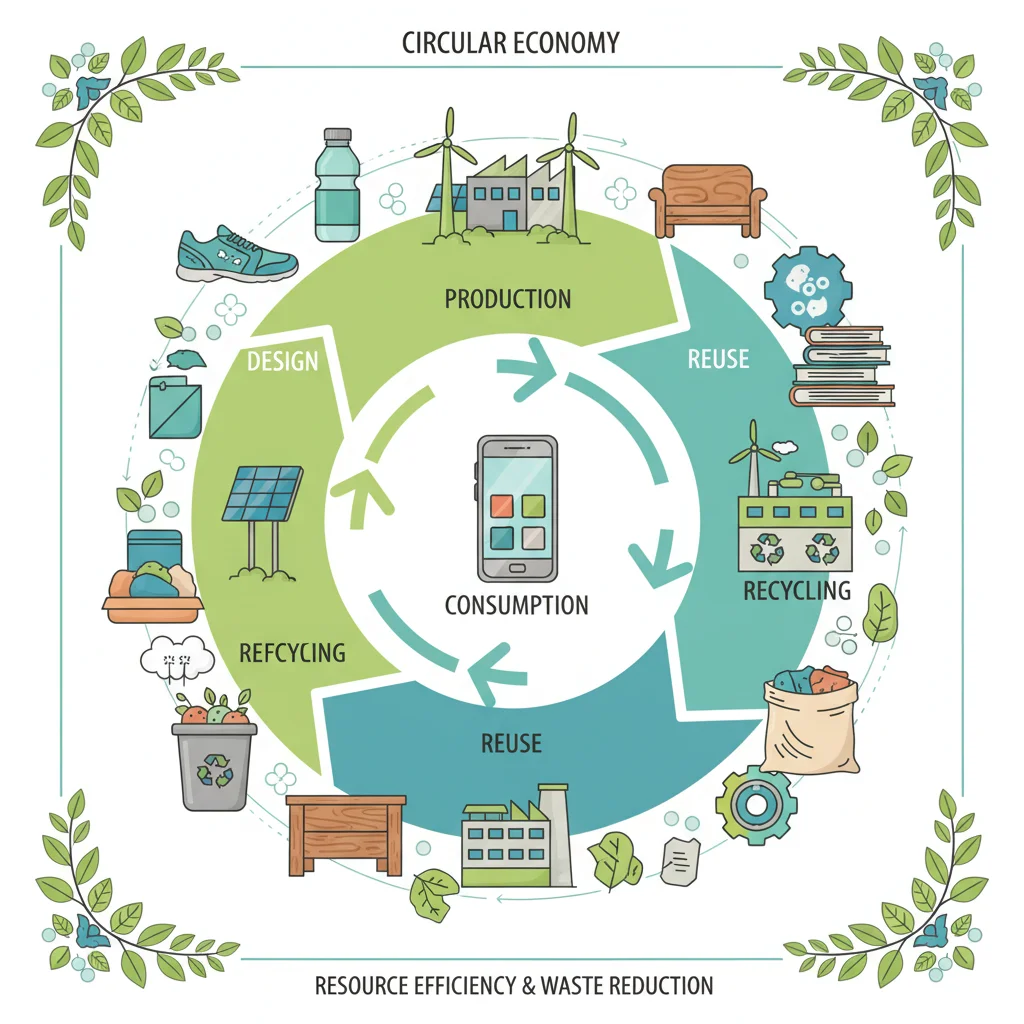
One of the most impactful sustainable business trends gaining traction across US industries is the widespread adoption of circular economy principles. Moving away from the traditional ‘take-make-dispose’ linear model, the circular economy focuses on designing out waste and pollution, keeping products and materials in use, and regenerating natural systems. This approach not only minimizes environmental impact but also unlocks significant economic value through resource efficiency, reduced raw material costs, and new revenue streams.
Understanding the Circular Economy Model
At its core, the circular economy is about systemic change. It’s a fundamental shift in how we design, produce, and consume goods and services. Instead of viewing products as having a finite lifespan, companies are now exploring ways to extend their utility through repair, reuse, refurbishment, and recycling. This means rethinking product design from the outset, prioritizing durability, modularity, and the use of renewable or recycled materials. The goal is to create closed-loop systems where resources are continuously circulated, minimizing the need for virgin materials and reducing waste sent to landfills.
For US companies, the transition to a circular economy offers a multitude of benefits. Beyond the obvious environmental advantages of reduced emissions and resource depletion, businesses can realize substantial cost savings. For example, by designing products for disassembly and material recovery, companies can reclaim valuable components and raw materials, reducing their reliance on volatile global supply chains. This resilience is a key differentiator in today’s unpredictable economic climate.
Practical Solutions for Implementing Circularity
Implementing circular economy principles requires a multi-faceted approach. Here are some practical solutions that US companies are prioritizing:
- Product-as-a-Service (PaaS) Models: Instead of selling products outright, companies retain ownership and lease them to customers. This incentivizes durability, repair, and end-of-life recovery. Examples include carpet tiles leased by Interface or industrial equipment leased by Caterpillar, where maintenance and upgrades are part of the service, ensuring products remain in use longer.
- Designing for Durability and Repairability: Engineers and designers are focusing on creating products that last longer and are easy to repair, rather than being disposable. This includes using robust materials, modular components, and providing readily available spare parts and repair guides. Companies like Patagonia have built their brand around product longevity and repair services.
- Reverse Logistics and Take-Back Programs: Establishing efficient systems for collecting used products from consumers or businesses is crucial for material recovery. Companies are investing in reverse logistics networks and offering incentives for customers to return old items for recycling or refurbishment. Apple’s trade-in programs for electronics are a prime example.
- Industrial Symbiosis and Waste Valorization: Collaborating with other businesses to turn one company’s waste into another’s resource. This can involve sharing excess heat, water, or material by-products. For instance, a food manufacturer’s organic waste could become feedstock for an energy plant.
- Use of Recycled and Renewable Materials: Prioritizing the incorporation of recycled content and sustainably sourced renewable materials in manufacturing processes. This reduces the demand for virgin resources and supports the circular flow of materials. Companies like Adidas are incorporating ‘Parley Ocean Plastic’ into their footwear, demonstrating a commitment to this approach.
The ROI from these circular strategies can be substantial. Reduced raw material costs, lower waste disposal fees, enhanced brand reputation, and access to new markets (e.g., selling refurbished products) all contribute to the bottom line. Research by the Ellen MacArthur Foundation suggests that adopting circular economy principles could generate significant economic benefits globally, and US companies are keen to capture their share of this value.
Trend 2: ESG Integration – Beyond Compliance to Strategic Value Creation
Environmental, Social, and Governance (ESG) factors have rapidly evolved from a niche concern to a mainstream driver of investment and corporate strategy. Investors are increasingly screening companies based on their ESG performance, recognizing that strong ESG practices correlate with lower risk, better operational efficiency, and long-term financial resilience. For US companies, integrating ESG principles is no longer just about compliance; it’s about strategic value creation and a critical component of any forward-looking sustainable business trends strategy.
The Pillars of ESG: A Deeper Dive
ESG encompasses a broad range of non-financial factors that impact a company’s performance and reputation:
- Environmental (E): This pillar covers a company’s impact on natural systems, including carbon emissions, energy efficiency, waste management, water usage, pollution, and biodiversity conservation. Companies are setting ambitious targets for decarbonization, investing in renewable energy, and optimizing their supply chains for environmental performance.
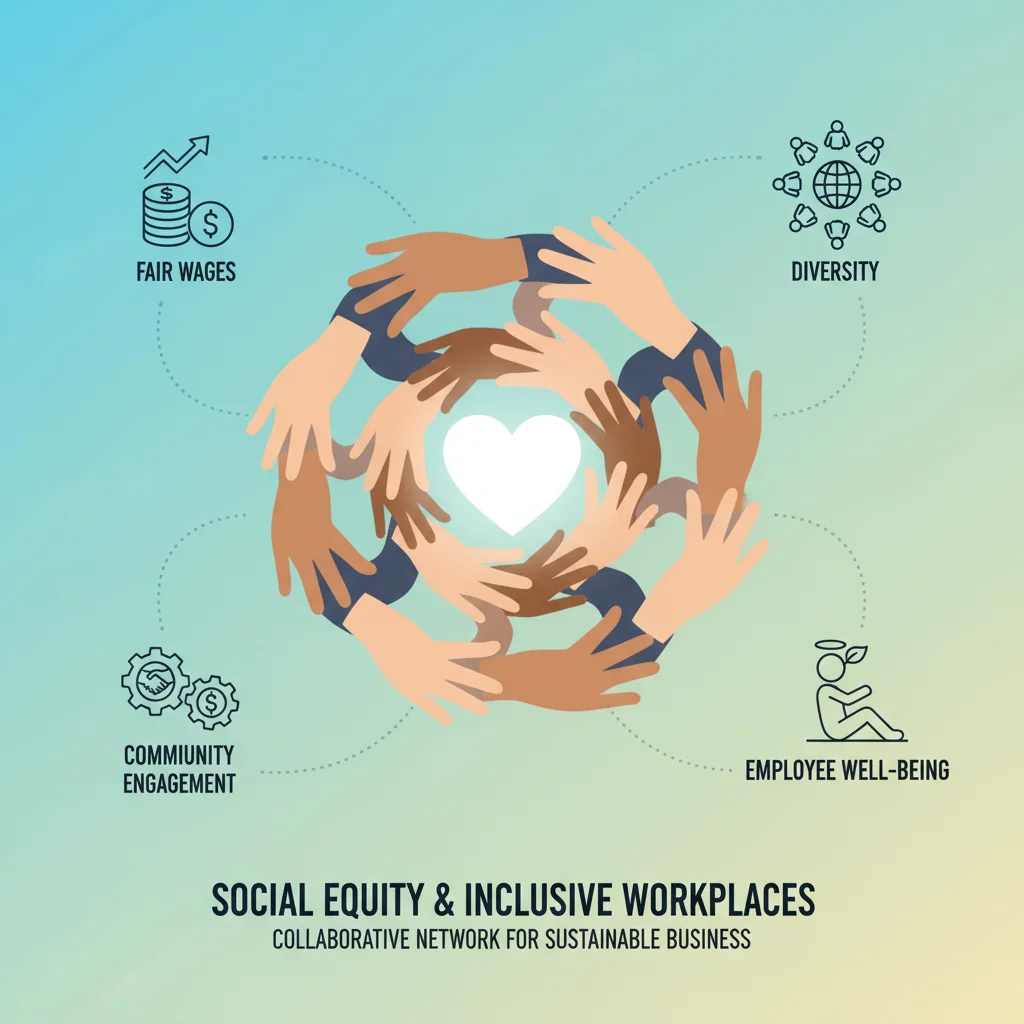
- Social (S): The social aspect focuses on how a company manages its relationships with employees, suppliers, customers, and the communities where it operates. Key considerations include labor practices, diversity and inclusion, human rights, employee health and safety, customer privacy, and community engagement.
- Governance (G): Governance refers to the leadership of the company, executive pay, audits, internal controls, and shareholder rights. Strong governance ensures transparency, accountability, and ethical decision-making, which are foundational for sustainable long-term performance.
The confluence of these factors creates a holistic view of a company’s sustainability performance. Investors use ESG ratings to assess risk and identify opportunities, leading to a significant flow of capital towards companies with strong ESG profiles. This trend is particularly pronounced in the US, with sustainable investing assets growing exponentially.
Practical Solutions for Robust ESG Integration
To effectively integrate ESG and capitalize on this sustainable business trends, US companies are implementing the following practical solutions:
- Materiality Assessments: Identifying the most significant ESG issues for their business and stakeholders. This helps prioritize efforts and resources, ensuring that sustainability initiatives are aligned with core business objectives and stakeholder expectations.
- Setting Science-Based Targets (SBTs): Committing to emission reduction targets in line with the latest climate science to meet the goals of the Paris Agreement. This provides a clear, measurable pathway for decarbonization and demonstrates a serious commitment to environmental stewardship. Many leading US companies have already adopted SBTs.
- Enhancing Supply Chain Transparency and Ethics: Extending ESG scrutiny to the entire supply chain, from raw material sourcing to manufacturing. This involves conducting due diligence on suppliers, ensuring fair labor practices, human rights, and environmental compliance throughout the value chain. Blockchain technology is increasingly being explored for enhanced traceability.
- Investing in Human Capital and DEI (Diversity, Equity, and Inclusion): Fostering a diverse, equitable, and inclusive workplace culture. This includes implementing fair hiring practices, providing equal opportunities for advancement, offering competitive benefits, and investing in employee training and development. Companies recognize that a diverse workforce drives innovation and better decision-making.
- Robust ESG Reporting and Disclosure: Transparently reporting on ESG performance using recognized frameworks such as SASB (Sustainability Accounting Standards Board), TCFD (Task Force on Climate-related Financial Disclosures), and GRI (Global Reporting Initiative). This builds trust with investors and stakeholders, demonstrating accountability and progress.
- Board-Level Oversight of ESG: Integrating ESG responsibilities at the highest levels of governance, with board committees dedicated to sustainability or direct oversight from the full board. This ensures that ESG considerations are embedded in strategic planning and risk management.
Companies with strong ESG performance often experience lower costs of capital, improved operational efficiency (e.g., through energy savings), enhanced brand reputation, and better access to talent. The projected 15% ROI is a direct reflection of these multifaceted benefits, making ESG integration a non-negotiable aspect of modern business strategy.
Trend 3: Digital Transformation for Sustainability – Technology as an Enabler
The third major sustainable business trends US companies are prioritizing involves leveraging digital transformation to accelerate their sustainability goals. Technology is not just a tool for operational efficiency; it’s a powerful enabler for monitoring, measuring, and managing environmental and social impacts more effectively. From AI-driven optimization to blockchain for transparency, digital solutions are revolutionizing how businesses approach sustainability, unlocking new levels of efficiency and impact.
How Technology Powers Sustainable Practices
Digital technologies offer unprecedented capabilities to collect, analyze, and act upon data related to sustainability performance. This data-driven approach allows companies to identify inefficiencies, predict risks, and optimize resource use in ways that were previously impossible. The integration of digital tools across various aspects of business operations is creating a more intelligent and responsive sustainability ecosystem.
For US companies, this means more precise carbon footprint tracking, optimized energy consumption in smart buildings, enhanced supply chain visibility, and smarter waste management systems. The ability to measure impact accurately is fundamental to managing it effectively, and digital tools provide this crucial capability. This trend is not just about adopting new software; it’s about a holistic digital strategy that embeds sustainability into every technological decision.
Practical Digital Solutions for Sustainability
Here are practical digital solutions that US companies are deploying to drive their sustainability agendas and achieve a higher ROI:
- AI and Machine Learning for Resource Optimization: Artificial intelligence and machine learning algorithms can analyze vast amounts of data to optimize energy consumption in industrial processes, predict maintenance needs to extend asset lifespans, and optimize logistics routes to reduce fuel consumption and emissions. For example, AI can manage HVAC systems in large commercial buildings to minimize energy waste.
- IoT (Internet of Things) for Real-time Monitoring: IoT sensors can monitor environmental conditions, energy usage, water consumption, and waste levels in real-time across facilities and supply chains. This data provides immediate insights, allowing for proactive adjustments and significant reductions in resource waste. Smart grids, smart factories, and smart agriculture are all benefiting from IoT deployments.
- Blockchain for Supply Chain Transparency: Blockchain technology offers an immutable and transparent ledger for tracking products and materials throughout the supply chain. This can verify the origin of materials, ensure ethical sourcing, and prove compliance with sustainability standards, combating issues like deforestation or forced labor. Consumers can even trace products back to their source, building trust and brand loyalty.
- Digital Twins for Predictive Sustainability: Creating virtual replicas (digital twins) of physical assets, processes, or even entire cities allows companies to simulate and optimize sustainability interventions before physical implementation. This can be used to test energy efficiency upgrades, optimize factory layouts for waste reduction, or model the impact of new sustainable product designs.
- Cloud Computing for Reduced IT Footprint: Migrating to cloud-based services can significantly reduce a company’s own IT energy consumption and carbon footprint, as cloud providers often operate highly efficient data centers powered by renewable energy. This also enables greater scalability and flexibility for sustainability data management.
- Data Analytics and Visualization Platforms: Sophisticated platforms that aggregate and visualize sustainability data from various sources (energy meters, production lines, supply chain partners) provide actionable insights. These dashboards enable better decision-making, performance tracking against sustainability goals, and simplified reporting for stakeholders.
By integrating these digital solutions, US companies are not only streamlining their sustainability efforts but also creating new value streams. Enhanced operational efficiency, reduced regulatory risks, improved brand image, and the ability to meet growing stakeholder demands for transparency all contribute to the projected 15% ROI. This synergy between digital transformation and sustainability is a powerful driver for future business success.
Challenges and Opportunities in Adopting Sustainable Business Trends
While the benefits of embracing sustainable business trends are clear, the journey is not without its challenges. Implementing these changes requires significant investment, strategic planning, and a shift in corporate culture. However, these challenges also present unique opportunities for innovation and competitive advantage.
Navigating the Hurdles
- Upfront Investment: The initial costs associated with transitioning to renewable energy, redesigning products for circularity, or implementing new ESG reporting systems can be substantial. Companies need to secure funding and demonstrate the long-term ROI to justify these investments.
- Data Management and Measurement: Collecting, verifying, and reporting on sustainability data can be complex, especially across large and distributed operations or intricate supply chains. Standardized metrics and robust data management systems are crucial.
- Supply Chain Complexity: Ensuring sustainability across a global supply chain involves working with numerous partners, often in different regulatory environments. This requires strong engagement, capacity building, and robust due diligence.
- Cultural Shift: Embedding sustainability into the core of a business requires a cultural transformation, from the C-suite to frontline employees. Training, communication, and leadership buy-in are essential for successful implementation.
- Greenwashing Risk: Companies face scrutiny regarding the authenticity of their sustainability claims. Avoiding ‘greenwashing’ requires genuine commitment, transparent reporting, and measurable impact.
Seizing the Opportunities
- Innovation and New Markets: Sustainability drives innovation, leading to the development of new products, services, and business models (e.g., sustainable packaging, renewable energy solutions). This opens up new market opportunities and revenue streams.
- Enhanced Brand Reputation and Customer Loyalty: Consumers, particularly younger generations, are increasingly willing to pay more for sustainable products and support responsible brands. Strong sustainability credentials build trust and foster loyalty.
- Attracting and Retaining Talent: Employees, especially millennials and Gen Z, seek purpose-driven work and are attracted to companies with strong sustainability commitments. This helps in talent acquisition and retention, reducing recruitment costs.
- Access to Capital and Lower Cost of Funds: Investors are increasingly favoring sustainable companies, leading to better access to capital and potentially lower borrowing costs for companies with high ESG ratings.
- Operational Efficiencies and Cost Savings: Initiatives like energy efficiency, waste reduction, and circular economy practices directly translate into cost savings over the long term, contributing significantly to ROI.
- Reduced Regulatory and Reputational Risk: Proactive sustainability measures can mitigate regulatory risks, avoid fines, and protect against reputational damage from environmental incidents or social controversies.
The strategic imperative for US companies is to view these challenges not as roadblocks, but as catalysts for innovation and growth. By strategically navigating these complexities, businesses can unlock the full potential of these sustainable business trends.
The Future of Business: Sustainable Growth and Long-Term Value
The trajectory towards a more sustainable global economy is undeniable, and US companies are at the forefront of this transformation. The three sustainable business trends – the circular economy, robust ESG integration, and digital transformation for sustainability – are not isolated initiatives but interconnected pillars supporting a new paradigm of value creation. Companies that strategically invest in these areas are not merely complying with regulations or appeasing stakeholders; they are fundamentally future-proofing their operations, enhancing their resilience, and positioning themselves for superior financial performance.
The projected 15% ROI by 2026 is a compelling indicator of the economic benefits awaiting businesses that embrace sustainability as a core strategic driver. This return comes from a multitude of sources: reduced operational costs through efficiency gains, new revenue streams from innovative sustainable products and services, enhanced brand equity and customer loyalty, better access to capital, and the ability to attract and retain top talent. Furthermore, proactive engagement with sustainability mitigates risks associated with climate change, resource scarcity, and social unrest, ensuring long-term business continuity.
For US companies, the journey towards comprehensive sustainability is an ongoing evolution. It requires continuous innovation, adaptation, and a commitment to transparency and accountability. It means fostering a culture where sustainability is everyone’s responsibility, from product design to customer service. By embedding these principles deeply within their organizational DNA, businesses can move beyond short-term gains to create enduring value for shareholders, employees, communities, and the planet.
The shift towards a more sustainable economy is not just a trend; it’s the defining characteristic of responsible and profitable business in the 21st century. Companies that lead this charge will be the ones that thrive, demonstrating that economic prosperity and environmental stewardship are not mutually exclusive but rather inextricably linked. Embrace these sustainable business trends, implement the practical solutions, and pave the way for a resilient, responsible, and profitable future.