US Workforce Development: Policy Changes & March 2026 Deadline

The landscape of the United States workforce is in a constant state of evolution, driven by technological advancements, shifting economic demands, and an intricate web of policy decisions. For businesses, educators, and individual workers alike, understanding these changes is not merely advantageous; it is absolutely critical for sustained growth and success. This comprehensive article delves into the recent policy changes affecting US workforce development, with a particular focus on the crucial information and actions that must be understood and implemented by March 2026. Ignoring these updates could lead to significant compliance issues, missed opportunities, and a competitive disadvantage.
The federal government, alongside state and local entities, continually refines its approach to fostering a skilled and adaptable labor force. These policy adjustments are designed to address a variety of challenges, including skills gaps, equitable access to training, economic resilience, and global competitiveness. Staying informed about the nuances of these changes, especially those with impending deadlines, is paramount. Our goal here is to provide a clear, actionable guide to help you navigate this complex environment and ensure you are well-prepared for the future of work.
The Impetus Behind Recent US Workforce Policy Changes
Before diving into the specifics of the policy changes, it’s essential to understand the underlying forces that necessitate such adjustments. The US economy faces several persistent and emerging challenges that directly impact workforce development. These include:
- Technological Disruption: The rapid pace of automation, artificial intelligence, and digitalization is transforming industries, creating new job roles while rendering others obsolete. This demands a continuous upskilling and reskilling effort.
- Global Competition: To maintain its position as a global economic leader, the US must ensure its workforce possesses cutting-edge skills and adaptability.
- Demographic Shifts: An aging workforce, coupled with evolving generational expectations, requires innovative approaches to talent recruitment, retention, and knowledge transfer.
- Skills Gaps: Many industries report significant shortages of workers with the specific technical and soft skills needed to fill available positions, hindering growth and innovation.
- Equity and Inclusion: There’s a growing emphasis on ensuring that workforce development programs are accessible to all segments of the population, addressing historical disparities and promoting economic mobility.
- Post-Pandemic Economic Recovery: The COVID-19 pandemic exposed vulnerabilities in the labor market and accelerated certain trends, prompting a renewed focus on resilient and adaptable workforce strategies.
These factors collectively underscore the urgency and importance of the policy changes we will explore. The deadline of March 2026 is not arbitrary; it often signifies the culmination of legislative cycles, program implementation phases, or reporting requirements that demand timely action.
Key Legislative Frameworks and Their Evolution
At the heart of US workforce development policy are several foundational legislative acts. Understanding their current status and any recent amendments is crucial. The primary acts include:
The Workforce Innovation and Opportunity Act (WIOA)
WIOA remains the cornerstone of federal investment in workforce development. Enacted in 2014, WIOA aims to streamline and improve the nation’s public workforce system, helping job seekers access employment, education, training, and support services to succeed in the labor market, and matching employers with the skilled workers they need. Recent policy discussions and potential amendments around WIOA have focused on several areas:
- Performance Metrics: There’s an ongoing push to refine WIOA’s performance accountability system to better measure long-term employment outcomes, wage gains, and skill attainment. Organizations receiving WIOA funding must be keenly aware of these evolving metrics and data collection requirements.
- Sectoral Strategies: Increased emphasis on industry-recognized credentials and sector-specific training programs designed in collaboration with employers to meet specific industry needs. This includes funding allocations and reporting on the effectiveness of such partnerships.
- Youth Programs: Enhancements to youth workforce development programs, focusing on out-of-school youth, career pathways, and work-based learning opportunities.
- Integrated Service Delivery: Continued efforts to ensure seamless integration of services across various WIOA programs (Adult, Dislocated Worker, Youth, and Wagner-Peyser employment services) and with other federal programs like Temporary Assistance for Needy Families (TANF) and SNAP Employment and Training.
By March 2026, many states and local workforce boards will be well into new planning cycles, guided by updated WIOA directives. This means that funding applications, program designs, and partnership agreements will need to reflect these refined priorities and reporting structures. Businesses seeking to leverage WIOA funding for employee training or aspiring workers looking for support should familiarize themselves with their local workforce board’s strategic plan.
Apprenticeship Programs: Expansion and Modernization
Registered Apprenticeships have gained significant traction as a proven model for workforce development. Recent policy changes aim to expand their reach beyond traditional trades into high-growth sectors like technology, healthcare, and clean energy. Key developments include:
- Increased Funding and Incentives: Federal and state governments are investing more in apprenticeship programs through grants and tax incentives for employers. Understanding the eligibility criteria for these incentives is vital for businesses considering implementing or expanding apprenticeship initiatives.
- Flexibility in Design: Policies are promoting greater flexibility in apprenticeship program design, allowing for competency-based progression and hybrid models that combine on-the-job training with online learning.
- Diversity and Inclusion: A strong focus on increasing participation from underrepresented groups, including women, minorities, and individuals with disabilities, in apprenticeship programs.
By March 2026, many new apprenticeship standards and funding opportunities will be firmly established. Businesses should explore how these modernized apprenticeship frameworks can address their talent needs, particularly in closing critical skills gaps. Educational institutions should consider partnering with employers to develop relevant apprenticeship pathways.
Investing in Infrastructure and Green Jobs
Major legislative initiatives, such as the Infrastructure Investment and Jobs Act (IIJA), are creating a surge in demand for skilled labor in sectors like construction, clean energy, and advanced manufacturing. Policy changes are being implemented to ensure the US workforce is prepared to meet this demand:
- Targeted Training Programs: Significant federal funding is being directed towards training programs specifically designed to prepare workers for infrastructure and green jobs. These programs often emphasize certifications and credentials relevant to these growing sectors.
- Community College Partnerships: Enhanced collaboration between federal agencies, state governments, and community colleges to develop curricula and training facilities that align with infrastructure development needs.
- Union Partnerships: A renewed focus on partnering with labor unions to establish pre-apprenticeship and apprenticeship programs that feed directly into infrastructure projects.
The March 2026 timeframe is critical here, as many large-scale infrastructure projects will be well underway, and the demand for skilled workers will be peaking. Educational providers and workforce development organizations must have their programs aligned to these needs, and individuals should seek out training pathways that lead to these high-demand occupations.

The March 2026 Deadline: What You Need to Know
While specific policy changes may have varying effective dates, March 2026 often represents a significant checkpoint for several key areas within US workforce development. This could be due to:
- Reporting Deadlines: Many federal grants and programs require annual or biennial performance reports. March 2026 might be a critical submission period for data reflecting the effectiveness and compliance of programs initiated under newer guidelines.
- Program Reauthorization or Review: Major legislation often undergoes review or reauthorization processes on a multi-year cycle. March 2026 could coincide with a period where existing programs are being evaluated for effectiveness and potential adjustments are being considered.
- Grant Cycle Closures/New Allocations: Some significant grant cycles may conclude or initiate new rounds of funding around this time, requiring organizations to have their proposals and operational plans fully aligned with the latest policy directives.
- Implementation Milestones: For new policies or amendments, March 2026 might represent a milestone by which certain implementation requirements, such as establishing new data systems, updating state plans, or launching specific new programs, must be met.
It’s crucial to consult official government sources (e.g., Department of Labor, Education Department, state workforce agencies) for the precise details pertaining to specific programs and deadlines. However, the general thrust of what needs to be learned by March 2026 revolves around:
1. Updated Data Collection and Reporting Requirements
Federal funding for workforce development programs is increasingly tied to robust data collection and performance reporting. By March 2026, organizations receiving federal funds must be fully compliant with any updated metrics related to:
- Participant Demographics: Ensuring accurate and comprehensive data on race, ethnicity, gender, disability status, veteran status, and other protected characteristics to track equity and inclusion efforts.
- Program Outcomes: Reporting on employment rates, wage progression, credential attainment, and retention rates post-program completion.
- Employer Engagement: Documenting partnerships with businesses, including co-designed curricula, work-based learning opportunities, and direct hiring outcomes.
- Integrated Service Delivery: Proving how services are coordinated across different programs to provide a holistic support system for job seekers.
Organizations should review their data management systems and training protocols to ensure they can meet these stringent requirements. This is not just about compliance; it’s about demonstrating impact and securing future funding.
2. Alignment with "Skills-First" Approaches
There’s a significant policy shift towards a "skills-first" approach in hiring and talent development. This means less emphasis on traditional degrees alone and more on verified skills, competencies, and industry-recognized credentials. By March 2026, expect to see:
- Increased Adoption of Skills-Based Hiring: Government agencies and federally funded programs will likely champion and incentivize employers to adopt skills-based hiring practices.
- Credentialing Pathways: Greater emphasis on developing and recognizing micro-credentials, digital badges, and industry certifications that directly attest to specific skills.
- Learning and Employment Records (LERs): Potential pilot programs or broader initiatives around LERs, which are verifiable digital records of an individual’s skills, credentials, and work history, making it easier for employers to assess talent.
Businesses should begin auditing their hiring practices and exploring how to integrate skills-based assessments. Educational institutions need to ensure their programs lead to recognized credentials and that their graduates can articulate their skills effectively.
3. Enhanced Focus on Digital Literacy and Cybersecurity Skills
The digital transformation of the economy has made digital literacy a foundational skill for nearly all jobs. Simultaneously, the rise of cyber threats necessitates a skilled cybersecurity workforce. Policies are evolving to address these critical needs:
- Digital Skills Integration: Expect requirements for digital literacy training to be integrated into a wider array of workforce development programs, from basic computer skills to advanced data analytics.
- Cybersecurity Workforce Development: Increased funding and incentives for programs that train individuals for cybersecurity roles, ranging from entry-level analysts to advanced engineers.
- K-12 and Post-Secondary Alignment: Efforts to align K-12 education, community colleges, and universities to create seamless pathways into digital and cybersecurity careers.
By March 2026, organizations involved in workforce development must ensure their curricula and offerings adequately address these critical skill areas. Individuals looking to enhance their career prospects should prioritize acquiring verified digital and cybersecurity competencies.
4. Equity and Access in Program Design
A core tenet of recent policy is to ensure that workforce development programs are accessible and effective for all populations, particularly those historically underserved. This includes:
- Targeted Outreach: Requirements for programs to actively outreach to individuals from low-income backgrounds, racial and ethnic minorities, individuals with disabilities, justice-involved individuals, and veterans.
- Support Services: Emphasis on providing comprehensive support services, such as childcare, transportation, and counseling, to remove barriers to participation and completion.
- Culturally Competent Services: Promoting culturally sensitive program design and service delivery to meet the diverse needs of participants.
Organizations must review their outreach strategies, program accessibility, and support service offerings to ensure they meet these evolving equity standards by March 2026. This isn’t just a compliance issue; it’s a moral imperative and a key strategy for tapping into a broader talent pool.
Strategies for Adapting to the New Policy Landscape
Given the dynamic nature of US workforce policy, proactive adaptation is essential. Here are key strategies for various stakeholders:
For Businesses and Employers:
- Engage with Workforce Boards: Actively participate in local and state workforce development boards. Provide input on skills needs and leverage available resources for training and talent acquisition.
- Invest in Internal Training: Develop robust internal upskilling and reskilling programs to adapt your existing workforce to new technologies and demands. Explore federal and state grants that can subsidize these efforts.
- Embrace Apprenticeships: Consider establishing or expanding Registered Apprenticeship programs. These offer a structured way to build a skilled talent pipeline while leveraging government support.
- Adopt Skills-Based Hiring: Shift hiring practices to focus on verifiable skills and competencies rather than solely on degrees. This broadens your talent pool and can lead to more diverse and capable teams.
- Prioritize Digital and Cybersecurity Skills: Assess your organization’s digital and cybersecurity literacy gaps and invest in training to address them.
For Educational Institutions (Community Colleges, Universities, Vocational Schools):
- Curriculum Alignment: Continuously update curricula to align with current and future labor market demands, especially in high-growth sectors identified by policy initiatives (e.g., green jobs, tech, healthcare).
- Industry Partnerships: Forge strong partnerships with local businesses to co-design programs, offer work-based learning opportunities, and ensure graduates have in-demand skills.
- Focus on Credentials: Develop and promote stackable, industry-recognized credentials and micro-credentials that provide clear pathways to employment.
- Support Services: Enhance support services for students, particularly those from underserved populations, to ensure successful program completion and employment outcomes.
- Data-Driven Decision Making: Utilize robust data to track student outcomes and program effectiveness, aligning with WIOA reporting requirements.
For Workforce Development Professionals and Organizations:
- Stay Informed: Regularly monitor official government publications, attend webinars, and participate in professional development related to policy changes.
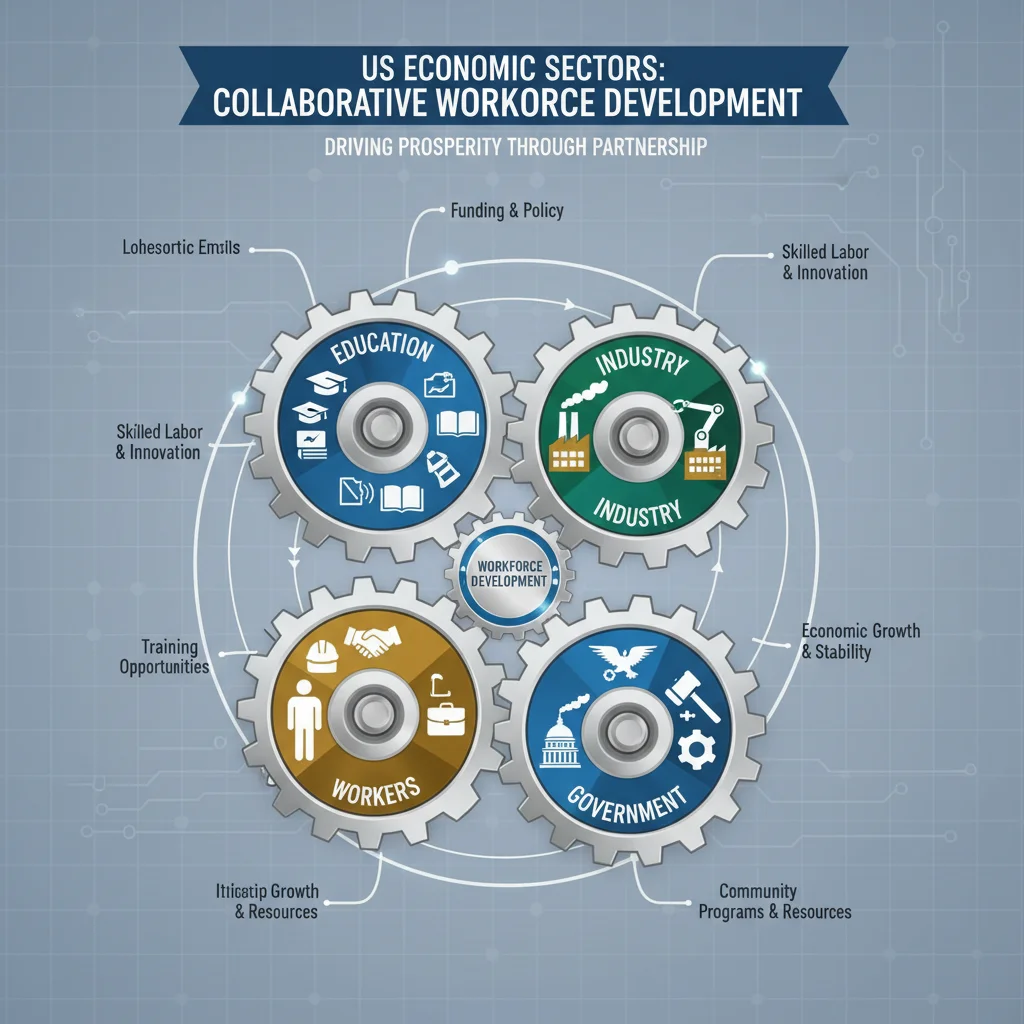
- Strengthen Partnerships: Foster collaboration between employers, educational institutions, community organizations, and government agencies to create a seamless workforce development ecosystem.
- Innovate Program Design: Develop innovative programs that address emerging skills gaps, leverage technology, and provide comprehensive support services.
- Prioritize Equity: Implement strategies to ensure programs are accessible and effective for all job seekers, actively working to reduce disparities.
- Master Data and Reporting: Ensure your organization has the capacity and expertise to collect, analyze, and report data accurately and efficiently, meeting all federal and state requirements by March 2026.
For Job Seekers and Workers:
- Identify In-Demand Skills: Research current labor market trends and identify skills that are highly valued by employers in your desired industry.
- Pursue Continuous Learning: Embrace lifelong learning. Seek out training programs, certifications, and educational opportunities that enhance your skills and adaptability.
- Utilize Workforce Resources: Connect with your local American Job Center or workforce board. They offer free career counseling, training referrals, and job placement assistance.
- Explore Apprenticeships: Investigate apprenticeship opportunities as a pathway to gain valuable skills and experience while earning a wage.
- Develop Digital Literacy: Ensure you have strong digital literacy skills, and consider pursuing training in cybersecurity if it aligns with your career goals.
The Broader Impact: A More Resilient and Equitable Workforce
The cumulative effect of these policy changes, particularly with the March 2026 target in mind, is to foster a US workforce that is more resilient, adaptable, and equitable. By investing in targeted training, promoting skills-based approaches, and ensuring access for all, the nation aims to:
- Boost Economic Competitiveness: A highly skilled workforce is a fundamental driver of innovation, productivity, and global economic leadership.
- Reduce Unemployment and Underemployment: By better matching skills to jobs, these policies aim to reduce long-term unemployment and ensure workers are in roles that fully utilize their capabilities.
- Increase Wage Growth: As workers acquire in-demand skills, their earning potential increases, contributing to broader economic prosperity.
- Promote Social Mobility: By providing equitable access to quality training and employment opportunities, these policies can help individuals from disadvantaged backgrounds achieve economic self-sufficiency and upward mobility.
- Strengthen National Security: A robust cybersecurity workforce and skilled labor in critical infrastructure sectors are vital for national security.
The period leading up to and beyond March 2026 represents a critical juncture for US workforce development. The policies being implemented are designed to address the challenges of today and prepare for the opportunities of tomorrow. It requires a concerted effort from all stakeholders – government, businesses, educators, and individuals – to understand, adapt, and collaborate.
Conclusion: Preparing for the Future of Work by March 2026
The recent policy changes affecting US workforce development are not simply bureaucratic adjustments; they are strategic imperatives designed to future-proof the nation’s economy and its people. From the evolution of WIOA to the expansion of apprenticeships and the focus on green and digital skills, a clear direction is emerging: a skills-first, equitable, and adaptable workforce. The deadline of March 2026 serves as a crucial milestone for many of these initiatives, demanding that all stakeholders are not just aware of the changes, but actively implementing strategies to align with them.
For businesses, this means re-evaluating talent strategies, investing in employee development, and engaging with the public workforce system. For educational institutions, it necessitates agile curriculum development and strong industry partnerships. For workforce development professionals, it requires continuous learning, innovative program design, and a commitment to equity. And for individual workers, it underlines the importance of lifelong learning and proactive skill development.
By understanding these policy shifts and taking proactive steps now, you can ensure that you or your organization are not just compliant, but also poised for growth and success in the dynamic US labor market. The future of work is here, and preparation by March 2026 is key to thriving within it.