
In an ever-evolving global economy, continuous learning and skill development are not just advantageous but essential. The United States government, recognizing this imperative, consistently updates and refines its federal training programs to ensure its workforce remains competitive, innovative, and resilient. As we look towards 2026, significant changes and enhancements are on the horizon, offering unprecedented opportunities for individuals and organizations alike. Understanding these recent updates to US federal training programs is crucial for anyone looking to invest in personal or professional growth. This comprehensive guide will delve into the intricacies of these programs, highlighting two critical growth resources you need to know about for 2026.
The landscape of work is shifting rapidly, driven by technological advancements, demographic changes, and new global challenges. In response, federal initiatives are designed to bridge skill gaps, foster innovation, and support economic mobility. These federal training programs are not merely about acquiring new skills; they are about fostering a culture of lifelong learning, adaptability, and resilience. For 2026, the focus is sharpened on high-demand sectors, digital literacy, and equitable access, ensuring that a broad spectrum of the population can benefit from these vital resources.
The Evolving Landscape of US Federal Training Programs
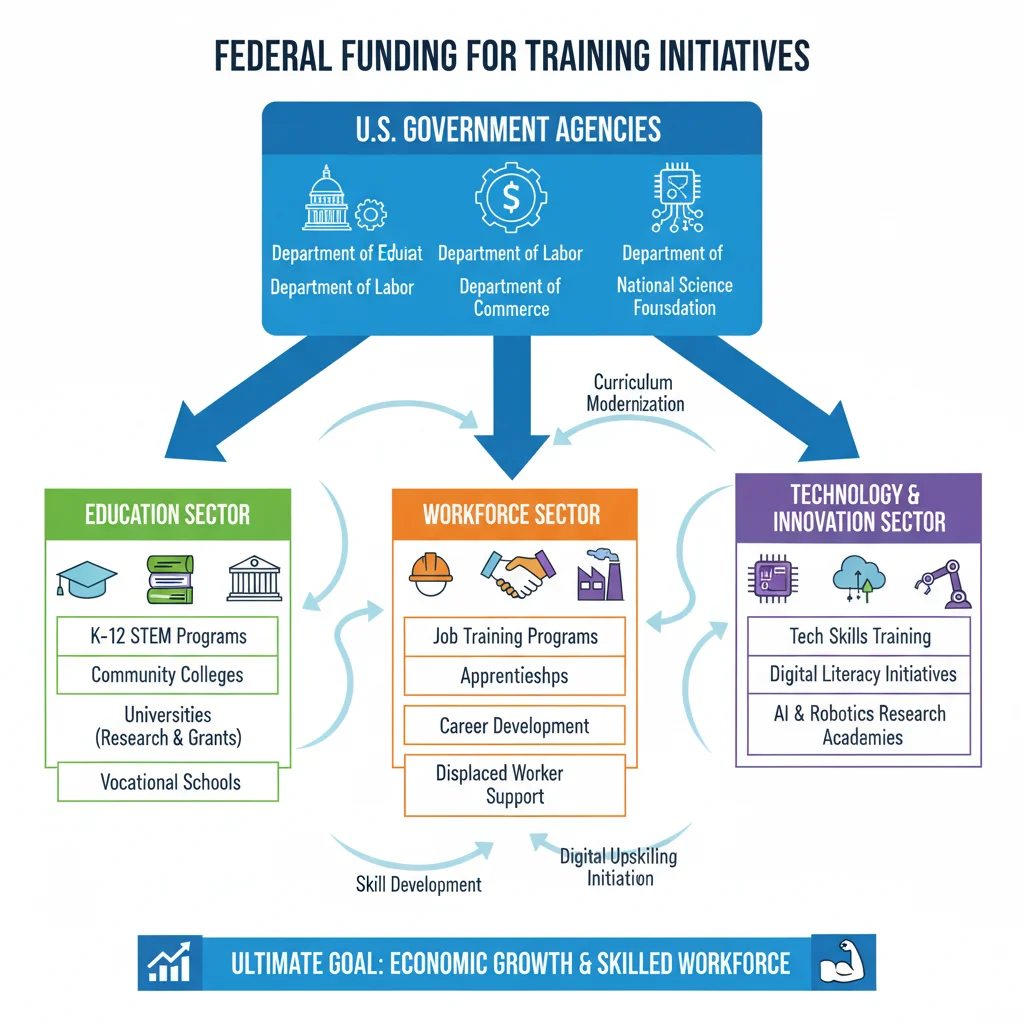
The federal government’s commitment to workforce development is long-standing, but the mechanisms and priorities evolve with the times. Historically, federal training programs have ranged from vocational rehabilitation to unemployment assistance and educational grants. The current trajectory, however, emphasizes proactive skill building, particularly in areas critical for national economic security and global competitiveness. This includes sectors such as advanced manufacturing, information technology, renewable energy, and healthcare. The updates for 2026 reflect a strategic pivot towards anticipating future workforce needs rather than merely reacting to current shortages.
Key drivers behind these updates include the rapid pace of automation, the increasing demand for STEM (Science, Technology, Engineering, and Mathematics) skills, and the imperative to create more inclusive economic opportunities. Policymakers are acutely aware that a well-trained workforce is the bedrock of a prosperous nation. Therefore, the upcoming changes to federal training programs are designed to be more agile, responsive, and impactful, providing pathways to high-wage, high-demand jobs for millions of Americans.
Why These Updates Matter to You
Whether you are an individual seeking to upskill, an employer looking to train your workforce, or an educator developing curricula, these updates have direct implications. For individuals, they represent new avenues for career advancement, increased earning potential, and enhanced job security. For businesses, they offer opportunities to access a skilled talent pool, reduce recruitment costs, and improve productivity. For educational institutions, they provide funding and guidance to align their offerings with industry needs, fostering a symbiotic relationship between academia and the labor market. The strategic allocation of resources through these federal training programs ensures that investments yield tangible benefits across the economic spectrum.
Growth Resource 1: The Workforce Innovation and Opportunity Act (WIOA) Enhancements for 2026
The Workforce Innovation and Opportunity Act (WIOA) stands as the cornerstone of federal workforce development efforts in the United States. Enacted in 2014, WIOA has been instrumental in streamlining and improving various federal employment and training programs. For 2026, WIOA is undergoing significant enhancements aimed at making it even more effective, accessible, and responsive to the demands of the modern economy. These enhancements are designed to fortify the existing framework, address emerging challenges, and expand the reach of these crucial federal training programs.
Key Enhancements to WIOA for 2026
The upcoming WIOA updates focus on several critical areas:
- Increased Funding for Sectoral Partnerships: A major thrust for 2026 is the allocation of increased funding to support sectoral partnerships. These partnerships bring together businesses, educational institutions, labor organizations, and community groups to identify skill needs within specific industries and develop targeted training programs. This ensures that training is directly relevant to employer demands, leading to higher placement rates and better job outcomes. The goal is to create a more demand-driven workforce system, where the skills taught are precisely the skills employers seek.
- Expanded Eligibility and Access: WIOA enhancements will broaden eligibility criteria and improve accessibility, particularly for underserved populations. This includes individuals with disabilities, veterans, youth, and those with limited English proficiency. New initiatives will focus on reducing barriers to participation, such as providing better access to childcare, transportation, and supportive services. The aim is to ensure that no one is left behind in the pursuit of economic opportunity, making federal training programs truly inclusive.
- Emphasis on Digital Skills and Green Jobs: Recognizing the digital transformation and the growing importance of a green economy, the updated WIOA will place a stronger emphasis on training for digital literacy and green jobs. This includes programs focused on cybersecurity, data analytics, artificial intelligence, renewable energy installation, and sustainable manufacturing. These are future-proof skills that will be in high demand for decades to come, positioning participants for long-term career success.
- Improved Performance Metrics and Data Collection: To ensure accountability and effectiveness, WIOA 2026 will introduce more robust performance metrics and data collection systems. This will allow for better tracking of participant outcomes, program effectiveness, and return on investment. The data will inform future policy decisions, ensuring that federal training programs are continuously optimized for maximum impact.
How to Leverage WIOA Enhancements
For individuals, exploring local American Job Centers (AJCs) is the first step. These centers offer a range of services, including career counseling, job search assistance, and access to WIOA-funded training programs. For employers, engaging with AJCs and participating in sectoral partnerships can help address workforce shortages and develop customized training solutions. Educational institutions can seek WIOA funding to develop and deliver relevant curricula, becoming key partners in the national workforce development strategy. Understanding the nuances of these federal training programs can unlock significant advantages.
Growth Resource 2: The National Apprenticeship Act (NAA) Expansion for 2026
Apprenticeships have long been recognized as a highly effective model for workforce development, combining on-the-job training with related technical instruction. The National Apprenticeship Act (NAA), originally established in 1937, provides the legal framework for registered apprenticeships in the U.S. For 2026, the NAA is set to undergo a significant expansion, building on recent legislative efforts to modernize and broaden the reach of apprenticeships. This expansion is designed to make apprenticeships a more prominent and accessible pathway to skilled employment across a wider array of industries, significantly bolstering federal training programs.
Key Expansions to the National Apprenticeship Act for 2026
The upcoming NAA expansion focuses on several strategic areas:
- Diversification of Apprenticeship Industries: Traditionally, apprenticeships have been concentrated in skilled trades such as construction and manufacturing. The 2026 expansion aims to diversify apprenticeship opportunities into high-growth, non-traditional sectors, including IT, healthcare, clean energy, and cybersecurity. This will involve creating new occupational standards and encouraging employers in these sectors to adopt apprenticeship models. The goal is to demonstrate that apprenticeships are a viable and valuable training model for virtually any industry, enhancing the versatility of federal training programs.
- Increased Funding for Pre-Apprenticeship Programs: Recognizing that many individuals may not be immediately ready for a full apprenticeship, the NAA expansion will provide increased funding for pre-apprenticeship programs. These programs offer foundational skills training, academic support, and career counseling to prepare individuals for entry into registered apprenticeships. This is particularly beneficial for disadvantaged populations, helping to create a more equitable pipeline to skilled jobs.
- Support for Youth Apprenticeships: A critical component of the expansion is the emphasis on youth apprenticeships, integrating them more seamlessly with K-12 education and community colleges. This will provide younger individuals with early exposure to career pathways, allowing them to earn while they learn and gain valuable work experience before entering the full-time workforce. This proactive approach aims to build a skilled workforce from the ground up, making federal training programs relevant at every stage of career development.
- Enhanced Employer Incentives: To encourage more businesses to offer apprenticeships, the NAA expansion will include enhanced incentives for employers. These may include tax credits, grants for developing apprenticeship programs, and technical assistance. By reducing the financial burden and providing support, the government aims to make apprenticeships an attractive and sustainable talent development strategy for businesses of all sizes.
The Benefits of Expanded Apprenticeships
For individuals, apprenticeships offer a debt-free path to a high-paying career, combining practical experience with theoretical knowledge. They provide immediate employment, mentorship, and a recognized credential upon completion. For employers, apprenticeships are a proven method for cultivating a highly skilled and loyal workforce, tailored to their specific needs. They can reduce turnover, improve productivity, and create a strong talent pipeline. The expansion of these federal training programs through NAA is a win-win for both workers and businesses, strengthening the overall economy.
Navigating the Application Process for Federal Training Programs
While the benefits of these updated federal training programs are clear, understanding how to access them is paramount. The application process can vary depending on the specific program and your individual circumstances. However, there are general steps and resources that can guide you.
For Individuals:
- Identify Your Goals: Before applying, consider your career aspirations and the skills you need to acquire. Research which federal training programs align with your objectives.
- Visit American Job Centers (AJCs): These centers are a primary gateway to WIOA-funded programs and often have information on apprenticeships. Career counselors at AJCs can provide personalized guidance, assess your eligibility, and help with applications.
- Explore Online Resources: Websites like CareerOneStop (sponsored by the U.S. Department of Labor) and Apprenticeship.gov are excellent resources for finding programs, understanding requirements, and connecting with local opportunities.
- Prepare Necessary Documentation: Be ready to provide proof of eligibility, such as identification, educational history, and potentially income verification.
- Network: Attend local job fairs, workshops, and industry events. Networking can open doors to programs and employers who are actively seeking participants for federal training programs.
For Employers and Organizations:
- Connect with Local Workforce Boards: These boards oversee WIOA implementation at the local level and can provide information on funding opportunities, partnership initiatives, and talent acquisition services.
- Engage with Industry Associations: Many industry associations work closely with federal agencies to develop and promote training programs. They can offer insights into sector-specific opportunities and best practices.
- Utilize Apprenticeship.gov: This platform is a central hub for employers interested in starting or expanding apprenticeship programs. It offers resources, technical assistance, and tools to connect with potential apprentices.
- Explore Grants and Tax Incentives: Research available federal grants and tax credits for employers who invest in workforce training and apprenticeships. These incentives can significantly offset the costs of implementing federal training programs.
- Partner with Educational Institutions: Collaborating with community colleges, technical schools, and universities can help develop customized curricula and create a direct pipeline of skilled talent.
The Broader Impact of Robust Federal Training Programs
The continuous investment in federal training programs extends far beyond individual career advancement or business profitability. It has a profound impact on the nation’s overall economic health and social fabric. A skilled workforce is more productive, innovative, and adaptable, leading to increased economic output and global competitiveness. Furthermore, these programs play a crucial role in reducing income inequality, promoting social mobility, and fostering community development. By providing pathways to meaningful employment, they strengthen families and contribute to safer, more vibrant communities.
The focus on digital skills, green jobs, and equitable access ensures that the benefits of economic growth are shared more broadly. As more individuals gain access to high-quality training and well-paying jobs, the entire economy benefits from increased consumer spending, a stronger tax base, and reduced reliance on social safety nets. The updates to WIOA and the NAA for 2026 are not just policy adjustments; they are strategic investments in the future prosperity and resilience of the United States. These federal training programs are a testament to the nation’s commitment to its people and its economy.
Addressing Future Challenges Through Training
Looking ahead, the challenges facing the U.S. workforce are complex, including the accelerating pace of technological change, the imperative for climate action, and the need to maintain a competitive edge in a globalized world. Robust federal training programs are essential tools for addressing these challenges head-on. By continuously adapting and expanding these programs, the government can ensure that American workers are equipped with the skills needed to thrive in the industries of tomorrow. This proactive approach is vital for national security, economic stability, and social well-being.
Conclusion: Seizing the Opportunities in 2026
The recent updates to US federal training programs for 2026, particularly the enhancements to WIOA and the expansion of the National Apprenticeship Act, represent a significant commitment to workforce development and economic growth. These two growth resources are designed to equip individuals with in-demand skills, provide businesses with skilled talent, and strengthen the overall economy. By understanding these changes and actively engaging with the available resources, individuals can unlock new career opportunities, and organizations can build a resilient and competitive workforce.
The time to act is now. Explore the resources, connect with local American Job Centers, and consider how these federal training programs can be leveraged for your benefit. The future of work is here, and with the right training and support, you can be at the forefront of innovation and success. Embrace these opportunities to upskill, reskill, and propel your career or organization forward in 2026 and beyond. The investment in human capital through these strategic federal training programs is an investment in a brighter, more prosperous future for all.