Boost Digital Literacy: Essential Resources for US Professionals 2026

In an increasingly interconnected and technology-driven world, digital literacy is no longer a niche skill but a fundamental requirement for success across all industries. For US professionals looking to thrive in 2026 and beyond, continuously enhancing your digital capabilities is paramount. This comprehensive guide will delve into the critical importance of digital literacy, identify key areas for development, and, most importantly, provide a curated list of 6 essential digital literacy resources that will empower you to stay competitive and future-proof your career.
The landscape of work is evolving at an unprecedented pace. Automation, artificial intelligence, big data, and cloud computing are reshaping job roles and demanding new proficiencies. Professionals who embrace this change and actively seek to improve their digital literacy will be the ones who lead the charge, innovate, and secure their positions in the workforce of tomorrow. Neglecting this crucial aspect of professional development, however, risks obsolescence.
What is Digital Literacy and Why is it Crucial for US Professionals in 2026?
Digital literacy goes far beyond merely knowing how to use a computer or send an email. It encompasses a broad range of skills and competencies necessary to find, evaluate, create, and communicate information effectively using digital technologies. For US professionals in 2026, this includes:
- Information Literacy: The ability to locate, assess, and use information found online critically. This means discerning credible sources from misinformation, understanding biases, and synthesizing data effectively.
- Communication and Collaboration: Proficiency in using digital tools for effective communication (email, video conferencing, instant messaging) and collaborative work (shared documents, project management software).
- Content Creation: The capacity to create and edit digital content, from presentations and reports to multimedia and basic web content.
- Safety and Ethics: Understanding cybersecurity best practices, data privacy, digital etiquette, and the ethical implications of technology use.
- Problem Solving: Using digital tools and resources to analyze problems, brainstorm solutions, and implement strategies in a digital context.
- Technical Proficiency: While not everyone needs to be a coder, a foundational understanding of how software and hardware work, basic troubleshooting, and the ability to adapt to new technologies are vital.
- Data Literacy: The skill to understand, interpret, and even create data-driven insights, often utilizing various software tools for analysis and visualization.
The stakes are high. A study by the World Economic Forum highlighted that by 2025, 50% of all employees will need reskilling due to the adoption of new technologies. Digital literacy is at the core of this reskilling imperative. Professionals with strong digital literacy resources are more adaptable, more efficient, and more valuable to their organizations. They are better equipped to navigate remote work environments, leverage data for strategic decision-making, and contribute to innovation.
Identifying Your Digital Literacy Gaps
Before diving into specific digital literacy resources, it’s crucial to assess your current skill set. Self-assessment tools, professional development reviews, and even feedback from colleagues can help identify areas where you might be lacking. Consider questions like:
- Are you comfortable using advanced features in your core productivity software (e.g., Excel, PowerPoint, Google Workspace)?
- Do you understand the basics of cybersecurity and how to protect sensitive information?
- Can you effectively collaborate on digital platforms with colleagues across different time zones?
- Are you able to critically evaluate the credibility of online information?
- Do you have a basic understanding of data analysis concepts and tools relevant to your field?
- Are you familiar with emerging technologies like AI, blockchain, or cloud computing and their potential impact on your industry?
Once you have a clearer picture of your strengths and weaknesses, you can strategically select the most appropriate digital literacy resources to target your development needs.
6 Essential Digital Literacy Resources for US Professionals in 2026
1. Online Learning Platforms: Coursera, edX, and LinkedIn Learning
These platforms have revolutionized access to high-quality education, offering courses from top universities and industry experts. They are invaluable digital literacy resources for structured learning and credentialing.
- Coursera: Offers courses, Specializations, and Professional Certificates in a vast array of digital skills, from data science and AI to digital marketing and cybersecurity. Many courses are project-based, allowing for practical application of knowledge.
- edX: Similar to Coursera, edX provides university-level courses across various disciplines, including computer science, business analytics, and IT. It often features MicroBachelors and MicroMasters programs for more in-depth learning.
- LinkedIn Learning: With a focus on business, creative, and technology skills, LinkedIn Learning offers thousands of video courses taught by industry professionals. Its integration with LinkedIn profiles makes it easy to showcase acquired skills to potential employers.
Why they are essential: These platforms provide structured learning paths, often with certifications that can be added to your resume. They cover a wide spectrum of digital skills, from foundational concepts to advanced specializations, making them ideal for both beginners and experienced professionals looking to upskill.
2. Tech Giants’ Free Learning Initiatives: Google Digital Garage & Microsoft Learn
Many leading technology companies offer free or low-cost educational programs designed to upskill individuals in critical digital areas. These are excellent digital literacy resources that provide industry-recognized training.
- Google Digital Garage: Offers a range of free courses covering digital marketing, data and tech, and career development. Their ‘Fundamentals of Digital Marketing’ certification is particularly popular for professionals looking to enhance their online presence and marketing skills.
- Microsoft Learn: Provides free, interactive, hands-on training to help individuals develop technical skills with Microsoft technologies and broader cloud, AI, and developer concepts. It includes learning paths for various roles and certifications.
Why they are essential: Learning directly from the companies that build these technologies ensures that your skills are current and directly applicable to industry standards. These programs often come with badges or certifications that are highly valued in the job market.
3. Cybersecurity Awareness Training & Resources: SANS Institute & NIST
In an age of increasing cyber threats, understanding cybersecurity is a non-negotiable aspect of digital literacy. These digital literacy resources focus specifically on protecting digital assets.
- SANS Institute: While SANS offers extensive paid certifications, they also provide numerous free resources, including webcasts, whitepapers, and a reading room with valuable cybersecurity information for professionals at all levels.
- National Institute of Standards and Technology (NIST): NIST provides comprehensive frameworks and guidelines for cybersecurity, data privacy, and risk management. Their publications are excellent for understanding best practices and organizational security policies.
- Online Security Blogs and News Sites: Regularly following reputable cybersecurity news outlets (e.g., KrebsOnSecurity, The Hacker News) helps professionals stay informed about the latest threats and vulnerabilities.
Why they are essential: Every professional handles digital information, and understanding how to protect it is crucial. These resources equip you with the knowledge to identify phishing attempts, secure your devices, protect sensitive data, and contribute to a more secure digital environment at work and home.

4. Data Literacy and Analytics Tools: DataCamp & Tableau Public
The ability to understand, interpret, and communicate with data is a highly sought-after skill. These digital literacy resources focus on building data proficiency.
- DataCamp: Offers interactive coding courses in Python, R, and SQL, specifically tailored for data science and analytics. It provides hands-on exercises and projects that help professionals build practical data skills.
- Tableau Public: A free platform for exploring, creating, and publicly sharing data visualizations. Learning Tableau (or similar tools like Power BI) allows professionals to transform raw data into actionable insights and compelling visual stories.
- Kaggle: While more advanced, Kaggle offers datasets, code, and competitions for data scientists. It’s an excellent resource for practicing data analysis skills and learning from a global community.
Why they are essential: Data drives modern business decisions. Professionals who can analyze data, identify trends, and present insights effectively are invaluable. These platforms provide the tools and training to develop these critical analytical skills, making you a more data-driven decision-maker.
5. Digital Collaboration Tools & Best Practices: Asana, Slack, Miro & Microsoft Teams
Effective digital collaboration is key to productivity in remote and hybrid work environments. Understanding and mastering these digital literacy resources for teamwork is crucial.
- Asana/Trello: Project management tools that help teams track tasks, manage workflows, and collaborate on projects efficiently. Familiarity with such tools is essential for modern team dynamics.
- Slack/Microsoft Teams: Communication platforms that integrate chat, video conferencing, and file sharing, streamlining team communication and reducing email overload.
- Miro/Mural: Online whiteboarding tools that facilitate virtual brainstorming, mind mapping, and collaborative design sessions, replicating the in-person whiteboard experience digitally.
- Google Workspace / Microsoft 365: Beyond basic use, mastering advanced features in shared documents, spreadsheets, and presentations for real-time collaboration is vital.
Why they are essential: The modern workplace is increasingly collaborative and often distributed. Proficiency in these tools ensures seamless communication, efficient project execution, and productive teamwork, regardless of geographical location. They are fundamental digital literacy resources for today’s professional.
6. AI and Emerging Technologies Literacy: AI for Everyone (Coursera) & Tech News Outlets
Staying abreast of emerging technologies, especially artificial intelligence, is vital for long-term career relevance. These digital literacy resources help demystify complex tech trends.
- ‘AI for Everyone’ by Andrew Ng (Coursera): This popular course provides a non-technical introduction to AI, explaining what it is, what it can do, and how it impacts business and society. It’s ideal for professionals who need to understand AI’s strategic implications without diving into complex algorithms.
- MIT Technology Review / Wired / The Verge: Reputable technology news publications and websites that offer insights into the latest advancements in AI, machine learning, blockchain, IoT, and other emerging fields. Regularly reading these sources keeps you informed about the technological frontier.
- Podcasts and Webinars: Many industry leaders and tech experts host podcasts and webinars discussing emerging technologies and their applications. Subscribing to relevant ones can provide continuous learning.
Why they are essential: AI and other emerging technologies are transforming industries. Even if you’re not a developer, understanding their capabilities, limitations, and ethical considerations is crucial for strategic planning, innovation, and anticipating future job market demands. These digital literacy resources provide the foundational knowledge to navigate this rapidly changing landscape.
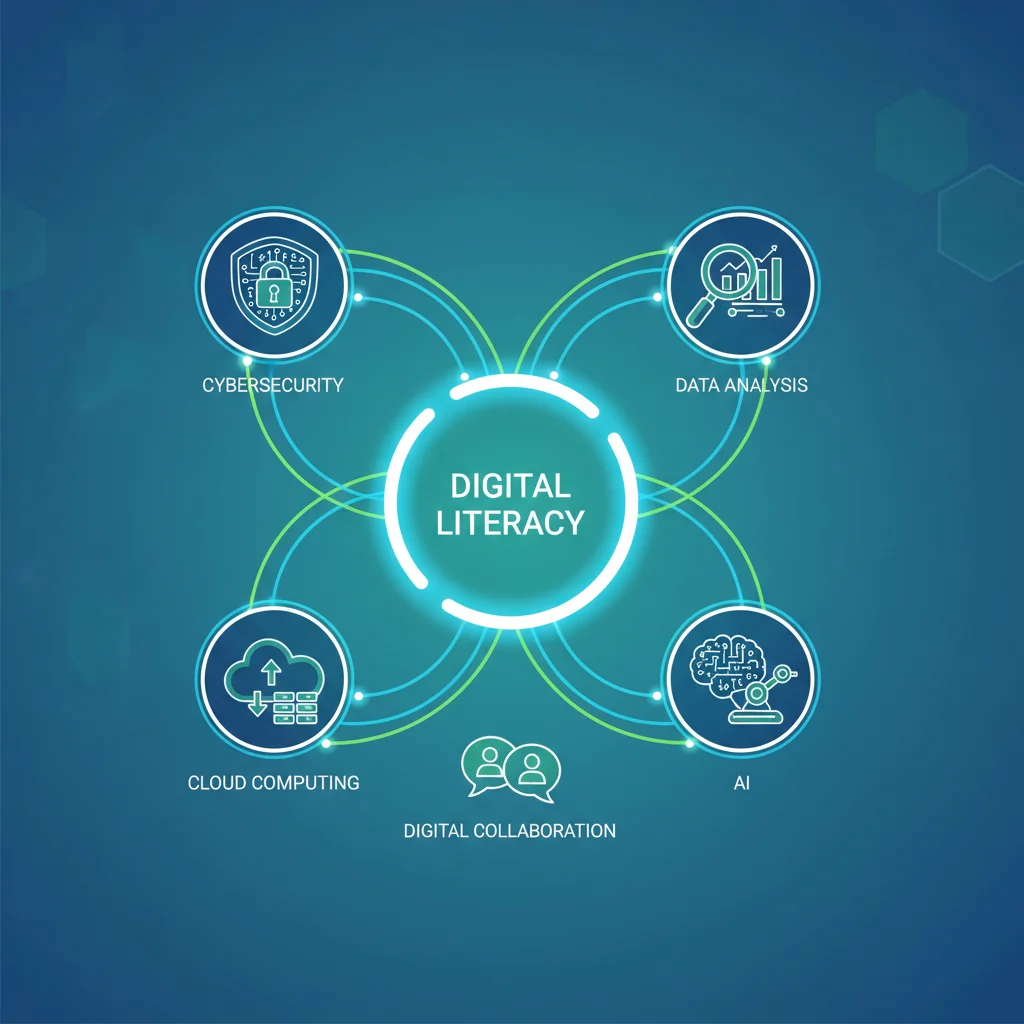
Strategies for Continuous Digital Literacy Development
Simply knowing about these digital literacy resources isn’t enough; consistent engagement is key. Here are some strategies:
- Dedicate Regular Time: Schedule specific time slots each week for digital learning, just as you would for any other professional development activity.
- Apply What You Learn: The best way to solidify new skills is to apply them. Look for opportunities to use new software features, analyze data, or implement security best practices in your daily work.
- Join Online Communities: Participate in forums, LinkedIn groups, or Reddit communities related to your areas of interest. This allows for peer learning, asking questions, and staying updated on trends.
- Set SMART Goals: Define Specific, Measurable, Achievable, Relevant, and Time-bound goals for your digital literacy development. For example, ‘Complete a basic data analysis course on DataCamp by Q3 2026.’
- Seek Mentorship: Connect with colleagues or industry peers who excel in digital skills you want to develop. They can offer guidance and insights.
- Stay Curious: The digital world is constantly evolving. Cultivate a mindset of continuous learning and curiosity about new technologies and tools.
Embracing these strategies will ensure that your journey with digital literacy resources is not a one-time event but an ongoing process of growth and adaptation.
The Future-Proof Professional: Leveraging Digital Literacy
The US job market in 2026 will heavily favor professionals who are not just competent in their core domain but also digitally savvy. Companies are increasingly seeking individuals who can navigate complex digital ecosystems, leverage data for insights, secure digital assets, and collaborate effectively across virtual teams. By actively engaging with the digital literacy resources outlined above, you are not just acquiring new skills; you are investing in your career resilience and future success.
Furthermore, strong digital literacy can open doors to new career opportunities, facilitate career transitions, and even foster entrepreneurship. It empowers professionals to be more innovative, solve problems more efficiently, and contribute more meaningfully to their organizations’ digital transformation initiatives.
Conclusion: Your Path to Digital Mastery in 2026
The imperative to boost your digital literacy has never been stronger. For US professionals, 2026 represents a pivotal year where digital competence will further define career trajectories. By strategically utilizing the 6 essential digital literacy resources – from online learning platforms and tech giants’ free initiatives to specialized cybersecurity, data, collaboration, and AI literacy tools – you can systematically enhance your skills and remain at the forefront of your industry.
Remember, digital literacy is not a destination but a continuous journey. Embrace the learning process, apply your new knowledge, and stay curious about the ever-evolving digital landscape. Your commitment to improving your digital skills today will undoubtedly unlock significant opportunities and ensure your professional success for years to come. Start exploring these invaluable digital literacy resources today and shape your future with confidence.