Affordable Skill Development US 2026: Maximizing Your Learning Budget

Maximizing Your Learning Budget: 10 Practical Solutions for Affordable Skill Development in the US for 2026
In today’s rapidly evolving job market, continuous learning and skill development are no longer optional—they are essential. Whether you’re looking to advance in your current career, pivot to a new industry, or simply stay competitive, acquiring new skills is paramount. However, the cost of education and training can often be a significant barrier for many. The good news is that by 2026, there will be even more accessible and affordable pathways to achieve your learning goals in the United States. This comprehensive guide will explore ten practical solutions for affordable skill development, helping you maximize your learning budget without compromising on quality.
The landscape of education is shifting, with a growing emphasis on practical, job-relevant skills over traditional, lengthy degree programs. This shift is creating numerous opportunities for individuals to gain valuable competencies at a fraction of the cost. Our focus here is on identifying these opportunities and providing actionable advice on how to leverage them effectively. From free online resources to subsidized programs and innovative learning models, there’s a wealth of options available for those committed to enhancing their skill set.
Understanding your learning objectives and financial constraints is the first step. Are you aiming for a certification, a new programming language, or soft skills like leadership and communication? Once you have a clear vision, you can strategically navigate the myriad of choices to find the best fit for your needs and budget. Let’s dive into the practical solutions for achieving affordable skill development in the US by 2026.
1. Leverage Free Online Learning Platforms and MOOCs
The internet has democratized education, making a vast array of knowledge available at no cost. Massive Open Online Courses (MOOCs) have revolutionized how people access higher education and professional training. Platforms like Coursera, edX, and FutureLearn offer courses from top universities and institutions, often with audit options that allow you to access course materials for free. While a certificate might require payment, the core learning content is frequently available without charge. This is an excellent starting point for anyone seeking affordable skill development.
Beyond MOOCs, platforms like Khan Academy provide free, world-class education in subjects ranging from mathematics and science to computer programming and economics. YouTube is another treasure trove of educational content, with countless channels dedicated to teaching specific skills. From coding tutorials to graphic design lessons, you can find expert-led instruction on almost any topic. The key is to be disciplined and self-motivated, as these platforms require proactive engagement.
For those interested in coding and tech skills, freeCodeCamp, The Odin Project, and Codecademy (with free introductory courses) offer structured curricula that can take you from beginner to job-ready. These resources are invaluable for building foundational knowledge and even creating portfolios to showcase your abilities. Remember, the goal of affordable skill development is not just about saving money, but about smart, effective learning.
2. Explore Public Libraries and Community Centers
Often overlooked, public libraries and community centers are fantastic local resources for affordable skill development. Many libraries offer free access to online learning platforms like LinkedIn Learning (formerly Lynda.com), which provides thousands of video courses taught by industry experts in areas like business, technology, and creative skills. All you need is a library card.
Beyond online resources, community centers frequently host workshops, classes, and training programs at low or no cost. These can range from computer literacy and English as a Second Language (ESL) classes to vocational training and arts and crafts. They also provide opportunities for networking and hands-on learning in a supportive environment. Check your local library and community center websites for their schedules and offerings. These institutions are pillars of affordable skill development within local communities.
3. Utilize Employer-Sponsored Training and Development Programs
Many forward-thinking companies understand the importance of upskilling their workforce and invest heavily in employee training and development. If you’re currently employed, inquire about your company’s policies on professional development. Many offer tuition reimbursement, access to corporate learning platforms, or internal training programs. This is arguably one of the most direct routes to affordable skill development, as your employer covers the cost.
Even if your company doesn’t have a formal program, you might be able to make a case for a specific course or certification that directly benefits your role and the company’s objectives. Prepare a proposal outlining the benefits and ROI. Demonstrating initiative and a commitment to growth can often open doors to funded learning opportunities. Don’t leave this stone unturned when considering your options for affordable skill development.
4. Seek Out Government-Funded Training Initiatives
The US government, at both federal and state levels, offers various programs designed to help individuals acquire new skills, especially those in high-demand industries or those facing unemployment. Programs like the Workforce Innovation and Opportunity Act (WIOA) provide funding for job training, education, and career services. These initiatives aim to connect job seekers with the skills needed by local employers.
Eligibility requirements vary, but often include factors like income level, employment status, or specific demographics. Research state-specific workforce development agencies and local American Job Centers to understand what programs are available in your area. These government-backed programs are a significant pathway to truly affordable skill development, sometimes even offering stipends for participation.
5. Participate in Apprenticeships and Internships
Apprenticeships and internships offer invaluable hands-on experience and often include formal training components, sometimes even leading to certifications or degrees. While internships can sometimes be unpaid, many now offer compensation, and apprenticeships are typically paid positions where you learn a trade or skill while working. This is a highly effective form of affordable skill development because you’re earning while you’re learning.
Apprenticeships are particularly strong in skilled trades like construction, manufacturing, and healthcare, but are expanding into tech fields as well. Internships are common in a wider range of industries and can provide crucial practical experience and networking opportunities. Look for both national apprenticeship programs and local company offerings. This practical approach to affordable skill development not only builds skills but also critical work experience.
6. Explore Micro-credentials and Bootcamps
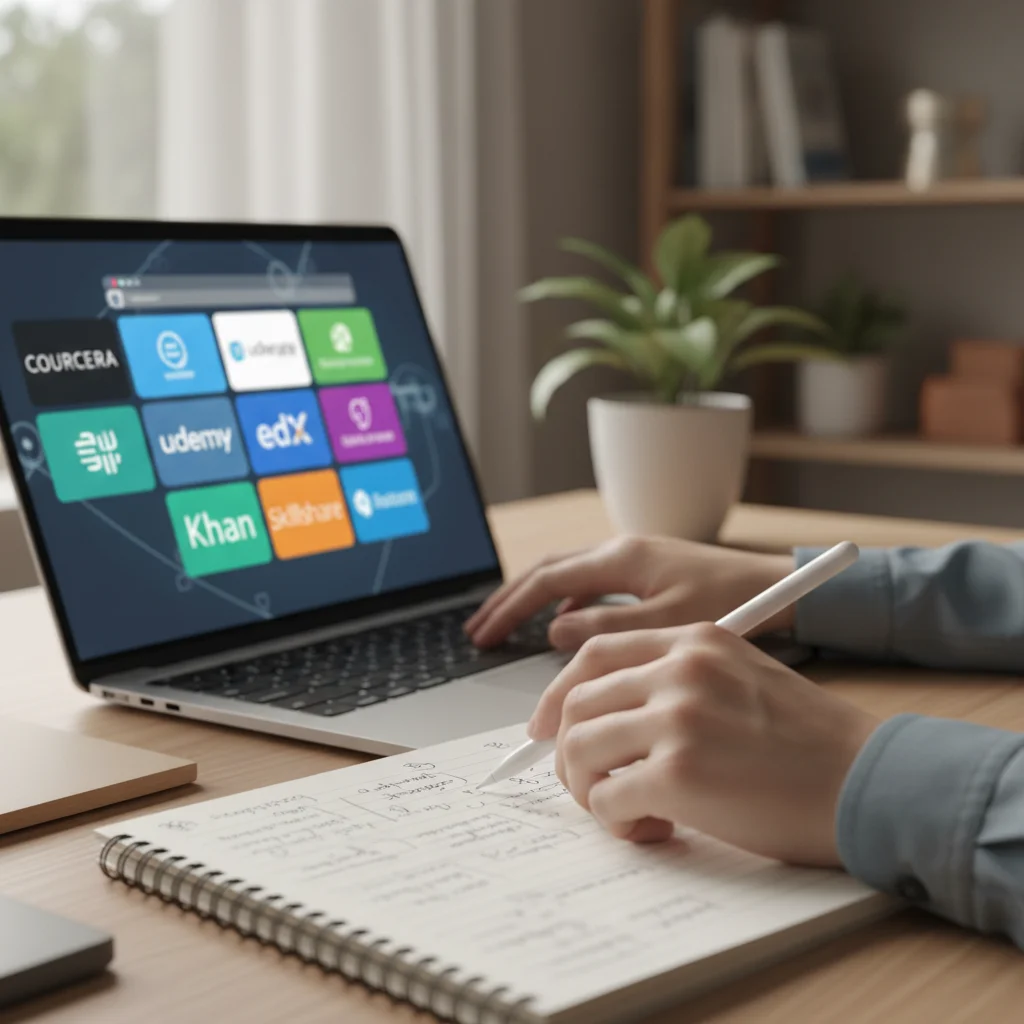
Micro-credentials, such as digital badges and specialized certifications, are gaining traction as a way to demonstrate specific skills without committing to a full degree. They are typically shorter, more focused, and significantly less expensive than traditional academic programs. Many universities and private providers offer these credentials in areas like data analytics, project management, and cybersecurity. They are an excellent option for targeted, affordable skill development.
Coding bootcamps, while sometimes a significant investment, often offer deferred payment options, income-share agreements (ISAs), or scholarships, making them more accessible. These intensive programs are designed to get you job-ready in a specific tech role in a matter of months. Research reputable bootcamps and their financial aid options carefully. For many, the return on investment for bootcamps makes them a highly attractive form of affordable skill development, especially given the high earning potential in tech.
7. Join Professional Associations and Industry Groups
Professional associations often provide members with access to exclusive learning resources, webinars, conferences, and certification programs, sometimes at a reduced cost or even free as part of membership dues. These organizations are dedicated to advancing their respective fields and supporting the professional growth of their members. Annual membership fees are typically far less than the cost of individual courses or certifications, making this a cost-effective strategy for affordable skill development.
Beyond formal training, these groups offer invaluable networking opportunities, mentorship programs, and insights into industry trends. Being part of a professional community can expose you to new ideas and potential collaborators, further enhancing your learning journey. This is a strategic way to achieve affordable skill development while building your professional network.
8. Utilize Open Educational Resources (OER)
Open Educational Resources (OER) are freely accessible, openly licensed instructional materials that can be used for teaching, learning, and research. This includes textbooks, course modules, videos, and assessments. Many universities and educational consortia contribute to OER initiatives, making high-quality content available to everyone. This is a truly free and affordable skill development pathway.
Websites like OER Commons and MIT OpenCourseWare are excellent starting points for finding OER. While OER typically don’t come with formal accreditation, they provide the knowledge base needed to develop a skill. You can then use this knowledge to prepare for certifications or demonstrate your abilities through projects. Combining OER with practical application is a powerful method for affordable skill development.
9. Seek Mentorship and Peer-to-Peer Learning
Learning doesn’t always have to come in a formal package. Finding a mentor in your desired field can provide personalized guidance, insights, and opportunities that are invaluable. Mentorship can be informal or structured through programs offered by professional associations or community organizations. The cost is often minimal or non-existent, making it an incredibly affordable skill development strategy.
Peer-to-peer learning, through study groups, online forums, or local meetups, is another powerful and cost-effective approach. Collaborating with others who are also learning a skill allows you to share knowledge, troubleshoot problems, and stay motivated. Platforms like Meetup.com often list local groups focused on various skills, from coding to photography. These social learning environments foster affordable skill development through shared experiences.
10. Explore Educational Tax Credits and Deductions
While not a direct reduction in the cost of a course, educational tax credits and deductions can significantly lower your overall financial burden related to learning. The American Opportunity Tax Credit and the Lifetime Learning Credit are two prominent federal tax credits that can help offset the cost of tuition and related expenses for eligible students. These are crucial for making higher education and certified courses more affordable.
Furthermore, if your education or training is directly related to improving your job skills or meeting the requirements of your employer, you might be able to deduct certain educational expenses as business expenses. Consult with a tax professional to understand your eligibility for these benefits. Leveraging tax breaks is a smart, albeit indirect, way to achieve more affordable skill development.
Strategic Planning for Affordable Skill Development
The journey to affordable skill development in the US for 2026 requires more than just knowing where to look; it demands strategic planning. Begin by conducting a thorough self-assessment of your current skills and identifying the gaps that need filling. Research job market trends to pinpoint in-demand skills relevant to your career aspirations. This targeted approach ensures that your learning efforts are well-spent and yield the highest return on investment.
Consider creating a personalized learning roadmap. This roadmap should outline your learning objectives, preferred learning methods, potential resources (drawing from the ten solutions discussed), and a realistic timeline. Breaking down your learning journey into smaller, manageable steps can prevent overwhelm and maintain motivation. For instance, you might start with free online courses to build foundational knowledge, then move to a low-cost micro-credential, and finally seek out a paid apprenticeship if your budget allows. This phased approach is key to sustained affordable skill development.
Networking is another critical component. As you engage in various learning opportunities, actively connect with peers, instructors, and industry professionals. These connections can lead to mentorship opportunities, job referrals, and even collaborative projects that further enhance your skill set. Remember, learning is often a collaborative process, and building a supportive network can accelerate your progress towards affordable skill development.
Furthermore, don’t underestimate the power of consistency. Even dedicating a small amount of time each day or week to learning can lead to significant progress over time. The cumulative effect of continuous, incremental learning far outweighs sporadic, intense bursts. Make learning a regular part of your routine, and you’ll find that affordable skill development becomes a sustainable practice.
Overcoming Challenges in Affordable Skill Development
While the pathways to affordable skill development are abundant, challenges can still arise. Time constraints are a common hurdle, especially for those juggling work, family, and other commitments. To combat this, prioritize your learning time and integrate it into your daily schedule. Even 15-30 minutes of focused learning can make a difference. Utilize commutes, lunch breaks, or early mornings/late evenings to fit in your study sessions.
Motivation can also wane, particularly with self-paced learning. To stay motivated, set clear, achievable goals and celebrate small victories. Share your progress with a friend or mentor, or join a learning community to hold yourself accountable. The social aspect of learning can be a powerful motivator. Remember that affordable skill development is a marathon, not a sprint.
Information overload is another potential pitfall. With so many resources available, it’s easy to feel overwhelmed. Focus on one or two key skills at a time and select resources that align with your learning style and objectives. Don’t try to learn everything at once. A focused approach will lead to more effective and affordable skill development.
Finally, the quality of free or low-cost resources can vary. Always vet your sources. Look for content from reputable institutions, industry experts, or well-established platforms. Read reviews, check instructor credentials, and ensure the content is up-to-date and relevant. While the goal is affordable skill development, quality should never be entirely sacrificed.
The Future of Affordable Skill Development in the US
Looking ahead to 2026 and beyond, the trend towards affordable and accessible skill development is only expected to accelerate. Technology will continue to play a pivotal role, with AI-powered personalized learning paths, virtual reality (VR) training simulations, and more sophisticated online platforms becoming commonplace. These innovations will further reduce barriers to entry and make high-quality education available to an even wider audience.
The demand for specialized skills in fields like AI, data science, cybersecurity, and green technologies will continue to grow, prompting more institutions and employers to offer flexible, affordable training options. Policymakers are also likely to increase investment in workforce development programs to ensure the US remains competitive in the global economy. This creates a fertile ground for individuals seeking affordable skill development.
The emphasis will remain on lifelong learning, adapting to new technologies, and developing both hard and soft skills that are transferable across industries. By embracing the solutions outlined in this article, you can position yourself to thrive in this dynamic environment, continuously enhancing your capabilities without incurring exorbitant costs. Affordable skill development is not just a trend; it’s the future of career growth.
Conclusion: Empowering Your Learning Journey
Acquiring new skills is a continuous journey, vital for personal and professional growth. The notion that quality education must be expensive is increasingly outdated. With the advent of numerous online platforms, government initiatives, community resources, and creative learning strategies, affordable skill development is more attainable than ever in the United States for 2026.
By strategically utilizing free online courses, public library resources, employer-sponsored programs, government funding, apprenticeships, micro-credentials, professional associations, OER, mentorship, and tax benefits, you can significantly reduce the financial burden of learning. The key lies in proactive research, disciplined execution, and a commitment to continuous improvement.
Empower yourself by taking control of your learning journey. Invest your time and effort wisely into these practical solutions for affordable skill development, and you’ll not only enhance your career prospects but also cultivate a mindset of lifelong learning that will serve you well in any future endeavor. The tools are available; it’s up to you to seize the opportunities and build the future you envision.