Consumer Spending Habits 2026: 4 Data-Driven Shifts for US Businesses
The landscape of commerce is in a perpetual state of flux, driven by technological advancements, evolving societal values, and unprecedented global events. As businesses look towards the horizon, understanding the trajectory of consumer spending 2026 becomes paramount for strategic planning and sustained growth. The United States, a bellwether for global economic trends, is particularly susceptible to these shifts, requiring businesses to be agile, insightful, and data-driven in their approach. This comprehensive analysis delves into four significant data-driven shifts that are poised to redefine consumer spending habits by 2026, offering crucial insights for US businesses navigating this dynamic environment.
For decades, consumer behavior has been studied through various lenses, but the current era demands a more granular, predictive analysis. The sheer volume of data available today, from purchasing patterns to social media sentiment, provides an unparalleled opportunity to anticipate and respond to consumer needs. Businesses that harness this data effectively will not only survive but thrive in the competitive market of 2026. Conversely, those that fail to adapt risk becoming obsolete.
This article will explore how digital acceleration, the imperative of sustainability, the craving for hyper-personalization, and the rise of the experience economy are not merely trends but foundational shifts in how consumers allocate their resources. Each section will provide actionable insights, supported by the underlying data, to help US businesses prepare for and capitalize on these transformations in consumer spending 2026.
The Digital Dominance: E-commerce Evolution and Omnichannel Integration
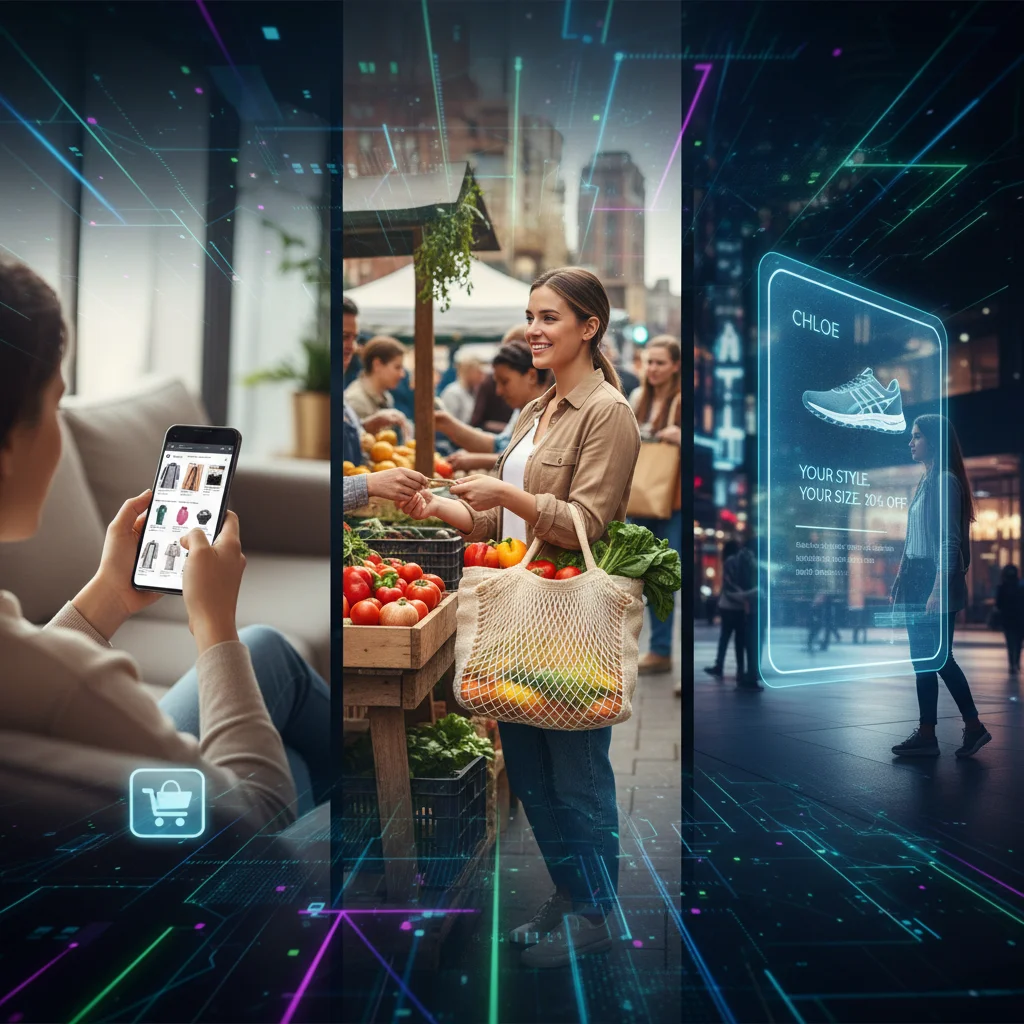
The COVID-19 pandemic acted as an unprecedented accelerator for digital adoption, fundamentally altering how consumers shop and interact with brands. While the initial surge in e-commerce was a reaction to lockdowns, the habits formed during this period have largely solidified, indicating a sustained shift towards digital-first consumption. By 2026, digital dominance will not merely imply online shopping; it will signify a seamless, integrated omnichannel experience that blurs the lines between physical and virtual retail.
Data consistently shows a year-over-year increase in e-commerce penetration. Projections indicate that global e-commerce sales will continue their upward trajectory, with the US market playing a significant role. Consumers are increasingly comfortable making purchases across a wide array of categories online, from groceries to luxury goods. This comfort extends beyond simple transactions to include digital research, customer service interactions, and post-purchase engagement. For businesses, this means that a robust online presence is no longer optional but a fundamental requirement for reaching and retaining customers.
However, digital dominance is not solely about e-commerce. It encompasses the integration of digital tools and data into every facet of the consumer journey. This includes in-store technologies like self-checkout, augmented reality (AR) try-on experiences, and interactive displays that provide product information and personalized recommendations. The goal is to create a cohesive and convenient experience, regardless of the touchpoint. Consumers expect to be able to browse online, check inventory in-store, purchase online for in-store pickup, or return items bought digitally at a physical location. This fluid movement between channels is central to understanding consumer spending 2026.
Key Data Points and Implications:
- Mobile Commerce Growth: Mobile devices are the primary gateway to the internet for many consumers, and mobile commerce (m-commerce) is projected to account for an even larger share of online sales. Businesses must optimize their websites and apps for mobile-first experiences, ensuring fast loading times, intuitive navigation, and secure payment options.
- Social Commerce Ascent: Social media platforms are evolving beyond discovery and engagement to become direct sales channels. Features like in-app shopping, shoppable posts, and live commerce events are gaining traction. Brands need to strategically integrate social commerce into their marketing and sales funnels to capture impulse buys and foster community-driven purchasing.
- Data-Driven Personalization: The digital realm provides an abundance of data on consumer preferences, browsing history, and purchase behavior. Leveraging this data to offer personalized product recommendations, targeted promotions, and customized content will be crucial for standing out in a crowded market.
- Logistics and Fulfillment Innovation: The expectation of fast, free, and flexible delivery options continues to rise. Businesses must invest in sophisticated logistics networks, explore innovative fulfillment models like drone delivery or autonomous vehicles (where feasible), and offer transparent tracking to meet consumer demands.
US businesses must therefore prioritize investments in digital infrastructure, data analytics capabilities, and seamless omnichannel strategies. The goal is not just to be present online, but to create a truly integrated and convenient experience that reflects how consumers want to shop in 2026 and beyond. This profound shift in consumer spending 2026 patterns necessitates a re-evaluation of traditional retail models and a strong embrace of digital transformation.
The Green Imperative: Sustainable and Ethical Consumption
Beyond convenience and price, a powerful new driver of consumer spending 2026 is the growing emphasis on sustainability and ethical practices. Consumers, particularly younger generations, are increasingly aware of the environmental and social impact of their purchases. This awareness is translating into a demand for products and services that align with their values, forcing businesses to re-evaluate their entire supply chain and operational footprint.
Data from various surveys consistently highlights a significant portion of consumers willing to pay a premium for sustainable products. This isn’t just a niche market; it’s a mainstream movement. Brands that demonstrate genuine commitment to environmental protection, fair labor practices, and transparent sourcing are gaining a competitive edge. Conversely, those perceived as environmentally irresponsible or ethically questionable face reputational damage and a potential loss of market share.
The green imperative extends beyond simply offering ‘eco-friendly’ products. It encompasses the entire lifecycle of a product, from raw material extraction to disposal. Consumers are scrutinizing packaging, manufacturing processes, carbon footprints, and corporate social responsibility initiatives. They seek authenticity and transparency, often using digital tools and independent certifications to verify claims. This shift signifies a move from purely transactional relationships to value-driven partnerships between consumers and brands.
Key Data Points and Implications:
- Demand for Transparency: Consumers want to know where their products come from, how they are made, and what their environmental impact is. Businesses must implement robust tracking and reporting mechanisms and communicate this information clearly and accessibly.
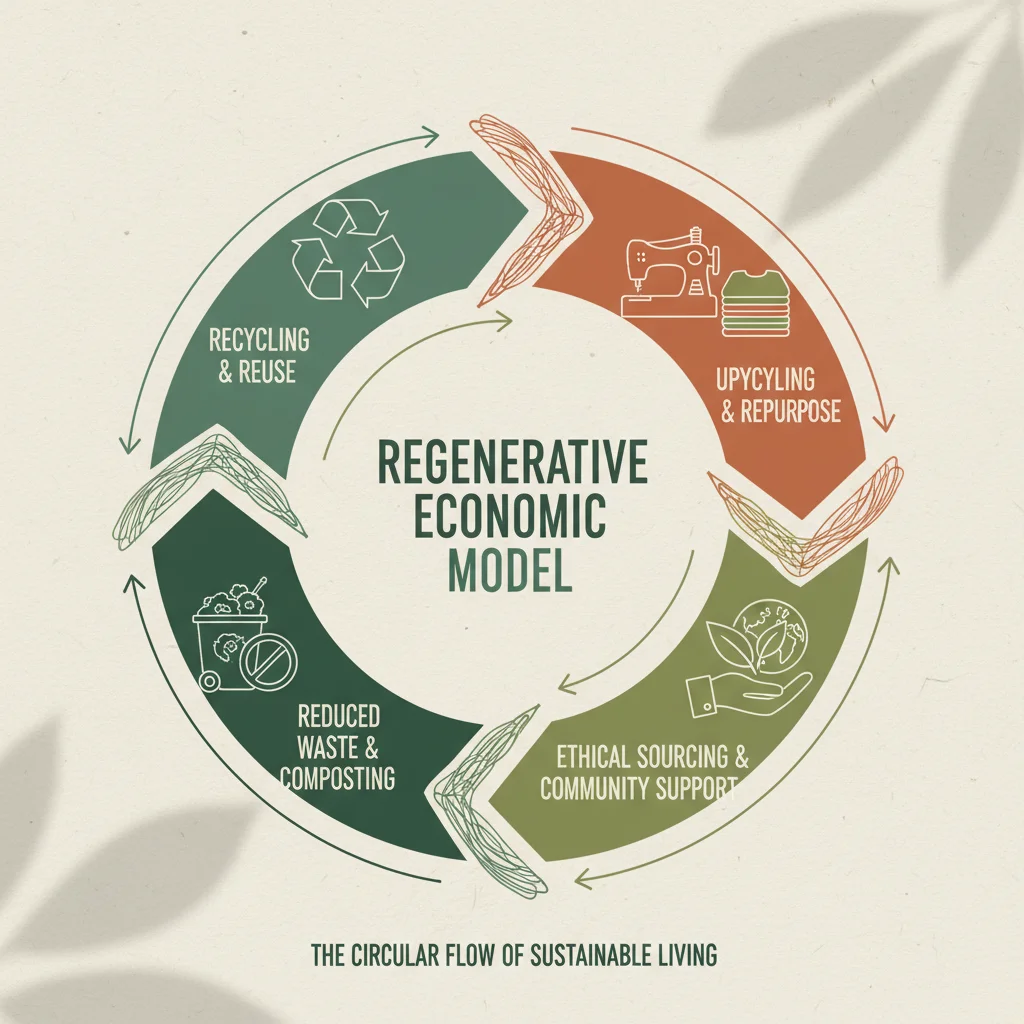
- Circular Economy Adoption: The linear ‘take-make-dispose’ model is being challenged by the circular economy, which emphasizes reducing waste, reusing materials, and recycling. Businesses should explore product-as-a-service models, repair programs, and take-back initiatives to appeal to environmentally conscious consumers.
- Ethical Sourcing and Labor: Beyond environmental concerns, consumers are increasingly focused on the ethical treatment of workers throughout the supply chain. Brands must ensure fair wages, safe working conditions, and responsible sourcing of materials, often requiring third-party audits and certifications.
- Reduced Consumption and Durability: There’s a growing movement towards conscious consumption, where consumers prioritize quality and durability over fast fashion or disposable goods. Businesses can capitalize on this by offering long-lasting products, repair services, and warranties that instill confidence.
For US businesses, integrating sustainability and ethical considerations into their core strategy is no longer a luxury but a necessity for future growth. This involves not just marketing green credentials but fundamentally transforming operations to meet the evolving expectations of consumer spending 2026. Brands that authentically embrace the green imperative will build stronger customer loyalty and differentiate themselves in a crowded market.
The Pursuit of Hyper-Personalization: Tailored Experiences and Products
In an age of overwhelming choice and information overload, consumers are increasingly seeking experiences and products that are uniquely tailored to their individual needs and preferences. This pursuit of hyper-personalization is a significant driver of consumer spending 2026, moving beyond basic segmentation to truly individualized interactions. Thanks to advancements in artificial intelligence (AI), machine learning (ML), and big data analytics, businesses now have the tools to deliver this level of customization at scale.
The data supports this trend unequivocally. Consumers expect brands to understand them, remember their past interactions, and anticipate their future needs. Generic marketing messages and one-size-fits-all product offerings are becoming ineffective. Instead, consumers are drawn to brands that offer personalized recommendations, customized product configurations, and bespoke services that resonate with their unique identities and lifestyles.
Hyper-personalization manifests in various forms, from personalized email campaigns and website content to custom-made products and tailored service plans. It’s about creating a sense of individual recognition and value, fostering deeper engagement and loyalty. This level of customization is particularly appealing to digital natives who have grown up with personalized online experiences and now expect the same from all their brand interactions.
Key Data Points and Implications:
- AI-Driven Recommendations: AI algorithms are becoming increasingly sophisticated at analyzing vast datasets to predict consumer preferences and recommend relevant products or content. Businesses should invest in AI-powered recommendation engines for their e-commerce platforms and marketing efforts.
- Customizable Products and Services: Offering options for consumers to customize products (e.g., colors, features, engravings) or configure service packages allows for a greater sense of ownership and satisfaction. This can range from bespoke fashion to personalized subscription boxes.
- Personalized Communication: Moving beyond generic newsletters, businesses should leverage data to send highly targeted messages, offers, and content that are relevant to each individual customer’s journey and interests. This includes personalized website experiences and targeted advertisements.
- Data Privacy and Trust: While consumers desire personalization, they are also highly conscious of their data privacy. Businesses must be transparent about data collection practices, provide clear opt-in/opt-out options, and ensure robust data security to build and maintain trust. A breach of trust can quickly erode the benefits of personalization.
For US businesses, embracing hyper-personalization requires significant investment in data infrastructure, AI/ML capabilities, and a customer-centric organizational culture. The reward, however, is substantial: increased customer loyalty, higher conversion rates, and a more resilient business model in the face of evolving consumer spending 2026 patterns. The future of commerce is personal.
The Experience Economy: Prioritizing Moments Over Material Possessions
While products and services remain essential, a growing segment of consumer spending 2026 is shifting towards experiences. Consumers are increasingly valuing memorable moments, personal growth, and emotional connections over the accumulation of material possessions. This trend, often referred to as the ‘experience economy,’ is reshaping how businesses design their offerings and engage with their target audience.
This shift is particularly evident among younger demographics, who prioritize travel, events, learning opportunities, and unique leisure activities. However, it’s a broader phenomenon impacting all age groups, as people seek to enrich their lives through meaningful experiences. Data indicates a robust growth in spending on travel, entertainment, wellness, and educational services, often at the expense of traditional retail purchases.
The experience economy also intertwines with other trends, such as digital dominance and personalization. Digital platforms facilitate the discovery and booking of experiences, while personalization allows for tailored recommendations. Brands that can seamlessly integrate their products or services into a compelling experience will capture a larger share of this evolving consumer wallet. This might mean transforming a retail store into an experiential hub, offering workshops alongside products, or creating immersive brand activations.
Key Data Points and Implications:
- Growth in Experiential Spending: Sectors like travel, hospitality, entertainment, and wellness are seeing consistent growth, highlighting consumer preference for experiences. Businesses in these sectors should focus on creating unique, memorable, and shareable moments.
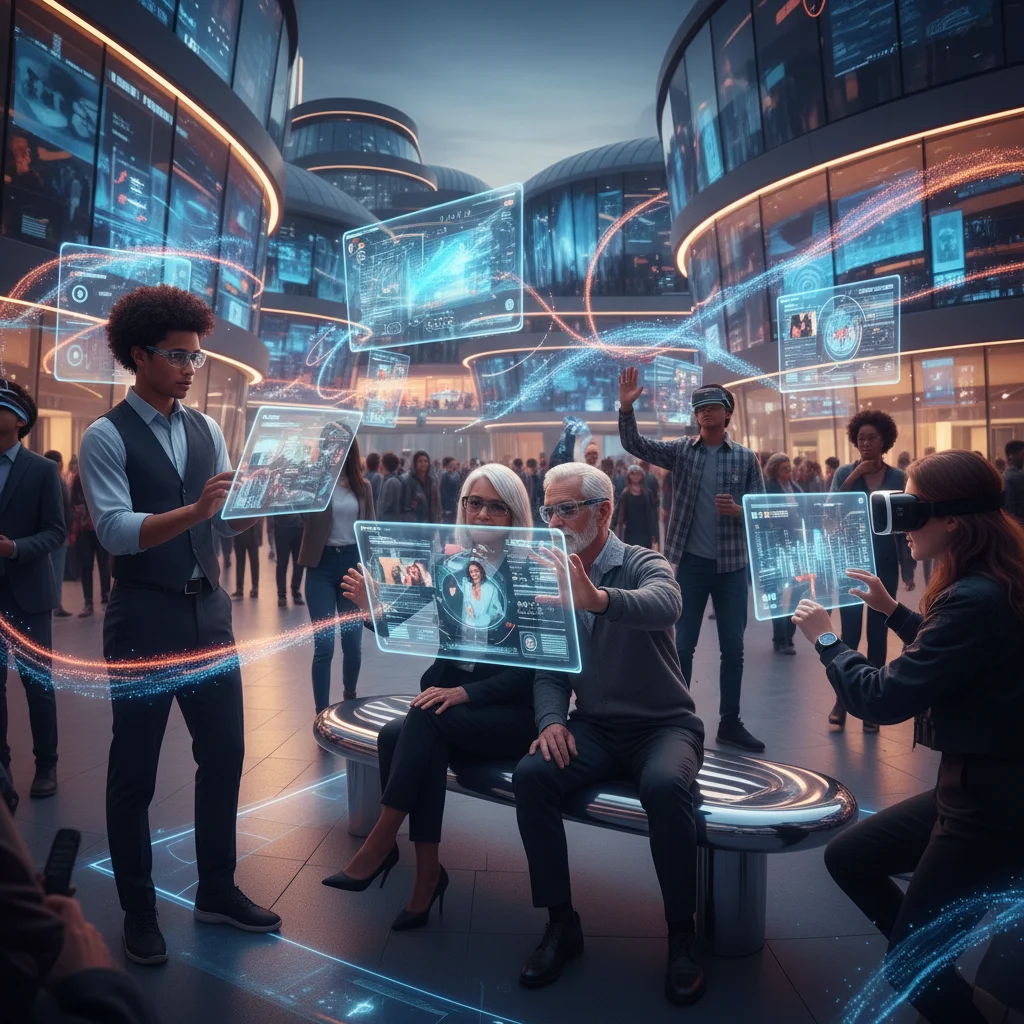
- Brand Storytelling and Immersion: Even product-focused businesses can leverage the experience economy by creating immersive brand stories and environments. This could involve pop-up experiences, interactive product demonstrations, or virtual reality tours that connect consumers emotionally with the brand.
- Community and Connection: Experiences often involve social interaction and community building. Businesses can foster this by hosting events, creating online forums, or supporting causes that resonate with their customers, turning consumption into a shared journey.
- Subscription-Based Experiences: The rise of subscription boxes, online courses, and membership programs for exclusive content or events reflects the desire for ongoing, curated experiences. Businesses can explore these models to provide continuous value and build recurring revenue.
For US businesses, adapting to the experience economy means thinking beyond the transaction. It requires a fundamental shift in mindset, focusing on how products and services can facilitate or become part of a richer, more meaningful life for consumers. By creating compelling experiences, businesses can forge stronger emotional bonds with customers, driving loyalty and influencing consumer spending 2026 in their favor.
Navigating the Future: Strategies for US Businesses in 2026
The four data-driven shifts in consumer spending 2026 – digital dominance, the green imperative, hyper-personalization, and the experience economy – are not isolated phenomena. They are interconnected forces that collectively redefine the commercial landscape. US businesses must adopt a holistic and integrated strategy to effectively navigate these changes.
Firstly, a robust investment in data analytics and artificial intelligence is non-negotiable. Understanding consumer behavior at a granular level is the foundation for effective personalization, targeted marketing, and predictive trend analysis. Businesses need to collect, analyze, and act upon data ethically and efficiently.
Secondly, an unwavering commitment to sustainability and ethical practices must be woven into the fabric of the business, not merely treated as a marketing gimmick. Consumers are increasingly sophisticated in discerning genuine efforts from greenwashing. Transparency, accountability, and demonstrable impact will be key differentiators.
Thirdly, businesses must cultivate an omnichannel presence that provides a seamless and consistent customer journey across all touchpoints, both physical and digital. This requires breaking down internal silos and fostering collaboration between different departments, from marketing to sales to customer service.
Finally, businesses need to think creatively about how their offerings can contribute to or enhance the consumer’s overall experience. This might involve innovating beyond traditional product lines, creating engaging brand stories, or fostering communities around shared values and interests.
The competitive advantages of tomorrow will not solely lie in product superiority or price, but in a brand’s ability to anticipate and respond to the evolving values and expectations of its consumers. Businesses that embrace these shifts, leveraging data to inform their strategies, will be well-positioned to capture the attention and loyalty of consumers in 2026 and beyond.
The future of consumer spending 2026 is dynamic and exciting, presenting both challenges and immense opportunities. By understanding these pivotal shifts and proactively adapting their strategies, US businesses can not only survive but thrive in this new era of commerce, building stronger brands and more meaningful connections with their customers.