The U.S. automotive industry stands at a significant crossroads, with the year 2026 emerging as a critical benchmark for transformative change. The confluence of technological advancements, evolving consumer preferences, and robust policy initiatives is rapidly reshaping the landscape. Central to this evolution is the unprecedented surge in electric vehicle (EV) adoption and the relentless pursuit of innovation across all facets of mobility. Understanding the dynamics of the US Automotive 2026 market requires a deep dive into several key areas, from manufacturing shifts to infrastructure development and consumer behavior.
For decades, the American automotive industry has been a cornerstone of the nation’s economy, driving employment, technological progress, and cultural identity. However, the move towards electrification and digitalization represents a paradigm shift unlike any seen before. This article will explore five pivotal insights into the U.S. automotive industry as it barrels towards 2026, offering a comprehensive look at the forces at play and what stakeholders can expect.
The era of internal combustion engines, while still dominant in sheer numbers, is slowly but surely giving way to a new age of sustainable and intelligent transportation. By 2026, the groundwork laid in the preceding years will begin to bear significant fruit, with EVs moving from niche products to mainstream contenders. This transition is not merely about replacing one power source with another; it encompasses a complete rethinking of vehicle design, manufacturing processes, supply chains, and even the very concept of car ownership.
Insight 1: Accelerating Electric Vehicle Adoption and Market Penetration
The trajectory of electric vehicle adoption in the U.S. is undeniably steep, and by 2026, EVs are projected to constitute a substantial portion of new vehicle sales. Several factors are contributing to this acceleration. Firstly, advancements in battery technology have led to increased range and reduced costs, mitigating two of the primary concerns for prospective EV buyers. The average range of new EVs is now competitive with many gasoline-powered cars, and the price gap is narrowing, particularly with government incentives and tax credits.
Secondly, expanding charging infrastructure is making EV ownership more practical. While gaps still exist, the deployment of public and private charging stations is growing exponentially, supported by federal and state initiatives. This includes the build-out of high-speed DC fast chargers along major corridors, making long-distance travel in an EV increasingly feasible. This robust infrastructure development is crucial for convincing more Americans to make the switch to electric.
Thirdly, consumer awareness and environmental consciousness are on the rise. A growing segment of the population understands the environmental benefits of EVs, including reduced tailpipe emissions and a smaller carbon footprint, especially when powered by renewable energy. Beyond environmental concerns, the performance advantages of EVs, such as instant torque and a quieter ride, are also significant draws. The US Automotive 2026 market will see a wider array of EV models, from compact sedans to powerful trucks and SUVs, catering to diverse consumer needs and preferences, further fueling adoption.
The competitive landscape is also playing a vital role. Traditional automakers are heavily investing in electrification, launching dedicated EV platforms and models to compete with established EV manufacturers. This increased competition is leading to better vehicles, more choices, and potentially lower prices, all of which will contribute to higher adoption rates. By 2026, it won’t be uncommon to see an EV in every other driveway, a testament to this rapid shift.
Insight 2: Supply Chain Resilience and Domestic Manufacturing Boost
The vulnerabilities of global supply chains, starkly exposed during recent global events, have prompted a significant reevaluation within the U.S. automotive industry. By 2026, there will be a pronounced emphasis on building more resilient and localized supply chains, particularly for critical EV components such as batteries, semiconductors, and rare earth minerals. This strategic shift is driven by both national security concerns and economic imperatives.
The U.S. government is actively promoting domestic manufacturing through incentives, grants, and strategic partnerships. This includes significant investments in battery gigafactories within the United States, reducing reliance on overseas production and creating thousands of high-paying jobs. The goal is to establish a robust domestic ecosystem for EV production, from raw material extraction and processing to battery cell manufacturing and vehicle assembly.
Furthermore, the development of advanced recycling technologies for EV batteries will become increasingly important. By 2026, a circular economy approach for batteries will be taking shape, aiming to recover valuable materials and reduce the environmental impact of battery production. This not only enhances supply chain resilience but also addresses sustainability concerns associated with resource extraction.
This push for domestic manufacturing will have profound implications for the US Automotive 2026 industry, fostering innovation and creating new opportunities for American businesses. It will also lead to a more stable and predictable supply of components, reducing production delays and ultimately benefiting consumers through more readily available vehicles. The focus on onshore production will also lead to more direct oversight of labor practices and environmental standards, potentially elevating ethical considerations within the supply chain.
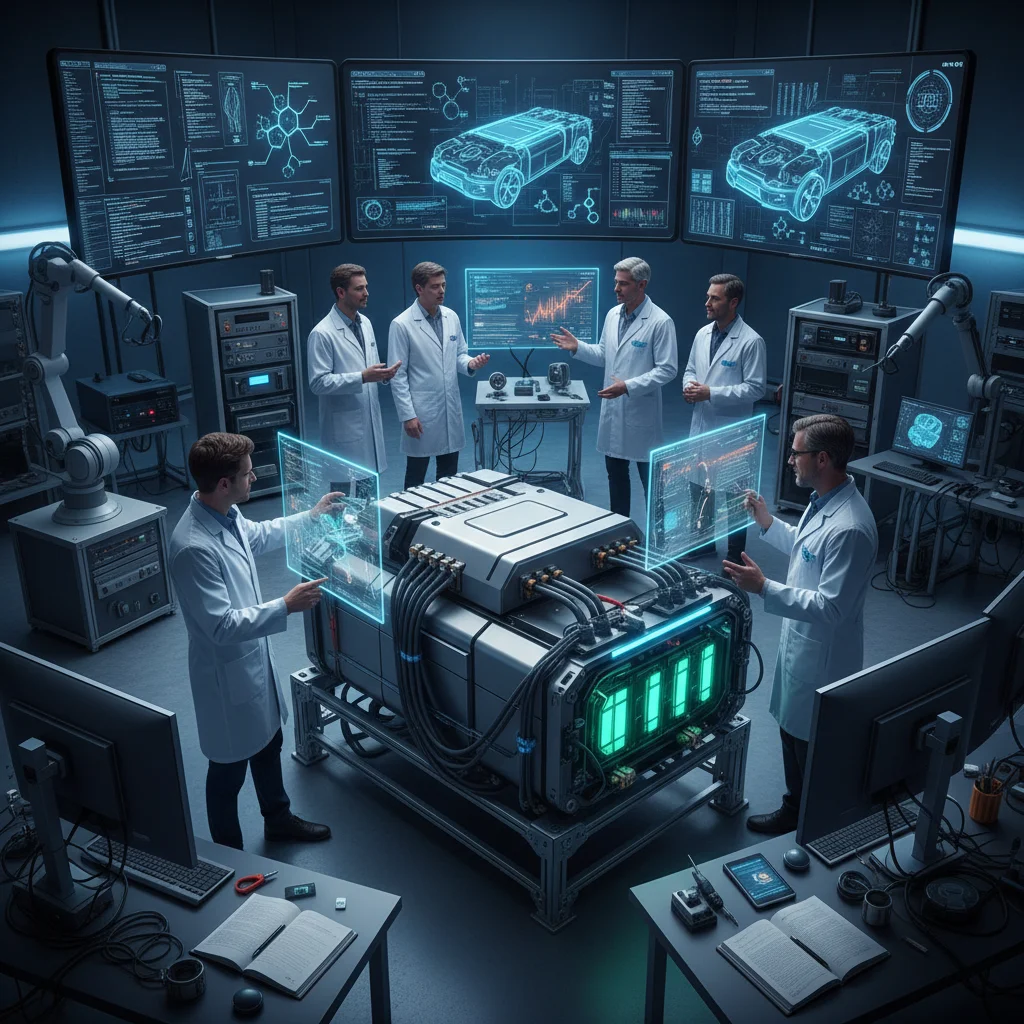
The strategic importance of semiconductor manufacturing has also come to the forefront. The automotive sector’s increasing reliance on advanced electronics means that securing a domestic supply of these crucial components is paramount. Initiatives to build new chip fabrication plants in the U.S. will begin to yield results by 2026, lessening the industry’s susceptibility to global chip shortages.
Insight 3: Software-Defined Vehicles and Autonomous Driving Progress
The vehicle of 2026 will be defined as much by its software as by its hardware. The concept of the ‘software-defined vehicle’ (SDV) will be firmly entrenched, enabling over-the-air (OTA) updates for everything from infotainment systems to powertrain performance and advanced driver-assistance systems (ADAS). This allows for continuous improvement and personalization throughout the vehicle’s lifespan, transforming the ownership experience.
Autonomous driving technology, while not yet at full Level 5 autonomy for widespread deployment, will have made significant strides by 2026. Level 2+ and Level 3 autonomous features will be common in many new vehicles, offering enhanced safety and convenience. These systems will include advanced adaptive cruise control, lane-keeping assistance, automatic parking, and even limited hands-off driving capabilities in specific conditions. The legal and regulatory frameworks for these technologies will also be evolving rapidly to keep pace with innovation.
The integration of artificial intelligence (AI) and machine learning (ML) will further enhance these capabilities, allowing vehicles to learn from driving patterns, optimize routes, and predict potential hazards. In-car connectivity will become standard, transforming vehicles into mobile offices, entertainment hubs, and personalized assistants. This high level of integration will also generate vast amounts of data, creating new opportunities for data-driven services and business models within the US Automotive 2026 ecosystem.
Cybersecurity will also be a paramount concern for software-defined vehicles. As cars become more connected and reliant on complex software, the risk of cyberattacks increases. Automakers will be investing heavily in robust cybersecurity measures to protect vehicle systems and personal data, ensuring the safety and privacy of occupants. The development of secure software architectures and continuous monitoring will be standard practice.
Insight 4: Evolving Business Models and Ownership Paradigms
The traditional model of individual car ownership is facing disruption, and by 2026, new business models will be gaining significant traction. Ride-sharing and car-sharing services, already popular in urban areas, will expand and potentially integrate with autonomous fleets. This could lead to a decrease in the overall number of privately owned vehicles in certain segments, particularly in dense metropolitan environments.
Subscription models for vehicles are also emerging as an attractive alternative to outright purchase or traditional leasing. These models offer flexibility, allowing consumers to switch vehicles based on their needs, with maintenance, insurance, and even charging often bundled into a single monthly fee. This appeals to a demographic that values access over ownership and seeks simplified transportation solutions.
Furthermore, the concept of ‘Mobility as a Service’ (MaaS) will continue to develop, integrating various transportation modes—from public transit and ride-hailing to bike-sharing and micro-mobility—into a single, seamless platform. This holistic approach to transportation aims to optimize efficiency, reduce congestion, and offer personalized travel options, fundamentally altering how people move within cities.
For the US Automotive 2026 industry, these evolving ownership paradigms present both challenges and opportunities. Automakers will need to adapt their strategies, moving beyond simply selling vehicles to offering comprehensive mobility solutions. This may involve closer partnerships with tech companies, urban planners, and public transport authorities to create integrated ecosystems that cater to the diverse needs of modern consumers.
Insight 5: Sustainability Beyond the Powertrain and Circular Economy Focus
While the electrification of powertrains is a monumental step towards sustainability, the U.S. automotive industry in 2026 will be increasingly focused on broader environmental considerations across the entire vehicle lifecycle. This includes the use of sustainable materials in vehicle construction, reducing manufacturing waste, and minimizing the environmental impact of production facilities.
Automakers are already exploring and implementing the use of recycled plastics, bio-based materials, and lightweight composites to reduce the carbon footprint of their vehicles. The design philosophy will increasingly incorporate principles of circularity, where components are designed for durability, repairability, and ultimately, recyclability. This holistic approach aims to reduce resource consumption and waste generation throughout the vehicle’s life.
Energy efficiency in manufacturing plants will also be a key focus. Companies will be investing in renewable energy sources for their factories, optimizing production processes to reduce energy consumption, and implementing advanced waste management systems. The goal is to achieve carbon-neutral manufacturing, further solidifying the industry’s commitment to environmental stewardship.
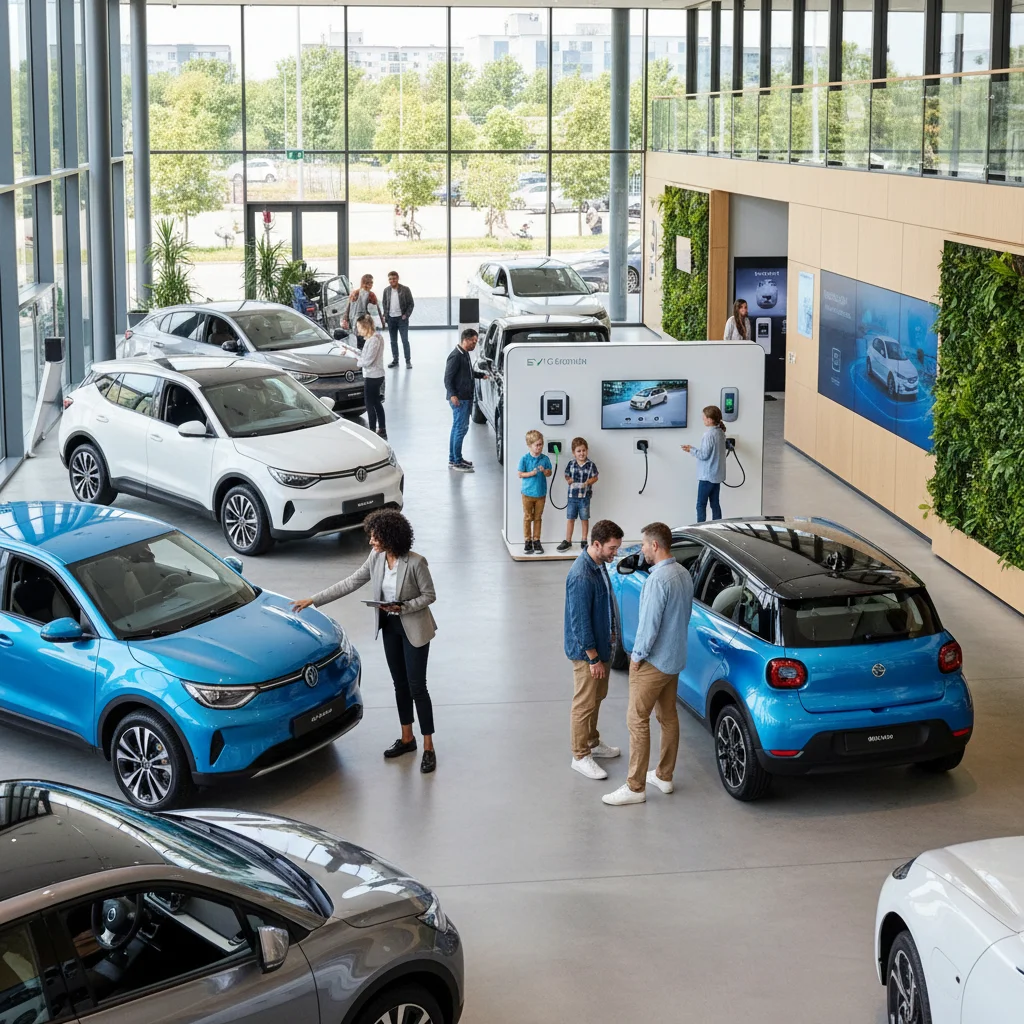
The push for sustainability will also extend to the end-of-life management of vehicles. Beyond battery recycling, there will be greater emphasis on disassembling and repurposing or recycling other vehicle components. This comprehensive approach to sustainability will not only meet regulatory requirements but also resonate with environmentally conscious consumers, further shaping the US Automotive 2026 market.
Challenges and Opportunities Ahead
While the outlook for the US Automotive 2026 industry is largely optimistic, several challenges must be addressed. The rapid pace of technological change requires significant investment in research and development, as well as upskilling the workforce. The transition to EVs also necessitates a robust and reliable charging infrastructure that can keep pace with demand, especially in rural areas.
Furthermore, managing the grid infrastructure to support a massive influx of EVs will be crucial. Smart charging solutions, vehicle-to-grid (V2G) technology, and renewable energy integration will be vital for ensuring grid stability and efficiency. Policy makers, utility companies, and automakers will need to collaborate closely to overcome these energy-related challenges.
On the opportunity front, the shift towards EVs and advanced technologies opens up new markets and revenue streams. The demand for specialized software, data analytics, and charging solutions will create a vibrant ecosystem of ancillary industries. The U.S. automotive industry has the potential to lead globally in innovation, setting new standards for sustainable and intelligent mobility.
The competitive landscape will also intensify, not just among traditional automakers but also with new entrants from the tech sector. This competition will drive innovation and consumer choice, but it also means that companies must be agile and responsive to market changes. Those that can adapt quickly and embrace new technologies will be best positioned for success.
The Road Ahead: Preparing for 2026 and Beyond
For consumers, 2026 will offer an unprecedented array of choices in electric and technologically advanced vehicles. The driving experience will be safer, more connected, and more enjoyable than ever before. The cost of ownership for EVs is also expected to become more competitive, thanks to lower fuel and maintenance costs, even if upfront purchase prices remain slightly higher for some segments.
For businesses, the coming years require strategic foresight and significant investment. Companies that prioritize sustainability, invest in domestic manufacturing capabilities, and embrace software-driven innovation will thrive. Collaboration across the industry—between automakers, tech companies, energy providers, and government—will be essential to navigate the complexities of this transformation.
The workforce also needs to be prepared. The demand for skilled engineers, software developers, battery specialists, and EV technicians will continue to grow. Investment in education and training programs will be critical to ensure that the U.S. has the talent pool necessary to support this evolving industry. Retraining existing workers and attracting new talent will be key challenges and opportunities.
In conclusion, the U.S. automotive industry in 2026 will be characterized by a dynamic interplay of rapid EV adoption, a strengthened domestic supply chain, intelligent software-defined vehicles, evolving ownership models, and a profound commitment to sustainability. This intricate tapestry of innovation and change promises a future of mobility that is cleaner, smarter, and more integrated than ever before. The journey to 2026 is not just about making cars; it’s about reinventing transportation for a new era.