Biotechnology Breakthroughs: US Industry Outlook Next 18 Months

The landscape of American industry is on the cusp of a profound transformation, driven by an accelerating pace of biotechnology breakthroughs. Over the next 18 months, we anticipate a wave of innovations that will not only redefine existing sectors but also give rise to entirely new industries. This article will explore the critical areas where biotechnology is poised to make its most significant impact, offering a comprehensive biotechnology industry outlook for the United States.
From personalized medicine and advanced diagnostics to sustainable agriculture and bio-manufacturing, the implications are vast. Understanding these emerging trends is crucial for businesses, investors, and policymakers alike to prepare for and capitalize on the opportunities that lie ahead.
The Healthcare Revolution: Precision Medicine and Beyond
Healthcare remains at the forefront of biotechnology innovation. The next 18 months are expected to bring significant advancements in personalized medicine, gene therapies, and novel drug discovery platforms. The concept of ‘one-size-fits-all’ treatment is rapidly becoming obsolete, replaced by approaches tailored to an individual’s genetic makeup, lifestyle, and environment. This shift is a cornerstone of the evolving biotechnology industry outlook.
Personalized Medicine Takes Center Stage
The expansion of genomic sequencing capabilities continues to fuel personalized medicine. We will see more widespread integration of genetic testing into routine clinical practice, particularly in oncology and pharmacogenomics. This means more patients receiving treatments optimized for their specific genetic profiles, leading to higher efficacy and fewer adverse effects. Expect to see new diagnostic tests that can predict disease susceptibility or drug response with unprecedented accuracy, enabling proactive and preventive healthcare strategies.
Gene Therapies and CRISPR Advancements
Gene therapies, once a distant dream, are now a reality for several rare diseases. The next year and a half will witness the approval of more gene therapies, expanding their reach to a wider array of conditions, including certain neurological disorders and inherited metabolic diseases. CRISPR-Cas9 and other gene-editing technologies are becoming more refined and precise. While ethical considerations remain paramount, the scientific community is making strides in ensuring the safety and specificity of these tools. The potential for in vivo gene editing – modifying genes directly within the body – is particularly exciting, promising cures for conditions currently considered incurable. This area alone signifies a massive shift in the biotechnology industry outlook for healthcare.
AI and Machine Learning in Drug Discovery
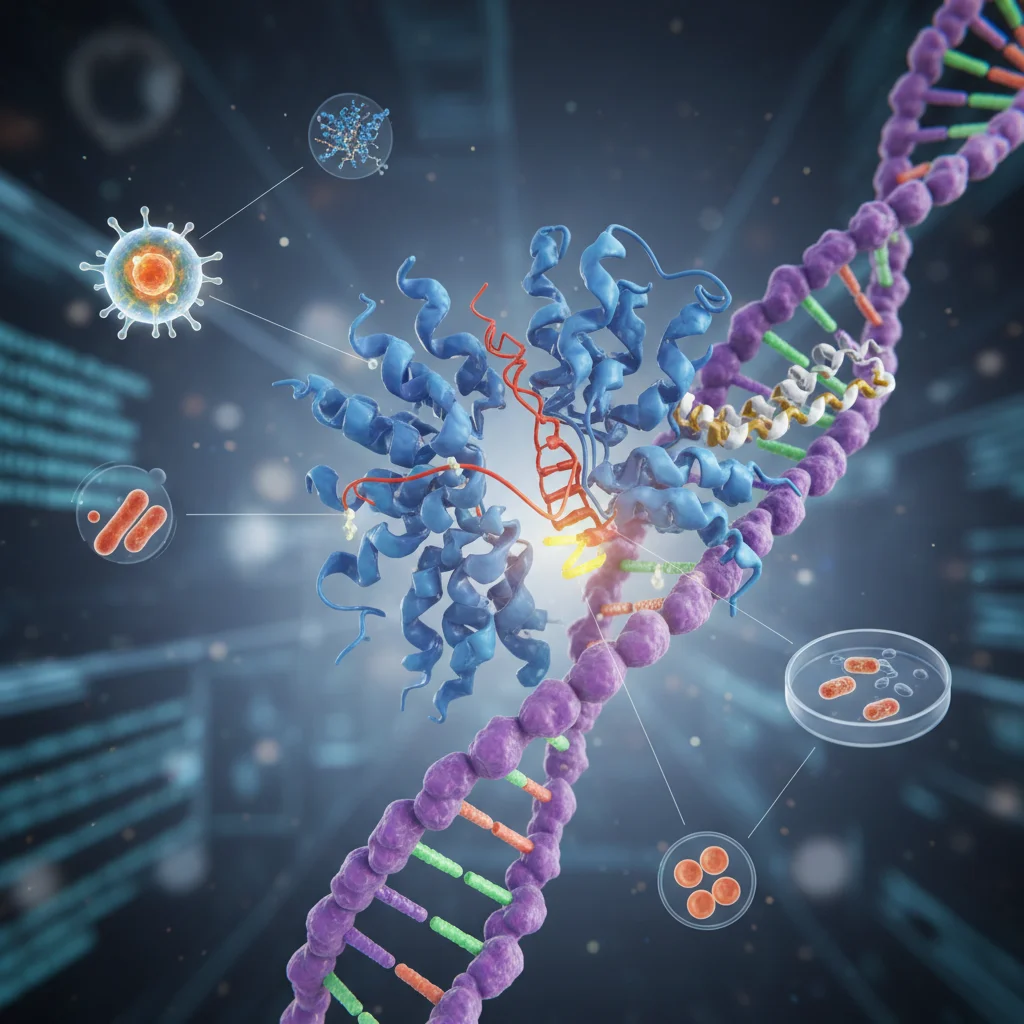
Artificial intelligence (AI) and machine learning (ML) are accelerating drug discovery and development at an unprecedented rate. These technologies can analyze vast datasets, identify potential drug candidates, predict their efficacy and toxicity, and even design novel molecules. Over the next 18 months, expect to see more AI-driven platforms yielding promising preclinical and clinical trial candidates, significantly shortening the drug development pipeline and reducing costs. This synergy between AI and biotech is a critical driver for the future biotechnology industry outlook.
Sustainable Agriculture: Feeding the Future
Biotechnology is also playing a pivotal role in addressing global food security and environmental sustainability challenges. The agricultural sector in the US is ripe for disruption, with innovations focusing on enhancing crop yields, improving nutritional content, and developing more sustainable farming practices. This is a crucial aspect of the broader biotechnology industry outlook.
Genetically Modified Crops for Resilience and Nutrition
While genetically modified (GM) crops have been a topic of debate, new advancements are focusing on traits beyond herbicide resistance. Expect to see GM crops designed for enhanced drought resistance, increased nutritional value (e.g., biofortified crops with higher vitamin content), and improved pest resistance, reducing the need for chemical pesticides. These innovations are critical for ensuring food security in the face of climate change and a growing global population.
Precision Agriculture and Bio-Fertilizers
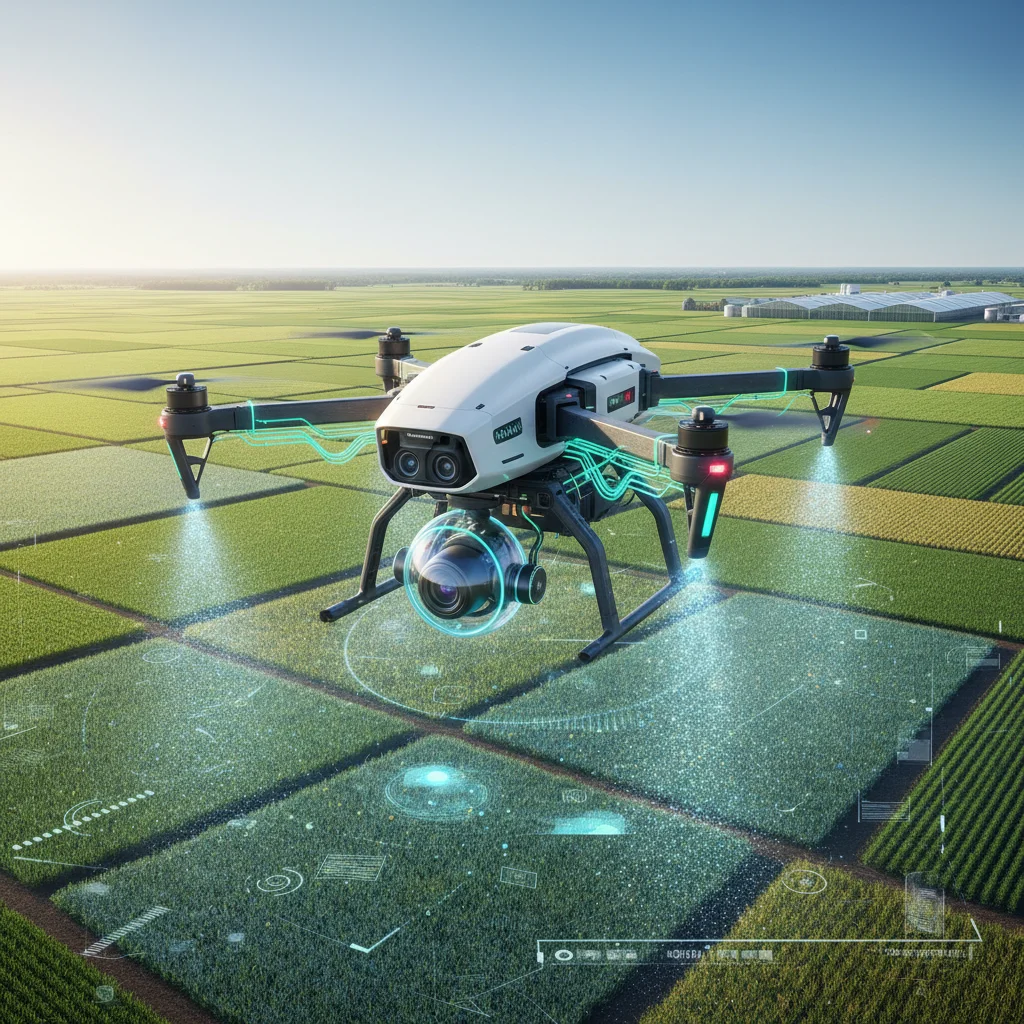
Biotechnology is enabling a new era of precision agriculture. This includes the development of advanced sensors and analytics to monitor crop health, soil conditions, and water usage with unprecedented detail. Furthermore, bio-fertilizers and bio-pesticides, derived from microorganisms, offer environmentally friendly alternatives to traditional chemical inputs. These biological solutions improve soil health, reduce pollution, and contribute to more sustainable farming systems. The adoption of these technologies will significantly shape the agricultural segment of the biotechnology industry outlook.
Cellular Agriculture and Alternative Proteins
The rise of cellular agriculture, including lab-grown meat and dairy products, is set to gain further traction. While still in early stages of commercialization, breakthroughs in scaling production and reducing costs are expected. These alternative protein sources offer a sustainable solution to meet the growing demand for animal products with a significantly reduced environmental footprint. Within the next 18 months, we may see more cultured meat products hitting supermarket shelves, albeit initially in niche markets, signaling a transformative shift in food production and a key element of the biotechnology industry outlook.
Industrial Biotechnology: Reshaping Manufacturing
Beyond healthcare and agriculture, industrial biotechnology is poised to revolutionize manufacturing processes, leading to more sustainable and efficient production of chemicals, materials, and energy. This area of biotech is often overlooked but holds immense potential for the US industrial sector, forming a vital part of the comprehensive biotechnology industry outlook.
Bio-based Chemicals and Materials
The move away from fossil fuels extends to the production of chemicals and materials. Biotechnology is enabling the development of bio-based plastics, textiles, and fuels derived from renewable biomass. We anticipate breakthroughs in fermentation processes and enzyme engineering that will make the production of these bio-alternatives more cost-effective and scalable. This will have significant implications for industries ranging from packaging to automotive manufacturing, driving a greener economy.
Enzyme Engineering for Industrial Processes
Enzymes are nature’s catalysts, and biotechnologists are increasingly harnessing their power for industrial applications. Over the next 18 months, expect to see novel enzyme discoveries and engineering advancements that improve the efficiency of various industrial processes, including biofuel production, waste treatment, and pharmaceutical synthesis. These bio-catalysts offer greener alternatives to traditional chemical catalysts, reducing energy consumption and hazardous waste.
Bioremediation and Waste Management
Biotechnology offers powerful solutions for environmental remediation. Microorganisms can be engineered or selected to degrade pollutants in soil and water, offering a sustainable approach to cleaning up contaminated sites. We foresee continued advancements in bioremediation techniques, making them more effective and applicable to a wider range of environmental challenges. This contributes significantly to the environmental sustainability aspect of the biotechnology industry outlook.
Investment and Regulatory Landscape
The rapid pace of biotechnology breakthroughs is attracting substantial investment, both from venture capitalists and established corporations. The US government is also playing a crucial role through funding initiatives and regulatory frameworks. Understanding this dynamic is essential for grasping the full scope of the biotechnology industry outlook.
Surge in Venture Capital and Corporate Investment
Venture capital funding for biotech startups remains robust, particularly for companies focused on gene editing, AI-driven drug discovery, and synthetic biology. Large pharmaceutical and agricultural companies are also actively acquiring or partnering with innovative biotech firms to integrate new technologies into their pipelines. This influx of capital is critical for translating scientific discoveries into tangible products and services.
Regulatory Evolution and Ethical Considerations
As biotechnology advances, so too must the regulatory landscape. Agencies like the FDA are continually adapting their guidelines to ensure the safe and effective development and deployment of new biotech products, especially in areas like gene therapy and cellular agriculture. Ethical considerations, particularly concerning gene editing and data privacy, will continue to be a focal point, requiring careful navigation by both innovators and regulators. A balanced regulatory environment is key to fostering innovation while protecting public interest, directly influencing the trajectory of the biotechnology industry outlook.
Challenges and Opportunities
While the future of biotechnology in the US is bright, several challenges and opportunities will shape its trajectory over the next 18 months.
Talent Gap and Workforce Development
The rapid growth of the biotech sector is creating a significant demand for skilled professionals, from molecular biologists and bioinformaticians to regulatory experts and data scientists. Addressing this talent gap through education and workforce development programs will be crucial for sustaining innovation and ensuring the US remains a global leader in biotechnology. This is an important consideration for the long-term biotechnology industry outlook.
Data Integration and Cybersecurity
Biotechnology generates enormous amounts of data, from genomic sequences to clinical trial results. Effective data integration, analysis, and secure storage are paramount. Cybersecurity will become an even more critical concern as sensitive biological and health data are increasingly digitized. Robust infrastructure and protocols will be necessary to protect intellectual property and patient information.
Commercialization and Market Adoption
Translating scientific discoveries into commercially viable products and ensuring widespread market adoption remains a key challenge. This involves navigating complex regulatory pathways, demonstrating cost-effectiveness, and overcoming potential public skepticism. Effective communication and education will be vital for building trust and facilitating the integration of new biotech solutions into everyday life, impacting the commercial success within the biotechnology industry outlook.
Conclusion: A Future Forged by Biotech
The next 18 months promise to be a period of unprecedented growth and transformation for the US biotechnology industry. From revolutionizing healthcare with personalized treatments and gene therapies to building a more sustainable future through advanced agriculture and bio-manufacturing, the impact of biotechnology will be felt across every major sector. The accelerating pace of innovation, coupled with significant investment and evolving regulatory frameworks, positions the US at the forefront of this scientific revolution. Businesses and individuals who understand and adapt to this dynamic biotechnology industry outlook will be best positioned to thrive in the years to come, harnessing the power of biology to solve some of humanity’s most pressing challenges and create new opportunities for growth and prosperity.