The American labor landscape is in the midst of an unprecedented transformation, often referred to as the Great Reshuffle. This phenomenon, characterized by a significant re-evaluation of work, careers, and personal priorities by millions of workers, is not a transient blip but a foundational shift. Projections indicate that by 2026, the U.S. economy will experience a substantial 15% workforce shift, impacting every sector from technology to manufacturing, healthcare to retail. This isn’t merely about job hopping; it’s about a fundamental restructuring of where, how, and why people work. Understanding and adapting to this workforce shift 2026 is paramount for businesses aiming to thrive in the coming years.
The Genesis of the Great Reshuffle: Beyond the Pandemic
While the COVID-19 pandemic acted as a powerful catalyst, the roots of the Great Reshuffle run deeper. Pre-existing trends such as an aging workforce, the rise of automation, increasing demand for specialized skills, and a growing emphasis on work-life balance were already setting the stage. The pandemic, however, accelerated these shifts, prompting a collective introspection among employees about their careers, compensation, flexibility, and overall well-being. This introspection led to a surge in resignations, a phenomenon dubbed ‘The Great Resignation,’ which is now evolving into the ‘Great Reshuffle’ as workers actively seek new opportunities that better align with their evolving values and aspirations.
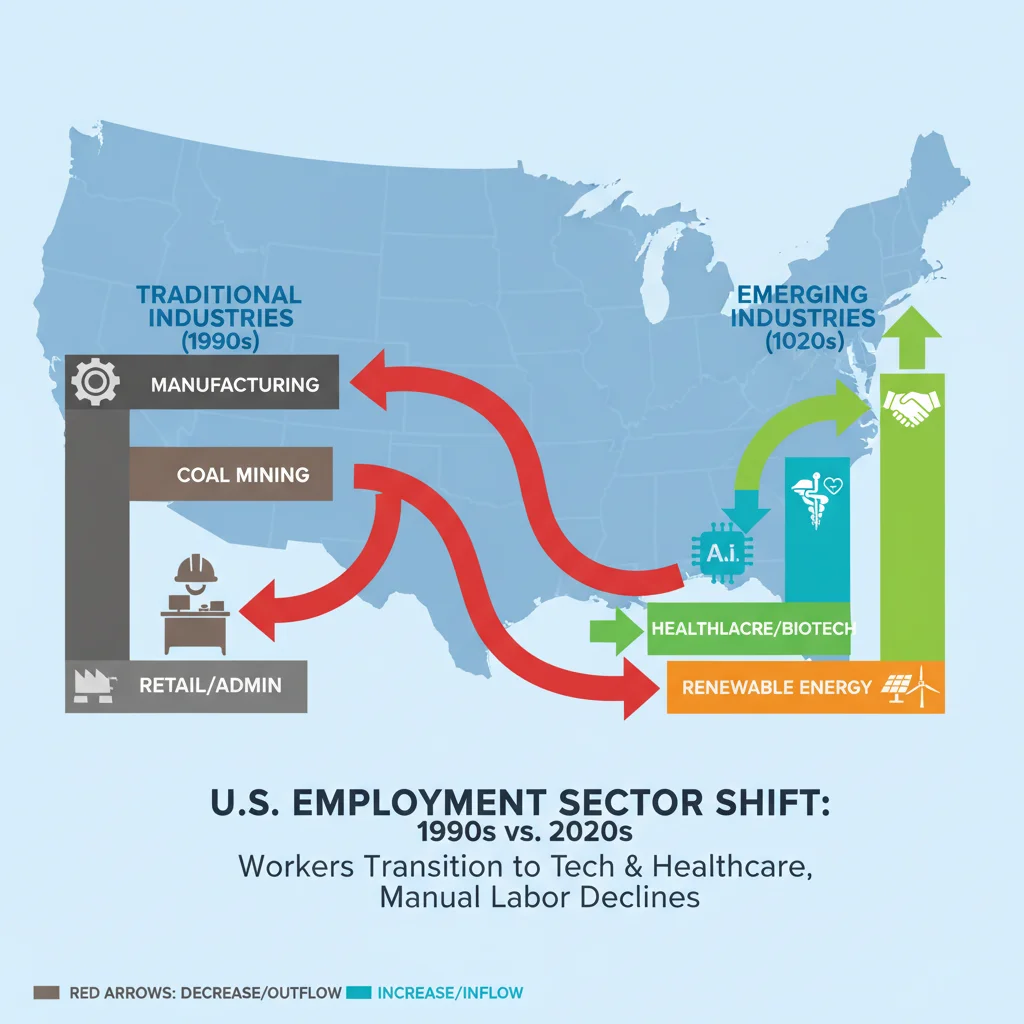
The 15% workforce shift by 2026 implies a dynamic redistribution of talent across industries and roles. Some sectors are experiencing an exodus, while others are seeing an influx. This fluidity presents both immense challenges and unparalleled opportunities for businesses. Companies that proactively analyze these trends and adapt their talent strategies are poised to gain a significant competitive advantage. Those that remain stagnant risk being left behind, struggling with talent shortages, decreased productivity, and a diminished capacity for innovation.
This article will delve into the multifaceted aspects of this workforce shift 2026, exploring its drivers, its impact on key U.S. industries, and the innovative strategies businesses are employing to navigate this complex new reality. We will examine how different sectors are not just reacting but proactively shaping their futures in response to these profound changes.
Understanding the Drivers of the Workforce Shift
Several key factors are propelling the projected 15% workforce shift 2026:
- Desire for Flexibility: Remote and hybrid work models have become non-negotiable for many. Employees now prioritize roles that offer greater autonomy over their work environment and schedules. The traditional 9-to-5 office model is increasingly seen as outdated, and companies unable to offer flexible arrangements are at a disadvantage in the talent market.
- Pursuit of Better Compensation and Benefits: In an inflationary environment, competitive salaries and comprehensive benefits packages (including health, retirement, and mental health support) are more critical than ever. Workers are willing to move for better financial security and holistic well-being.
- Emphasis on Work-Life Balance: The pandemic highlighted the importance of personal time and mental health. Employees are seeking jobs that allow for a healthier integration of their professional and personal lives, rejecting cultures of overwork and burnout.
- Career Growth and Development Opportunities: A stagnant career path is a major motivator for employees to seek new pastures. Workers are looking for roles that offer clear opportunities for skill development, advancement, and continuous learning.
- Values Alignment and Company Culture: Modern employees, particularly younger generations, are increasingly prioritizing working for organizations whose values align with their own. This includes commitment to diversity, equity, and inclusion (DEI), social responsibility, and ethical business practices. A toxic or unsupportive work culture is a significant deterrent.
- Skill Gaps and Automation: Rapid technological advancements are creating new roles while making others obsolete. This necessitates continuous upskilling and reskilling, driving workers to sectors and companies that invest in their future capabilities.
These drivers collectively create a highly dynamic labor market where talent is empowered and businesses must strategically adapt to attract and retain the best employees. The implications of this workforce shift 2026 are far-reaching, demanding innovative solutions across all industries.
Industry-Specific Adaptations to the Workforce Shift 2026
The impact of the 15% workforce shift 2026 is not uniform across all sectors. Each industry faces unique challenges and opportunities, necessitating tailored strategies.
Technology and IT Sector: The Epicenter of Change
The tech industry, already known for its dynamic nature, is both a driver and a major recipient of this shift. While it continues to attract top talent due to high salaries and innovative work, it also faces intense competition for skilled professionals. The demand for software engineers, data scientists, cybersecurity experts, and AI specialists far outstrips supply.
- Adaptations: Tech companies are leading the charge in permanent remote and hybrid work models, offering unparalleled flexibility. They are also investing heavily in advanced benefits, mental health support, and robust learning and development programs to keep their employees at the cutting edge. Aggressive talent acquisition strategies, including global recruitment and talent mobility programs, are common.
Healthcare: Battling Burnout and Shortages
The healthcare sector has been profoundly affected by the pandemic, leading to widespread burnout and a critical shortage of nurses, doctors, and allied health professionals. This industry is experiencing a significant outflow of experienced workers seeking less stressful environments or early retirement.
- Adaptations: Healthcare providers are focusing on improving work-life balance through flexible scheduling, enhanced mental health resources, and competitive compensation. They are also exploring technology-driven solutions like telemedicine to optimize staff deployment and reduce administrative burden. Investing in robust training programs for new graduates and offering incentives for rural service are also key strategies to address the workforce shift 2026.
Manufacturing: Reskilling for the Future
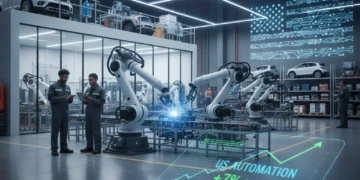
The manufacturing sector is grappling with an aging workforce and a growing demand for digitally skilled workers to operate advanced robotics and automation. The workforce shift 2026 here is characterized by a need to reskill existing employees and attract younger talent to roles that are increasingly high-tech rather than purely manual.
- Adaptations: Manufacturers are implementing extensive apprenticeship programs, offering tuition reimbursement for STEM education, and creating clearer career pathways. They are also modernizing workplaces to improve safety and integrate technology, making roles more appealing. Automation is seen not just as a replacement but as a tool to augment human capabilities, requiring a different skill set.
Retail and Hospitality: Rebuilding the Front Lines
These sectors experienced massive disruptions, layoffs, and subsequent hiring challenges. Workers left for more stable, better-paying jobs with better benefits and more predictable hours. The workforce shift 2026 here is about retaining frontline staff and improving the perception of these roles.
- Adaptations: Companies are raising wages, offering signing bonuses, and providing more consistent scheduling. They are also investing in employee training, career development opportunities, and benefits such as healthcare and tuition assistance. Technologies that streamline tasks and improve the employee experience are also being adopted to reduce burnout.
Education: Addressing Teacher Shortages and Evolving Needs
The education sector faces ongoing challenges with teacher shortages, particularly in critical subjects and underserved areas. The pandemic exacerbated these issues, leading many educators to re-evaluate their careers due to stress, inadequate pay, and lack of support.
- Adaptations: School districts and universities are exploring various strategies, including increased salaries, improved benefits, and professional development opportunities. They are also looking at flexible teaching models, reducing administrative burdens, and fostering supportive school cultures to attract and retain talent in this significant workforce shift 2026.
Strategic Responses: Navigating the New Talent Landscape
To effectively navigate the 15% workforce shift 2026, businesses are adopting a multi-pronged approach that goes beyond simply increasing salaries. These strategies are focused on creating a more attractive, supportive, and dynamic work environment.
1. Redefining Employee Value Proposition (EVP)
Companies are moving beyond just compensation to offer a holistic EVP that encompasses:
- Purpose and Impact: Articulating a clear mission and demonstrating the positive impact of employees’ work.
- Growth and Development: Providing continuous learning opportunities, mentorship programs, and clear career pathways.
- Well-being: Offering comprehensive mental and physical health benefits, stress management resources, and promoting work-life integration.
- Flexibility and Autonomy: Embracing remote, hybrid, and flexible work schedules wherever possible.
- Inclusive Culture: Fostering a diverse, equitable, and inclusive environment where all employees feel valued and respected.
2. Investing in Upskilling and Reskilling
Given the rapidly evolving skill requirements, organizations are heavily investing in internal training programs. This not only addresses skill gaps but also demonstrates a commitment to employee growth, enhancing retention. Corporate universities, online learning platforms, and partnerships with educational institutions are becoming common.
3. Embracing Hybrid and Remote Work Models
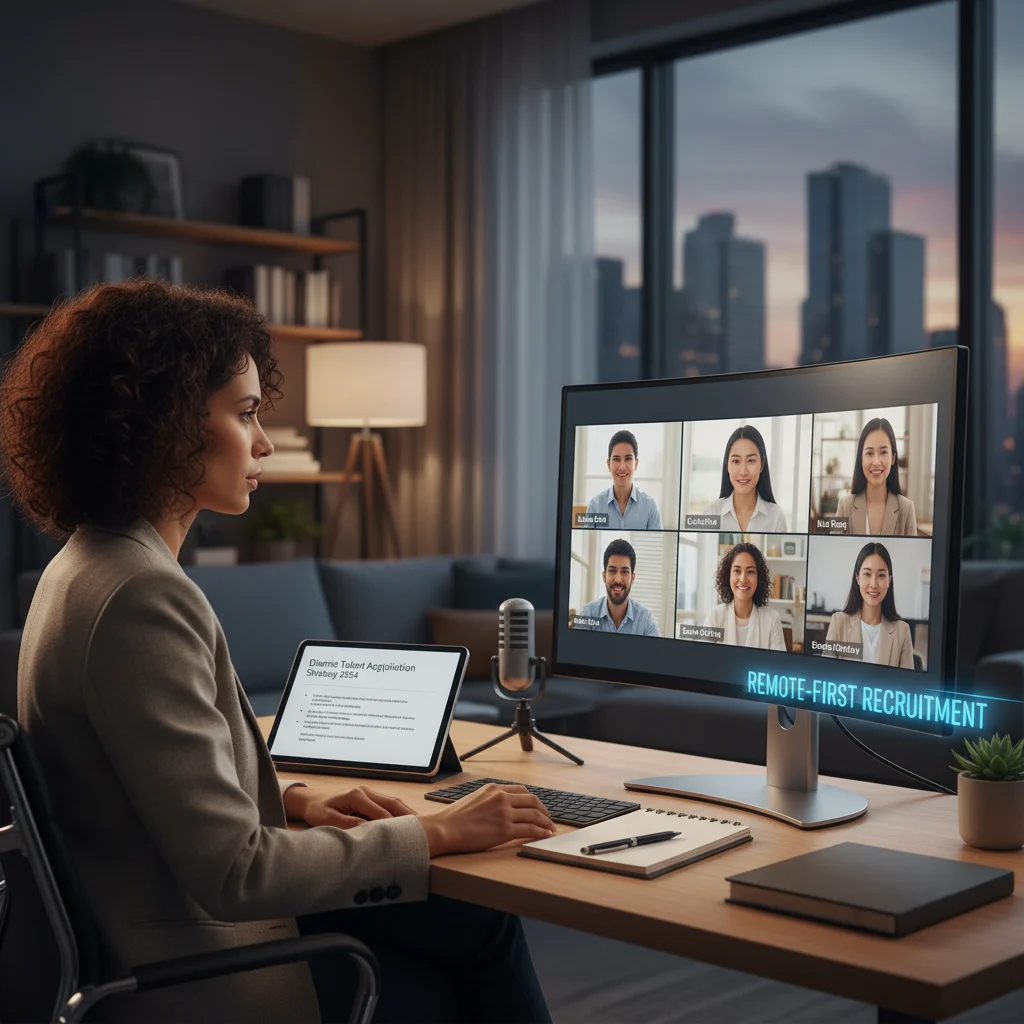
For many industries, the shift to hybrid or fully remote work is no longer an option but a necessity. Companies are investing in technology and infrastructure to support seamless remote collaboration, ensuring productivity and fostering a sense of connection among distributed teams. This flexibility is a major draw for talent in the current workforce shift 2026.
4. Enhancing Diversity, Equity, and Inclusion (DEI)
A strong commitment to DEI is crucial for attracting and retaining a diverse workforce. This involves not just hiring practices but also creating an inclusive culture where all voices are heard, and opportunities are equitable. DEI initiatives are increasingly seen as integral to business success and talent attraction.
5. Leveraging Technology for HR and Talent Management
Advanced HR technologies, including AI-powered recruitment tools, predictive analytics for talent retention, and sophisticated learning management systems, are playing a vital role. These tools help identify potential attrition risks, personalize employee experiences, and streamline talent acquisition processes, making them more efficient and data-driven.
6. Fostering a Culture of Empathy and Psychological Safety
Leaders are being trained to lead with empathy, understanding the diverse needs and challenges of their teams. Creating psychologically safe environments where employees feel comfortable sharing ideas, making mistakes, and asking for help is critical for building resilient and engaged teams amidst the ongoing workforce shift 2026.
7. Strategic Workforce Planning
Proactive organizations are engaging in comprehensive workforce planning, analyzing future skill needs, potential talent gaps, and demographic shifts. This involves forecasting, scenario planning, and developing strategies to build a resilient workforce capable of adapting to future disruptions.
The Long-Term Outlook: A Permanent Evolution
The 15% workforce shift 2026 is not a temporary phenomenon but rather an acceleration of trends that will permanently alter the nature of work. The labor market will continue to be employee-centric, demanding that businesses continuously adapt their strategies to attract, engage, and retain talent. The focus will shift from merely filling positions to fostering environments where employees can thrive, grow, and contribute meaningfully.
Industries that embrace innovation in their talent strategies, prioritize employee well-being, and commit to continuous learning will be the ones that succeed. The companies that view their workforce as their most valuable asset and invest in their people will build a resilient and competitive advantage in the years to come. The future of work is here, and it demands agility, empathy, and a forward-thinking approach from all stakeholders.
The Great Reshuffle has indeed left a lasting impact, compelling U.S. industries to fundamentally rethink their approach to talent. By understanding the drivers, analyzing industry-specific challenges, and implementing strategic responses, businesses can not only navigate the projected 15% workforce shift 2026 but also emerge stronger, more adaptable, and more innovative in the evolving global economy. The era of passive talent management is over; the future belongs to those who actively shape their workforce for success.