Navigating the New Digital Badging Landscape in the U.S.: What 3 Recent Updates Mean for Your Career Growth
The world of professional development and skill validation is in constant flux, and at the forefront of this evolution are digital badges. These verifiable micro-credentials are rapidly changing how skills are recognized, acquired, and communicated in the modern workforce. For professionals across every sector, understanding the nuances of the digital badging updates in the U.S. is not just advantageous; it’s becoming a necessity. As the American job market continues its dynamic shift towards skill-based hiring, digital badges offer a powerful, granular way to showcase competencies that traditional degrees often cannot capture with the same agility. This article will delve into three pivotal recent updates in the U.S. digital badging landscape, exploring their implications for individuals, educators, and employers alike. We’ll uncover how these changes are setting new standards for credentialing, enhancing career pathways, and fostering a more transparent and equitable system for skill recognition.
The Rise of Digital Badges: A Quick Overview
Before we dive into the specific digital badging updates, let’s briefly recap what digital badges are and why they’ve gained such prominence. Digital badges are secure, verifiable online credentials that signify the achievement of specific skills, competencies, or learning outcomes. Unlike traditional certificates or diplomas, they carry embedded metadata that provides detailed information about the issuer, the criteria for earning the badge, the evidence of achievement, and the date of issuance. This transparency and verifiability make them incredibly valuable in a job market that increasingly prioritizes demonstrated skills over generic qualifications.
The appeal of digital badges stems from several key factors:
- Granularity: They can represent highly specific skills, from proficiency in a particular software tool to mastery of a complex leadership competency.
- Flexibility: They can be earned through various pathways, including formal education, professional development courses, on-the-job training, or even self-directed learning.
- Portability: Easily shared across social media, professional networking sites, and digital portfolios, making skills visible to potential employers.
- Verifiability: The embedded metadata ensures that the badge’s authenticity and the earner’s claims can be easily validated.
- Relevance: They can be rapidly developed and updated to reflect the most current industry demands, ensuring that the skills recognized are always relevant.
In the U.S., the adoption of digital badges has been particularly strong in sectors experiencing rapid technological change, such as IT, healthcare, and advanced manufacturing, as well as in higher education and corporate training. They serve as a bridge between learning and earning, providing a common language for skills that benefits both job seekers and employers. Now, let’s explore how recent developments are shaping this exciting landscape.
Update 1: Increased Standardization and Interoperability Efforts
One of the most significant digital badging updates revolves around a concerted push towards greater standardization and interoperability. Historically, the digital badging ecosystem has been somewhat fragmented, with various platforms and issuers employing different technical specifications or interpretations. While the Open Badges Specification (developed by Mozilla and now stewarded by IMS Global Learning Consortium) has provided a foundational standard, recent efforts have focused on enhancing its adoption and ensuring more seamless integration across diverse systems.
What This Means for You:
- For Professionals: Increased standardization means your digital badges will be more easily recognized and validated across different platforms, employers, and educational institutions. This reduces the friction in showcasing your skills and ensures that your credentials hold consistent value regardless of where they were issued or where you’re applying. It also simplifies the process of aggregating your various badges into a comprehensive digital portfolio. Imagine not having to worry if a potential employer can ‘read’ your badge from a different learning provider – that’s the promise of enhanced interoperability. This focus on a unified approach to digital credentialing makes your investment in earning these badges more secure and impactful for your long-term career growth.
- For Educators and Training Providers: Adhering to robust standards like Open Badges 2.0 (and future iterations) becomes even more critical. Issuers benefit from wider acceptance of their credentials and can more easily integrate badging systems with their existing Learning Management Systems (LMS) or student information systems. This also opens up opportunities for collaboration with other institutions and employers, creating richer pathways for learners. There’s also a growing expectation that digital badges will be part of a larger, interconnected credentialing framework, requiring providers to think beyond their immediate ecosystem.
- For Employers: Greater standardization simplifies the process of verifying applicants’ skills. Employers can trust that the information embedded in a compliant digital badge is accurate and consistent, leading to more efficient hiring processes and a clearer understanding of a candidate’s capabilities. This update helps in building trust in the digital badging system as a reliable indicator of skill attainment, moving away from subjective interpretations towards objectively verifiable data.
This push for a more unified architecture is crucial for the long-term viability and widespread acceptance of digital badges as a legitimate form of credentialing. It signals a maturation of the ecosystem, moving towards a future where skills are not just earned but are also universally understood and valued.
Update 2: Integration with National Skill Frameworks and Workforce Development Initiatives
Another significant development in the digital badging updates is the deepening integration of digital badges with national skill frameworks and broader workforce development initiatives. Government agencies, industry associations, and educational consortia are increasingly recognizing the power of digital badges to articulate specific skills needed for critical workforce roles. This integration aims to create clearer pathways from learning to employment and to address skill gaps more effectively.
What This Means for You:
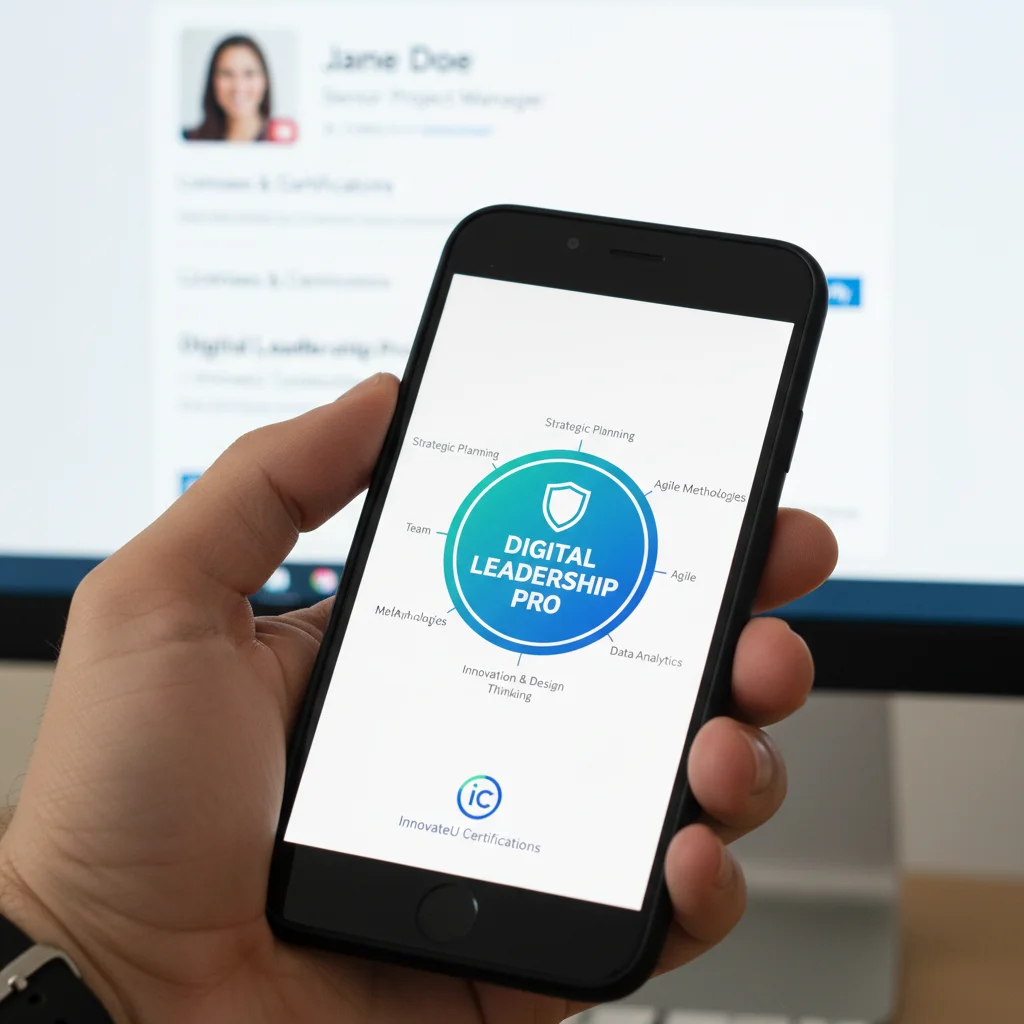
- For Professionals: This update is a game-changer for career planning and advancement. When digital badges are mapped to national skill frameworks (e.g., those developed by the Department of Labor or specific industry bodies), they provide a clear roadmap for acquiring in-demand skills. You can identify the specific badges that align with career progression in your chosen field, making your professional development efforts more strategic and impactful. It means that earning a particular digital badge is not just about personal achievement, but about gaining a recognized currency within a larger, structured workforce ecosystem. This provides a direct link between your learning efforts and tangible career opportunities, enhancing your employability and potential for upward mobility.
- For Educators and Training Providers: This presents a significant opportunity to align curricula and training programs directly with industry needs. By issuing badges that are explicitly linked to national skill frameworks, providers can demonstrate the relevance and value of their offerings to both learners and employers. It also facilitates partnerships with industry, as providers can directly address specific skill shortages identified through these frameworks. This alignment strengthens the credibility of their programs and attracts learners seeking clear career advantages.
- For Employers: The integration with national frameworks makes it easier to identify candidates who possess the exact skills required for specific roles. Employers can use these frameworks as a blueprint for talent acquisition and internal upskilling initiatives, ensuring that their workforce has the competencies needed to meet strategic objectives. It also helps in standardizing job descriptions and performance evaluations around verifiable skill sets, leading to more objective and data-driven talent management.
This convergence of digital badges with national skill strategies signifies a move towards a more responsive and agile workforce development system, one that can quickly adapt to economic shifts and technological advancements. It underscores the growing recognition of digital badges as vital instruments for economic competitiveness and individual empowerment.
Update 3: Enhanced Data Analytics and AI-Driven Skill Matching
The third crucial element in the latest digital badging updates is the advancement in data analytics and the increasing use of AI for skill matching. As more digital badges are issued and shared, the sheer volume of skill data becomes a rich resource. Platforms and employers are leveraging sophisticated analytics and artificial intelligence to extract insights from this data, leading to more personalized learning pathways and more precise talent matching.
What This Means for You:
- For Professionals: This is perhaps one of the most exciting developments for individual career growth. AI-driven platforms can analyze your earned digital badges, compare them against current job market demands, and suggest personalized learning recommendations to fill skill gaps. Imagine a system that not only tells you what skills you have but also what skills you need to acquire for your desired next role, and then points you to the specific digital badges that will help you get there. This hyper-personalized guidance can significantly accelerate your career progression and make your professional development efforts far more efficient. It also means that when you apply for a job, AI algorithms can more accurately match your granular skills (as represented by your badges) to the specific requirements of a role, potentially increasing your visibility to recruiters.
- For Educators and Training Providers: Data analytics provides invaluable insights into the effectiveness of their programs and the relevance of the skills they are teaching. By tracking which badges are most in-demand, which lead to employment, and where learners are struggling, providers can continuously refine their offerings. AI can also help in designing more adaptive learning experiences, tailoring content and assessment to individual learner needs based on their badge profiles. This leads to more effective and impactful educational outcomes.
- For Employers: AI-driven skill matching revolutionizes talent acquisition and internal mobility. Employers can use these tools to identify candidates with precise skill sets for open positions, reducing time-to-hire and improving the quality of hires. Furthermore, for existing employees, AI can identify skill gaps within teams or across the organization and recommend targeted digital badging programs for upskilling and reskilling. This proactive approach to talent development ensures a future-ready workforce and maximizes human capital investment.
The combination of robust data and intelligent algorithms is transforming digital badges from simple credentials into powerful tools for predictive analytics and personalized development. This shift underscores the increasing sophistication of the digital badging ecosystem and its potential to profoundly impact how careers are built and managed in the 21st century.
The Broader Impact of Digital Badging Updates on Career Growth
These three significant digital badging updates – enhanced standardization, integration with national frameworks, and AI-driven analytics – are collectively reshaping the landscape of career growth in the U.S. They are fostering an environment where skills are more visible, verifiable, and valuable than ever before. For individuals, this means a greater ability to articulate their competencies, navigate complex career paths, and adapt to evolving job market demands. For organizations, it translates into more efficient talent management, a clearer understanding of workforce capabilities, and the ability to build more agile and responsive teams.
Empowering the Individual Professional
For the individual professional, the implications of these digital badging updates are profound. Digital badges empower you to take greater control over your professional narrative. Instead of relying solely on a degree or a generic job title, you can now meticulously curate a portfolio of verifiable skills that directly address the needs of modern employers. This level of granularity and transparency allows you to:
- Demonstrate Niche Expertise: Showcase highly specific skills that might not be evident from a traditional resume.
- Bridge Skill Gaps: Identify and acquire in-demand skills through targeted learning, making you more competitive.
- Accelerate Career Transitions: Easily pivot to new roles or industries by highlighting transferable skills.
- Gain Recognition for Informal Learning: Validate skills acquired through self-study, volunteer work, or on-the-job experience.
- Enhance Personal Branding: Build a compelling professional profile that clearly communicates your capabilities.
The ability to present a dynamic, skill-based profile is becoming a significant differentiator in a crowded job market. As employers increasingly look for specific competencies, digital badges provide the evidence they need to make informed hiring and promotion decisions.
Transforming Education and Training
Educational institutions and corporate training departments are also undergoing a significant transformation due to these digital badging updates. The focus is shifting from simply awarding degrees to demonstrating measurable learning outcomes. This encourages providers to:
- Design Skill-Centric Curricula: Develop programs that are explicitly designed to teach and assess specific, in-demand skills.
- Offer Flexible Learning Pathways: Provide modular learning opportunities that allow individuals to earn badges as they acquire skills, rather than committing to long-term programs.
- Strengthen Industry Partnerships: Collaborate more closely with employers to ensure that the skills taught are directly relevant to workforce needs.
- Improve Accountability: Use data from badge issuance and uptake to measure the effectiveness and impact of their educational offerings.
This evolution ensures that education remains relevant and responsive to the rapidly changing demands of the economy, providing learners with credentials that have immediate and demonstrable value.
Optimizing Talent Management for Employers
For employers, the evolving digital badging landscape offers powerful tools to optimize talent management strategies. These digital badging updates enable organizations to:
- Streamline Recruitment: More accurately identify candidates with the precise skills needed for specific roles, reducing hiring bias and improving fit.
- Enhance Internal Mobility: Identify existing employees with the skills for new opportunities, fostering internal growth and reducing external recruitment costs.
- Personalize Professional Development: Design targeted upskilling and reskilling programs based on individual and organizational skill gaps, ensuring a future-ready workforce.
- Improve Performance Management: Link skill acquisition directly to performance metrics, creating a clearer path for employee development and recognition.
- Build a Culture of Continuous Learning: Encourage employees to continuously acquire new skills and validate them through digital badges, promoting a dynamic and adaptive workforce.
By embracing digital badges, employers can build a more transparent, efficient, and skill-centric approach to managing their most valuable asset: their people.
Challenges and Future Outlook for Digital Badging Updates
While the trajectory for digital badges in the U.S. is overwhelmingly positive, there are still challenges to address. Widespread adoption requires continued efforts in educating employers and individuals about the value and verifiability of these credentials. Ensuring equity in access to badging opportunities and preventing a ‘digital divide’ in skill recognition will also be crucial. Furthermore, maintaining the integrity and security of the badging ecosystem against potential fraud will always be an ongoing concern, necessitating continuous technological advancements and robust verification processes.
Looking ahead, we can anticipate even more sophisticated digital badging updates. The integration of blockchain technology for immutable credentialing, further personalization of learning pathways through AI, and the expansion of digital badges into new sectors and roles are all on the horizon. The vision is a future where an individual’s skills are not just listed on a resume but are dynamically represented by a verifiable, portable, and comprehensive digital skill profile.
The role of digital badges in shaping the future of work and learning cannot be overstated. They are not merely an alternative to traditional credentials; they are a fundamental shift in how we understand, value, and communicate human capabilities. As these three recent updates demonstrate, the U.S. digital badging landscape is evolving rapidly, offering unprecedented opportunities for career growth and professional recognition.
Conclusion: Seizing the Opportunity in the Evolving Digital Badging Landscape
The recent digital badging updates in the U.S. mark a significant turning point in the world of professional development and skill validation. From enhanced standardization that ensures broader recognition to the strategic integration with national skill frameworks and the powerful insights offered by AI-driven analytics, these developments are creating a more transparent, efficient, and equitable system for recognizing and leveraging human potential. For professionals, this means a clearer path to demonstrating expertise, filling skill gaps, and accelerating career growth in an increasingly skill-centric economy. For educators, it offers an opportunity to align learning outcomes directly with workforce needs, ensuring greater relevance and impact. And for employers, it provides tools for more precise talent acquisition, strategic workforce planning, and a future-ready workforce.
Embracing these changes is not just about keeping up with trends; it’s about strategically positioning yourself or your organization for success in the future of work. As digital badges continue to gain traction and evolve, they will undoubtedly play an even more central role in defining career pathways and fostering continuous learning. By understanding and actively engaging with these digital badging updates, individuals and organizations alike can unlock new opportunities, drive innovation, and thrive in the dynamic digital landscape of the U.S. workforce. The time to invest in understanding and leveraging digital badges for your career growth is now.