Navigating Supply Chain Disruptions: 3 Market Trends Affecting U.S. Manufacturing in 2026

Navigating Supply Chain Disruptions: 3 Market Trends Affecting U.S. Manufacturing in 2026
The global economic landscape is in constant flux, and for U.S. manufacturing, the imperative to build supply chain resilience has never been more critical. As we look towards 2026, a confluence of evolving market dynamics, technological advancements, and geopolitical shifts is poised to redefine how goods are produced, transported, and delivered. Manufacturers who proactively understand and adapt to these trends will not only survive but thrive in an increasingly unpredictable world. This comprehensive analysis delves into three pivotal market trends that will significantly impact U.S. manufacturing supply chains by 2026, offering insights and actionable strategies to foster robust and agile operations.
The past few years have laid bare the vulnerabilities inherent in extended, cost-optimized supply chains. From the initial shocks of the pandemic to ongoing geopolitical tensions and the escalating impacts of climate change, disruptions have become the norm rather than the exception. This has catalyzed a fundamental re-evaluation of supply chain strategies, pushing resilience to the forefront of executive agendas. By 2026, the U.S. manufacturing sector will be operating in an environment where strategic foresight and adaptive capacity are paramount.
Understanding these trends is not merely an academic exercise; it is a strategic imperative for every U.S. manufacturer, regardless of size or sector. The ability to anticipate, mitigate, and respond to disruptions will be a key differentiator, influencing competitive advantage, profitability, and long-term sustainability. This article will unpack each trend, exploring its implications and providing practical guidance on how to strengthen your supply chain resilience.
Trend 1: Hyper-Localization and Regionalization of Supply Chains
One of the most profound shifts anticipated by 2026 is the acceleration of hyper-localization and regionalization in manufacturing supply chains. The drive to reduce reliance on distant, single-source suppliers and to mitigate geopolitical risks is compelling companies to bring production closer to home or within friendly allied regions. This trend is a direct response to the fragility exposed by global events and the desire for greater control over the entire supply chain.
The Drivers Behind Localization
- Risk Mitigation: Diversifying supplier bases and shortening supply routes reduces exposure to geopolitical instability, natural disasters, and trade disputes. Manufacturers are seeking to build supply chain resilience by minimizing single points of failure.
- Faster Time-to-Market: Localized production can significantly cut lead times, allowing companies to respond more quickly to market demands and consumer preferences. This agility is a competitive advantage in fast-paced industries.
- Reduced Transportation Costs and Carbon Footprint: Shorter distances equate to lower shipping costs and a smaller environmental impact, aligning with increasing consumer and regulatory pressure for sustainable practices.
- Government Incentives and National Security: Governments, particularly in the U.S., are actively promoting domestic manufacturing through incentives, subsidies, and ‘Buy American’ policies, viewing a robust domestic industrial base as critical for national security and economic stability.
- Improved Quality Control: Proximity to suppliers and manufacturing sites allows for more direct oversight of production processes and quality standards, leading to higher product quality and fewer defects.
Implications for U.S. Manufacturers
For U.S. manufacturers, this trend presents both opportunities and challenges. On one hand, it could lead to a resurgence of domestic manufacturing, creating jobs and fostering innovation. On the other hand, it necessitates significant investment in new facilities, technologies, and skilled labor. Companies will need to carefully evaluate the economics of reshoring or nearshoring, considering factors like labor costs, regulatory environments, and access to raw materials.
To capitalize on this trend, manufacturers should:
- Conduct a thorough supply chain audit: Identify critical components and raw materials, assess their current sourcing locations, and evaluate the risks associated with each.
- Explore nearshoring and reshoring options: Investigate the feasibility of moving production closer to the U.S. or to allied countries within North America. This might involve partnerships with domestic suppliers or establishing new production lines.
- Build regional supplier networks: Develop relationships with a diverse range of suppliers within proximity to reduce dependence on any single source and enhance supply chain resilience.
- Leverage automation and advanced manufacturing: To offset potentially higher labor costs in localized production, invest in robotics, automation, and advanced manufacturing techniques to improve efficiency and productivity.
Trend 2: Digital Transformation and Data-Driven Supply Chain Management
The second major trend is the accelerating digital transformation of supply chains, driven by the proliferation of advanced technologies and the imperative for data-driven decision-making. By 2026, manufacturers will increasingly rely on sophisticated digital tools to gain end-to-end visibility, optimize operations, and predict disruptions before they occur. This technological evolution is fundamental to building robust supply chain resilience.
Key Technologies Driving Transformation
- Artificial Intelligence (AI) and Machine Learning (ML): AI and ML algorithms are revolutionizing demand forecasting, inventory management, and predictive maintenance. They can analyze vast datasets to identify patterns, anticipate fluctuations, and recommend optimal strategies, significantly enhancing efficiency and reducing waste.
- Internet of Things (IoT): IoT sensors embedded in products, machinery, and logistics assets provide real-time data on location, condition, and performance. This visibility allows for proactive monitoring, rapid problem-solving, and improved asset utilization.
- Blockchain: While still in nascent stages for widespread adoption, blockchain technology offers the potential for unparalleled transparency and traceability across the supply chain. It can secure transactions, verify product authenticity, and streamline regulatory compliance, building trust and accountability.
- Digital Twins: Creating virtual replicas of physical supply chain components (factories, warehouses, logistics routes) allows manufacturers to simulate various scenarios, test changes, and optimize processes in a risk-free environment. This capability is invaluable for enhancing supply chain resilience.
- Cloud Computing: Cloud platforms provide the scalable infrastructure needed to store and process the massive amounts of data generated by these technologies, enabling collaborative tools and remote access to critical information.
Benefits of Data-Driven Supply Chains
The adoption of these technologies offers numerous benefits:
- Enhanced Visibility: Real-time tracking of goods, materials, and production processes provides a complete picture of the supply chain, enabling quicker identification of bottlenecks and disruptions.
- Optimized Decision-Making: Data analytics and AI-powered insights empower manufacturers to make more informed decisions regarding sourcing, production scheduling, inventory levels, and logistics.
- Predictive Capabilities: Advanced analytics can forecast demand fluctuations, predict equipment failures, and anticipate potential supply shortages, allowing for proactive intervention.
- Increased Efficiency and Cost Savings: Automation, optimized routing, and reduced waste lead to significant operational efficiencies and cost reductions.
- Greater Agility: The ability to quickly adapt to changing market conditions and unforeseen events is a hallmark of a digitally transformed supply chain.
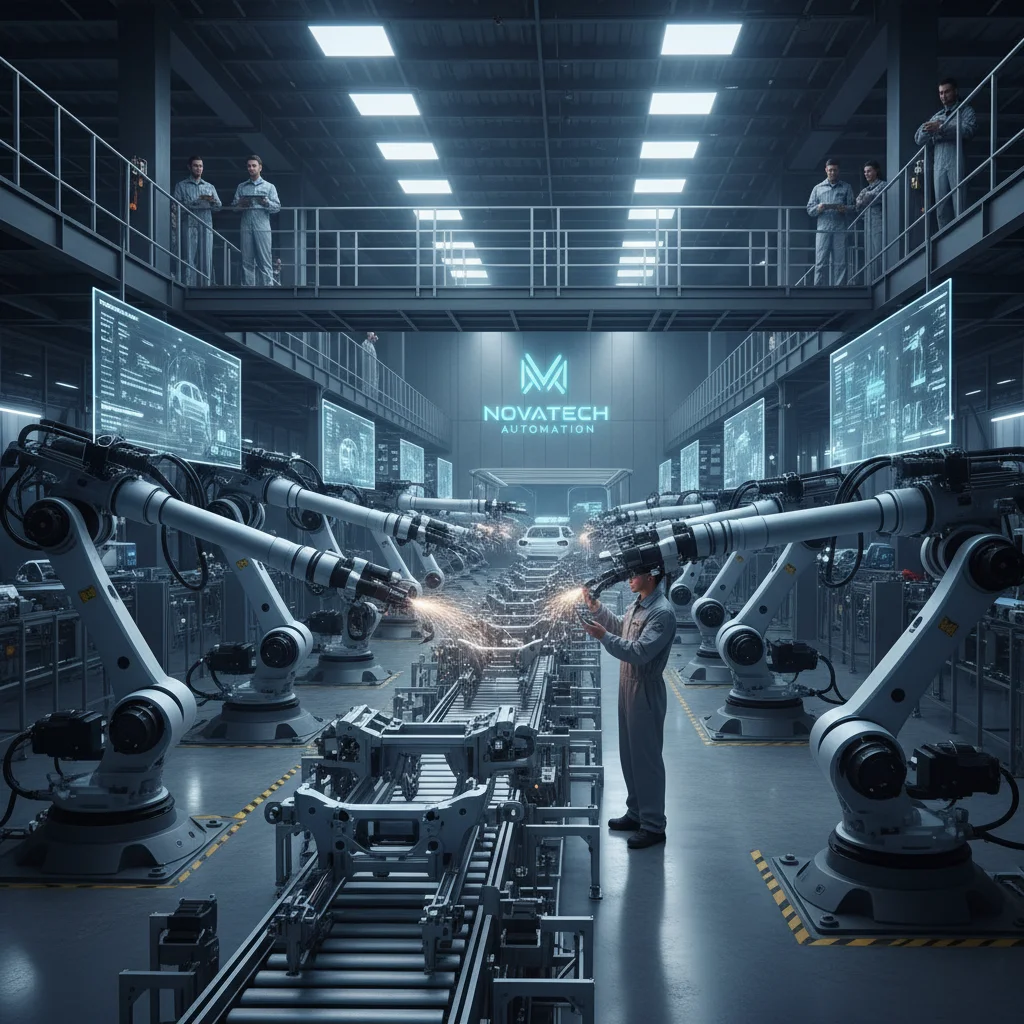
Manufacturers must invest in the right digital infrastructure and cultivate a data-driven culture. This includes training employees, integrating disparate systems, and partnering with technology providers. The goal is not just to collect data, but to transform it into actionable intelligence that strengthens supply chain resilience.
Trend 3: Geopolitical Volatility and ESG Imperatives
The third significant trend impacting U.S. manufacturing supply chains by 2026 is the persistent geopolitical volatility coupled with the increasing importance of Environmental, Social, and Governance (ESG) factors. These forces are intertwined, as geopolitical events often highlight social and environmental vulnerabilities, while ESG considerations increasingly influence investment decisions, consumer preferences, and regulatory frameworks.
Geopolitical Landscape
- Trade Wars and Protectionism: Ongoing trade tensions and the rise of protectionist policies can lead to tariffs, quotas, and restrictions on the movement of goods and technologies, forcing manufacturers to re-evaluate sourcing strategies.
- Political Instability and Conflict: Regional conflicts and political unrest can disrupt transportation routes, halt production, and impact the availability of critical raw materials, posing direct threats to supply chain resilience.
- Cybersecurity Threats: State-sponsored cyberattacks targeting critical infrastructure, including manufacturing and logistics networks, are a growing concern, capable of causing widespread disruptions.
- Resource Nationalism: Countries may impose restrictions on the export of vital raw materials, such as rare earth elements or critical minerals, to protect their domestic industries or leverage their geopolitical influence.
ESG Imperatives
- Climate Change and Sustainability: Increasing pressure from consumers, investors, and regulators demands that manufacturers adopt more sustainable practices, reduce their carbon footprint, and ensure ethical sourcing. This includes evaluating the environmental impact of their entire supply chain, from raw material extraction to end-of-life product management.
- Ethical Sourcing and Labor Practices: Scrutiny over forced labor, unfair wages, and unsafe working conditions in global supply chains is intensifying. Companies are expected to demonstrate transparency and accountability in their sourcing practices.
- Circular Economy Principles: The shift towards a circular economy, emphasizing waste reduction, recycling, and product longevity, requires manufacturers to redesign products and processes, impacting material choices and supply chain configurations.
- Diversity, Equity, and Inclusion (DEI): ESG also encompasses social aspects, with companies expected to promote DEI within their own operations and across their supply networks.
Navigating the Combined Impact
The convergence of geopolitical volatility and ESG imperatives creates a complex operating environment. Manufacturers must not only de-risk their supply chains from political disruptions but also ensure their operations align with evolving ethical and environmental standards. This requires a holistic approach to supply chain resilience.
Key strategies include:
- Diversifying Geopolitical Risk: Beyond geographic localization, diversify sourcing across politically stable regions and establish contingency plans for potential disruptions in high-risk areas.
- Supply Chain Mapping and Transparency: Gain deep visibility into your entire supply chain, identifying all tiers of suppliers and their locations to assess both geopolitical and ESG risks.
- Robust Cybersecurity Measures: Implement advanced cybersecurity protocols to protect against attacks that could cripple operations or compromise sensitive data.
- Sustainable Sourcing and Production: Prioritize suppliers with strong ESG credentials and invest in sustainable manufacturing processes, including renewable energy, waste reduction, and water conservation.
- Ethical Audits and Compliance: Regularly audit suppliers for labor practices, environmental compliance, and ethical conduct to ensure alignment with corporate values and regulatory requirements.
- Stakeholder Engagement: Engage proactively with customers, investors, employees, and local communities on ESG issues, demonstrating commitment to responsible business practices.

Building Enduring Supply Chain Resilience: A Holistic Approach
The three market trends discussed—hyper-localization, digital transformation, and geopolitical/ESG pressures—are not isolated phenomena. They interact and influence each other, creating a dynamic and challenging environment for U.S. manufacturing. Successfully navigating this landscape by 2026 demands a holistic and integrated approach to building supply chain resilience.
Key Pillars of a Resilient Supply Chain
- Strategic Redundancy: While cost-cutting often favored single-sourcing, resilience demands strategic redundancy. This means having multiple suppliers for critical components, alternative production facilities, and diversified logistics routes. The cost of maintaining some redundancy is increasingly viewed as an investment in business continuity.
- Agile and Flexible Operations: The ability to quickly pivot in response to disruptions is paramount. This involves flexible manufacturing processes, modular product designs, and adaptable logistics networks. An agile supply chain can reconfigure itself rapidly to meet changing demands or overcome unforeseen obstacles.
- Collaborative Ecosystems: No single company can achieve true resilience in isolation. Manufacturers must foster strong, collaborative relationships with key suppliers, logistics partners, and even competitors. Information sharing, joint planning, and shared risk can significantly enhance collective supply chain resilience.
- Talent and Skills Development: The evolving supply chain landscape requires a workforce with new skills, particularly in data analytics, digital technologies, and risk management. Investing in training and upskilling programs is crucial for future success.
- Scenario Planning and Stress Testing: Proactively simulate various disruption scenarios (e.g., natural disasters, cyberattacks, geopolitical conflicts) and stress test your supply chain’s response capabilities. This helps identify vulnerabilities and refine contingency plans before a real crisis hits.
- Continuous Improvement and Learning: Resilience is not a static state but an ongoing journey. Manufacturers must cultivate a culture of continuous learning, regularly reviewing their supply chain performance, adapting strategies, and integrating lessons learned from past disruptions.
The goal is to move beyond simply reacting to disruptions towards building a proactive, anticipatory supply chain that can absorb shocks and adapt with minimal impact. This shift requires a fundamental change in mindset, from optimizing solely for cost efficiency to prioritizing robustness and adaptability.
The Path Forward for U.S. Manufacturing
As U.S. manufacturing heads towards 2026, the imperative to build robust supply chain resilience will only intensify. The trends of hyper-localization, digital transformation, and the interplay of geopolitical volatility with ESG demands are shaping a new paradigm for global commerce. Manufacturers who embrace these changes, invest strategically in technology and talent, and cultivate a culture of adaptability will be well-positioned for sustained growth and competitive advantage.
The journey to enhanced supply chain resilience is complex, but the rewards are substantial: reduced risk, improved efficiency, greater customer satisfaction, and a more sustainable and ethical operation. By understanding these critical market trends and implementing the strategies outlined, U.S. manufacturers can transform challenges into opportunities, securing their future in a rapidly evolving global economy.
The time for action is now. Proactive engagement with these trends will differentiate industry leaders from those who merely react. Building supply chain resilience is not just about weathering the next storm; it’s about building a stronger, more agile, and more sustainable foundation for the decades to come.
Consider your current supply chain: How exposed are you to geopolitical risks? Are you leveraging data effectively? What steps are you taking towards greater localization? Answering these questions honestly is the first step towards building the resilient supply chain your business needs for 2026 and beyond.