
Comparing Growth Resource Models: Which Offers the Best Value for US Professional Development in 2026?
In the rapidly evolving landscape of the modern workforce, continuous professional development is not merely a perk but a strategic imperative. As we look towards 2026, US organizations face the critical challenge of identifying and investing in growth resource models that not only enhance employee capabilities but also deliver tangible value and a strong return on investment (ROI). The options are myriad, ranging from traditional classroom settings to cutting-edge AI-driven platforms, each with its own set of advantages and considerations. Understanding the nuances of these professional development models is crucial for making informed decisions that will shape the future competency and competitiveness of your workforce.
The quest for the ‘best value’ in professional development is multifaceted. It’s not solely about cost; it encompasses the effectiveness of learning outcomes, scalability, adaptability to diverse learning styles, and the ability to align with overarching business objectives. This comprehensive guide will delve into the prominent growth resource models available in the US market, offering a detailed comparison to help organizations navigate this complex terrain. We will explore the characteristics, benefits, and potential drawbacks of each model, providing insights into how to assess their suitability for your specific organizational context and strategic goals. By the end of this article, you will be equipped with the knowledge to discern which professional development model truly offers the optimal value for your investment in 2026 and beyond.
The Shifting Paradigm of Professional Development Models
The concept of professional development has undergone a significant transformation. What was once primarily confined to periodic workshops and conferences has blossomed into a continuous, integrated process. This shift is driven by several factors, including rapid technological advancements, the demand for new skills, and the increasing recognition of human capital as a primary competitive advantage. Organizations are moving away from one-size-fits-all training to more personalized, flexible, and data-driven approaches. The emphasis is now on fostering a culture of lifelong learning, where employees are empowered to take ownership of their growth and development.
In 2026, organizations will continue to grapple with the need for agile learning solutions that can adapt to fast-changing market demands. The hybrid work model, which has become a staple for many, further complicates the delivery of effective professional development. This necessitates a careful evaluation of how different growth resource models can cater to both in-person and remote learners, ensuring equitable access and engagement. Furthermore, the rising cost of traditional training methods compels businesses to seek more efficient and impactful alternatives. Therefore, understanding the various professional development models available is paramount for strategic workforce planning.
Traditional Classroom-Based Training: A Foundation Still Relevant?
Despite the proliferation of digital learning, traditional classroom-based training still holds a place in many organizations’ professional development strategies. This model typically involves an instructor-led session in a physical location, offering direct interaction, immediate feedback, and a structured learning environment. For certain types of training, such as highly specialized technical skills or leadership development requiring intensive group dynamics, this model can be highly effective. The ability to engage in face-to-face discussions, role-playing, and networking can foster deeper understanding and stronger interpersonal connections.
However, the value proposition of classroom training must be carefully weighed against its limitations. It can be costly due to venue hire, instructor fees, travel, and accommodation expenses. Its scalability is often restricted, and scheduling can be a significant logistical challenge, especially for large, geographically dispersed teams. The pace of learning is typically standardized, which may not cater to individual learning speeds or preferences. For 2026, while not entirely obsolete, organizations will likely view traditional classroom training as a supplementary or highly targeted component of their broader professional development models, rather than a standalone solution. Its value is often maximized when integrated into a blended learning approach, complementing digital resources.
Online Learning Platforms (LMS/LXP): The Digital Frontier
Online learning platforms, including Learning Management Systems (LMS) and Learning Experience Platforms (LXP), have become cornerstones of modern professional development. These platforms offer unparalleled flexibility, scalability, and accessibility. Employees can access a vast library of courses, modules, and resources at their own pace, from anywhere with an internet connection. This model significantly reduces logistical overheads and allows for continuous learning, making it a highly cost-effective solution for widespread training initiatives.
LMS platforms typically focus on delivering and tracking formal learning content, while LXPs emphasize personalized learning paths, content curation, and a more engaging user experience. The best value in this category often comes from platforms that offer a rich variety of content, robust analytics for tracking progress and identifying skill gaps, and features that promote social learning and collaboration. For 2026, the evolution of these platforms will likely see greater integration of AI for personalized recommendations, adaptive learning paths, and more sophisticated reporting. The key to maximizing value here lies in selecting a platform that aligns with your organizational culture, technical infrastructure, and the specific learning objectives of your workforce. The sheer volume of available content can also be a challenge, requiring careful curation to ensure relevance and quality.
Blended Learning Approaches: The Best of Both Worlds?
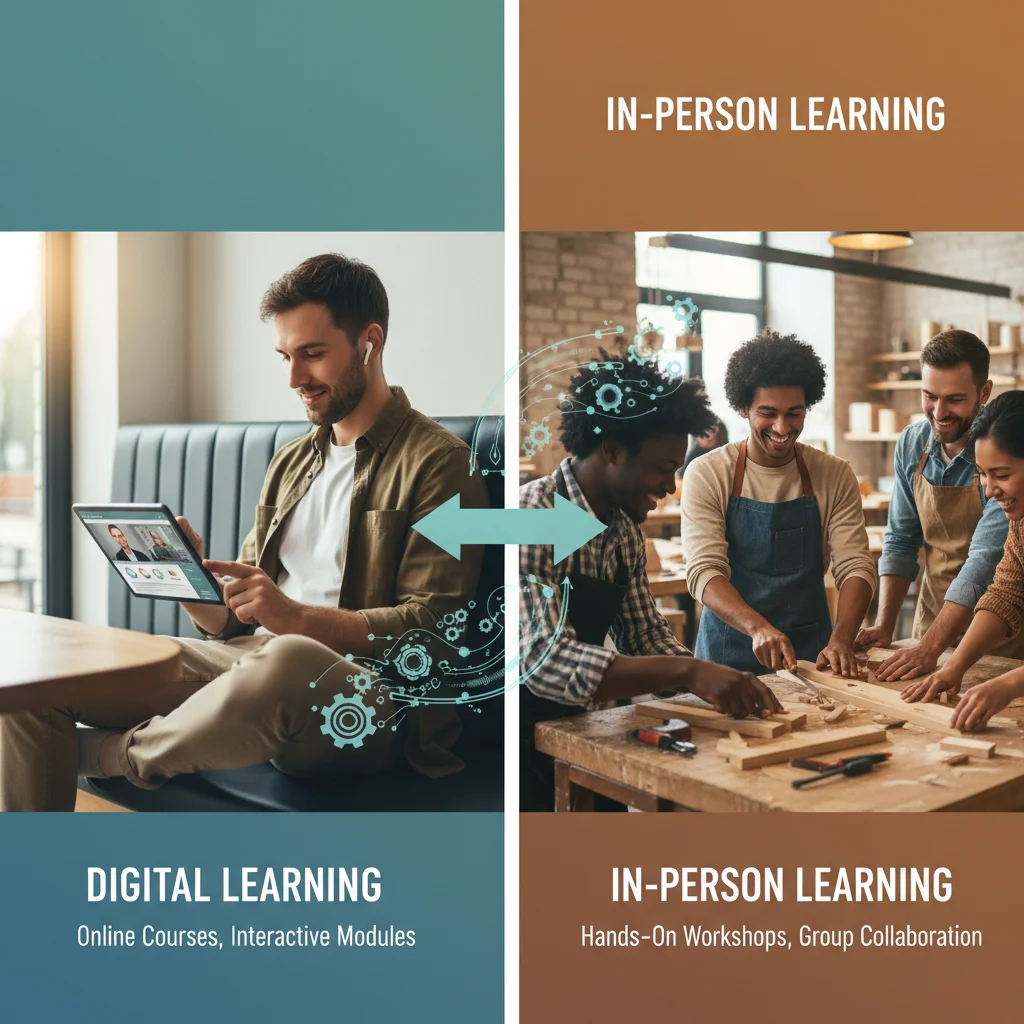
Blended learning combines elements of both traditional classroom instruction and online learning, aiming to leverage the strengths of each. This professional development model might involve online modules for foundational knowledge, followed by in-person workshops for practical application, discussion, and skill refinement. The flexibility of online components can address scalability and accessibility issues, while the in-person sessions provide opportunities for deeper engagement, personalized feedback, and networking that digital platforms sometimes struggle to replicate.
The value proposition of blended learning is strong for 2026, as it caters to diverse learning preferences and optimizes resource allocation. It allows organizations to deliver core content efficiently online, reserving valuable instructor-led time for more complex topics, problem-solving, and team-building activities. However, successful implementation requires careful instructional design to ensure seamless integration between online and offline components. Poorly designed blended programs can feel disjointed and less effective than either pure online or pure in-person training. When executed well, this model can offer a superior learning experience and a highly competitive ROI, making it a frontrunner for organizations seeking comprehensive and adaptable professional development models.
Experiential Learning and On-the-Job Training (OJT): Learning by Doing
Experiential learning, including robust on-the-job training (OJT) programs, focuses on learning through direct experience and reflection. This professional development model is particularly effective for developing practical skills, critical thinking, and problem-solving abilities. It can take many forms, such as apprenticeships, internships, job rotations, mentorship programs, simulations, and project-based learning. The immediate application of knowledge in a real-world context often leads to deeper retention and more relevant skill acquisition.
The value of OJT is often high because it directly impacts productivity and performance. Employees learn relevant skills in their actual work environment, reducing the gap between theory and practice. Mentorship programs, in particular, offer invaluable guidance and knowledge transfer from experienced employees to newer ones, fostering a culture of continuous learning and internal talent development. For 2026, as the demand for specialized skills continues to grow, experiential learning will become even more critical. Organizations can maximize its value by implementing structured OJT programs, providing clear learning objectives, and ensuring adequate support and feedback mechanisms. The challenge lies in dedicating resources and time for experienced employees to mentor and guide, without compromising their primary responsibilities.
Microlearning and Nanolearning: Bite-Sized Professional Development
Microlearning involves delivering content in small, digestible chunks (typically 2-10 minutes long), often in multimedia formats like short videos, infographics, or interactive quizzes. Nanolearning takes this a step further, with content lasting less than two minutes. These professional development models are designed to fit into busy schedules, address specific skill gaps quickly, and provide just-in-time learning. They are highly effective for reinforcing concepts, introducing new tools, or providing quick refreshers on procedures.
The appeal of microlearning and nanolearning for 2026 is their efficiency and engagement. They cater to shorter attention spans and the need for immediate knowledge application. Organizations can leverage these models to keep employees updated on new regulations, software features, or industry best practices without requiring significant time commitments. The value here comes from their high accessibility, ease of consumption, and the ability to target very specific learning needs. However, they are generally not suitable for complex topics requiring deep conceptual understanding or extensive skill practice. They work best as supplementary tools within a broader learning ecosystem, complementing more comprehensive professional development models.
AI-Powered and Adaptive Learning: The Future is Now
AI-powered and adaptive learning platforms represent the cutting edge of professional development models. These systems use artificial intelligence to analyze a learner’s progress, preferences, and performance data to create highly personalized and dynamic learning paths. They can identify knowledge gaps, recommend relevant content, adjust the difficulty of exercises, and provide tailored feedback in real-time. This level of personalization ensures that learners are always challenged appropriately and focus on areas where they need the most improvement, optimizing learning efficiency.
For 2026, the adoption of AI in professional development is expected to accelerate dramatically. The value derived from these models is immense: increased engagement, faster skill acquisition, and a highly optimized learning experience that adapts to each individual. This can lead to significant improvements in employee performance and a stronger ROI on training investments. However, implementing AI-powered solutions often requires a substantial initial investment in technology and data infrastructure. Organizations must also consider data privacy concerns and ensure that the AI tools are ethically designed and transparent in their operation. Despite these challenges, adaptive learning is poised to become a dominant force among professional development models, offering unparalleled customization and effectiveness.
Subscription-Based Content Libraries: On-Demand Knowledge
Subscription-based content libraries, such as LinkedIn Learning, Coursera for Business, and Udemy Business, offer organizations access to vast collections of online courses, tutorials, and certifications. This professional development model provides employees with on-demand access to expert-led content across a wide range of subjects, from technical skills to soft skills and leadership development. The subscription model typically involves a fixed annual or monthly fee, making budgeting predictable.
The primary value of these platforms for 2026 lies in their breadth of content and cost-effectiveness for providing widespread access to learning resources. They empower employees to pursue self-directed learning based on their interests and career goals, fostering a culture of continuous improvement. This model is particularly beneficial for organizations with diverse learning needs and those looking to offer a wide array of options without developing all content in-house. However, the sheer volume of content can sometimes be overwhelming, and ensuring completion rates and direct applicability to specific job roles can be a challenge. Organizations often find the best value by curating relevant courses from these libraries and integrating them into structured learning paths.
Consulting and Coaching Services: Personalized Expertise
For highly specialized needs or executive development, consulting and coaching services offer a bespoke professional development model. This involves engaging external experts or internal coaches to provide individualized guidance, mentorship, and training. Coaching can focus on leadership skills, strategic thinking, conflict resolution, or specific technical competencies. Consultants might be brought in for project-based learning or to address systemic organizational challenges requiring expert intervention.
The value of this model for 2026 is its personalized nature and the depth of expertise it provides. It’s particularly effective for high-potential employees, senior leadership, or addressing critical skill gaps within a small group. While typically the most expensive of the professional development models per individual, the ROI can be substantial when targeting key roles or strategic initiatives. The challenge lies in selecting the right coach or consultant and clearly defining objectives to ensure measurable outcomes. This model often complements broader training programs, providing targeted support where general solutions are insufficient.
Measuring Value and ROI in Professional Development Models
Regardless of the professional development model chosen, measuring its value and return on investment is paramount. In 2026, organizations must move beyond simple completion rates and focus on tangible business outcomes. Key metrics to consider include:
- Skill Acquisition and Application: Are employees gaining the intended skills, and are they applying them effectively in their roles?
- Performance Improvement: Is there a measurable improvement in individual or team performance post-training?
- Employee Engagement and Retention: Do professional development opportunities contribute to higher employee satisfaction and lower turnover?
- Productivity and Efficiency Gains: Are trained employees more productive or efficient in their tasks?
- Financial Impact: Can the training be directly linked to increased revenue, cost savings, or other financial benefits?
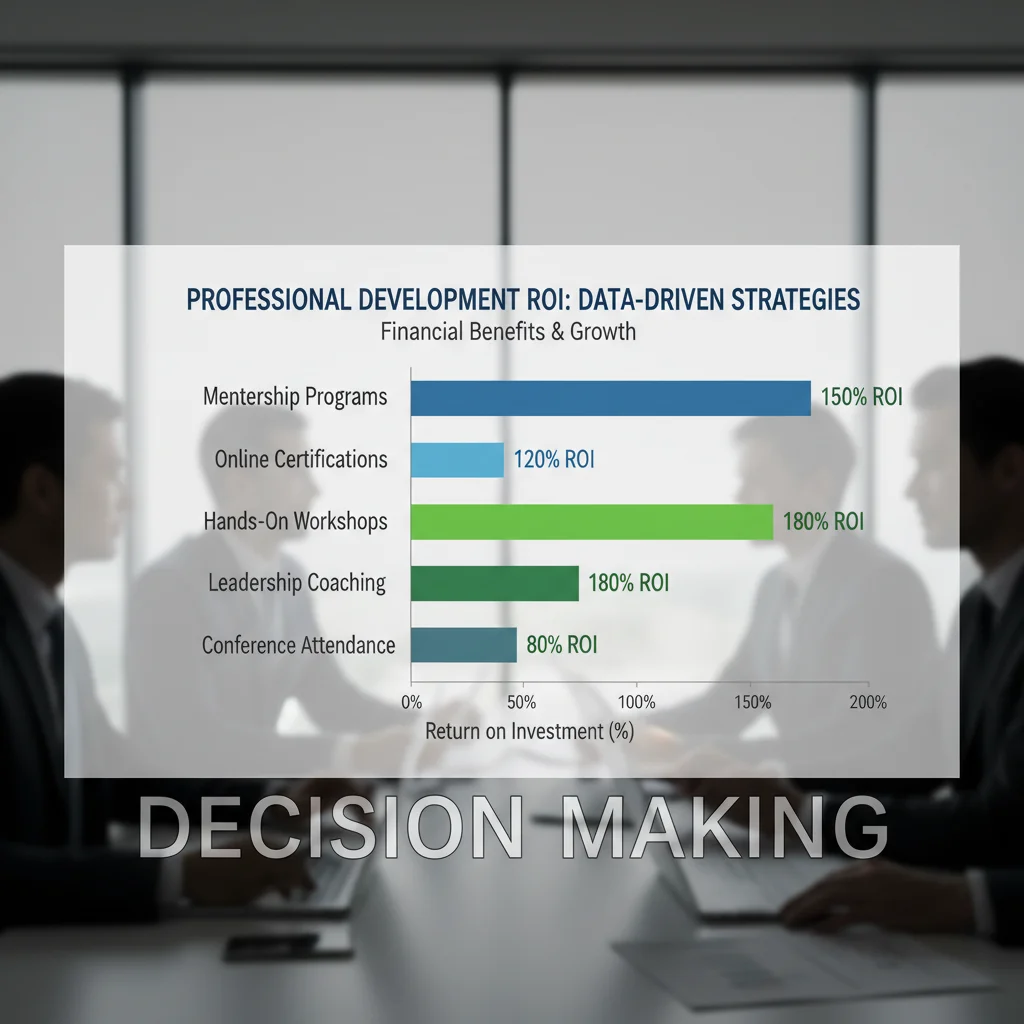
Utilizing pre- and post-assessments, performance reviews, feedback surveys, and business analytics can help quantify the impact of your chosen professional development models. A robust evaluation framework is essential for demonstrating value to stakeholders and optimizing future investments. Without clear metrics, even the most innovative training programs can struggle to justify their existence. Therefore, integrating measurement and evaluation from the outset is a critical component of any successful professional development strategy.
Choosing the Best Value Professional Development Model for 2026
Selecting the ‘best value’ professional development model is not a one-size-fits-all endeavor. It depends heavily on your organization’s specific needs, budget, culture, and strategic objectives. Here’s a framework to guide your decision-making process for 2026:
- Assess Current Skill Gaps and Future Needs: Conduct a thorough needs analysis to identify what skills your workforce currently lacks and what competencies will be critical for future success. This will inform the type of training required.
- Define Learning Objectives: Clearly articulate what you want employees to learn and achieve through the professional development. Specific, measurable, achievable, relevant, and time-bound (SMART) objectives are key.
- Consider Your Workforce Demographics and Learning Preferences: Are your employees digital natives, or do they prefer more traditional methods? Are they geographically dispersed? Understanding these factors will help you choose models that resonate with your team.
- Evaluate Scalability and Accessibility: Can the chosen model effectively reach all employees who need the training? Is it accessible to remote workers and those with varying schedules?
- Analyze Cost vs. Benefit: Beyond the initial financial outlay, consider the potential ROI. Factor in productivity gains, reduced turnover, and improved innovation. A cheaper option might not always be the best value if it delivers poor results.
- Pilot and Iterate: Before a full-scale rollout, consider piloting a chosen model with a smaller group. Gather feedback, measure initial outcomes, and be prepared to iterate and refine your approach.
- Integrate into a Holistic Strategy: The most effective professional development often comes from a blend of models. Create a cohesive strategy that combines different approaches to address various learning needs and maximize overall impact.
For many US organizations in 2026, a blended learning approach, heavily supported by robust online platforms (LMS/LXP) and strategically incorporating microlearning and experiential elements, will likely offer the most comprehensive and high-value solution. AI-powered adaptive learning will increasingly become a differentiator for organizations committed to personalized and efficient skill development.
Conclusion: Investing in Future-Ready Professional Development Models
The landscape of professional development is dynamic, constantly reshaped by technological innovation and evolving workforce demands. For US organizations in 2026, the imperative to invest in effective growth resource models is clearer than ever. The choice of professional development models will directly impact an organization’s ability to attract and retain top talent, foster innovation, and maintain a competitive edge in a global marketplace.
By carefully comparing and evaluating traditional, digital, blended, experiential, and AI-driven approaches, businesses can identify the models that offer the best value – not just in terms of cost, but in their capacity to deliver meaningful learning outcomes, drive performance, and align with strategic objectives. The future of work demands a proactive and adaptable approach to employee growth. By making informed decisions about your professional development models today, you are not just training your employees; you are investing in the long-term success and resilience of your entire organization.
Embrace the challenge, explore the possibilities, and commit to fostering a culture of continuous learning that empowers your workforce to thrive in 2026 and well beyond. The ‘best value’ will ultimately be found in the model or combination of models that most effectively transforms your employees’ potential into tangible organizational success.