The industrial landscape is in a perpetual state of evolution, and as we stand on the cusp of a new technological frontier, the U.S. workforce faces both immense challenges and unprecedented opportunities. The transition from Industry 4.0, characterized by automation and data exchange, to Industry 5.0, which emphasizes human-centricity, sustainability, and resilience, demands a proactive and strategic approach to workforce development. By 2027, the foundational changes brought about by advanced automation and digital transformation will be deeply ingrained in various sectors, making a prepared workforce not just an advantage, but a necessity for national economic resilience and global competitiveness. This article delves into the critical steps and considerations for preparing the U.S. workforce for Industry 5.0.
Understanding Industry 5.0: Beyond Automation
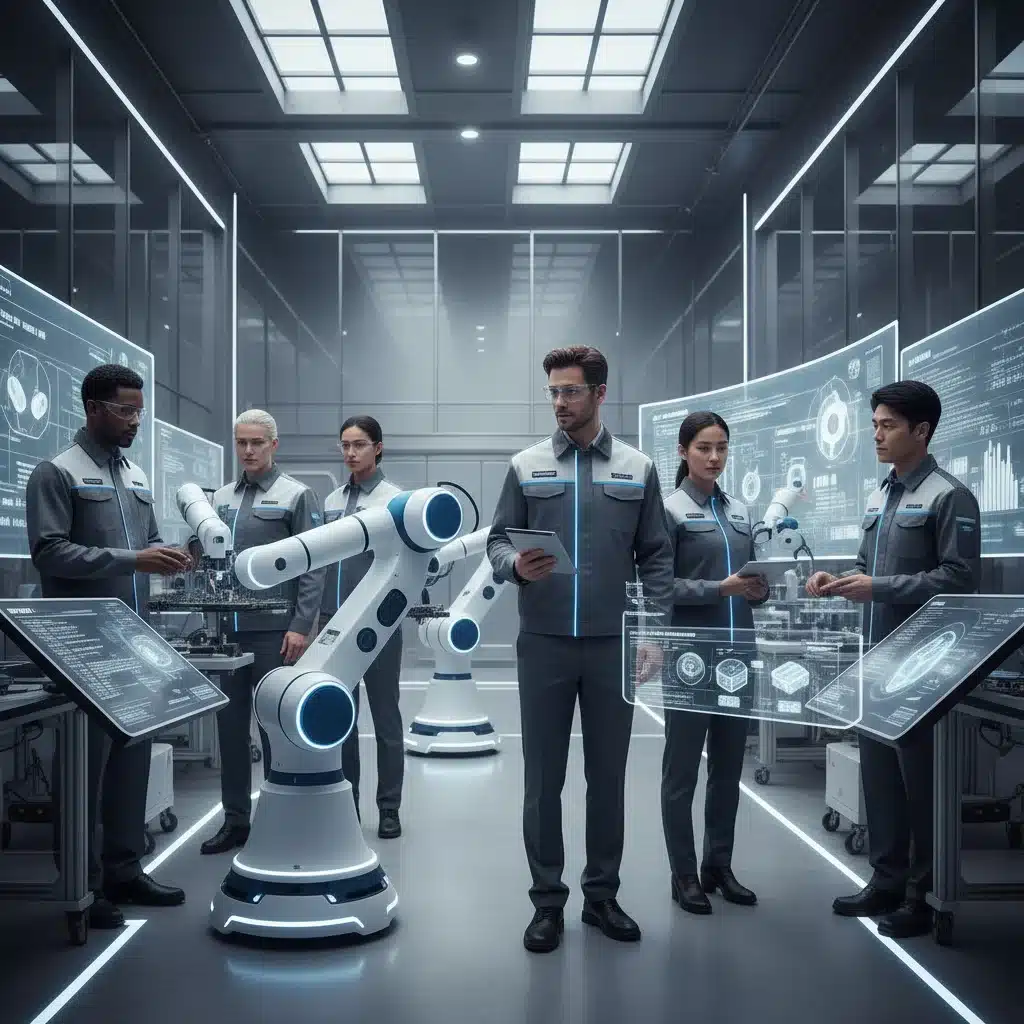
Industry 4.0 brought us smart factories, the Internet of Things (IoT), and artificial intelligence (AI) driving efficiency and productivity. Industry 5.0, however, goes a step further. It envisions a future where humans and machines work in harmony, leveraging advanced technologies not just for profit, but for societal well-being. This paradigm shift places the human at the center of production, fostering collaboration between intelligent machines and skilled workers. It’s about combining the precision and speed of automation with the creativity, critical thinking, and problem-solving abilities unique to humans.
The core tenets of Industry 5.0 include:
- Human-Centricity: Designing technology and work environments that enhance human capabilities and well-being, rather than replacing them. This means focusing on augmented intelligence, where AI assists human decision-making.
- Sustainability: Utilizing advanced technologies to achieve environmental goals, optimize resource consumption, and promote circular economy principles.
- Resilience: Building robust and adaptable production systems capable of withstanding disruptions, whether from supply chain issues, geopolitical events, or natural disasters.
For the U.S. workforce, this means a significant shift in required skills and a re-evaluation of traditional job roles. The emphasis will move from repetitive tasks to those requiring higher cognitive functions, interpersonal skills, and adaptability. Preparing the workforce for Industry 5.0 by 2027 is a monumental task that requires concerted efforts from government, industry, educational institutions, and individuals.
The Current State of the U.S. Workforce and the Gap
While the U.S. has a strong history of innovation, its workforce currently faces several challenges in adapting to the demands of Industry 5.0. A significant skills gap exists, particularly in areas related to advanced digital technologies, data analytics, AI, robotics, and cybersecurity. Many existing educational and training programs are still geared towards Industry 3.0 or 4.0, failing to adequately prepare individuals for the collaborative and human-centric demands of Industry 5.0.
Furthermore, demographic shifts, including an aging workforce and a decline in certain vocational skills, exacerbate the challenge. The rapid pace of technological change often outstrips the ability of traditional educational systems to adapt, leaving a substantial portion of the workforce unprepared for the jobs of tomorrow. This gap, if not addressed effectively by 2027, could lead to significant economic disparities, reduced competitiveness, and social unrest.
Understanding these current limitations is the first step towards formulating effective strategies for workforce Industry 5.0 readiness. The goal is not just to teach new skills, but to foster a culture of continuous learning and adaptability.
Key Pillars for Workforce Industry 5.0 Preparation by 2027
1. Re-skilling and Upskilling Initiatives
The most immediate and critical action is to implement widespread re-skilling and upskilling programs. These initiatives must focus on developing competencies directly relevant to Industry 5.0. This includes:
- Digital Literacy and Advanced Analytics: Proficiency in data interpretation, machine learning basics, and advanced software applications.
- Human-Robot Collaboration (HRC): Training on how to effectively work alongside collaborative robots (cobots), understanding their programming, maintenance, and safety protocols.
- AI Ethics and Responsible AI: As AI becomes more pervasive, understanding its ethical implications, bias detection, and responsible deployment is crucial.
- Cybersecurity: With increased connectivity, cybersecurity skills are paramount to protect critical infrastructure and data.
- Advanced Manufacturing Technologies: Skills in additive manufacturing, digital twins, and virtual reality (VR) for design and simulation.
- Soft Skills Enhancement: Critical thinking, creativity, complex problem-solving, emotional intelligence, and communication will be more valuable than ever in human-centric workplaces.
These programs need to be accessible, affordable, and flexible, catering to diverse learning styles and schedules. They should be offered through various channels, including online platforms, vocational schools, community colleges, and corporate training programs. Government subsidies and incentives for both employers and employees participating in these programs can accelerate adoption.
2. Enhancing Education Systems for the Future
Preparing the next generation for Industry 5.0 requires a fundamental overhaul of existing educational frameworks. This means integrating future-ready skills from K-12 through higher education:
- STEM and STEAM Focus: Strengthening Science, Technology, Engineering, Arts, and Mathematics education with an emphasis on practical application and interdisciplinary learning.
- Curriculum Modernization: Updating curricula to include topics like AI principles, robotics, data science, and digital ethics, not just as standalone subjects but integrated across disciplines.
- Experiential Learning: Promoting internships, apprenticeships, and project-based learning that expose students to real-world Industry 5.0 applications.
- Teacher Training: Equipping educators with the knowledge and tools to teach these evolving subjects effectively.
- Lifelong Learning Culture: Instilling the importance of continuous learning from an early age, preparing individuals for multiple career transitions throughout their lives.
Collaboration between educational institutions and industry is vital to ensure that curricula are aligned with current and future workforce needs. By 2027, we should see a noticeable shift in how education prepares individuals for the dynamic demands of the modern workplace.
3. Fostering Public-Private Partnerships
No single entity can tackle the challenge of workforce Industry 5.0 preparation alone. Robust public-private partnerships are essential. These collaborations can:
- Develop Targeted Training Programs: Companies can provide insights into specific skill requirements, while educational institutions can design and deliver relevant courses.
- Fund Research and Development: Joint investments in R&D can drive innovation and create new job opportunities.
- Create Apprenticeship Models: Expanding successful apprenticeship programs that combine on-the-job training with theoretical instruction, offering clear pathways to employment.
- Share Resources and Expertise: Leveraging industry equipment and expert mentorship for training purposes.
- Policy Advocacy: Working together to advocate for policies that support workforce development, innovation, and economic growth.
These partnerships act as a bridge between the rapid advancements in technology and the slower adaptation of traditional educational and training infrastructures. By 2027, the efficacy of these partnerships will be a key indicator of the U.S.’s readiness for Industry 5.0.
4. Policy and Investment in Digital Infrastructure
A digitally transformed workforce requires a robust digital infrastructure. Government policies must prioritize investments in:
- Broadband Access: Ensuring equitable access to high-speed internet across all regions, including rural areas, is fundamental for online learning and remote work opportunities.
- Digital Inclusion Initiatives: Programs that provide access to devices and digital literacy training for underserved communities.
- Cybersecurity Infrastructure: Strengthening national cybersecurity defenses to protect critical data and systems.
- Innovation Hubs: Creating and supporting regional innovation hubs that foster collaboration between startups, academia, and established industries.
These foundational investments create the necessary environment for the workforce to engage with advanced technologies and participate fully in the digital economy. Without adequate infrastructure, even the best training programs will fall short.
The Human Element: Ensuring a Just Transition
While the technological aspects of Industry 5.0 are compelling, the human element remains paramount. The transition must be managed in a way that is equitable and inclusive, ensuring that no segment of the workforce is left behind. This involves:
- Social Safety Nets: Strengthening unemployment benefits, career counseling, and job placement services to support workers transitioning between roles or industries.
- Diversity and Inclusion: Actively promoting diversity in STEM fields and ensuring that re-skilling opportunities are accessible to all demographics, including women, minorities, and older workers.
- Worker Voice and Participation: Involving workers and their representatives in the design and implementation of new technologies and work processes to ensure human-centric outcomes.
- Ethical AI Frameworks: Developing and implementing ethical guidelines for AI and automation to prevent job displacement, algorithmic bias, and ensure fair treatment of workers.
A just transition ensures that the benefits of Industry 5.0 are broadly shared, fostering social cohesion and minimizing potential negative impacts on employment and livelihoods. By 2027, the success of Industry 5.0 will not only be measured by technological advancement but also by its positive societal impact.
Sector-Specific Considerations for Workforce Industry 5.0
While general strategies are crucial, specific sectors will have unique needs:
- Manufacturing: Focus on human-robot collaboration, predictive maintenance, digital twin technology, and additive manufacturing. The workforce Industry 5.0 in this sector will be highly integrated with smart factory systems.
- Healthcare: Emphasis on AI-assisted diagnostics, robotic surgery support, telemedicine platforms, and data privacy in health informatics.
- Agriculture: Development of skills in precision agriculture, autonomous farming equipment, IoT-based crop monitoring, and data-driven decision-making.
- Logistics and Transportation: Training for autonomous vehicle operation and maintenance, drone logistics, smart warehousing, and complex supply chain management using AI.
- Retail: Skills in AI-driven customer analytics, personalized marketing technologies, automated inventory management, and augmented reality (AR) shopping experiences.
Tailored programs and investments for each sector will be more effective than a one-size-fits-all approach. Understanding these nuances is key to effectively preparing the workforce for Industry 5.0 across the diverse U.S. economy.
Measuring Progress and Adapting Strategies by 2027
To ensure that the U.S. workforce is adequately prepared for Industry 5.0 by 2027, continuous monitoring and evaluation of implemented strategies are essential. Key performance indicators (KPIs) should include:
- Skills Gap Reduction: Tracking the percentage decrease in critical skills shortages identified by industry.
- Participation Rates: Monitoring enrollment and completion rates in re-skilling and upskilling programs.
- Employment Outcomes: Analyzing the employment rates and wage growth of individuals who have completed new training.
- Innovation Metrics: Measuring patent applications, new business formations, and R&D investments in Industry 5.0 technologies.
- Economic Resilience: Assessing the ability of industries and regions to adapt to economic shocks and technological shifts.
Regular reports and assessments will allow policymakers and stakeholders to adjust strategies, reallocate resources, and introduce new initiatives as needed. The landscape of technology is constantly shifting, and our preparation must be equally dynamic. The goal is not just to reach a certain level of preparedness by 2027, but to establish a robust and adaptive system for ongoing workforce development.
The Future of Workforce Industry 5.0: A Collaborative Ecosystem
Ultimately, the successful preparation of the U.S. workforce for Industry 5.0 by 2027 hinges on the creation of a collaborative ecosystem. This ecosystem must connect:
- Government: Providing policy frameworks, funding, and infrastructure.
- Industry: Articulating needs, investing in training, and adopting new technologies responsibly.
- Education: Delivering relevant curricula and fostering lifelong learning.
- Labor Organizations: Advocating for workers’ rights, ensuring fair transitions, and facilitating training.
- Individuals: Embracing continuous learning and adapting to new roles.
In this ecosystem, the workforce Industry 5.0 is not merely a recipient of training but an active participant in shaping the future of work. It is about empowering individuals to thrive in a world where technology augments human potential, rather than diminishes it. The vision for 2027 is a U.S. workforce that is not only technologically proficient but also adaptable, resilient, and human-centric, ready to lead in the global industrial transformation.
Conclusion
The journey to Industry 5.0 is complex, but the path for the U.S. workforce is clear. By prioritizing re-skilling and upskilling, transforming educational systems, fostering strong public-private partnerships, investing in digital infrastructure, and ensuring a just transition, the nation can effectively prepare its workforce for the advanced automation and digital transformation expected by 2027. This proactive approach will not only secure economic prosperity but also enhance human well-being and societal resilience in the face of profound technological change. The future of work is not just about what machines can do, but what humans and machines can achieve together, collaboratively and sustainably. The time to act is now, to build a future where every worker can thrive in the era of Industry 5.0.