Supply Chain Resilience 2026: Strategies for U.S. Manufacturers to Mitigate Disruptions

Supply Chain Resilience in 2026: Insider Strategies for U.S. Manufacturers to Mitigate Disruptions by 20%
The landscape of global manufacturing is in a perpetual state of flux, characterized by geopolitical shifts, technological advancements, and unforeseen disruptions. For U.S. manufacturers, the imperative to build robust supply chain resilience is no longer an aspiration but a critical business necessity. As we look towards 2026, the goal is clear: to equip American industries with the strategies and tools to mitigate disruptions by a significant 20%, ensuring sustained growth, competitive advantage, and national economic security. This comprehensive guide delves into insider strategies, actionable insights, and foresight into the future of supply chain management.
The past few years have served as a harsh wake-up call, exposing the vulnerabilities inherent in lean, globalized supply chains. From the COVID-19 pandemic to trade wars, natural disasters, and cyberattacks, the cascade of events has underscored the need for a paradigm shift. Manufacturers are realizing that efficiency at the cost of resilience is a dangerous gamble. The focus has decisively moved towards creating systems that can not only withstand shocks but also adapt, recover, and even thrive in the face of adversity. By proactively implementing these strategies, U.S. manufacturers can transform their vulnerabilities into sources of strength, fostering a more secure and predictable operational environment by 2026.
Understanding the Current State of Supply Chain Resilience for U.S. Manufacturers
Before charting a course for the future, it’s essential to understand the current challenges and opportunities facing U.S. manufacturers. Many companies still operate with legacy systems and a reactive approach to supply chain management. This often leads to:
- Limited Visibility: A lack of end-to-end visibility across the supply chain, making it difficult to identify and address potential disruptions before they escalate.
- Over-reliance on Single Sourcing: Dependence on a single supplier, often located in a high-risk geographical area, which amplifies vulnerability.
- Inadequate Risk Assessment: Insufficient frameworks for identifying, assessing, and prioritizing supply chain risks.
- Lack of Agility: Inability to quickly pivot sourcing, production, or distribution strategies in response to unexpected events.
- Talent Gap: A shortage of skilled professionals capable of navigating complex, data-driven supply chain environments.
However, the silver lining is the growing awareness and the increasing availability of advanced technologies. Manufacturers are now more open to investing in solutions that promise greater control and predictability. The challenge lies in strategically deploying these resources to maximize impact and achieve the ambitious goal of a 20% reduction in disruption impact by 2026.
Pillar 1: Digital Transformation and Advanced Technologies for Enhanced Visibility and Prediction
The cornerstone of building robust supply chain resilience lies in leveraging digital transformation. By 2026, U.S. manufacturers must fully embrace technologies that provide unprecedented visibility and predictive capabilities.
Real-Time Data Analytics and AI/Machine Learning
Implementing advanced data analytics platforms is crucial for aggregating and interpreting vast amounts of supply chain data. AI and Machine Learning (ML) algorithms can then analyze this data to:
- Predict Disruptions: Identify patterns and anomalies that signal potential disruptions, such as impending supplier failures, logistics bottlenecks, or geopolitical instability.
- Optimize Inventory: Forecast demand more accurately, reducing overstocking and stockouts, which are significant sources of inefficiency and vulnerability.
- Identify Bottlenecks: Pinpoint areas of congestion or inefficiency in real-time, allowing for proactive intervention.
- Automate Decision-Making: In certain scenarios, AI can automate routine decisions, freeing up human resources for more strategic tasks.
Manufacturers should invest in robust data infrastructure, ensuring data quality and interoperability across different systems and partners. This includes integrating data from ERP, CRM, WMS, and external sources like weather forecasts, news feeds, and geopolitical intelligence.
Blockchain for Transparency and Traceability
Blockchain technology offers an immutable and transparent ledger for tracking goods and transactions across the supply chain. For U.S. manufacturers, this means:
- Enhanced Traceability: Knowing the exact origin and journey of every component, critical for quality control, compliance, and ethical sourcing.
- Improved Trust: Building trust among supply chain partners through verifiable data, reducing disputes and fostering collaboration.
- Counterfeit Prevention: Protecting intellectual property and ensuring product authenticity.
While full-scale blockchain adoption might be a multi-year endeavor, pilot projects focusing on high-value or high-risk components can yield significant benefits by 2026.
IoT and Sensor Technology
The Internet of Things (IoT) provides real-time data from physical assets, offering insights into their condition, location, and performance. For supply chains, IoT sensors can:
- Monitor Asset Condition: Track the temperature, humidity, and shock experienced by sensitive goods during transit and storage.
- Optimize Logistics: Provide real-time location tracking of shipments, enabling dynamic rerouting in case of disruptions.
- Improve Equipment Maintenance: Predict equipment failures in manufacturing plants, reducing unexpected downtime.
Integrating IoT data into a centralized analytics platform will provide a holistic view of operational health and potential risks.
Pillar 2: Strategic Sourcing and Network Design for Diversification and Agility
Beyond technology, the fundamental design of the supply chain network plays a pivotal role in its resilience. U.S. manufacturers must move away from single points of failure and embrace diversification.
Multi-Sourcing and Regionalization
The strategy of relying on multiple suppliers for critical components, ideally from different geographical regions, is paramount. This reduces dependence on any single entity or region prone to specific risks.
- "China Plus One" or "Regional Plus One" Strategies: While still leveraging cost efficiencies from global sourcing, manufacturers should establish alternative suppliers in other regions, including nearshore or reshoring options within the U.S. or North America.
- Supplier Relationship Management (SRM): Develop strong, collaborative relationships with a diverse set of suppliers, fostering transparency and mutual support.
Regionalization, or bringing production closer to home, offers significant benefits in terms of reduced lead times, lower transportation costs, and greater control. While not always feasible for all components, strategic regionalization for critical parts can dramatically enhance supply chain resilience.
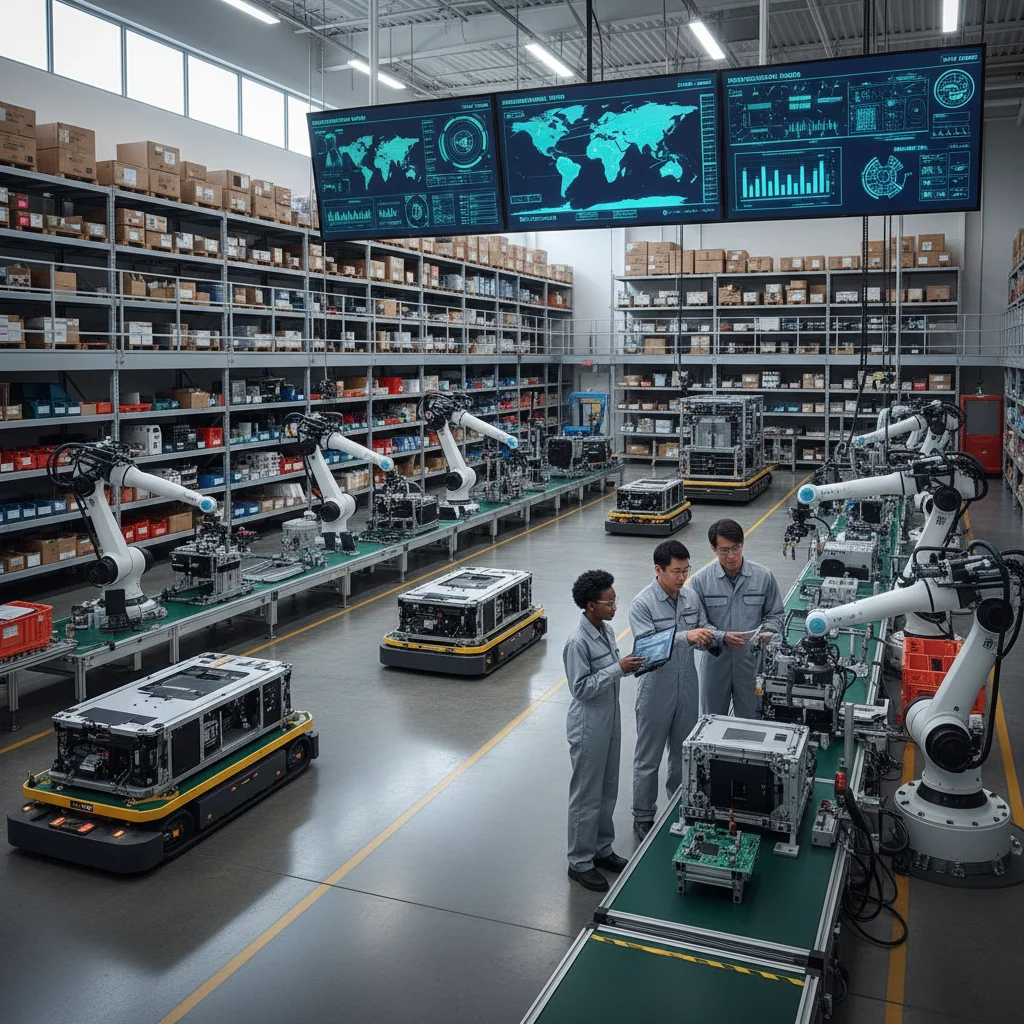
This approach not only mitigates geopolitical risks but also reduces the environmental footprint associated with long-distance shipping and provides a buffer against unforeseen global events. By 2026, a significant portion of critical manufacturing inputs should be sourced from at least two distinct geographical regions, with a strong emphasis on domestic or nearshore alternatives where economically viable.
Buffer Stock and Inventory Optimization
The "just-in-time" (JIT) philosophy, while efficient, proved brittle during widespread disruptions. Manufacturers need to re-evaluate their inventory strategies, incorporating strategic buffer stocks for critical components without resorting to excessive, costly warehousing.
- Dynamic Inventory Management: Use AI/ML to dynamically adjust buffer stock levels based on real-time risk assessments, demand forecasts, and supplier performance.
- Consignment Inventory: Explore arrangements with suppliers where they hold inventory at or near the manufacturer’s facility, reducing the manufacturer’s capital outlay while ensuring availability.
- Shared Warehousing: Collaborate with other manufacturers or logistics providers to share warehousing facilities, optimizing space and reducing costs.
The goal is to move towards a "just-in-case-and-optimized-just-in-time" model, where resilience is balanced with efficiency.
Modular Design and Standardization
Designing products with modular components and standardizing parts across different product lines can significantly enhance supply chain resilience. This allows for:
- Easier Supplier Switching: If one supplier or component becomes unavailable, a standardized, modular design makes it easier to substitute with an alternative.
- Simplified Inventory: Reduces the number of unique parts to manage, streamlining inventory and procurement.
- Faster Product Development: Accelerates the design and manufacturing process by reusing proven components.
This strategy requires upfront investment in product design but yields long-term benefits in flexibility and risk mitigation.
Pillar 3: Robust Risk Management and Scenario Planning
A resilient supply chain is one that anticipates and prepares for a wide range of potential disruptions. This requires a sophisticated approach to risk management and proactive scenario planning.
Comprehensive Risk Assessment Frameworks
Manufacturers must implement robust risk assessment frameworks that go beyond traditional financial and operational risks. These frameworks should:
- Identify a Broad Spectrum of Risks: Include geopolitical, environmental, cyber, regulatory, and socio-economic risks, in addition to operational and financial ones.
- Quantify Risk Impact: Assess the potential financial, reputational, and operational impact of each identified risk.
- Prioritize Risks: Focus resources on mitigating high-impact, high-probability risks.
- Regularly Update: Risk assessments should not be a one-time exercise but a continuous process, adapting to the evolving global landscape.
Leveraging specialized risk intelligence platforms can provide valuable insights into emerging threats and vulnerabilities across the supply chain.
Scenario Planning and Stress Testing
Developing various "what-if" scenarios and stress-testing the supply chain against them is crucial. This involves:
- Defining Plausible Scenarios: Ranging from a major port closure to a widespread cyberattack or a sudden increase in raw material prices.
- Simulating Impact: Using digital twins and simulation software to model how different scenarios would affect the supply chain’s operations, costs, and customer delivery.
- Developing Contingency Plans: For each scenario, create detailed contingency plans, outlining alternative suppliers, logistics routes, production schedules, and communication protocols.
Regularly conducting these exercises allows manufacturers to identify weaknesses, refine response strategies, and build organizational muscle memory for crisis management.
Cybersecurity and Data Protection
As supply chains become more digitized and interconnected, they also become more susceptible to cyberattacks. A breach at any point in the network can have cascading effects. U.S. manufacturers must prioritize:
- Robust Cybersecurity Protocols: Implementing advanced firewalls, intrusion detection systems, encryption, and multi-factor authentication across all systems.
- Vendor Risk Management: Assessing the cybersecurity posture of all supply chain partners and ensuring they meet stringent security standards.
- Employee Training: Educating employees about phishing, social engineering, and other cyber threats.
- Incident Response Plans: Developing clear protocols for detecting, responding to, and recovering from cyberattacks.
Protecting sensitive data and intellectual property is not just a matter of compliance but a critical component of supply chain resilience.
Pillar 4: Collaboration and Ecosystem Building
No single manufacturer can achieve optimal supply chain resilience in isolation. Collaboration across the entire ecosystem is vital.
Supplier Collaboration and Development
Moving beyond transactional relationships, manufacturers should foster deeper collaboration with their key suppliers. This includes:
- Information Sharing: Establishing secure channels for sharing demand forecasts, production schedules, and inventory levels.
- Joint Planning: Collaborating on product development, process improvements, and risk mitigation strategies.
- Supplier Development Programs: Investing in programs to help smaller or less mature suppliers improve their capabilities, quality, and resilience.
A strong, collaborative supplier network is a shared asset that enhances the resilience of all participants.
Industry Partnerships and Consortia
U.S. manufacturers can benefit immensely from participating in industry consortia and partnerships. These platforms facilitate:
- Best Practice Sharing: Learning from peers and adopting proven strategies for resilience.
- Collective Bargaining: Potentially securing better terms with logistics providers or technology vendors.
- Advocacy: Collectively influencing policy and regulatory frameworks that support supply chain resilience.
- Shared Infrastructure: Exploring possibilities for shared warehousing, transportation networks, or even manufacturing capacities during crises.
These collaborative efforts can create a more robust and responsive industrial ecosystem.
Government and Academic Engagement
Engaging with government agencies and academic institutions can provide access to valuable resources, research, and funding opportunities. This could include:
- Research and Development: Collaborating on projects to develop new technologies or methodologies for supply chain optimization.
- Workforce Development: Partnering with universities and vocational schools to address the talent gap in supply chain management.
- Policy Influence: Working with policymakers to shape regulations and incentives that promote domestic manufacturing and supply chain security.
A coordinated national strategy, driven by both public and private sectors, is essential for long-term supply chain resilience.
The Role of Workforce Development in Building Resilience
Technology and strategy are only as effective as the people implementing them. Investing in workforce development is a critical, often overlooked, aspect of building supply chain resilience.
Upskilling and Reskilling Programs
The evolving nature of supply chain management demands new skills. Manufacturers must invest in:
- Digital Literacy: Training employees in data analytics, AI tools, and digital platforms.
- Risk Management Expertise: Developing a cadre of professionals skilled in identifying, assessing, and mitigating supply chain risks.
- Agile Methodologies: Fostering a culture of adaptability and rapid response.
- Cross-functional Training: Encouraging employees to understand different aspects of the supply chain, breaking down silos.
By empowering their workforce with the right skills, manufacturers can ensure their teams are capable of navigating complex challenges and leveraging new technologies effectively.
Attracting New Talent
The supply chain industry needs to attract a new generation of talent. This involves:
- Highlighting Career Opportunities: Showcasing the dynamic and impactful nature of supply chain careers.
- Partnerships with Educational Institutions: Creating internships, co-op programs, and scholarships to build a pipeline of skilled professionals.
- Promoting Diversity and Inclusion: Building diverse teams brings varied perspectives and problem-solving approaches, enhancing overall resilience.
A strong, skilled workforce is the ultimate competitive advantage in an unpredictable world.
Measuring Success: Achieving a 20% Disruption Mitigation by 2026
Setting a target of mitigating disruptions by 20% requires clear metrics and continuous monitoring. Key performance indicators (KPIs) should include:
- Lead Time Variability: Reducing the fluctuations in lead times for critical components.
- Supplier Performance: Tracking on-time delivery, quality, and responsiveness of key suppliers.
- Inventory Turnover: Optimizing inventory levels to reduce carrying costs while maintaining sufficient buffer stock.
- Disruption Recovery Time: Measuring the time taken to restore normal operations after a disruption.
- Cost of Expediting: Reducing reliance on costly expedited shipping due to unforeseen shortages.
- Customer Service Levels: Maintaining high levels of on-time, in-full deliveries to customers.

Regular audits, performance reviews, and feedback loops are essential to track progress, identify areas for improvement, and adjust strategies as needed. The 20% target is ambitious but achievable through a holistic and sustained effort across all areas of supply chain management.
The Road Ahead: Sustaining Supply Chain Resilience Beyond 2026
Building supply chain resilience is not a one-time project but an ongoing journey. Beyond 2026, U.S. manufacturers must continue to innovate and adapt.
- Embrace Continuous Improvement: Regularly review and update strategies, technologies, and partnerships.
- Foster a Culture of Resilience: Embed resilience thinking into the organizational DNA, from executive leadership to frontline workers.
- Stay Ahead of Emerging Technologies: Continuously evaluate new innovations like quantum computing, advanced materials, and next-generation robotics for their potential impact on supply chains.
- Proactive Policy Engagement: Continue to advocate for policies that support domestic manufacturing, critical infrastructure, and international trade stability.
The future belongs to those who are prepared. By strategically investing in digital transformation, diversifying sourcing, implementing robust risk management, fostering collaboration, and developing a skilled workforce, U.S. manufacturers can not only achieve the 20% disruption mitigation target by 2026 but also establish a sustainable competitive advantage for decades to come. The journey to true supply chain resilience is complex, but the rewards—stability, growth, and security—are immeasurable.