The Future of Remote Work: 2026 Market Trends & Hybrid Models
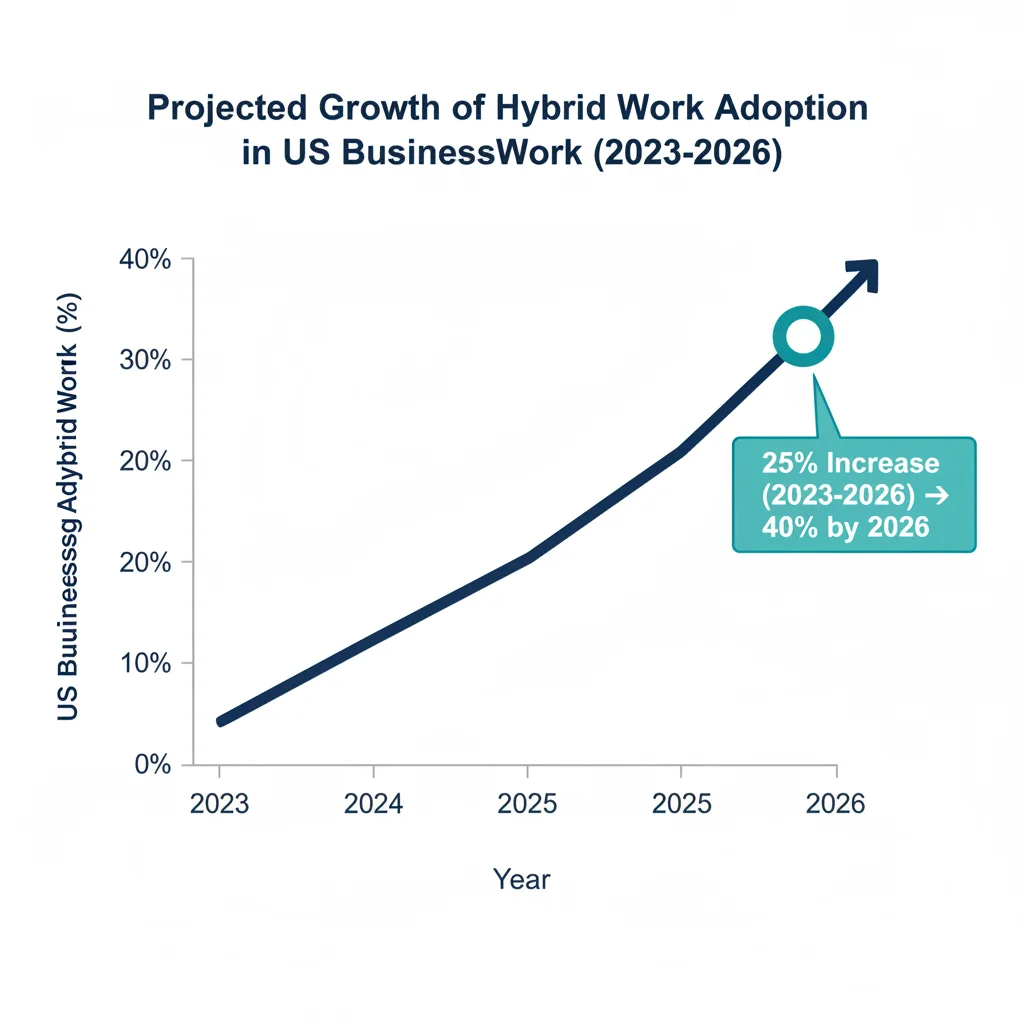
Discover the pivotal shifts shaping the future of remote work. This article analyzes 2026 market trends, highlighting the 25% increase in hybrid models across US businesses and offering insider knowledge for strategic adaptation.
By: Lara Barbosa on February 26, 2026
Last updated on: July 30, 2026
The global pandemic of 2020 irrevocably altered the landscape of professional life, thrusting remote work from a niche perk into a mainstream necessity. As we look towards 2026, it’s clear that the ‘return to office’ isn’t a simple reversion to old norms, but rather an evolution into a more flexible, hybrid future. The future remote work paradigm is not just about where people work, but how they work, how companies manage talent, and how technology facilitates seamless collaboration. This comprehensive analysis dives deep into the projected market trends for 2026, revealing an anticipated 25% increase in hybrid work models across US businesses, and offering insider knowledge for navigating this transformative era.
For years, the traditional office model was the undisputed king of corporate structures. However, the forced experiment of remote work during the pandemic proved its viability, and in many cases, its advantages. Companies discovered increased productivity, reduced overheads, and access to a wider talent pool. Employees, in turn, experienced greater work-life balance, reduced commuting stress, and enhanced autonomy. This mutual discovery has laid the groundwork for the enduring shift we are now witnessing – a shift that will culminate in the widespread adoption of hybrid models as the dominant form of the future remote work environment.
Understanding the Hybrid Model: The New Standard for Future Remote Work
What exactly defines a hybrid work model? It’s a flexible approach where employees split their time between working in a physical office and working remotely. This isn’t a one-size-fits-all solution; hybrid models can manifest in various forms:
Fixed Hybrid: Employees have designated days for in-office and remote work.
Flexible Hybrid: Employees choose when to come into the office, often based on team needs or personal preference.
Remote-First Hybrid: The default is remote work, with office visits for specific collaborative sessions or events.
The beauty of the hybrid model lies in its ability to harness the best of both worlds. It offers the flexibility and autonomy that employees crave from remote work, while preserving the benefits of in-person collaboration, team building, and mentorship that a physical office provides. This balance is crucial for the long-term sustainability and success of the future remote work landscape.
The projected 25% increase in hybrid models across US businesses by 2026 isn’t a random figure; it’s a reflection of ongoing surveys, pilot programs, and strategic decisions being made by leading organizations. Companies are actively investing in the infrastructure, technology, and cultural shifts necessary to support this blended approach. This trend is not merely about adapting to employee demands; it’s about optimizing operational efficiency, fostering innovation, and remaining competitive in a rapidly evolving global market.
Key Market Trends Driving the Future Remote Work Evolution
Several significant market trends are converging to shape the future remote work landscape. Understanding these trends is paramount for businesses looking to thrive in the years to come.
1. The Continued Demand for Flexibility
Employee expectations have fundamentally changed. The experience of remote work has instilled a strong desire for greater flexibility and autonomy. Employees are increasingly prioritizing work-life balance, and many are willing to seek opportunities with companies that offer flexible work arrangements. Businesses that fail to adapt risk losing top talent to competitors embracing the hybrid model.
2. Technological Advancements in Collaboration Tools
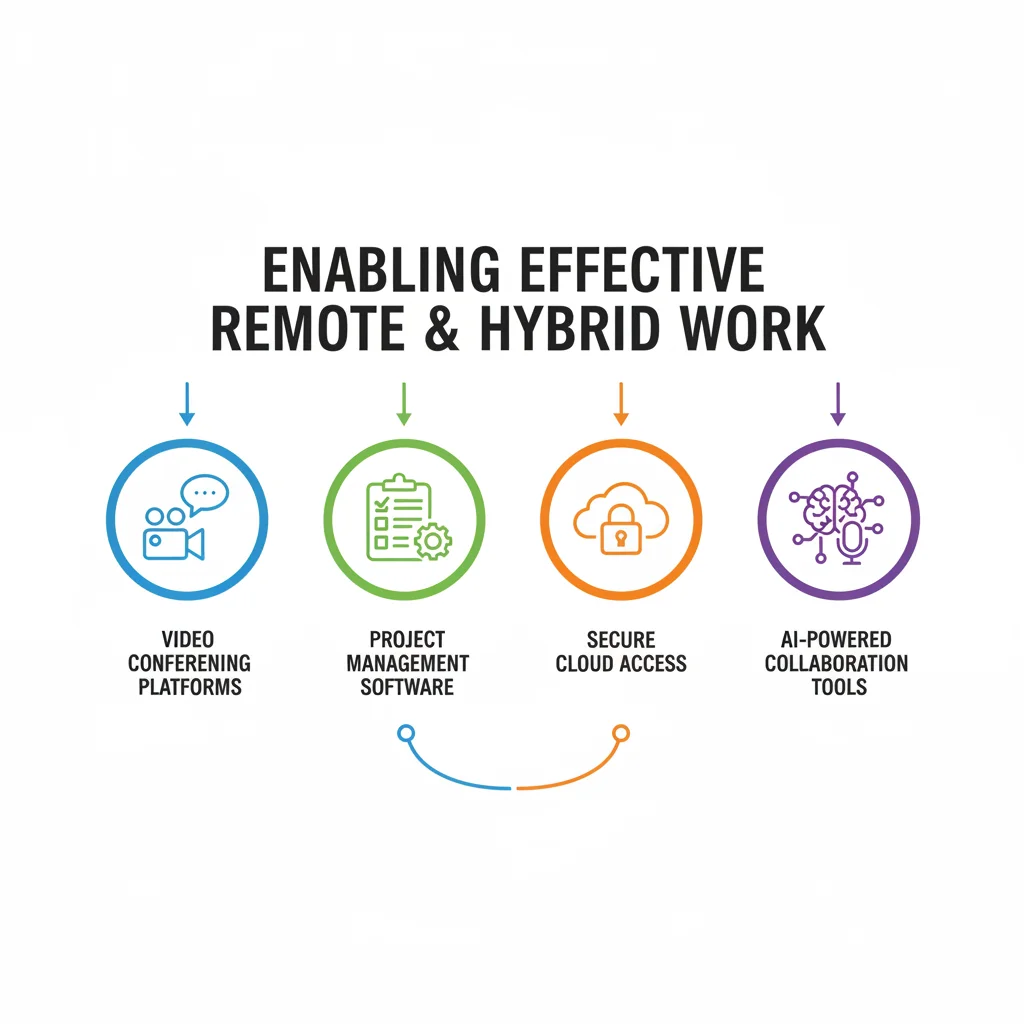
The rapid evolution of collaboration technologies is a major enabler of the future remote work environment. Video conferencing platforms have become more sophisticated, offering enhanced features like AI-powered transcription, virtual whiteboards, and immersive meeting experiences. Project management software now integrates seamlessly with communication tools, streamlining workflows and ensuring transparency. Cloud computing provides secure and ubiquitous access to essential data and applications, regardless of location. These technological leaps are making hybrid work not just possible, but highly efficient.
3. The Rise of "Work-From-Anywhere" Policies
Beyond hybrid models, some progressive companies are exploring "work-from-anywhere" policies, allowing employees even greater geographical freedom. While not as widespread as hybrid, this trend signifies a deeper commitment to location independence and a recognition that talent pools are no longer confined by physical proximity. This extreme flexibility is a significant aspect of the broader future remote work movement.
4. Focus on Employee Well-being and Mental Health
The challenges of remote work, such as isolation and burnout, have brought employee well-being to the forefront. Companies are increasingly investing in programs and resources to support the mental and physical health of their distributed workforces. This includes virtual wellness programs, mental health support, and initiatives to foster social connection among remote and hybrid teams. A healthy workforce is a productive workforce, and this focus will be critical for the sustainable growth of the future remote work model.
5. Reimagining the Office Space
As hybrid work becomes the norm, the purpose and design of physical office spaces are undergoing a radical transformation. Offices are shifting from being primary workplaces to collaborative hubs, innovation centers, and social gathering points. Companies are investing in flexible office layouts, advanced technology for hybrid meetings, and amenities that encourage in-person interaction. The office of the future remote work era will be a destination, not just a default.
Insider Knowledge: Strategic Adaptation for US Businesses
For US businesses aiming to capitalize on the future remote work trends and the projected 25% increase in hybrid models, strategic adaptation is key. Here’s insider knowledge on how to prepare and excel:
1. Develop a Clear Hybrid Work Strategy
Don’t just drift into hybrid work; design it intentionally. Define clear policies regarding in-office days, remote work expectations, and communication protocols. Involve employees in the process to foster buy-in and tailor the model to your company’s specific needs and culture. A well-defined strategy is the bedrock of successful future remote work implementation.
2. Invest in the Right Technology Stack
Robust and reliable technology is non-negotiable for hybrid success. This includes:
Unified Communication Platforms: Tools like Microsoft Teams, Slack, or Google Workspace that integrate chat, video conferencing, and file sharing.
Project Management Software: Asana, Trello, Jira, or Monday.com for transparent task management and collaboration.
Cloud-Based Solutions: For secure data storage and access from any location.
Cybersecurity Measures: Enhanced protocols and training to protect sensitive data in a distributed environment.
Hardware for Remote Workers: Ensuring employees have ergonomic setups and necessary equipment at home.
These investments are critical enablers for the future remote work environment.
3. Foster a Culture of Trust and Transparency
Hybrid work thrives on trust. Managers need to shift from a "presenteeism" mindset to one that focuses on outcomes and results. Transparent communication about company goals, challenges, and successes is vital to keep everyone aligned, regardless of their location. Building a culture of psychological safety where employees feel comfortable expressing ideas and concerns is fundamental to the future remote work success.
4. Prioritize Leadership Training for Hybrid Management
Managing a hybrid team requires a different skill set than managing a fully in-office team. Leaders need training in:
Virtual Communication: Mastering effective communication across different mediums.
Performance Management: Evaluating performance based on results, not hours spent in the office.
Employee Engagement: Keeping remote and in-office employees equally engaged and connected.
Conflict Resolution: Addressing issues that may arise from differing work styles or locations.
Effective leadership is a cornerstone of the successful transition to the future remote work model.
5. Redesign Office Spaces for Collaboration and Connection
As mentioned, the office needs to serve a new purpose. Consider:
Flexible Workstations: Hot-desking arrangements and unassigned seating.
Enhanced Meeting Rooms: Equipped with advanced AV technology for seamless hybrid meetings, ensuring remote participants feel fully included.
Social Hubs: Comfortable areas designed for informal interaction, team building, and creative brainstorming.
Quiet Zones: Spaces for focused individual work when employees are in the office.
These redesigned spaces will support the evolving needs of the future remote work landscape.
6. Focus on Employee Onboarding and Integration
Onboarding new employees in a hybrid environment requires careful planning. Ensure new hires feel connected to the company culture and their teams, regardless of where they are working. This includes structured virtual onboarding programs, mentorship opportunities, and intentional in-person meetups when possible. Effective integration is crucial for long-term success in the future remote work era.
7. Measure and Adapt
The hybrid model is still evolving. Continuously collect feedback from employees and managers. Use data to assess productivity, engagement, and well-being. Be prepared to iterate and adjust your hybrid strategy based on what’s working and what’s not. Agility and a willingness to adapt are key to mastering the future remote work environment.
Challenges and Opportunities in the Future Remote Work Landscape
While the benefits of hybrid work are substantial, there are also challenges that businesses must proactively address to ensure a smooth transition into the future remote work era.
Challenges:
Maintaining Company Culture: It can be harder to foster a strong, unified culture when employees are not consistently in the same physical space.
Ensuring Equity: Preventing a "two-tier" system where in-office employees receive more opportunities or recognition than remote counterparts.
Data Security: Managing cybersecurity risks with a distributed workforce accessing company networks from various locations.
Burnout and Work-Life Blurring: The lines between work and personal life can become blurred, leading to increased stress and burnout for remote employees.
Technology Gaps: Ensuring all employees have access to reliable internet and appropriate home office setups.
Opportunities:
Access to a Global Talent Pool: Removing geographical barriers allows companies to recruit the best talent, regardless of location.
Reduced Overhead Costs: Downsizing office spaces can lead to significant cost savings.
Increased Employee Satisfaction and Retention: Flexibility is a major driver of employee loyalty.
Enhanced Disaster Preparedness: A distributed workforce is inherently more resilient to unforeseen disruptions.
Innovation in Workflows: Hybrid models often necessitate more efficient and technology-driven processes.
Successfully navigating these challenges while leveraging the opportunities will define the leaders in the future remote work landscape.
The Role of AI and Automation in the Future Remote Work
Artificial intelligence (AI) and automation are set to play an increasingly critical role in shaping the future remote work environment. These technologies will not only enhance productivity but also address some of the inherent challenges of distributed teams.
AI-Powered Collaboration Tools
Imagine meeting platforms that automatically generate summaries, highlight key decisions, and assign action items. AI can analyze communication patterns to identify potential roadblocks or foster better team dynamics. Chatbots can handle routine inquiries, freeing up human resources for more complex tasks. These advancements will make virtual collaboration even more efficient and inclusive, bridging the gap between in-office and remote participants.
Automated Workflow Management
Repetitive tasks, from data entry to scheduling, can be automated, allowing employees to focus on higher-value activities. This is particularly beneficial in a hybrid setup where seamless information flow is crucial. Automation ensures consistency and reduces manual errors, making the future remote work experience smoother and more productive.
Enhanced Personalization and Well-being
AI can also be leveraged to personalize employee experiences. For example, AI-driven platforms can recommend learning resources tailored to individual development needs, or suggest wellness breaks based on work patterns. By providing personalized support, AI can contribute to greater employee satisfaction and combat issues like burnout in the future remote work context.
Predictive Analytics for Workforce Planning
AI can analyze data to predict future workforce needs, identify skill gaps, and optimize staffing levels for hybrid teams. This allows businesses to make more informed decisions about hiring, training, and resource allocation, ensuring they are well-prepared for the evolving demands of the future remote work landscape.
Conclusion: Embracing the Hybrid Future
The future remote work is undeniably hybrid. The projected 25% increase in hybrid models across US businesses by 2026 is not just a statistic; it’s a testament to a fundamental shift in how we approach work. This isn’t a temporary trend but a permanent evolution driven by employee preferences, technological advancements, and a growing understanding of organizational efficiency.
Businesses that embrace this change proactively, investing in the right technology, fostering a culture of trust, and adapting their leadership styles, will be the ones that thrive. The challenges are real, but the opportunities for increased productivity, enhanced talent acquisition, and greater employee satisfaction are even more significant. By strategically navigating these shifts, US businesses can not only adapt to the future remote work but also lead the way in creating more flexible, inclusive, and ultimately, more successful workplaces.
The journey to 2026 and beyond will require continuous learning, adaptation, and a human-centric approach to technology. The companies that genuinely understand and implement the principles of effective hybrid work will unlock unprecedented levels of innovation and resilience, securing their competitive edge in the new era of work. The future remote work is here, and it’s a future where flexibility, technology, and trust are paramount.
Lara Barbosa has a degree in Journalism, with experience in editing and managing news portals. Her approach combines academic research and accessible language, turning complex topics into educational materials of interest to the general public.