Hybrid Work 2026: Adoption, Productivity, and Sector Insights
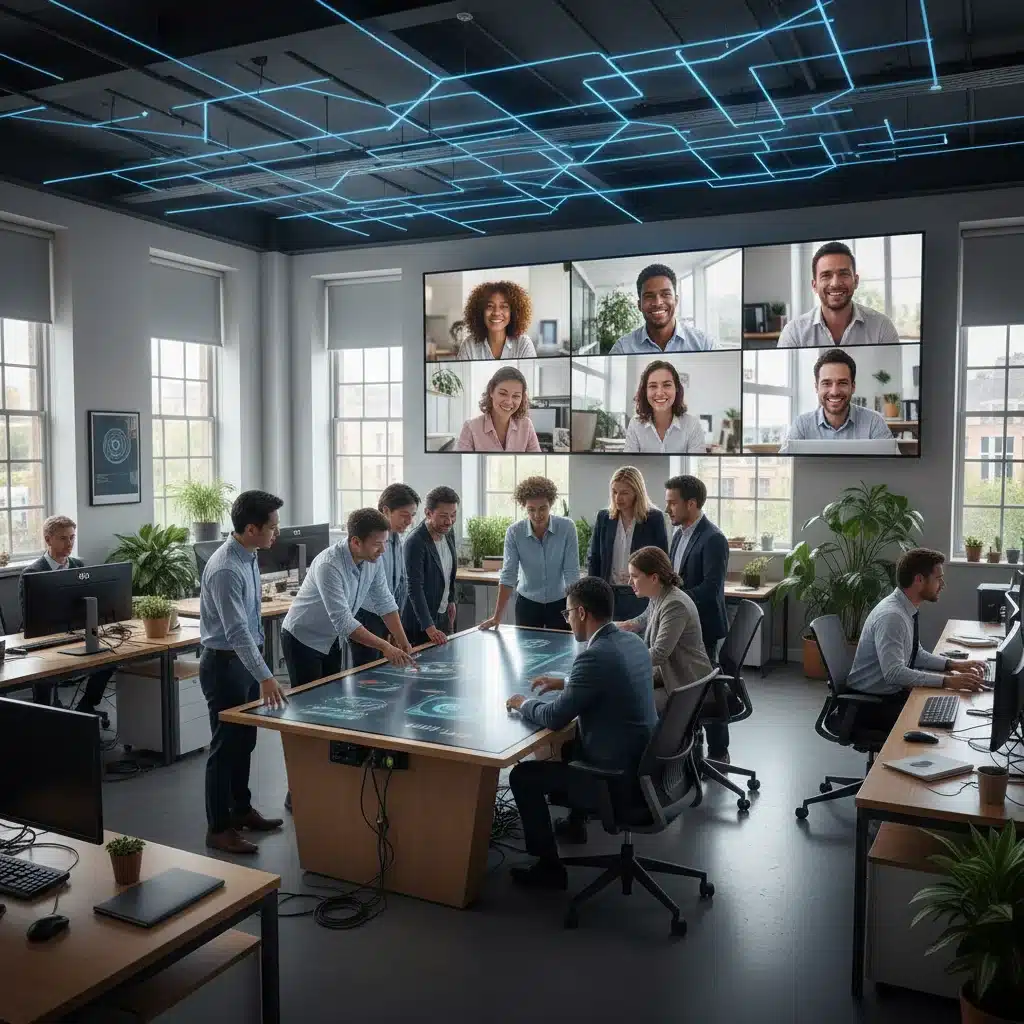
Hybrid Work 2026: Understanding Adoption Rates and Productivity Gains Across U.S. Sectors
The global pandemic irrevocably altered the landscape of work, pushing what was once a niche concept—remote work—into the mainstream. As we navigate the mid-2020s, the conversation has evolved from purely remote to a more nuanced model: hybrid work. This dynamic approach, blending in-office collaboration with remote flexibility, is not just a temporary fix but a fundamental shift in how organizations operate. As we look towards hybrid work 2026, understanding its projected adoption rates, the tangible productivity gains it offers, and its varied impact across diverse U.S. sectors becomes paramount for businesses, policymakers, and employees alike.
The transition to hybrid models presents both opportunities and challenges. Companies are grappling with how to optimize their physical spaces, leverage technology effectively, and foster a cohesive company culture when their workforce is distributed. Simultaneously, employees are seeking greater autonomy, work-life balance, and flexibility, which hybrid models often promise. This article will delve deep into the anticipated trends for hybrid work 2026, providing a comprehensive analysis of the factors driving its adoption, the measurable benefits it brings to productivity, and the unique ways different industries are adapting to this new paradigm.
The Evolution of Work: From Traditional to Hybrid in 2026
Before the pandemic, the traditional 9-to-5, in-office work model was the default for most U.S. businesses. Remote work, while growing, was often viewed with skepticism regarding productivity and team cohesion. The forced experiment of widespread remote work during 2020-2021, however, shattered many preconceived notions. Businesses discovered that work could indeed get done outside the traditional office, often with surprising efficiency.
This realization paved the way for the hybrid model, which seeks to capture the best of both worlds. The "why" behind the acceleration towards hybrid work 2026 is multifaceted. Employee demand for flexibility is a significant driver. Surveys consistently show that a large percentage of employees prefer hybrid or fully remote options, with many willing to leave their jobs for greater flexibility. For employers, the benefits extend beyond employee satisfaction to include reduced overhead costs, access to a wider talent pool, and enhanced business continuity.
Technological advancements have also played a crucial role. The proliferation of sophisticated collaboration tools, cloud-based platforms, and robust communication software has made seamless integration between in-office and remote teams not just possible, but often highly efficient. These tools are continually evolving, promising even more sophisticated support for hybrid environments by 2026.
Furthermore, the strategic advantages for businesses are becoming clearer. A well-implemented hybrid model can lead to increased employee retention, improved morale, and a more resilient organizational structure. As we approach 2026, the initial experimental phase of hybrid work is giving way to more structured, data-driven approaches, with companies refining their policies and practices based on real-world outcomes and emerging best practices.
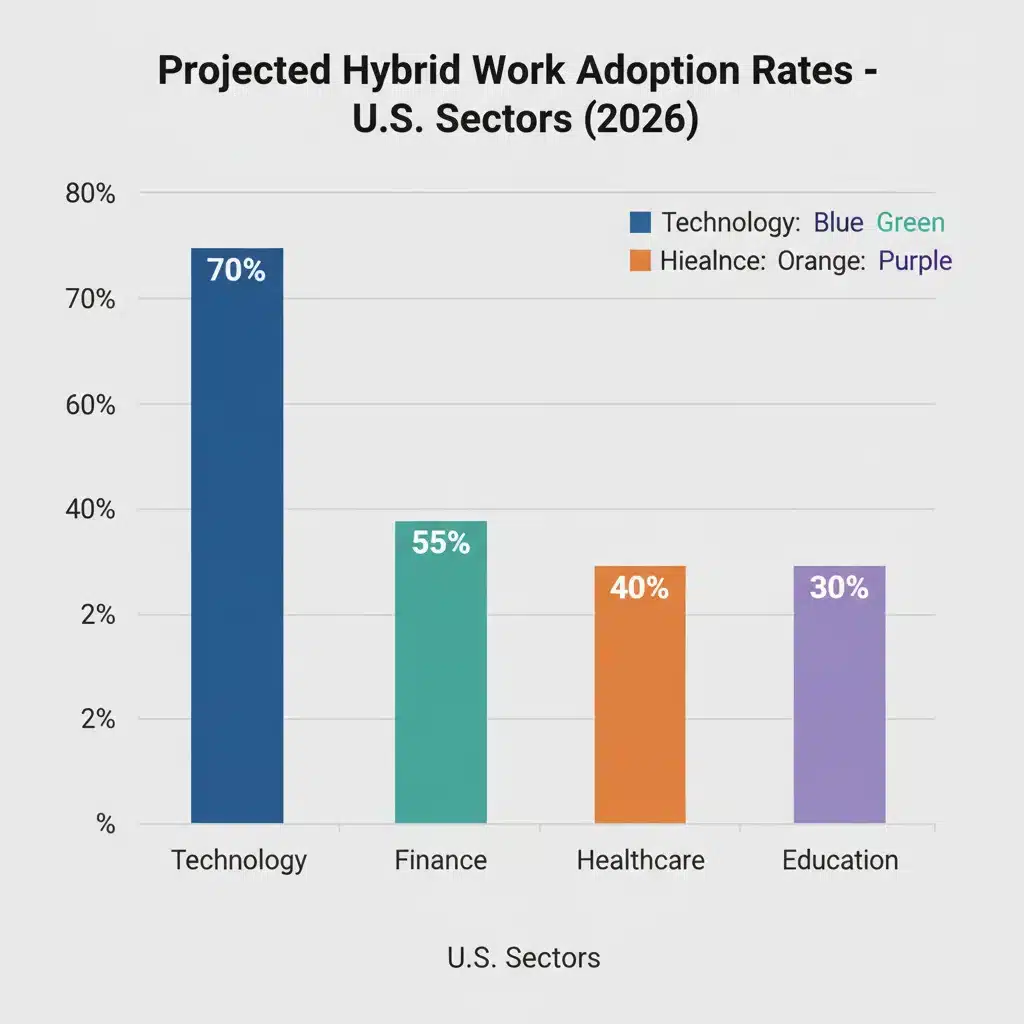
Projected Hybrid Work Adoption Rates in 2026 Across U.S. Sectors
The adoption of hybrid work 2026 will not be uniform across all industries. Different sectors have inherent characteristics that either facilitate or hinder the implementation of hybrid models. Understanding these nuances is key to predicting the future landscape of work.
Technology Sector: Leading the Charge
Unsurprisingly, the technology sector is expected to have some of the highest hybrid work adoption rates by 2026. This industry was already at the forefront of remote work pre-pandemic, thanks to its digital-native nature and reliance on highly portable skill sets. Software development, IT support, data analysis, and many other tech roles can be performed effectively from anywhere with an internet connection. Companies like Google, Microsoft, and Apple have already outlined their long-term hybrid strategies, often favoring a blend of in-office days for collaboration and remote days for focused work. The tech sector’s early adoption and continuous innovation in collaboration tools will likely set benchmarks for other industries.
Finance and Professional Services: A Measured Embrace
The finance and professional services sectors (consulting, legal, accounting) are also moving towards significant hybrid adoption, albeit with more measured approaches than tech. While client-facing roles and sensitive data handling often necessitate some in-office presence, many back-office functions and analytical tasks are well-suited for remote work. By 2026, we anticipate a strong hybrid presence, with firms balancing security concerns, regulatory compliance, and client interaction needs with employee demand for flexibility. The emphasis here will likely be on structured hybrid schedules, perhaps 2-3 days in the office, to maintain team cohesion and mentorship opportunities.
Healthcare and Education: Sector-Specific Hybrid Models
Healthcare and education present unique challenges and opportunities for hybrid work 2026. Clinical roles in healthcare, by their nature, require a physical presence. However, administrative staff, certain research positions, and even some patient consultations (telehealth) can be effectively managed remotely. We can expect a bifurcated hybrid model in healthcare, where patient-facing staff remain largely on-site, while administrative and support functions adopt more flexible arrangements. Similarly, in education, while in-person teaching remains central, administrative roles, curriculum development, and certain higher education functions are increasingly embracing hybrid models, especially as digital learning platforms become more sophisticated. The challenge for these sectors will be integrating these disparate work modes seamlessly.
Manufacturing and Retail: Limited but Strategic Hybrid Adoption
Sectors like manufacturing and retail, which are heavily reliant on physical locations and hands-on work, will naturally see lower overall hybrid adoption rates. Factory workers, store associates, and logistics personnel typically cannot perform their duties remotely. However, even within these industries, corporate offices, design teams, marketing departments, and certain administrative functions will likely transition to hybrid models. The key for these sectors will be to identify which roles can genuinely benefit from flexibility and to implement hybrid strategies for those specific segments of their workforce, thereby attracting and retaining talent in non-frontline roles.
Productivity Gains: The Core Benefit of Hybrid Work 2026
One of the most compelling arguments for the widespread adoption of hybrid work 2026 is its potential to significantly boost productivity. While initial fears suggested remote work would lead to decreased output, numerous studies have shown the opposite to be true, particularly when structured within a hybrid framework.
Enhanced Focus and Reduced Distractions
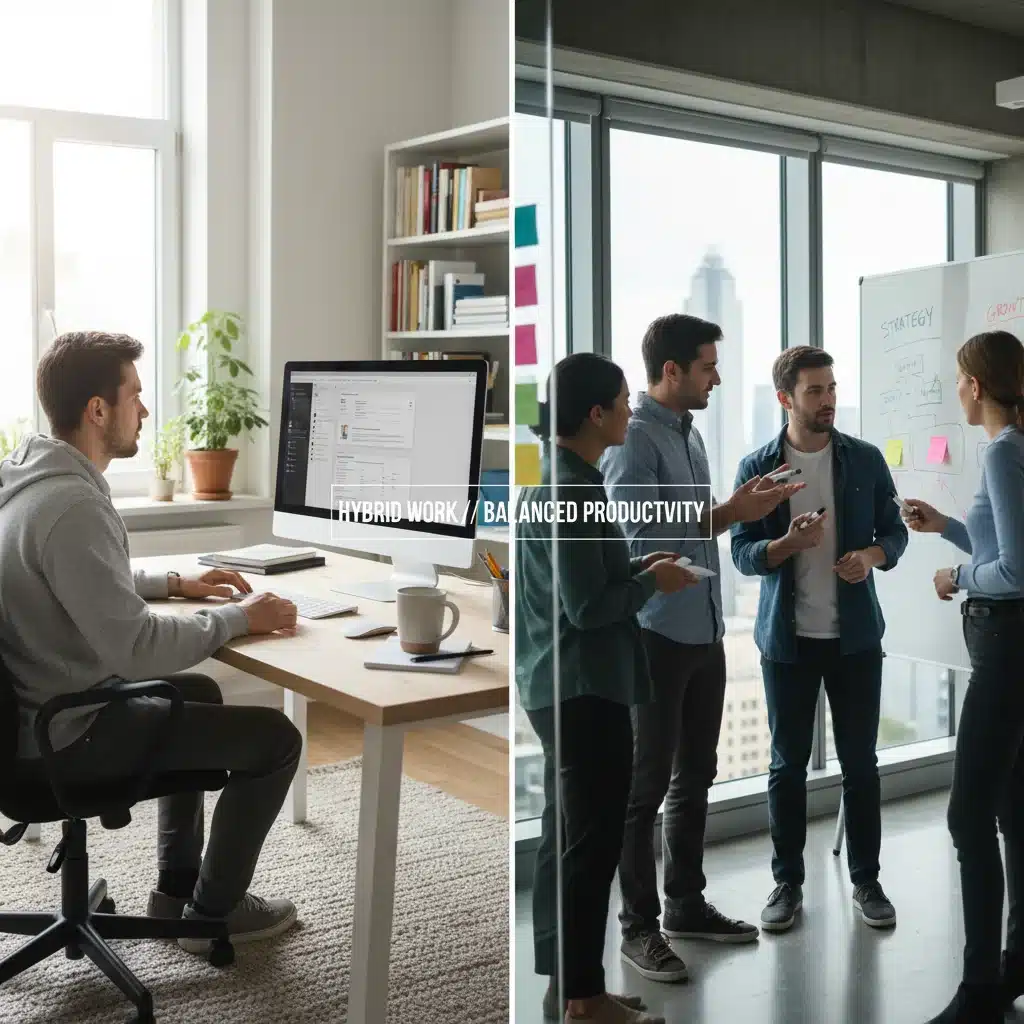
For many knowledge workers, the office environment can be a hub of constant interruptions. Open-plan offices, impromptu meetings, and casual conversations, while fostering collaboration, can severely fragment deep work. Hybrid models allow employees to dedicate remote days to tasks requiring intense focus, minimizing distractions and maximizing concentration. This ability to control one’s work environment often leads to higher quality output and faster completion of individual tasks.
Improved Work-Life Balance and Well-being
The flexibility offered by hybrid work directly contributes to improved work-life balance. Eliminating daily commutes, for instance, frees up significant time that employees can reallocate to personal pursuits, family responsibilities, or rest. This reduction in stress and increased personal time often translates into happier, more engaged, and ultimately more productive employees. A workforce that feels valued and supported in managing their personal lives is less prone to burnout and more likely to be loyal and committed to their organization.
Access to a Wider Talent Pool
By decoupling work from a specific geographical location, hybrid models allow companies to recruit from a much broader talent pool. This means businesses are no longer limited to candidates within commuting distance of their offices. Access to a more diverse and skilled workforce, regardless of location, can lead to better innovation, more robust problem-solving, and a competitive edge. Hiring the best talent, wherever they reside, inevitably contributes to overall organizational productivity.
Strategic Use of Office Space for Collaboration
In a well-designed hybrid model, the office transforms from a default workplace into a purposeful hub for collaboration, innovation, and team building. Instead of being used for individual tasks that can be done remotely, office days are optimized for brainstorming sessions, strategic planning, client meetings, and social interaction. This strategic use of physical space ensures that in-person time is highly effective and adds unique value, thereby enhancing collective productivity and fostering a stronger company culture.
Reduced Absenteeism and Presenteeism
Hybrid work can lead to a decrease in both absenteeism and presenteeism. Employees are less likely to take a full sick day for minor ailments if they have the option to work from home. Similarly, the flexibility to manage personal appointments or family needs can prevent employees from coming into the office when they are not feeling 100%, thus reducing the spread of illness and ensuring that when they are working, they are truly productive. This subtle but significant factor contributes to consistent productivity levels across the workforce.
Challenges and Solutions for Successful Hybrid Work 2026 Implementation
While the benefits of hybrid work 2026 are substantial, its successful implementation is not without challenges. Organizations must proactively address these issues to fully realize the model’s potential.
Maintaining Company Culture and Connection
One of the primary concerns for hybrid models is the potential erosion of company culture and a sense of belonging among distributed teams. Spontaneous interactions, water cooler conversations, and shared experiences often contribute significantly to team cohesion. Solutions include dedicated in-office days for specific teams, regular virtual social events, robust internal communication platforms, and leadership training focused on fostering connection in a hybrid environment. Creating intentional opportunities for both formal and informal interaction is crucial.
Ensuring Equity and Inclusivity
There’s a risk that remote employees might be overlooked for opportunities or promotions compared to their in-office counterparts. This "proximity bias" can undermine morale and create an unequal playing field. To combat this, companies must establish clear performance metrics, implement equitable access to mentorship and development programs, and ensure that all meetings are designed to be inclusive of remote participants (e.g., hybrid meeting technology, clear agendas, equal speaking opportunities). Leaders must be trained to manage and evaluate hybrid teams fairly.
Technological Infrastructure and Cybersecurity
A robust and secure technological infrastructure is the backbone of any successful hybrid model. This includes reliable internet access for all employees, high-quality video conferencing equipment in offices, cloud-based collaboration tools, and strong cybersecurity measures to protect sensitive data accessed from various locations. Ongoing investment in technology and regular training for employees on best practices for remote security are essential.
Effective Leadership and Management
Managing a hybrid team requires a different skill set than managing a fully in-office or fully remote team. Leaders need to be adept at communicating asynchronously, building trust without constant physical presence, managing performance based on outcomes rather than hours, and fostering a culture of psychological safety. Organizations must invest in training programs for managers to equip them with the tools and strategies necessary to lead effectively in a hybrid landscape.
Optimizing Office Space
With fewer employees in the office daily, companies need to re-evaluate their physical spaces. The traditional model of dedicated desks for everyone may no longer be efficient. Instead, offices can be redesigned to prioritize collaboration zones, flexible workstations (hot-desking), quiet focus areas, and advanced meeting rooms equipped for hybrid interactions. This optimization can lead to significant cost savings and create a more purposeful and attractive office environment for in-person days.
Case Studies: Hybrid Success Stories and Lessons Learned
Examining real-world examples helps illustrate the practical application and benefits of hybrid work 2026. While specific company names may vary, the underlying principles of successful implementation remain consistent.
Tech Giant’s Flexible Approach
One prominent tech company implemented a "flexible hybrid" model, allowing teams to decide their in-office days with a general guideline of 2-3 days per week. They invested heavily in upgrading office technology for seamless hybrid meetings and provided stipends for home office setups. The result? A significant increase in employee satisfaction scores, a broader talent pool enabling them to hire top engineers globally, and a noticeable uptick in project completion rates due to employees having dedicated focus time at home. Their lesson: trust in teams and robust tech infrastructure are paramount.
Financial Services Firm’s Structured Hybrid
A large financial institution adopted a more structured hybrid model, mandating specific in-office days (e.g., Tuesdays, Wednesdays, Thursdays) for all employees. This predictability helped maintain team cohesion for sensitive projects and client interactions. They focused on redesigning their office layout to include more collaborative spaces and fewer individual cubicles. While initial employee feedback was mixed regarding the mandatory days, the clarity and consistency ultimately led to a stable, productive rhythm. Their lesson: structure can provide stability in industries with high compliance and client interaction needs.
Creative Agency’s "Hub and Spoke" Model
A mid-sized creative agency embraced a "hub and spoke" model. Their main office became a "hub" for major client presentations, large team brainstorms, and social events. Smaller, flexible co-working spaces (spokes) were made available in various neighborhoods for employees who needed an occasional break from home but preferred not to commute to the main hub. This approach maximized flexibility while still offering physical touchpoints. They reported increased creativity and reduced burnout, particularly among their younger workforce. Their lesson: diverse physical options can cater to varied employee needs and boost innovation.
The Future Workforce: Skills and Adaptations for Hybrid Work 2026
As hybrid work 2026 becomes the norm, the skills required for both employees and leaders will evolve. Adapting to this new environment is critical for career progression and organizational success.
Essential Employee Skills
- Self-Discipline and Time Management: The ability to structure one’s day, prioritize tasks, and manage distractions independently is crucial for remote productivity.
- Digital Literacy and Tech Proficiency: Comfort with various collaboration tools, virtual meeting platforms, and cloud-based software is non-negotiable.
- Proactive Communication: In a hybrid setting, clear, concise, and proactive communication — both written and verbal — is vital to ensure everyone is on the same page and to prevent misunderstandings.
- Adaptability and Flexibility: The ability to switch between in-office and remote modes, and to adapt to different work environments and team structures, will be highly valued.
- Emotional Intelligence: Understanding and managing one’s own emotions, and recognizing and influencing the emotions of others, becomes even more important when interactions are not always face-to-face.
Leadership and Management Adaptations
- Empathy and Trust-Building: Leaders must build trust with their teams and demonstrate empathy, understanding the unique challenges and opportunities of remote and hybrid work.
- Outcome-Oriented Management: Shifting focus from "face time" to tangible results and empowering employees to achieve goals independently.
- Facilitating Hybrid Meetings: Mastering the art of running inclusive and effective meetings where both in-person and remote participants feel equally engaged and heard.
- Digital Communication Mastery: Leveraging asynchronous communication effectively to keep everyone informed and engaged, avoiding information silos.
- Fostering Culture Remotely: Proactively creating opportunities for team bonding, mentorship, and informal interactions across distributed teams.
Policy and Regulatory Considerations for Hybrid Work 2026
The widespread adoption of hybrid work 2026 also brings significant policy and regulatory considerations for governments and organizations.
Taxation and Jurisdictional Issues
When employees work from different states or even countries, questions arise regarding income tax, corporate tax, and social security contributions. Governments are slowly catching up to these complexities, but companies must stay informed and potentially seek expert advice to ensure compliance. The concept of "permanent establishment" for tax purposes is particularly relevant.
Labor Laws and Employee Rights
Existing labor laws, which were largely designed for traditional office environments, need to be reinterpreted or updated for hybrid models. This includes aspects like working hours, overtime, health and safety regulations (e.g., ergonomic home office setups), and data privacy. Employers have a duty of care to their employees, regardless of their work location.
Data Security and Privacy
With sensitive company data being accessed and processed outside the traditional corporate firewall, cybersecurity risks increase. Robust data encryption, secure VPNs, multi-factor authentication, and regular employee training on data protection are non-negotiable. Compliance with data privacy regulations (e.g., GDPR, CCPA) becomes more complex in a distributed workforce scenario.
Incentives for Hybrid Adoption
Governments may consider offering incentives for companies that successfully implement hybrid models, recognizing the potential benefits for urban planning (reduced traffic congestion), environmental impact (lower carbon footprint from commuting), and regional economic development (talent distribution). These could include tax breaks or grants for technology upgrades.
The Economic and Societal Impact of Hybrid Work 2026
Beyond individual businesses, the shift to hybrid work 2026 will have profound economic and societal ramifications.
Urban Planning and Real Estate
The reduced need for daily commutes could alleviate traffic congestion in major cities and reduce demand for prime office real estate. This might lead to a repurposing of commercial buildings into residential units or mixed-use developments. Suburban and rural areas might experience economic revitalization as more people choose to live further from traditional urban centers, bringing new businesses and services to these regions.
Environmental Benefits
Fewer commutes mean a significant reduction in carbon emissions from vehicles, contributing to environmental sustainability goals. Lower energy consumption in large office buildings (especially on remote days) also adds to this benefit. Hybrid work is a quiet but powerful contributor to corporate social responsibility efforts.
Demographic Shifts and Regional Development
The ability to work from anywhere could lead to demographic shifts, with people moving away from high-cost-of-living urban areas to more affordable regions, potentially decentralizing talent and fostering economic growth in previously underserved areas. This could help balance regional economic disparities.
Impact on Ancillary Businesses
Businesses that traditionally relied on office commuters (e.g., downtown restaurants, dry cleaners, public transport) will need to adapt. Conversely, local businesses in residential areas, home improvement services, and digital service providers may see increased demand. This represents a significant redistribution of economic activity.
Conclusion: Navigating the Hybrid Horizon in 2026
As we look towards hybrid work 2026, it’s clear that this model is not merely a passing trend but a fundamental redefinition of the workplace. Its widespread adoption, driven by employee demand, technological advancements, and strategic business advantages, promises significant productivity gains and a more resilient, flexible workforce. While challenges related to culture, equity, and infrastructure persist, proactive organizations are developing innovative solutions to overcome them.
The future of work is undeniably hybrid, offering a compelling blend of in-person collaboration and remote flexibility. Businesses that embrace this shift with thoughtful strategies, invest in appropriate technology, and prioritize employee well-being will be best positioned to thrive in the evolving economic landscape. For employees, developing the skills necessary to excel in a distributed environment will be key to career success. As the U.S. workforce continues its remarkable transformation, understanding and adapting to the nuances of hybrid work in 2026 will be crucial for sustainable growth and innovation across all sectors.